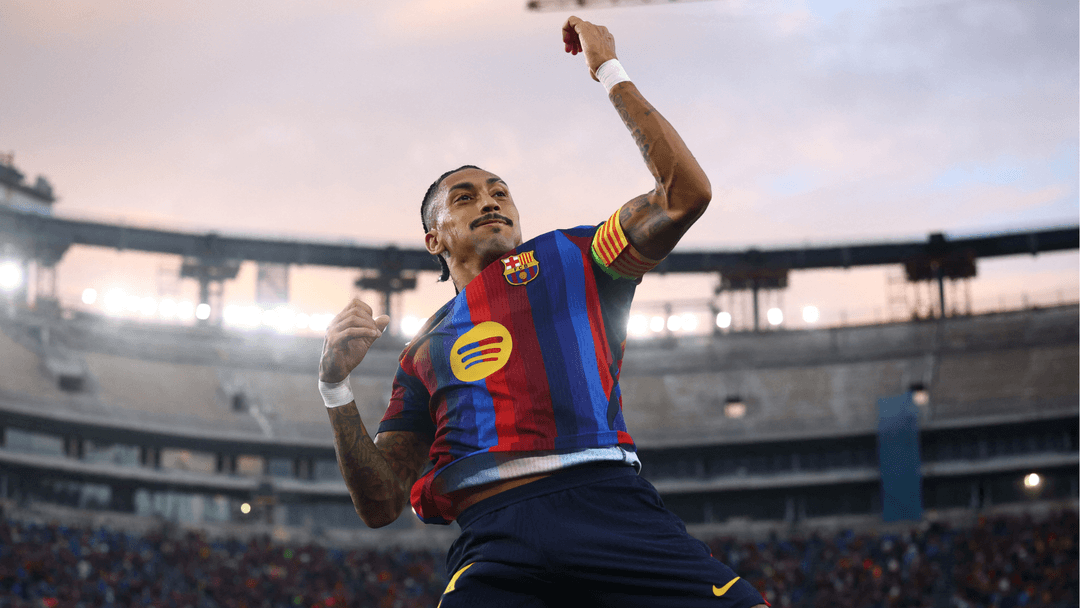
Raphinha’s record start at FC barcelona has rewritten the club’s history books after the Brazilian forward scored 14 goals in his first eight matches of the 2026/27 season. This unprecedented scoring run has propelled the Catalan side to the top of La Liga, fueled by a significant tactical transformation that has seen the player transition from a traditional winger to a lethal central attacker.
Key Takeaways
Historic Milestone: Raphinha has scored 14 goals in eight matches, surpassing the previous Barcelona club record of 13 goals held by César Rodríguez.
Tactical Revolution: The surge is attributed to Hansi Flick’s decision to deploy Raphinha as a “number 9” or “false nine” following a failed attempt to sign Julián Álvarez.
Elite Comparisons: Raphinha’s scoring rate of 1.75 goals per match places him statistically ahead of elite forwards like Erling Haaland and Kylian Mbappé.
Club Momentum: Barcelona has secured seven consecutive wins across all competitions, setting a new club record for the start of a season.
- Ballon d’Or Controversy: Despite his historic form, Raphinha has expressed dissatisfaction regarding his exclusion from the 30-man Ballon d’Or shortlist.
- The Pichichi Race: Raphinha currently leads Kylian Mbappé by two goals in the race for the La Liga top scorer trophy. His ability to maintain this lead against elite defenders will be a primary storyline.
- Champions League Progression: With his eyes on the club’s all-time scoring records, Raphinha’s performances in the group stages will be critical for both individual accolades and Barcelona’s European ambitions.
- amp.marca.com
- barcauniversal.com
- theshillongtimes.com
- www.beinsports.com
What Happened: A Season of Unprecedented Scoring
On September 20, 2026, FC Barcelona officially confirmed that Raphinha has broken the long-standing club record for most goals scored in the opening eight matches of a campaign. The Brazilian forward, aged 29, has reached a total of 14 goals in just eight appearances, eclipsing the mark of 13 goals set by the legendary César Rodríguez.
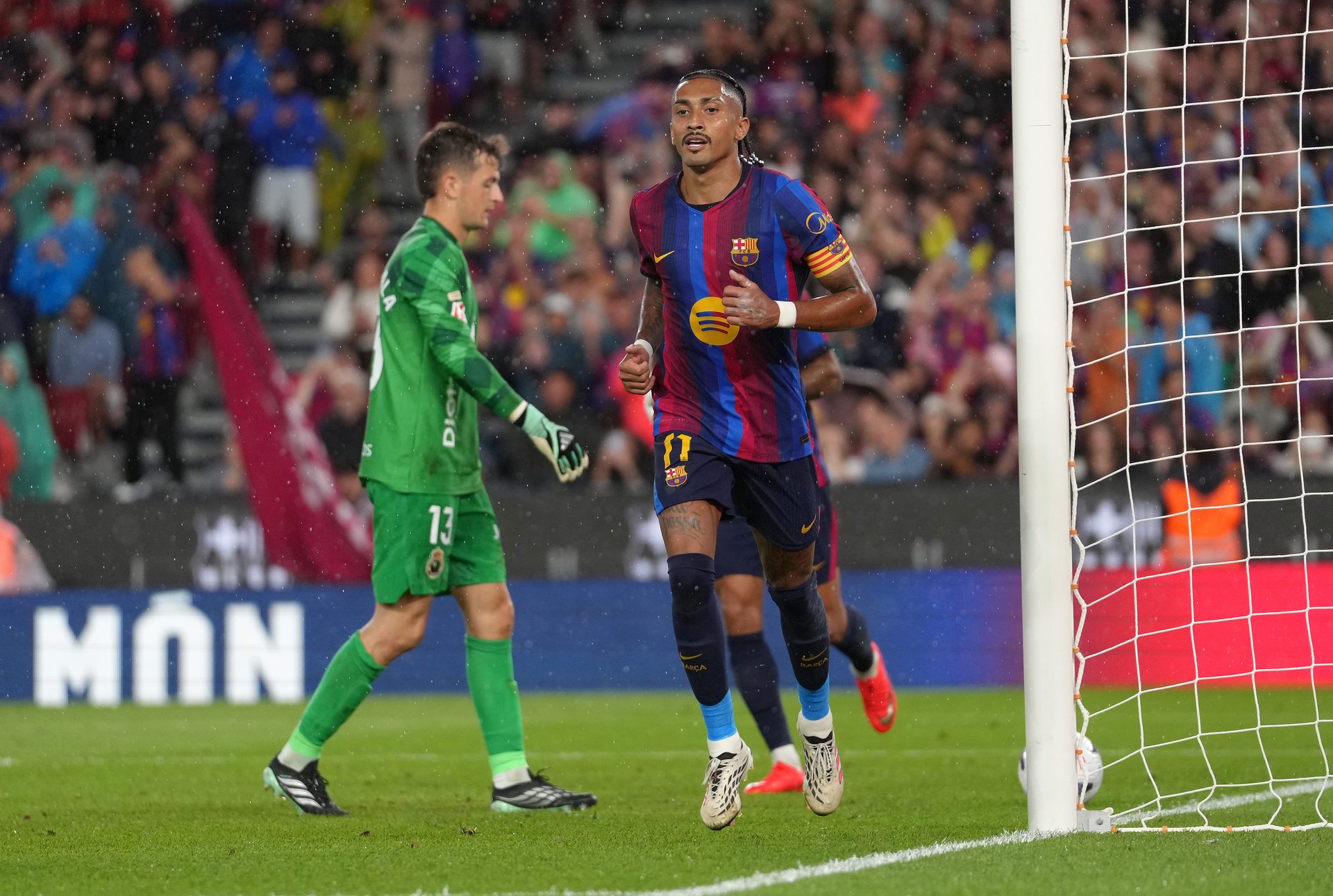
The scoring spree has been characterized by remarkable versatility and consistency. Raphinha recorded a hat-trick against Racing de Santander, which included two clinical penalties. He followed this with a “perfect hat-trick” against Sevilla at the Sánchez Pizjuán, scoring with his head, right foot, and left foot to secure a 1-3 victory.
This dominant period began in earnest during the pre-season. On August 16, 2026, Hansi Flick first tested Raphinha in a central role during a friendly against the Swiss side Basel. The experiment was formalized during Barcelona’s La Liga debut against Elche on August 23, where Raphinha netted two goals and provided an assist in a 5-0 rout. Since then, the forward has found the net in nearly every appearance, with his only outlier being a match against Levante where he contributed two assists instead of goals.
Why It Matters: The Impact of a Tactical Pivot
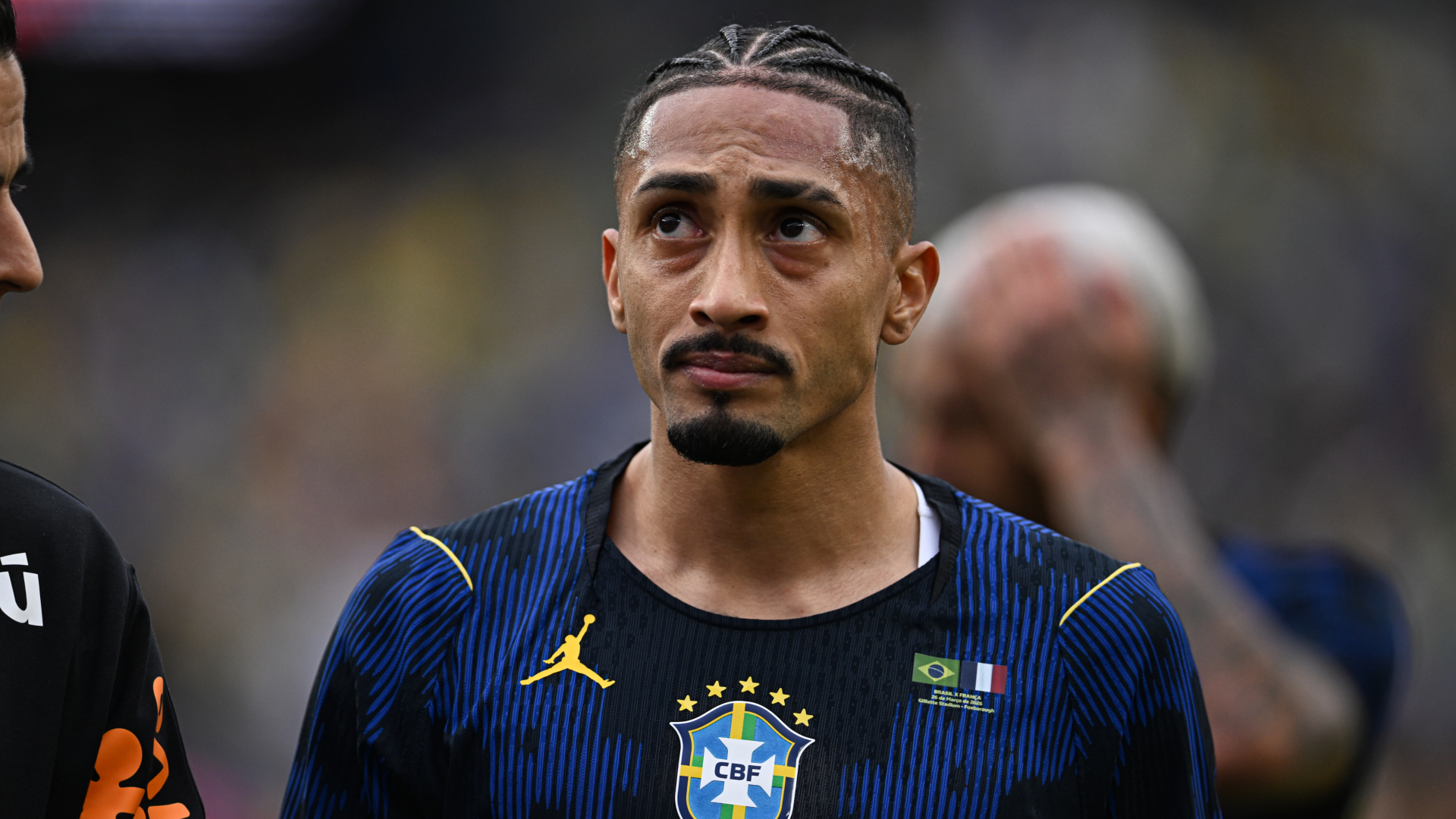
Raphinha’s record start is not merely a feat of individual brilliance; it is the result of a strategic pivot necessitated by the transfer market. During the summer window, Barcelona aggressively pursued Atlético de Madrid’s Julián Álvarez to bolster their attacking options. However, after Atlético de Madrid refused to facilitate a move, head coach Hansi Flick was forced to rethink the team’s offensive structure.
Instead of searching for a new signing, Flick opted for a Barcelona tactical shift, repurposing Raphinha from the flank to the center. This move has fundamentally altered the team’s attacking dynamics. Raphinha now accounts for approximately 40% of Barcelona’s total goals this season. The team has scored a staggering 36 goals in eight matches, demonstrating an offensive potency that has left domestic and European rivals struggling to keep pace.
This shift has also relieved significant pressure on established forwards like Robert Lewandowski and Ferran Torres. By utilizing Raphinha in a more central, fluid role, Flick has created a multi-dimensional attack that is difficult to defend. The synergy between Raphinha and young star Lamine Yamal has become a cornerstone of this new-look Barcelona, making the squad appear nearly unstoppable in the early stages of the campaign.
The Tactical Evolution: From Winger to “Number 9”
To understand the depth of this transformation, one must look at the specific instructions provided by Hansi Flick. Raphinha himself noted the unexpected nature of the change, telling Rac1 that he had not specifically trained as a “9” in previous sessions. He explained that during matches, the coach would instruct him to start in the center before eventually moving to the wing to maintain width.
This hybrid role—part winger, part central striker—allows Raphinha to exploit spaces that traditional center-forwards might miss. He possesses the dribbling ability of a winger combined with the clinical finishing required of a striker. This versatility has made him the perfect candidate for Flick’s high-intensity, attacking system.
Comparing the Greats: A Statistical Breakdown
Raphinha’s numbers are not just impressive for Barcelona; they are elite by global standards. His current scoring average of 1.75 goals per match places him in a tier of performers rarely seen in modern football.
| Statistic | Raphinha (2026/27) | Historical Context / Comparison |
|---|---|---|
| Total Goals (8 Matches) | 14 | Surpasses César Rodríguez (13) |
| La Liga Goals | 9 (in 6 matches) | Matches Messi’s 2017/18 feat |
| Goals Per Match | 1.75 | Higher than Haaland/Mbappé/Kane averages |
| Champions League Goals | 21 (Total) | Top 5 all-time for FC Barcelona |
| Team Goal Contribution | ~40% | Primary offensive engine |
The Champions League Milestone
Beyond domestic success, Raphinha has also cemented his legacy in European competition. With 21 total goals scored for Barcelona in the UEFA Champions League, he has ascended into the club’s top five all-time leading scorers for the tournament. He currently sits behind Lionel Messi (126), Luis Suárez (25), Rivaldo (25), and Robert Lewandowski (23).
His recent MVP performance against Feyenoord underscored his ability to perform on the grandest stage, proving that his domestic form is no fluke. As he continues this campaign, he is mathematically within striking distance of surpassing Suárez and Rivaldo in the club’s historical hierarchy.
Stakeholders and the Ballon d’Or Debate
The rapid ascent of Raphinha has not been without friction. Despite his historic output, the Brazilian was notably absent from the 30-man shortlist for the upcoming Ballon d’Or. This omission has sparked debate among fans, players, and analysts.
Raphinha has expressed significant dissatisfaction with the decision, with reports suggesting he views the exclusion as “unfair.” This sentiment is echoed by teammates; Lamine Yamal recently commented on the criteria used for such accolades, stating, “People prioritise factors that have nothing to do with it.”
For the club, the situation is a complex mix of pride and frustration. While the board, led by Joan Laporta, celebrates the team’s dominance, the lack of individual recognition for their captain highlights a disconnect between statistical dominance and the traditional voting metrics of football’s highest honors.
What It Means for the La Liga Title Race
For fans and competitors in La Liga, Raphinha’s form has immediate implications. Barcelona currently sits at the top of the table, holding a three-point cushion over Real Madrid. The team’s ability to score in bunches—recording at least five goals in five of their seven matches—creates a psychological advantage that is difficult to overcome.
If you are a supporter of a mid-table or lower-tier La Liga club, the prospect of facing this Barcelona side is daunting. The sheer volume of goals scored (33 in the first seven matches) suggests that defensive setups must be near-perfect to avoid heavy defeats. For Real Madrid and Atlético Madrid, the primary objective is to find a way to neutralize the Raphinha-Yamal connection, which has become the most potent attacking duo in the league.
Risks and Counterpoints: Can the Momentum Last?
While the statistics are glowing, several factors suggest that Barcelona’s dominance may face challenges. The most immediate concern is the team’s defensive stability, particularly in the goalkeeping department.
During the 7-2 victory over Racing Santander, Barcelona’s starting goalkeeper, Joan Garcia, had to be substituted at halftime due to a suspected injury. His replacement, Wojciech Szczesny, made a significant error shortly after entering the pitch, allowing Racing Santander to score. This vulnerability suggests that while the attack is record-breaking, the defensive foundation may be fragile.
Furthermore, there are questions regarding the sustainability of Raphinha’s role. He is not a natural “9,” and the high physical demand of playing a central role in Hansi Flick’s high-pressing system could lead to fatigue or injury. Critics also point out that the team’s success is currently heavily reliant on one player’s outlier performance. If Raphinha experiences a dip in form, it remains to be seen whether the squad possesses the depth to maintain this level of dominance.
What Happens Next
As the 2026/27 season progresses, several key milestones will determine if Raphinha’s start is a lasting legacy or a fleeting burst of form.
| Domestic Consistency: The ability to manage a demanding schedule without a drop in scoring efficiency will test both Raphinha’s fitness and Flick’s squad rotation strategies.
Frequently Asked Questions
How many goals has Raphinha scored this season?
As of September 20, 2026, Raphinha has scored 14 goals in his first eight matches of the 2026/27 season. This includes hat-tricks against both Sevilla and Racing de Santander. His scoring rate currently stands at 1.75 goals per match, making him one of the most efficient forwards in the world.
Who held the Barcelona record before Raphinha?
The previous record for the most goals scored in the opening eight matches of a season was 13 goals, held by the club legend César Rodríguez. Raphinha’s achievement of 14 goals has officially surpassed this long-standing benchmark.
Why is Raphinha playing as a center-forward instead of a winger?
Raphinha’s move to the center is a tactical decision by manager Hansi Flick. This shift occurred after Barcelona failed to sign Julián Álvarez from Atlético de Madrid. Flick transitioned Raphinha into a “false nine” or “number 9” role to maximize his scoring potential and provide a more central attacking threat.
Is Raphinha’s performance considered consistent?
Yes, Raphinha has shown remarkable consistency, finding the back of the net in six of Barcelona’s seven matches played in La Liga this season. His only match without a goal was against Levante, where he instead provided two assists, demonstrating his overall contribution to the team’s offensive output.
Raphinha’s record start has transformed him from a reliable winger into a historic goalscoring phenomenon. While questions remain regarding defensive stability and the sustainability of his role, his impact on Barcelona’s current success is undeniable. As the season moves into its most demanding phase, the footballing world will be watching to see if this Brazilian forward can continue to defy historical precedent.”,
“imagegenerationprompt”: “An editorial news-style photograph of Raphinha celebrating a goal at the Sánchez Pizjuán stadium. He is captured mid-stride, arms wide, with a look of intense joy. The background shows the blurred, brightly lit stands of the stadium and the green pitch under professional stadium floodlights
References
Featured image: Image via beIN SPORTS