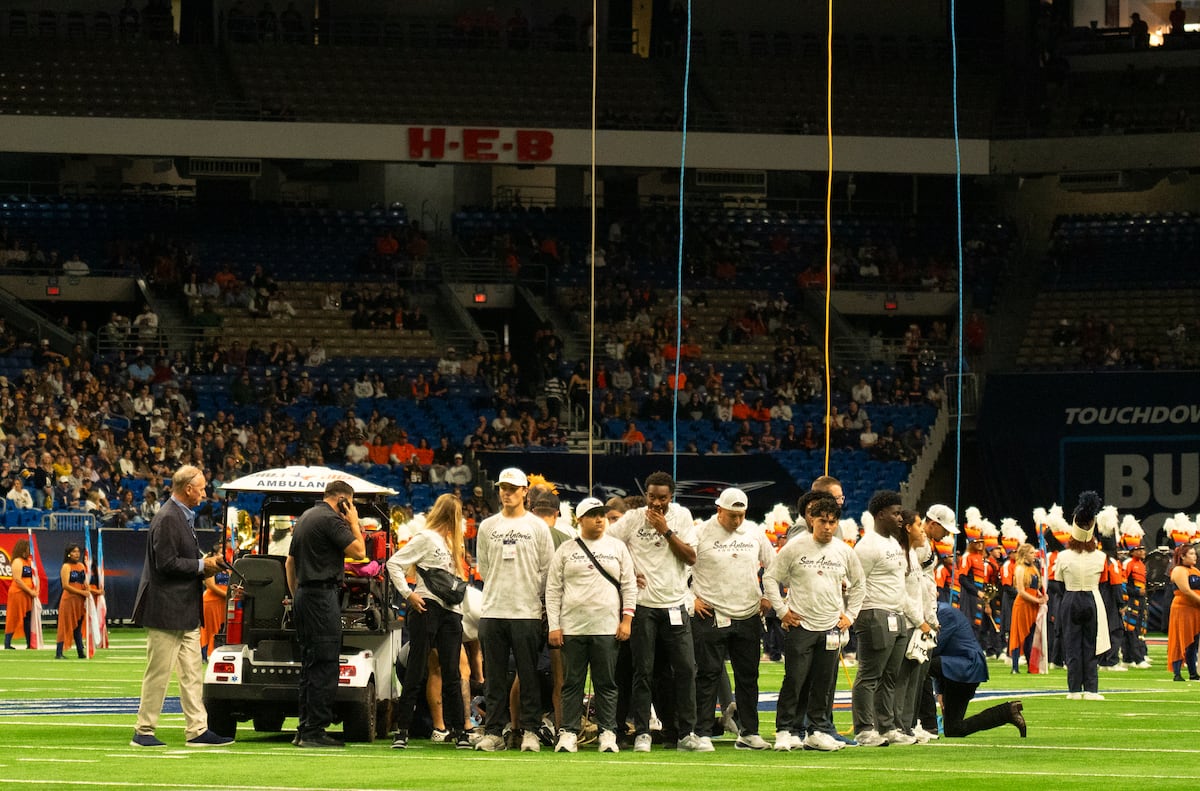
An Airman rappelling accident during a pre-game demonstration at the Alamodome on Saturday, October 17, 2026, has resulted in the tragic death of Tech Sgt Ian patterson. The incident occurred during the University of Texas at San Antonio (UTSA) annual “Salute to Armed Forces & Veterans” football game, a high-profile event featuring the U.S. Naval Academy.
Key Takeaways
- Fatal Incident: Tech Sgt Ian Patterson, a highly decorated 15-year Air force veteran, died after falling from the stadium rafters during a rappelling demonstration.
- Location and Context: The accident took place at the Alamodome in San Antonio, Texas, during a pre-game ceremony honoring military service members.
- Service Profile: Patterson was a Tactical Air Control Party (TACP) instructor and the 2022 Air Force Special Warfare Enlisted Instructor of the Year.
- Ongoing Investigation: Authorities are currently investigating the cause of the fall, which occurred from a height of approximately 170 feet.
- Game Decision: A multi-agency working group decided to continue the football game to protect the privacy of the family and prevent public speculation during the notification process.
- Equipment Integrity: Whether the ropes, harnesses, or descent devices experienced mechanical failure.
- Attachment Points: The stability and security of the anchor points within the stadium’s architectural structure.
- Procedural Compliance: Whether the demonstration adhered to the rigorous safety standards required for non-combat, public-facing operations.
- Environmental Factors: Any impact from stadium lighting, wind currents within the dome, or other atmospheric conditions.
- Why was a 170-foot descent utilized? While TACP training involves 100-foot drops, the decision to use the much higher stadium rafters for a demonstration remains a point of inquiry.
- Was the equipment inspected on-site? It is unclear if the rappelling gear underwent a specific inspection by stadium safety officials prior to the demonstration.
- What was the specific failure point? Was the accident a result of human error, equipment malfunction, or a combination of both?
- The release of the official investigative report from the Air Force.
- Updated safety guidelines from the American Athletic Conference regarding military demonstrations.
- Statements from the 57th Wing regarding support for the Patterson family.
- www.militarytimes.com
- www.theguardian.com
What Happened
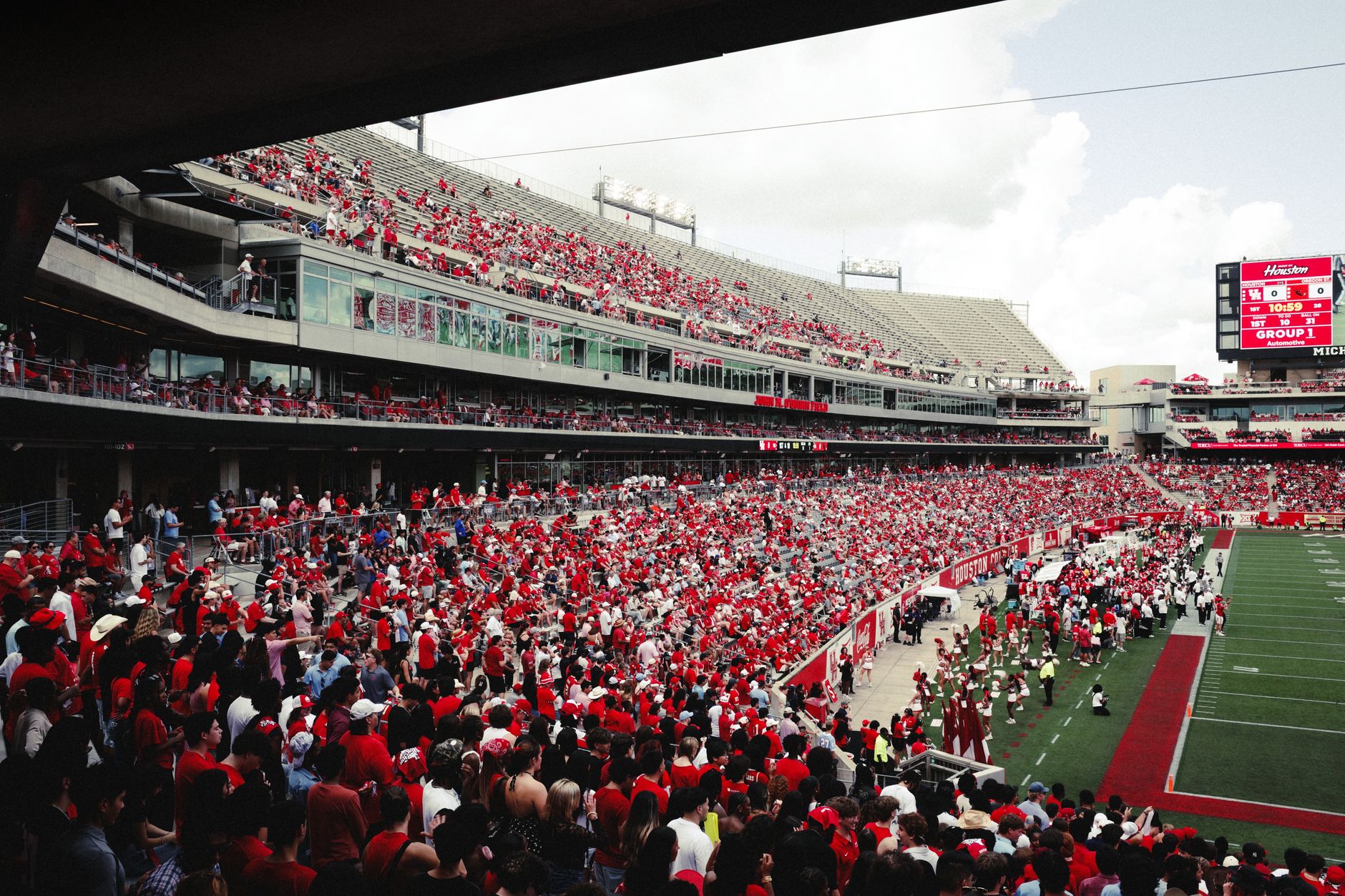
On the afternoon of Saturday, October 17, 2026, the Alamodome was filled with more than 23,000 spectators gathered for the UTSA vs. Navy football game. As part of the “Salute to Armed Forces & Veterans” festivities, a team of four military specialists was scheduled to perform a rappelling demonstration from the stadium’s rafters to the field.
According to reports and spectator video footage, Tech Sgt Ian Patterson, dressed in combat fatigues, was descending toward midfield when he fell from the equipment. The fall was described as being at “full speed, feet first” from a height of roughly 170 feet. Patterson struck the field in front of assembled fans and the marching band.
Medical personnel responded immediately, treating Patterson on the field for several minutes before he was transported via gurney to a local hospital. While the exact cause of the equipment or procedural failure remains unknown, the U.S. Air Force confirmed that an investigation into the accident was underway immediately following the incident. On Sunday, October 18, 2026, Nellis Air Force Base confirmed that Patterson had passed away at the hospital.
Why It Matters
The death of Tech Sgt Patterson is not only a profound loss to the Air Force but also a significant event for the San Antonio military community and the broader tactical training community. As a Tactical Air Control Party (TACP) instructor, Patterson was responsible for training the next generation of specialists who embed with Army and Marine units to direct critical air and artillery strikes from forward ground locations.
The incident also raises urgent questions regarding the safety protocols of high-altitude military demonstrations in civilian sporting venues. While these demonstrations are designed to inspire and honor service members, the transition from a controlled training environment to a public stadium introduces unique variables in equipment management and spectator-adjacent safety.
The Life and Legacy of Tech Sgt Ian Patterson
Tech Sgt Ian Patterson was a seasoned professional with 15 years of dedicated service in the United States Air Force. Originally from Fort Stewart, Georgia, he was assigned to the 6th Combat Training Squadron, Detachment 2, based at Joint Base San Antonio (JBSA), Texas. Although his detachment is located in San Antonio, his unit is primarily associated with Nellis Air Force Base in Nevada.
Patterson’s career was marked by exceptional technical proficiency and leadership. In 2022, he was recognized at the Headquarters Air Force level as the Air Force Special Warfare Enlisted Instructor of the Year. This distinction places him among the most elite instructors in the service, specifically in the high-stakes field of special warfare.
His military decorations reflect a career of consistent excellence and bravery. According to the Air Force, his achievements include:
| Award | Decorations/Clusters |
|---|---|
| Air and Space Commendation Medal | Three oak leaf clusters |
| Army Commendation Medal | One oak leaf cluster |
| Air and Space Achievement Medal | One oak leaf cluster |
| Army Achievement Medal | One oak leaf cluster |
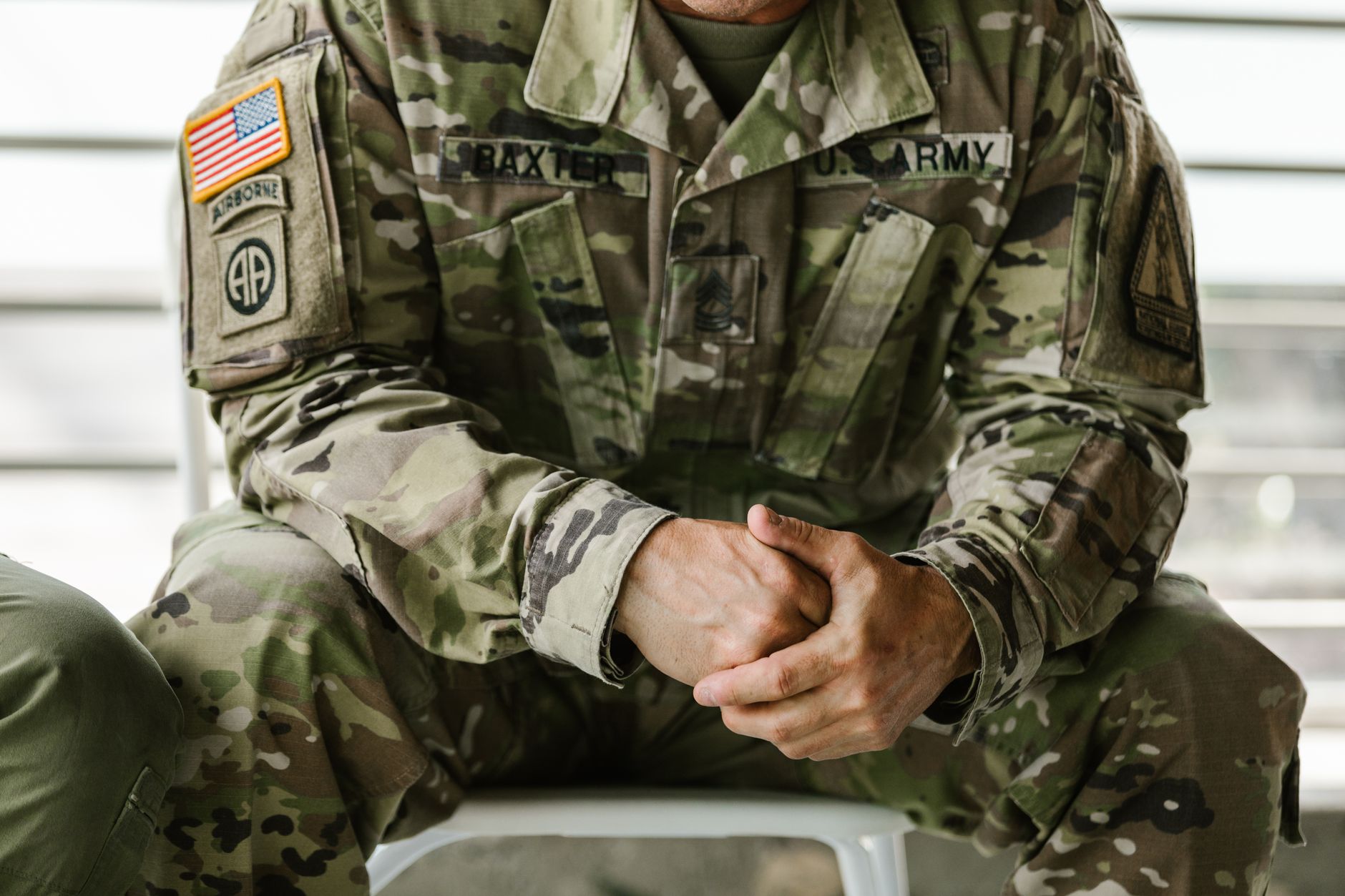
Brig. Gen. Scott C. Mills, commander of the Air Force’s 57th Wing, emphasized the depth of the loss in an official statement on Sunday. “Tech Sgt Patterson and his service mattered immensely to our wing, and to the family, friends, and teammates who had the privilege of knowing and serving alongside him,” Mills said.
Technical Details of the Alamodome Incident
The rappelling demonstration involved four service members from Detachment 2 of the 6th Combat Training Squadron. These specialists are trained to perform rapid rope descents, often from heights exceeding 100 feet, including drops from helicopters during combat operations.
The fall at the Alamodome was significantly more dangerous due to the height of the stadium rafters, which sit approximately 170 feet above the playing surface. The descent was intended to be a controlled demonstration of the skills these airmen use when embedding with ground forces in combat zones.
Investigators are currently focusing on several critical areas:
Crisis Management: The Decision to Continue the Game
Following the accident, the Alamodome became the site of a complex multi-agency crisis management operation. A working group was immediately convened to determine how to proceed with the scheduled football game between UTSA and the U.1. Naval Academy. This group included representatives from UTSA, the U.S. Navy, Alamodome management, local authorities, and Tim Pernetti, the Commissioner of the American Athletic Conference (AAC).
The group faced a difficult decision: cancel the game or continue as planned. After a 10-minute delay, the decision was made to proceed with the game. The AAC stated that this choice was made to “mitigate speculation about [Patterson’s] medical status” and to avoid creating “additional distress” for the family.
This decision was heavily influenced by the military’s strict protocols regarding the notification of next-of-kin. The military must ensure that a service member’s family is notified in person by a casualty notification officer before any public confirmation of death is released. By continuing the game, officials aimed to maintain a period of privacy that would allow the military to complete this sensitive process without the interference of social media rumors or real-time news updates.
What It Means for Event Safety and Military Protocol
For event organizers and stadium management, this incident serves as a sobering reminder of the risks inherent in high-altitude demonstrations. While the “Salute to Armed Forces & Veterans” is a cherished tradition, the intersection of military precision and public spectacle requires extraordinary oversight.
For Event Coordinators: Expect increased scrutiny and more rigorous requirements for third-party safety audits when planning aerial or rappelling demonstrations. The liability and emotional stakes of such events are exceptionally high.
For Military Families: The incident highlights the importance of the military’s notification protocols. While these processes can feel slow or opaque to the public, they are designed to provide dignity and privacy to the families of the fallen during their most vulnerable moments.
For Fans and Spectators: The experience of the UTSA crowd serves as a case study in the emotional impact of sudden tragedy at public events. UTSA coach Jeff Traylor noted that the energy in the stadium evaporated instantly, illustrating how a single moment can shift the atmosphere of a massive gathering from celebration to mourning.
Counterpoints and Open Questions
While the decision to continue the game was framed as a way to protect the family’s privacy, it has not been without debate. Some observers have questioned whether continuing a celebratory sporting event in the immediate aftermath of a fatal accident is appropriate, or if it risks trivializing the tragedy for the spectators involved.
Furthermore, several critical questions remain unanswered:
What Happens Next
The immediate focus for the U.S. Air Force is the formal investigation into the cause of the fall. The results of this investigation will likely be used to update training manuals and safety protocols for all future military demonstrations.
In the coming weeks, the military community will likely prepare for formal honors for Tech Sgt Patterson. Given his highly decorated status and his role as an instructor, his memorial services and honors are expected to be significant, reflecting the respect he earned throughout his 15-year career.
Stakeholders should watch for:
Frequently Asked Questions
Why was the UTSA vs. Navy game not canceled after the accident?
The American Athletic Conference and a working group of officials (including the Navy and Alamodome management) decided to continue the game to prevent public speculation regarding Tech Sgt Patterson’s medical condition. They also wanted to respect the military’s formal next-of-kin notification process, ensuring the family was notified privately before the news became widespread.
Who was Tech Sgt Ian Patterson?
Tech Sgt Ian Patterson was a highly decorated member of the U.S. Air Force with 15 years of service. He was a Tactical Air Control Party (TACP) instructor assigned to the 6th Combat Training Squadron at Joint Base San Antonio. In 2022, he was named the Air Force Special Warfare Enlisted Instructor of the Year.
How high was the fall at the Alamodome?
The fall occurred from the stadium’s rafters, which are approximately 170 feet above the field. This is significantly higher than the standard 100-foot training heights typically used by the specialists involved in the demonstration.
What is a Tactical Air Control Party (TACP)?
TACP members are specialized Air Force personnel who work alongside Army and Marine Corps units. Their primary role is to provide precision air support, directing air and artillery strikes from forward positions on the ground to ensure accuracy and coordination in combat environments.
Closing
The death of Tech Sgt Ian Patterson is a profound tragedy that has left the San Antonio community and the U.S. Air Force in mourning. As investigations continue to uncover the technical causes of the accident, the focus remains on honoring the service of a man who dedicated 15 years to the protection and training of his fellow service members.
References
Featured image: Image via Military Times