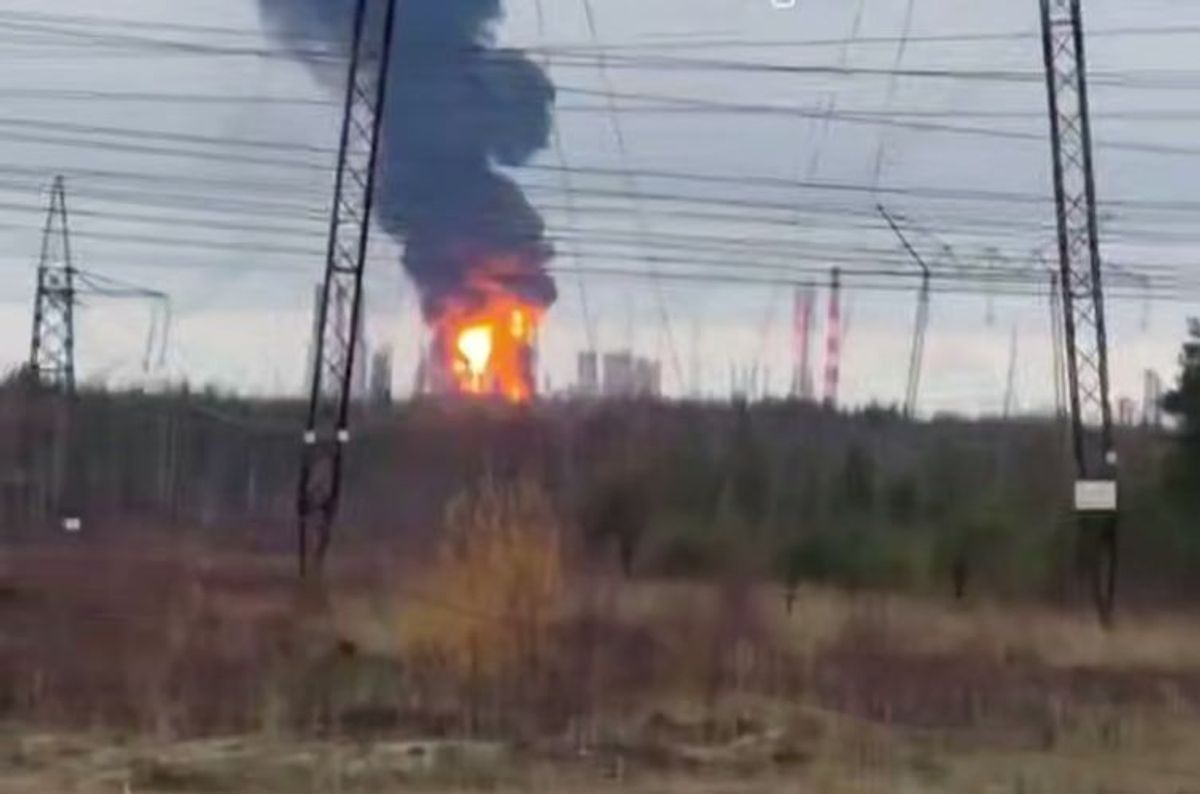
ukrainian drone attacks have struck a major e-commerce logistics hub in Russia’s Adygea republic and a critical industrial facility in the remote Surgut district, signaling a widening scope of strikes against russian economic and military infrastructure.
Key Takeaways
Logistics Disruption: A drone strike on an Ozon distribution center in Adygeysk caused significant fire damage and forced the evacuation of 1,500 workers.
Deep-Strike Capability: Ukrainian forces reportedly targeted a condensate stabilization plant in Surgut, over 2,400 kilometers from the Ukrainian border.
Geopolitical Friction: The strikes come amid tension between Kyiv and Washington following U.S. President Donald Trump’s recent “energy ceasefire” announcement.
EU Aid Demands: At a summit in Brussels, President Volodymyr Zelensky requested 300 Patriot interceptors and 70 billion euros to address a massive budget shortfall.
Energy Crisis: Ukraine is entering its heating season under “extreme conditions” following massive Russian ballistic missile strikes on October 13-14.
The Escalation of Drone Warfare
On Wednesday, regional officials and the e-commerce giant Ozon confirmed that an overnight drone assault triggered a major fire at a primary distribution center in the North Caucasus republic of Adygea. The facility, located in the town of Adygeysk, serves as a vital logistics artery for southern Russia.
According to a statement from Ozon, the company “promptly evacuated all workers” from the site, and no injuries have been reported. However, the physical damage appears substantial; social media footage circulating after the attack showed the distribution center’s roof partially collapsed and engulfed in flames. The facility, which opened in late 2023, is a significant employer, providing jobs for more than 1,500 people.
In response to the strike, Ozon announced it has canceled pending deliveries from the Adygeysk hub, removed damaged goods from its online listings, and begun rerouting incoming shipments to alternative warehouses across the region. This attack is not an isolated incident; the company noted that its warehouses, along with those of its primary competitor Wildberries, have been subject to dozens of similar strikes since the summer.
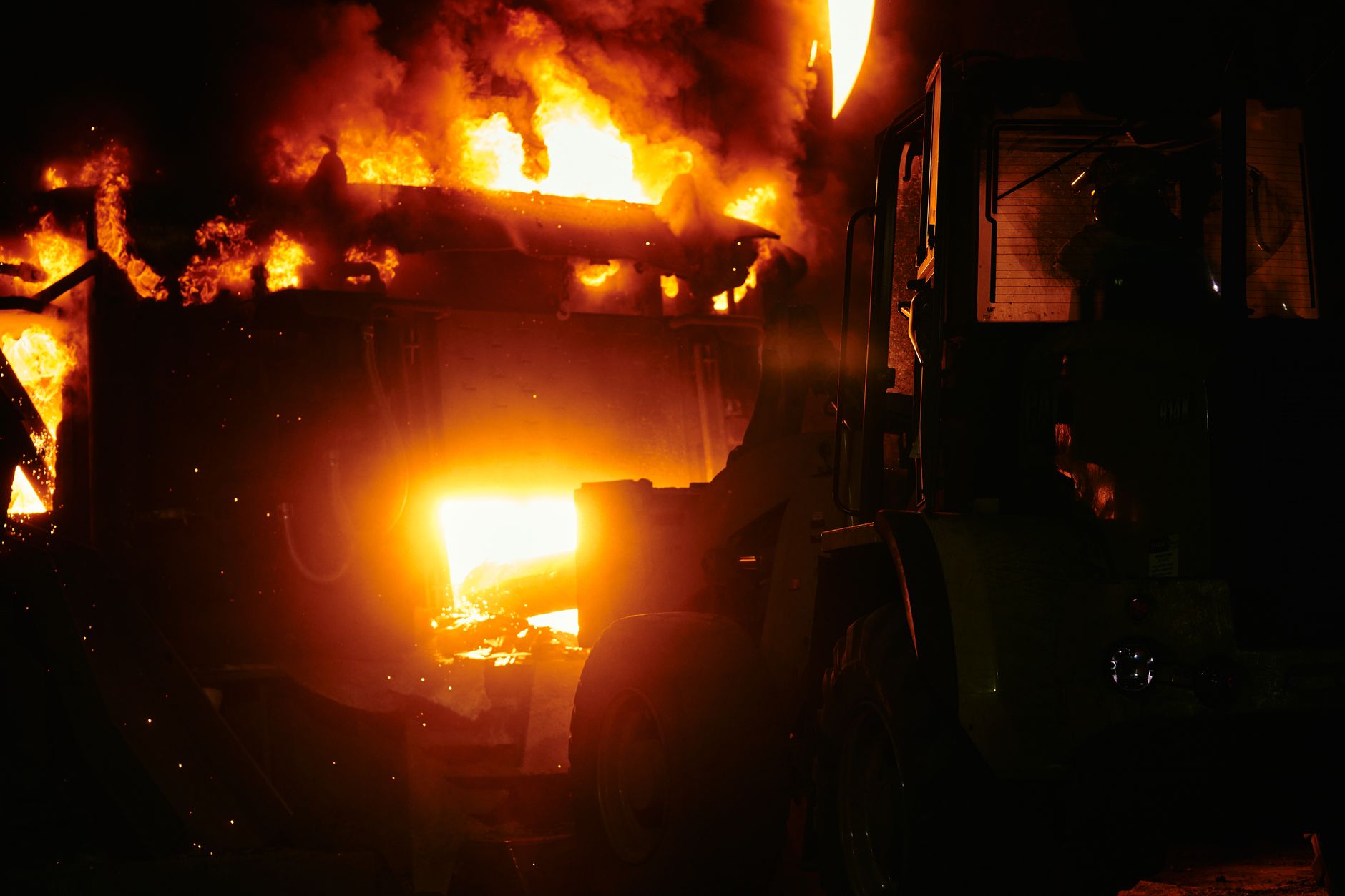
Beyond the Caucasus, the scope of the conflict has reached even deeper into Russian territory. The Kyiv Independent reported on October 16, 2026, that a drone attack caused a fire at an industrial facility in Russia’s Surgut district, located in the Khanty-Mansi Autonomous District. While Governor Ruslan Kukharuk confirmed the fire, he did not specify the facility’s identity. However, Ukrainian activist Serhii Sternenko identified the target as the Surgut Condensate Stabilization Plant, a facility capable of processing 12 million metric tons of raw materials annually to produce motor and aviation fuel.
If Sternenko’s identification is accurate, the strike represents a significant reach for Ukrainian unmanned systems, hitting a target more than 2,400 kilometers from the Ukrainian border. While The Kyiv Independent has not independently verified the plant’s identity, the strategic implication of targeting such a high-capacity fuel production site is immense.
Why It Matters: The Strategy of Economic Attrition
The targeting of Ozon’s logistics hubs and Surgut’s energy processing plants suggests a deliberate shift in Ukrainian strategy toward economic attrition. By striking the infrastructure that supports Russian retail and energy exports, Kyiv aims to increase the domestic cost of the war for the Kremlin.
Comparative Impact of Recent Strikes
| Target Location | Type of Facility | Reported Impact | Primary Source |
|---|---|---|---|
| Adygeysk, Adygea | Ozon Distribution Center | Fire, roof collapse, rerouted shipments | Ozon / Regional Officials |
| Surgut District | Condensate Stabilization Plant (Claimed) | Fire at fuel processing facility | Kyiv Independent / Serhii Sternenko |
| Magri, Krasnodar Krai | Nebo-U Radar Station | Destruction of $100m radar system | Ukrainian General Staff |
| Borisoglebsk, Voronezh | Military Airfield | 4 Su-34M jets destroyed, 2 damaged | President Zelensky |
This economic pressure is occurring against a backdrop of intense geopolitical maneuvering. On October 11, 2026, U.S. President Donald Trump announced an “energy ceasefire,” an agreement that Ukrainian officials claim they were not consulted on. Trump has attributed rising global fuel prices to Ukrainian strikes on Russian refineries and has reportedly signaled that intelligence and weapons support could be reduced if Kyiv continues to target Russian energy assets.
In a direct response to these pressures and continued Russian aggression, President Volodymyr Zelensky announced on October 15 that Ukraine had lifted its self-imposed pause on strikes against Russian refineries. “The block is out. We’re done,” Zelensky stated, signaling that Kyiv will prioritize its own energy security and the degradation of Russian war capabilities over international pressure to maintain an “energy ceasefire.”
Military Operations and Air Defense
The drone attacks on logistics and energy are being paired with precision strikes on Russia’s military command and control systems. On the night of October 16, the Ukrainian General Staff reported the successful destruction of a Nebo-U radar near Magri, in Krasnodar Krai.
The Nebo-U is a sophisticated, long-range, three-coordinate system designed to track aircraft, cruise missiles, and ballistic missiles. The General Staff estimated the cost of the radar station at approximately US $100 million. The destruction of such a high-value asset significantly impairs Russia’s ability to monitor its airspace, potentially creating windows of opportunity for future Ukrainian strikes.
This follows a strike on October 15, where Neptune coastal missile systems were used against the Borisoglebsk military airfield in the Voronezh region. President Zelensky reported that the attack successfully hit six Su-34M bomber jets, resulting in the destruction of four and damage to two others. These operations demonstrate that while drones are being used for economic disruption, high-end missile systems remain the primary tool for neutralizing Russian air superiority.
The EU Summit: A Fight for Survival
While the battlefield evolves, the diplomatic battle is being fought in Brussels. At an EU summit on October 16, President Zelensky presented a high-stakes demand to European leaders, framing the request as essential for Ukraine’s survival through the coming winter and into 2027.
Zelensky’s demands are three-fold:
- Advanced Air Defense: The immediate provision of 300 Patriot interceptors to defend against increasingly frequent Russian ballistic missile attacks.
- Financial Stabilization: A commitment of 70 billion euros to cover a projected budget shortfall for 2027, noting that the total cost of the war for Ukraine is expected to reach 155 billion euros next year.
- Asset Operationalization: The use of the €200 billion ($227 billion) in immobilized Russian assets currently held within the EU to fund Ukrainian defense and reconstruction.
- EU Decision on Assets: Watch for upcoming EU summits to see if any consensus emerges regarding the use of frozen Russian funds.
- Ukrainian Energy Resilience: The ability of the Ukrainian grid to withstand further Russian missile strikes while managing the heating season will be a critical test of national resilience.
- U.S. Policy Shifts: Any changes in U.S. intelligence sharing or military aid packages following the “energy ceasefire” announcements will be a key signal of the administration’s stance.
- The Oleshky Evacuation: Whether a humanitarian corridor can be established in Oleshky will be a major indicator of the potential for localized de-escalation.
These requests have met with significant political hesitation. Belgian Prime Minister Bart De Wever expressed reluctance to operationalize frozen assets, noting that such a move typically requires EU unanimity and is often reserved for the conclusion of a peace deal. “Nobody could ever dream of operationalizing those immobilized assets without unanimity here around the table,” De Wever remarked.
Furthermore, some European nations have voiced concerns about the domestic implications of large-scale military aid. There are fears that depleting missile stocks could leave neighbors vulnerable or signal a lack of resolve. For instance, Greece has expressed concerns regarding the potential impact on its own defense capabilities in relation to Turkey.
The Humanitarian and Energy Crisis in Ukraine
As Ukraine seeks more aid, the reality on the ground for its citizens is becoming increasingly dire. The country is entering the centralized heating season amidst a massive energy crisis. Following a massive Russian ballistic missile and drone attack on October 13-14—which involved 39 ballistic missiles and over 120 drones—critical energy infrastructure was severely damaged.
In Kyiv, Mayor Vitali Klitschko announced the start of the heating season, but the rollout is uneven. While schools and hospitals are being prioritized, the Dniprovskyi and Darnytskyi districts will remain without heating due to significant damage to local power facilities. The attacks left approximately 600,000 people without power, and emergency blackouts are also affecting the Kyiv Oblast (including the Buchanan, Obukhiv, and Fastiv districts) and the city of Lutsk in Western Ukraine.

Simultaneously, a humanitarian crisis is unfolding in the Russian-occupied city of Oleshky in the Kherson Oblast. Pope Leo, currently recovering from lung cancer surgery in Rome, held a phone call with Vladimir Putin on October 16 to urge a local ceasefire. The goal is to facilitate the delivery of food and medicine and the evacuation of approximately 2,000 trapped civilians.
While the Ukrainian Ombudsman, Dmytro Lubinets, stated that Ukraine and the International Committee of the Red Cross (ICRC) are prepared for an evacuation mission, Russia has not confirmed its willingness to cooperate. In a move typical of the ongoing information war, Russian state news agency TASS reported that Putin blamed the Ukrainian government for the humanitarian situation in the city.
What It Means for You
For Global Investors and Consumers
If you are involved in global energy markets or retail logistics, expect continued volatility. The targeting of Russian refineries and condensate plants by Ukrainian drones directly impacts global fuel supplies. While the U.S. administration has attempted to stabilize markets through deals like the one announced on October 9 for Russian diesel, the lifting of the Ukrainian strike pause suggests that supply disruptions may remain a recurring feature of the geopolitical landscape.
For Residents in Ukraine
If you are living in Ukraine, particularly in the Kyiv or Lutsk regions, expect prolonged periods of energy instability. The combination of damaged infrastructure and the onset of winter means that heating and electricity will be intermittent. Preparation for extended blackouts and the availability of heating supplies should be a priority.
For Policy Makers and Voters in the EU
If you are a voter in an EU member state, the debate over frozen Russian assets and the allocation of billions in military aid will likely dominate upcoming political cycles. The tension between providing immediate military support and maintaining long-term financial stability is a central conflict within the European Union.
Counterpoints and Open Questions
The current escalation brings several critical questions to the forefront:
The Accuracy of Intelligence: While Ukrainian officials and activists like Serhii Sternenko have identified specific targets like the Surgut plant, these claims have not been independently verified by international news agencies. The actual economic impact of these strikes remains difficult to quantify precisely.
The Trump Factor: To what extent will the U.S. administration follow through on threats to reduce support if Ukraine continues its strikes on Russian energy? The tension between Kyiv’s military necessity and Washington’s diplomatic goals is a major unknown.
The Asset Precedent: If the EU moves to operationalize frozen Russian assets, what are the long-term consequences for the stability of the international financial system? Critics argue this could set a precedent that discourages foreign investment in Western banks.
What Happens Next
As the winter progresses, several catalysts will determine the direction of the conflict:
Frequently Asked Questions
What was the impact of the drone attack on the Ozon warehouse?
The attack in Adygeysk, Adygea, caused a significant fire and partially collapsed the roof of an Ozon distribution center. While Ozon reported that all 1,500 employees were successfully evacuated and no injuries occurred, the facility’s operations have been disrupted, leading to canceled deliveries and the rerouting of shipments to other regional hubs.
Why is Ukraine targeting Russian energy and logistics infrastructure?
Ukraine’s strategy involves targeting the economic foundations of the Russian war effort. By striking refineries, fuel processing plants (like the one in Surgut), and logistics hubs (like Ozon), Kyiv aims to increase the financial burden on the Russian state and disrupt the movement of goods and resources necessary for military operations.
What is the “energy ceasefire” mentioned by U.S. officials?
Announced by U.S. President Donald Trump on October 11, 2026, the “energy ceasefire” was an attempt to mitigate rising global fuel prices by encouraging Ukraine to pause its strikes on Russian energy infrastructure. However, President Zelensky has since lifted this pause, citing continued Russian attacks on Ukraine’s own energy grid.
How is the energy situation in Ukraine affecting civilians?
Following massive Russian missile and drone strikes in mid-October, much of Ukraine is facing an energy crisis
References
Featured image: Image via The Kyiv Independent