
The growing concern regarding energy drink cardiac risk has been underscored by new, preliminary research presented at the American Heart Association’s (AHA) Scientific Sessions 2026, which identifies a significant statistical link between caffeinated stimulant products and serious cardiovascular events.
Key Takeaways
- Significant Risk Signal: Cardiac arrest was reported approximately 11 times more frequently in connection with caffeine and stimulant-containing products compared to non-stimulant products.
- Heart Attack Correlation: Reports involving energy drinks and stimulant supplements were roughly 4.5 times more likely to involve heart attacks.
- Young Adult Vulnerability: Approximately 45% of all cardiovascular-related reports linked to these products involved adults between the ages of 18 and 34.
- Regulatory Gap: Unlike medications, these products are regulated as foods or dietary supplements, meaning they do not undergo rigorous pre-market safety testing.
- Preliminary Findings: The study is based on voluntary FDA safety reports and has not yet undergone formal peer review.
- Consumption Patterns: Are young adults consuming higher volumes or more concentrated doses than older populations?
- Lifestyle Interactions: Are these products being mixed with alcohol, other drugs, or consumed during periods of extreme sleep deprivation?
- Undiagnosed Conditions: Could the stimulants be acting as a catalyst that reveals previously undiagnosed underlying heart conditions in young, healthy individuals?
- www.medicaldaily.com
- newsroom.heart.org
What Happened
On November 2, 2026, researchers announced the findings of a massive analysis of FDA safety database reports, highlighting a disproportionate number of adverse cardiovascular events linked to stimulant-heavy products. The study, led by Sai Samayamanthula, a fourth-year medical student at the University of Virginia (UVA) School of Medicine, analyzed data spanning an eight-year period from 2017 to 2025.
According to the research, which is scheduled for formal presentation at the American Heart Association’s Scientific Sessions in Chicago from November 6–9, 2026, the researchers examined a total of 28,345 voluntary adverse-event reports submitted to the Food and Drug Administration (FDA). Of these, 854 reports were specifically tied to products containing caffeine or other stimulants, such as energy drinks and dietary supplements. These were compared against 27,491 reports involving products without these stimulants, such as soft drinks, protein bars, and vitamins.

While the findings suggest a strong association, the researchers emphasized that the study identifies a “signal” rather than definitive proof of causation. Because the FDA database relies on voluntary reports from consumers, doctors, and manufacturers, the data represents a collection of reported incidents rather than a controlled clinical trial.
Why It Matters
The implications of this study are significant given the explosive growth of the stimulant market. Sales of caffeinated energy drinks have more than doubled over the last decade, surpassing $20 billion in the United States in 2024 alone. As these products become more deeply integrated into the daily routines of younger demographics, the potential for widespread cardiovascular impact increases.
What makes this particularly concerning is the demographic profile of the reports. The study found that nearly half (45%) of the reports linking stimulant products to cardiovascular events involved adults aged 18 to 34. This is a population typically considered to be at low risk for traditional cardiovascular issues like heart disease or stroke. The concentration of these events in a young, ostensibly healthy population suggests that the high doses of caffeine and other stimulants found in these products may be triggering acute physiological responses.
Analyzing the Energy Drink Cardiac Risk
The research highlights several specific types of cardiovascular distress that appear to be linked to the consumption of these products. The researchers did not group findings by brand, but rather by the types of ingredients present, which included methylxanthines (such as guarana, theobromine, and yerba mate) and sympathomimetics (such as synephrine, yohimbine, and DMAA).
To understand the scale of the reported issues, the following table compares the frequency of specific cardiac events reported with stimulant products versus those reported with non-stimulant products:
| Reported Cardiovascular Event | Relative Increase in Frequency |
|---|---|
| Cardiac Arrest | ~11x more often |
| Heart Attack | ~4.5x more likely |
| Ventricular Arrhythmia/Palpitations | ~4x more likely |
| Elevated Heart Rate | ~3x more often |
| Chest Pain | ~2.71x more often |
| Fainting | ~2x more often |
The Role of Ingredient Concentration
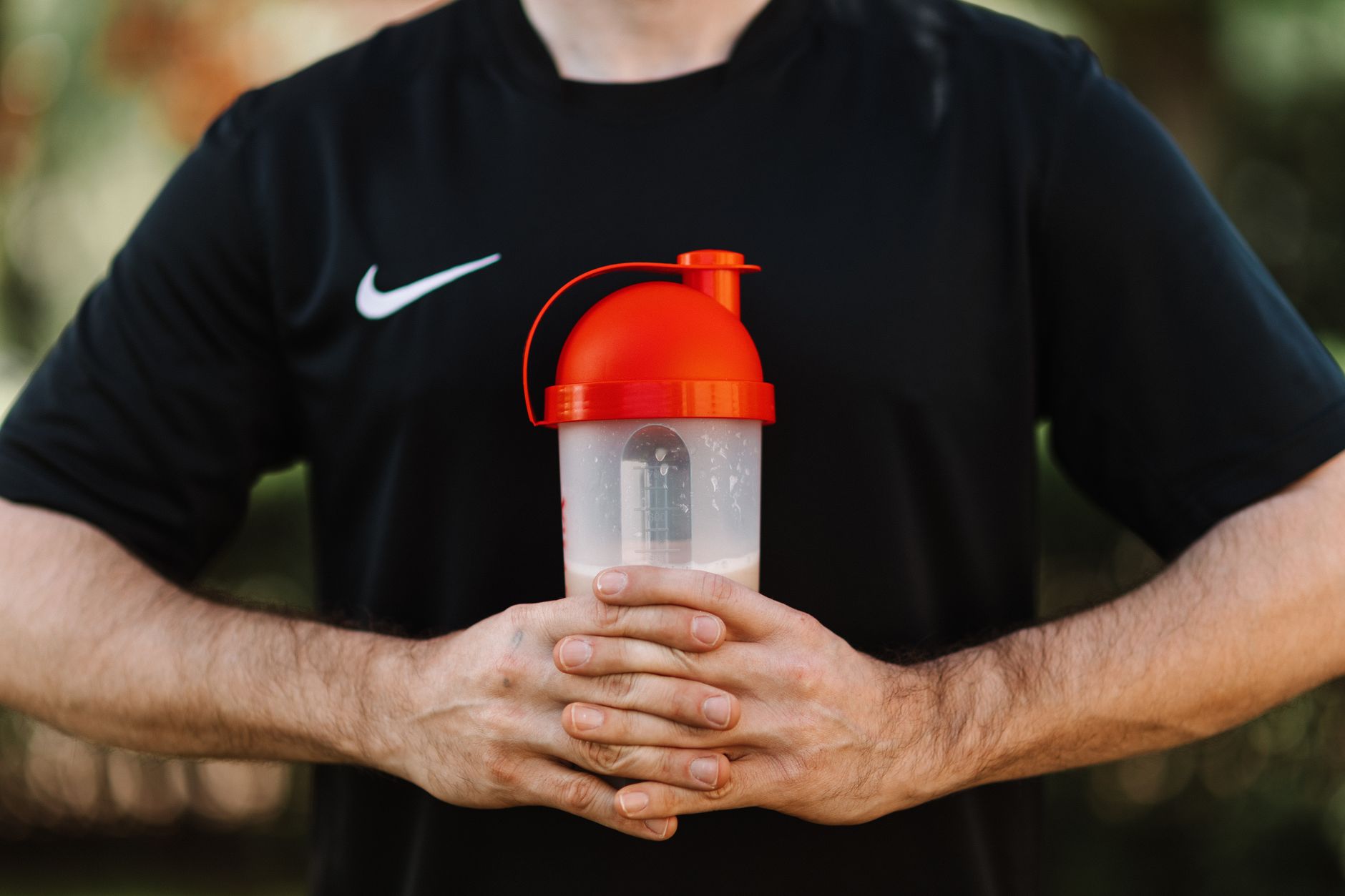
A critical factor in this risk profile is the sheer concentration of caffeine found in modern stimulant products. While the American Heart Association notes that consuming up to 400 mg of caffeine per day—roughly five 8-ounce cups of black coffee—is generally safe for most adults, many energy and pre-workout products far exceed this threshold in a single serving.
According to the research, some energy drinks contain as much as three times the caffeine per fluid ounce as brewed coffee. Even more extreme are certain pre-workout supplements, which can contain more than 12 times the caffeine per fluid ounce compared to standard coffee. For individuals who consume these products regularly, or who combine them with intense physical exertion, the risk of exceeding safe daily limits becomes significantly higher.
The Regulatory Gap: Food vs. Medicine
A central theme in the discussion of energy drink cardiac risk is the regulatory framework governing these products. Unlike pharmaceutical medications, which must undergo rigorous, multi-phase pre-market safety testing to prove they are safe and effective before they can be sold, energy drinks and stimulant supplements are regulated by the FDA as foods or dietary supplements.
This distinction means that the burden of safety often falls on the manufacturers and the post-market surveillance systems. The FDA typically takes action only after a product has already reached the consumer and adverse events have been reported. This “reactive” rather than “proactive” regulatory model is a primary reason why researchers like Dr. Gregory M. Marcus call for more systematic safety monitoring of these products.
Dr. Marcus, a professor of medicine at the University of California, San Francisco (UCSF) and chair of the AHA scientific statement on caffeine and cardiovascular disease, noted that while there are biological reasons why high caffeine could harm the heart, the study does not prove direct causation. “The study does not prove that caffeine products cause these events, because other factors may have influenced the results found in this analysis,” Marcus said in a statement.
What It Means for You
The findings of this study have direct implications for several different groups of people:
For Consumers and Athletes
If you frequently use energy drinks or pre-workout supplements, it is vital to be aware of the total caffeine content. Do not assume that because a product is sold in a grocery store or next to bottled water, it carries no significant physiological risk. Be particularly cautious when consuming these products before intense exercise, as the combination of high stimulants and physical stress may exacerbate heart rhythm issues.
For Healthcare Professionals
Medical providers are encouraged to update their patient screening protocols. Sai Samayamanthula suggested that doctors should specifically ask younger patients—particularly those presenting with palpitations, chest pain, or fainting spells—about their regular consumption of energy drinks or stimulant supplements. Identifying these habits could be key to diagnosing the underlying cause of sudden cardiac symptoms.
For Parents and Guardians
Given that a large portion of the reported adverse events involved the 18–34 age bracket, parents of teenagers and young adults should monitor the consumption of high-stimulant products, especially those marketed for focus or athletic performance.
Counterpoints and Open Questions
Despite the alarming statistics, several scientific caveats remain. The primary counterpoint is the nature of the data itself. Because the reports are voluntary, there is a potential for reporting bias. It is possible that people who experience a severe event are more likely to report it, while those who consume high amounts of caffeine without incident do not report their usage. Conversely, it is unknown how many people experienced cardiac events but never reported them to the FDA.
Furthermore, researchers have not yet fully determined the “why” behind the high frequency of reports among young adults. Several contributing factors are being investigated, including:
What Happens Next
The immediate next step for this research is to move from a preliminary abstract to a full, peer-reviewed manuscript. Once published in a scientific journal, the findings will undergo much more rigorous scrutiny by the broader scientific community.
In the long term, the research serves as a catalyst for two potential shifts: a push for more systematic, mandatory safety monitoring of the dietary supplement industry, and increased public health awareness campaigns regarding the safe limits of caffeine consumption. Watch for upcoming publications from the University of Virginia and the American Heart Association for the finalized, peer-reviewed data.
Frequently Asked Questions
How much caffeine is considered safe for most adults?
According to the American Heart Association, consuming up to 400 mg of caffeine per day is generally considered safe for most healthy adults. This is roughly equivalent to drinking five 8-ounce cups of regular brewed black coffee. However, this limit can be exceeded very quickly when consuming concentrated energy shots or pre-workout supplements.
Does this study prove that energy drinks cause heart attacks?
No. The study identifies a “statistical signal” or an association, meaning that heart attacks were reported much more frequently in people using these products. However, because the data comes from voluntary reports and does not control for other lifestyle factors, it cannot prove that the drinks were the direct cause of the heart attacks.
Why are energy drinks not regulated like medicines?
In the United States, the FDA regulates energy drinks and many stimulant supplements as foods or dietary supplements. This means they do not undergo the same pre-market safety and efficacy testing that pharmaceutical drugs must complete before they are allowed to be sold to the public.
Which ingredients in energy drinks are most concerning?
The study highlighted ingredients like methylxanthines (including guarana and theobromine) and sympathomimetics (such as synephrine and yohimbine). These substances can mimic the effects of the body’s sympathetic nervous system, potentially increasing heart rate and blood pressure.
As the energy drink market continues to expand, the intersection of high-dose stimulants and cardiovascular health remains a critical area for ongoing scientific investigation and public awareness.
References
Featured image: Photo by Apertures Craft on Pexels