
Global levels of adolescent physical activity have remained alarmingly stagnant for 15 years, with only 14% of young people worldwide meeting the minimum daily exercise requirements set by health experts.
Key Takeaways
- Critical Shortfall: Only 14% of adolescents globally report getting at least 60 minutes of moderate-to-vigorous exercise daily.
- Stagnant Progress: Data from over 3 million adolescents across 140 countries shows that physical activity trends have remained flat for 15 years.
- Gender Disparity: Girls are significantly less active than boys, with nearly 30% reporting no weekly exercise compared to 22% of boys.
- Socioeconomic Barriers: Adolescents in low- and middle-income countries face unique environmental and cultural obstacles to staying active.
- Long-term Risk: Experts warn that a lack of activity during teenage years sets a sedentary baseline that often persists into adulthood.
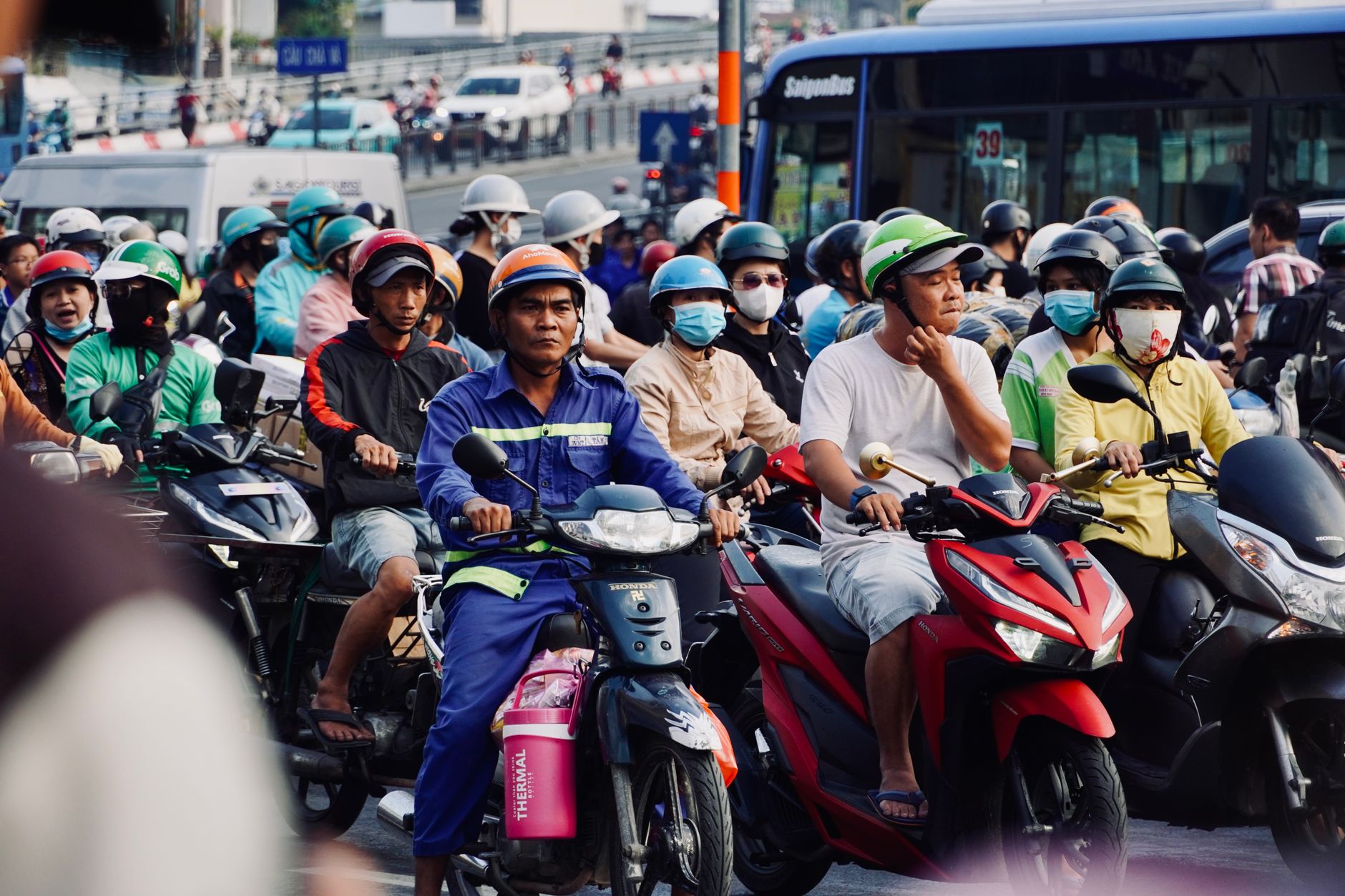
- Lack of Walkability: Many modern cities are designed for vehicles rather than pedestrians, making it difficult for children to navigate their neighborhoods on foot.
- Safety Concerns: In many Latin American urban centers, parents often feel it is unsafe to allow children to walk to school or play in local parks without constant supervision.
- Environmental Hazards: In some highly populated urban areas, air pollution levels can become so high that being active outdoors becomes a health risk in itself.
- www.npr.org
What Happened
A massive new study published in The Lancet Global Health has revealed a global crisis in adolescent movement. Analyzing data from over 3 million adolescents across 140 different countries, researchers found that the vast majority of teenagers are failing to meet the World Health Organization (WHO) recommendations for daily exercise.
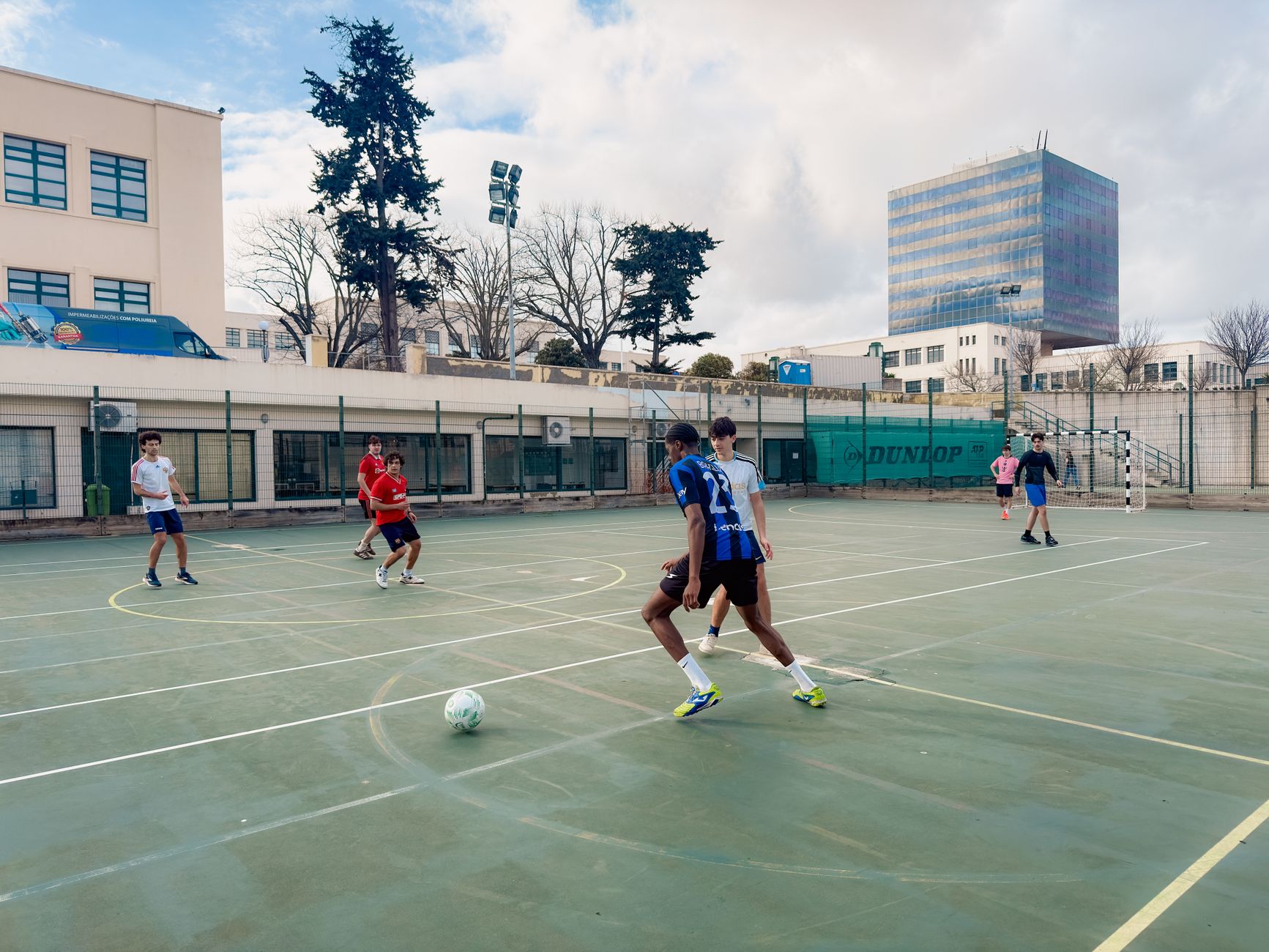
According to the study, the WHO recommends that adolescents engage in at least one hour of “moderate-to-vigorous” physical activity every single day. This level of intensity—ranging from a brisk walk to a high-energy soccer match—is considered essential for the healthy development of growing bodies and minds. However, the data shows that the global average for adolescents is less than three such active days per week.
Perhaps most concerning is the lack of movement in the most vulnerable populations. One in four adolescents reported not hitting the 60-minute threshold on any day of the week. Fiona Bull, head of the physical activity unit at the World Health Organization and a co-author of the study, expressed deep concern over the lack of progress.
“The findings are disappointing, because one of the major results is that the trend over the last 15 years is flat,” Bull said in a statement. She emphasized that current global strategies are failing to move the needle, stating, “Business as usual will not change these trends.”
Why It Matters
The implications of this inactivity extend far beyond immediate fitness. The teenage years represent a critical window for establishing lifelong health behaviors. If the habits formed during adolescence are sedentary, those habits are likely to become permanent fixtures of adult life.
Solveig Cunningham, a global health researcher at Emory University, highlighted the developmental stakes involved. “As an adolescent, if your baseline is zero days of physical activity, that’s going to be your baseline as you go into adulthood,” Cunningham explained.
When adolescents fail to meet exercise guidelines, they face increased risks for a variety of long-term health issues, including obesity, cardiovascular disease, and mental health challenges. The study suggests that the current trend is not just a temporary dip but a systemic failure to provide adolescents with the opportunity to be active. This failure has a compounding effect: as physical activity levels drop, the subsequent costs to society in terms of healthcare and lost productivity only grow larger.
The Gender Gap in Physical Activity
One of the most striking findings in the report is the widening gap between boys and girls regarding adolescent physical activity. In virtually every country studied, girls were reported to be less active than their male counterparts.
The statistics paint a stark picture of this divergence:
| Metric | Girls | Boys |
|---|---|---|
| Percentage reporting zero weekly exercise | ~30% | 22% |
| Percentage active on a daily basis | 11% | 17% |
| Average weekly active days | 2.4 | 3.0 |
Fiona Bull described this disparity as “very worrying,” noting that these gender-based differences in activity levels frequently persist well into adulthood.
Cultural and Social Barriers
The reasons for this gender gap are often rooted in deep-seated cultural norms and social expectations. Solveig Cunningham pointed out that in many regions, the onset of puberty brings new social taboos that restrict girls’ movement.
In India, for example, Cunningham observed that traditional family structures can discourage outdoor activity for girls. “Mothers or grandmothers will say, ‘Well, you know, we don’t want girls spending a lot of time outside. Their skin might get darker. That might have negative implications for whether they can get married,'” Cunningham noted.
Furthermore, the type of activity often differs by gender. While boys are frequently engaged in organized or high-intensity sports, girls’ physical activity often takes the form of domestic labor. In parts of South Asia and even the United States, a significant portion of girls’ active time is spent performing household chores. “If the guys are outside playing and the girls are inside sweeping, they’re both active, but it’s kind of not the same thing,” Cunningham said, noting the difference in intensity and social benefit.
Socioeconomic Factors and the Urban Divide
The study also identified a clear link between a country’s economic status and its adolescents’ activity levels. Kids from low- and middle-income countries tend to be less active than those in wealthier Western nations, a phenomenon driven by what experts call an “issue of opportunity.”
Andrea Ramirez Varela, an epidemiologist at the University of Texas Health Science Center in Houston, explained that the physical environment plays a decisive role. In many developing nations, the infrastructure for play and movement is either non-existent or actively hostile to children.
The Urbanization Trap
While some research suggests that rural adolescents in lower-income countries may actually move more out of necessity, the rapid shift toward urbanization is creating new problems. As populations move into densely packed cities, the opportunities for safe, open-air exercise diminish.
Several factors contribute to this urban decline in activity:
The Digital Disruption
Beyond the physical environment, the rise of digital entertainment has created a powerful competitor for an adolescent’s time. As children return home from school, the allure of screens often leads to immediate sedentary behavior.
“Because this digital world is so attractive, they are going to be sedentary the rest of the day,” Ramirez Varela said, noting that the transition from school to home often marks the end of any meaningful physical movement for many teens.
What It Means for You
The findings of this study serve as a call to action for various segments of society. Because the lack of activity is driven by environmental, social, and digital factors, the solutions must be equally multifaceted.
For Parents and Guardians
If you are raising adolescents, the data suggests that simply encouraging “more movement” may not be enough if the environment is unsupportive. Focus on finding structured, safe ways to incorporate activity, such as local sports clubs or walking groups. Recognizing the difference between “active chores” and “vigorous exercise” is also key to ensuring your child is meeting health guidelines.
For Educators and School Administrators
Schools are one of the most practical settings for intervention. The research indicates that countries with higher adolescent exercise levels often have more structured time for sports during or after the school day. Expanding access to affordable, inclusive sports programs can help bridge the gap, particularly for girls and students from lower-income backgrounds.
For Urban Planners and Policymakers
If you are involved in city design, the study highlights the critical need for walkable, safe, and pollution-controlled public spaces. Redesigning cities to prioritize pedestrians and creating accessible green spaces are long-term investments that can yield massive public health dividends. As Ramirez Varela noted, policymakers face competing interests, but the cost of inaction—in terms of lifelong health crises—is far higher.
Counterpoints and Open Questions
While the study provides a massive data set, there are inherent limitations and complexities that researchers must navigate.
One major challenge is the methodology used to collect data. Because it is prohibitively expensive to provide smartwatches to millions of children globally, researchers rely on self-reported surveys. This introduces the risk of “recall bias,” where adolescents may over- or under-estimate their activity levels. While the scale of the study (3 million participants) helps mitigate some of this error, it remains a point of discussion among scientists.
Additionally, the relationship between rural and urban movement is not fully understood. While Ramirez Varela noted that rural adolescents might move more out of necessity, the study did not provide a definitive breakdown of the urban-rural divide. It remains an open question whether the transition to urban living is the primary driver of inactivity, or if the digital shift is equally responsible regardless of geography.

What Happens Next
As the global health community digests these findings, several catalysts for change are emerging.
First, there is an increasing push for school-based interventions. Because schools are a centralized location where adolescents spend the majority of their time, experts believe they are the most effective place to “move the needle” on physical activity.
Second, there is a growing movement in urban design to reclaim streets for people rather than cars. As more cities implement “low-traffic neighborhoods” and expanded pedestrian zones, the opportunity for spontaneous, daily movement may increase.
Finally, the WHO and other international health bodies are expected to use this data to advocate for more aggressive policy changes in low- and middle-income countries, focusing on making sports both accessible and affordable for all demographics, particularly girls.
Frequently Asked Questions
What is considered “moderate-to-vigorous” exercise for a teenager?
According to the WHO, moderate-to-vigorous activity refers to exercise that significantly increases the heart rate and breathing. Examples include a brisk walk, jogging, cycling, or playing a sport like soccer or basketball. The goal is for the adolescent to be active enough to “basically break a sweat” for at least 60 minutes a day.
Why is there such a large gap in activity between boys and girls?
The gap is driven by a combination of social, cultural, and environmental factors. In many cultures, social norms or taboos may discourage girls from being active outdoors, particularly after puberty. Additionally, girls’ active time is often spent on domestic chores, which, while physical, may not reach the intensity levels recommended for cardiovascular health.
Does screen time directly cause lack of physical activity?
While the study doesn’t claim screen time is the only cause, researchers like Andrea Ramirez Varela note that the digital world is highly attractive and often leads to sedentary behavior after school. The ease of access to digital entertainment provides a significant competing interest for the time adolescents might otherwise spend being active.
Can improving physical activity in teens really change adult health?
Yes. Experts like Solveig Cunningham emphasize that adolescence is a formative period. Establishing a high level of activity during these years creates a healthy baseline. Conversely, a sedentary adolescence often leads to a sedentary adulthood, which increases the long-term risk of chronic diseases and mental health issues.
References
Featured image: Photo by https://kaboompics.com/ on Pexels