The US-Iran war escalation has reached a critical inflection point as president Donald Trump enters what he describes as “deciding mode” ahead of a high-stakes visit to the United Nations General Assembly this week. As the conflict enters its seventh month, the administration is simultaneously weighing the possibility of total military action against Tehran, intensified economic strangulation, or a diplomatic settlement that would address a growing list of Iranian demands.
Key Takeaways
- Trump’s Decision Point: President Trump is evaluating three primary paths: military strikes, continued economic pressure, or a negotiated deal, warning that “big things” could happen soon.
- Iran’s Seven Demands: Tehran has officially conveyed seven core conditions to the U.S. via Qatar to end the war, including the unfreezing of Iranian funds and an end to the naval blockade.
- Rising War Costs: U.S. Central Command (CENTCOM) estimates the total cost of the conflict has reached $43.6 billion as of early September.
- Regional Volatility: Houthi rebels in Yemen have expanded the theater of war, launching missile and drone attacks against Saudi Arabia’s capital, Riyadh, and energy facilities in Yanbu.
- Economic Instability: Global energy markets remain highly volatile, with Brent crude oil prices fluctuating near $100 per barrel and U.S. diesel prices hitting record highs.
- Humanitarian Concerns: The United Nations has raised allegations of war crimes, including a strike on a school in Minab that reportedly killed 120 children.
- Alternative Financial Channels: Creating new ways for both nations to conduct trade outside the Western-dominated banking system.
- Aviation Cooperation: Plans for the Iranian production of Russian aircraft components.
- Energy and Transportation: Major energy projects and the development of new transportation routes stretching toward the Persian Gulf.
- Nuclear and Industrial Ties: Deepening cooperation in nuclear technology and heavy industry.
- For Investors and Financial Professionals: The volatility in Brent crude and the potential for long-term disruption to Liquefied Natural Gas (LNG) and oil supplies via the Strait of Hormuz make energy markets highly unpredictable. JP Morgan has noted it is currently unable to model an “endgame” for the war, suggesting caution in long-term energy positioning.
- For Consumers: With diesel prices at record highs and U.S. inflation remaining elevated—even after the Federal Reserve’s recent quarter-point rate hike to a 3.75%–4% range—the cost of goods and transportation is expected to remain high.
- For Voters: Public opinion is increasingly divided. A recent Fox News poll found that 71% of voters believe the Trump administration lacks a clear strategy for ending the conflict. Additionally, 60% of respondents stated that the initial U.S. military action against Iran was the wrong decision.
- The Legality of Military Action: The UN’s allegations regarding civilian deaths in Minab and at a sports center pose significant legal and moral challenges to the U.S. military’s operations. If these allegations are substantiated, they could lead to international legal proceedings.
- The Effectiveness of Sanctions: While the U.S. is intensifying economic pressure, the Russian-Iranian roadmap suggests that both nations are successfully building “alternative channels” that may render traditional sanctions less effective over time.
- The Media Landscape: President Trump’s recent bans on CNN, MS NOW, and Politico from the White House have raised questions regarding First Amendment protections and the transparency of the administration’s communications during a time of war.
- The Accuracy of Information: With discrepancies in both U.S. casualty counts and the reported impact of Houthi strikes on Saudi infrastructure, the ability of the public to access verified, real-time information remains a significant concern.
- The UN General Assembly Address: President Trump’s speech on Tuesday will likely signal whether he is leaning toward a diplomatic breakthrough or a significant military escalation.
- Iran’s Response to the Seven Demands: The administration’s reaction to the conditions conveyed through Qatar will determine if the “deciding mode” leads to a deal or further strikes.
- Maritime Enforcement: Any significant disruption to the 109 commercial vessels currently being redirected by CENTCOM could trigger a massive spike in global oil prices.
- Regional Defense Pacts: Watch for increased cooperation between Saudi Arabia, Turkey, and Pakistan through initiatives like the “Mecca Joint Defence Agreement.”
- www.inkl.com
- www.foxnews.com
What Happened: A Weekend of Escalation
As of September 20, 2026, the geopolitical landscape in the Middle East has shifted from a localized conflict to a broader regional crisis. President Trump returned to the White House from Camp David on Saturday evening, following reports that Iran had submitted its formal requirements for a ceasefire. The President’s return comes at a moment of extreme tension, just days before he is scheduled to address world leaders at the United Nations in New York.
According to Fox News chief foreign correspondent Trey Yingst, the President is currently weighing a variety of responses to Tehran’s recent maneuvers. Trump reportedly told reporters that “very big things” could occur if the Iranian regime does not comply with international expectations. This warning follows a period of intense military activity, including a tightening blockade of Iranian ports.
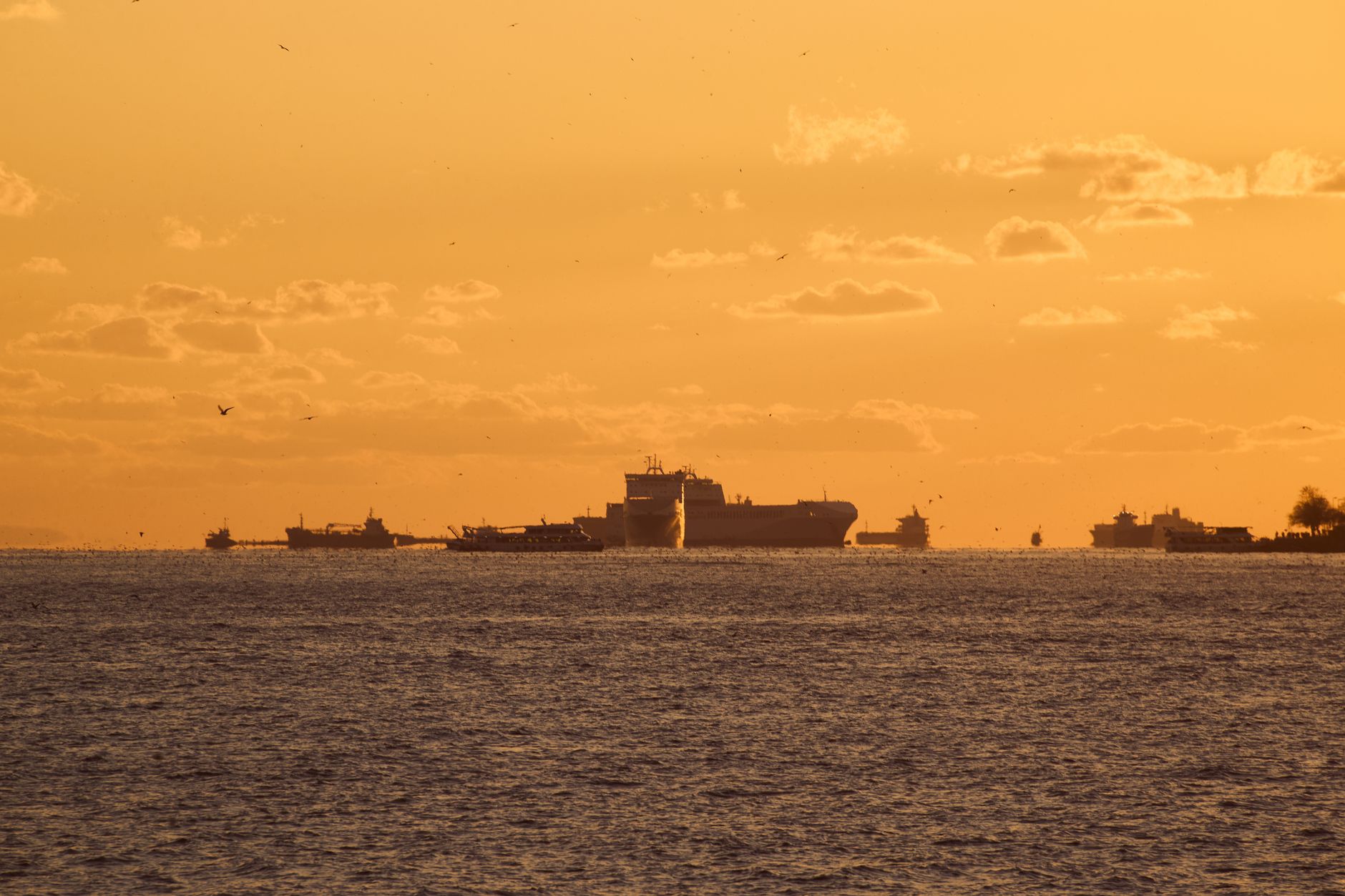
On the maritime front, U.S. Central Command (CENTCOM) confirmed on Sunday that its naval forces have redirected 109 commercial vessels to enforce a blockade around Iranian ports. The goal of this operation is to ensure compliance with international sanctions and limit Iran’s ability to facilitate maritime commerce during the ongoing conflict.
Simultaneously, the conflict has spilled over into Saudi Arabian territory. Houthi military spokesperson Brig. Gen. Yahya Saree claimed responsibility for attacks using cruise missiles, ballistic missiles, and drones targeting sensitive sites in Riyadh and Aramco facilities in Yanbu. While Saudi Arabia confirmed that a ballistic missile targeting the capital was intercepted, reports of “massive fires” near the airport have not been independently verified by Aramco.
Why It Matters: The Economic and Human Toll
The US-Iran war escalation is no longer merely a matter of foreign policy; it has become a primary driver of global economic instability and a humanitarian crisis of significant proportions. The financial burden on the United States is mounting rapidly, with CENTCOM assessing war-related costs at $43.6 billion as of September 3, 2026. Furthermore, the cost of munitions and weaponry has seen a sharp increase, rising by over $6 billion in a single month to a total of $28.1 billion.
For the average American, the conflict is being felt at the gas pump. U.S. diesel prices have reached a record high of over $6 per gallon, driven by volatility in the energy markets. The instability in the Strait of Hormuz, a critical artery for global oil transit, has caused Brent crude oil prices to swing wildly, rising from $93 per barrel on September 4 to a peak of $109 on September 10, before settling at approximately $103 by the end of the week.
Beyond the economics, the human cost has drawn intense international scrutiny. A report from the United Nations has alleged that U.S. military actions may have resulted in war crimes. Specifically, the report highlights a strike on a primary school in Minab, which reportedly resulted in the deaths of 120 children. Additionally, the UN cited the deaths of 178 civilians in a strike on a sports center and 221 children during crackdowns on anti-regime protesters.
There is also a growing debate regarding the accuracy of military casualty reports. While the official government database lists 18 U.S. troop fatalities, a report by the Washington Post, citing five officials, suggests the actual number may be at least 22.
Conflict and Economic Data Summary
| Metric | Value / Detail | Source |
|---|---|---|
| Total U.S. War Cost | $43.6 Billion | CENTCOM |
| Munitions/Weaponry Cost | $28.1 Billion | CENTCOM |
| Brent Crude (Sept 10 Peak) | $109 per barrel | Market Data |
| U.S. Diesel Price | >$6.00 per gallon | Market Data |
| Minab School Casualties | 120 children | UN Report |
| U.S. Troop Fatalities (Official) | 18 | Government Database |
| U.S. Troop Fatalities (Reported) | 22+ | Washington Post |
Deep-Dive: The Geopolitical Architecture of the Conflict
The Russian-Iranian Strategic Roadmap
One of the most significant developments in the US-Iran war escalation is the emergence of a formalized, long-term alliance between Moscow and Tehran. A nonpublic, 44-page Russian government document titled “Plan for Cooperation Between the Russian Federation and the Islamic Republic of Iran for 2024-2026” was recently obtained and reviewed by Fox News Digital.
The document, which was marked “For official use” and approved on September 2, 2024, outlines a comprehensive strategy to build economic and industrial ties that can withstand Western sanctions. Key components of this roadmap include:
Keti Korkiya, a research analyst with the Foundation for Defense of Democracies’ Russia Program, noted that while many of these collaborations were already public, the document reveals the “architecture” Moscow is building to reduce vulnerabilities created by Western economic pressure.
Diplomatic Maneuvers in Cairo and New York
As the military situation intensifies, diplomatic efforts are concentrated in key regional hubs. CIA Director John Ratcliffe recently met with Egyptian President Abdel Fattah el-Sissi in Cairo. According to The Times of Israel, the meeting—which included Egyptian intelligence chief Hassan Rashad—covered the wars in Iran, Gaza, and Sudan, as well as threats to maritime security in the Gulf. President Sissi emphasized the importance of settling regional crises through “political and diplomatic tracks.”
In New York, the stage is being set for the UN General Assembly. U.S. Ambassador to the U.N. Mike Waltz told Fox News Digital that President Trump intends to make the Iranian nuclear threat a centerpiece of his address. Waltz also noted that the administration will discuss its 20-point peace plan for Gaza and seeks greater international cooperation in enforcing sanctions against Tehran.
What It Means for You
The ongoing US-Iran war escalation carries direct implications for various sectors of society:
Counterpoints and Open Questions
While the administration maintains a firm stance, several critical questions and counterpoints remain unaddressed:
What Happens Next
Observers should watch for several key catalysts in the coming weeks:

Frequently Asked Questions
What are Iran’s demands to end the war?
According to reports from Qatar and Iranian sources, Tehran has laid out seven core demands. These include an end to the naval blockade in the Strait of Hormuz, the unfreezing of Iranian funds held abroad, and a complete cessation of military hostilities on all fronts. The U.S. is currently weighing these demands against its own strategic objectives.
How much is the war costing the United States?
As of September 3, 2026, U.S. Central Command (CENTCOM) estimated the total cost of the conflict at $43.6 billion. This figure includes the costs of military operations, intelligence, and the rapid increase in munitions spending, which rose by over $6 billion in a single month.
Is the U.S. blockade of Iran working?
The blockade, enforced by CENTCOM, has successfully redirected 109 commercial vessels to ensure compliance with sanctions. However, the effectiveness of this blockade is being challenged by the Russian-Iranian roadmap, which aims to create alternative financial and transportation routes to bypass Western economic restrictions.
Why are oil prices so high?
Oil prices, specifically Brent crude, are being driven by the uncertainty of the US-Iran war escalation. Tensions in the Strait of Hormuz, combined with Houthi attacks on Saudi Arabian energy facilities and the potential for increased U.S. military action, have caused significant market volatility, with prices recently peaking at $109 per barrel.
References
Featured image: Image via inkl