“The flow of time is always cruel.”
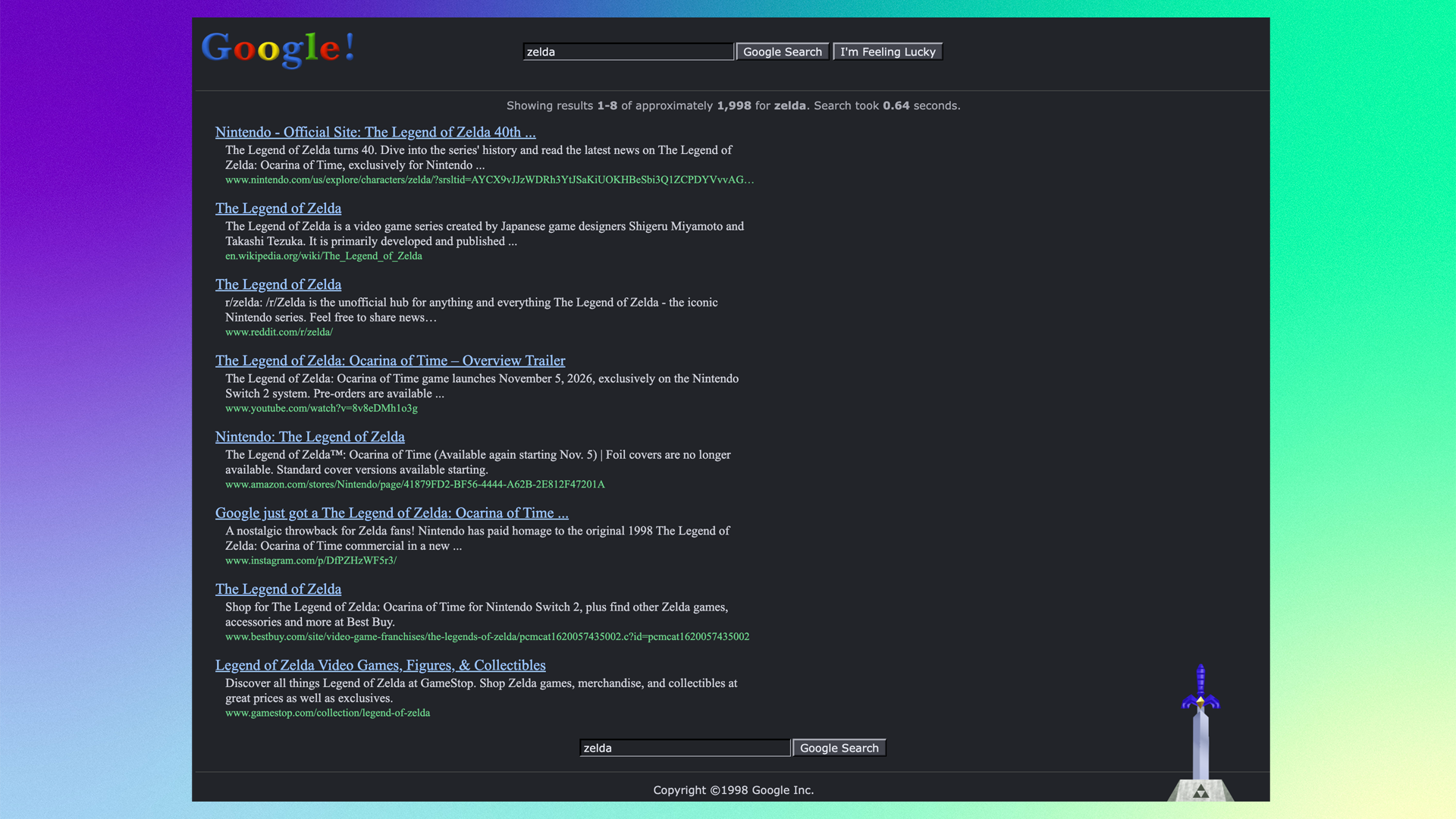
The google Zelda Easter egg has officially arrived, offering a digital time machine that transports users back to the minimalist internet of 1998 to celebrate the upcoming release of nintendo‘s The Legend of Zelda: Ocarina of Time remake. By simulating the search engine’s late-90s aesthetic, Google is leveraging deep-seated nostalgia to bridge the gap between the original Nintendo 64 classic and its modern reimagining on the Nintendo Switch 2.
Key Takeaways
- Interactive Nostalgia: Searching for “Zelda” or “Master Sword” triggers a retro Google interface featuring the 1998-style “Google!” logo.
- Thematic Timing: The feature coincides with the November 5, 2026, launch of the Ocarina of Time remake for Nintendo Switch 2.
- Minimalist Experience: The retro mode removes modern clutter, including AI overviews, advertisements, and social media integrations.
- Limited Functionality: The Easter egg is a temporary state; performing a new search will immediately return the user to the modern 2026 Google interface.
- Hardware Driver: The remake is a Nintendo Switch 2 exclusive, serving as a major software catalyst for Nintendo’s next-generation hardware.
- Cinema: The release of seminal films like Saving Private Ryan.
- Music: The dominance of teen pop icons like Britney Spears, and the popularity of tracks like “The Boy Is Mine” by Brandy and Monica.
- Television: The debut of cultural staples such as Sex and the City.
- Technology: The rise of the Nokia mobile phone and the widespread popularity of Furby toys.
- Enhanced Visuals: Slick, modern graphics optimized for the Switch 2 hardware.
- Modernized Controls: Improved movement and camera mechanics to suit contemporary gaming standards.
- Quality-of-Life Improvements: Numerous updates to streamline the gameplay experience.
- Preorder Window: Nintendo will continue accepting preorders for both digital and physical editions of the remake.
- November 5, 2026: The official global launch of The Legend of Zelda: Ocarina of Time on the Nintendo Switch 2.
- Marketing Rollout: Expect further promotional content from Nintendo, likely focusing on gameplay comparisons between the N64 original and the Switch 2 remake.
- Easter Egg Expiration: The Google Easter egg is intended to be temporary; users should enjoy the 1998 interface while it remains active.
- www.cnet.com
- www.ign.com
- arstechnica.com
What Happened: Activating the Time Machine
To celebrate the imminent launch of the Ocarina of Time remake, Google has implemented a specialized interactive feature within its search engine. According to reports from CNET and IGN, the experience is triggered by specific user queries. To access the hidden interface, users must navigate to Google.com and enter the search terms “Zelda” or “Master Sword.”
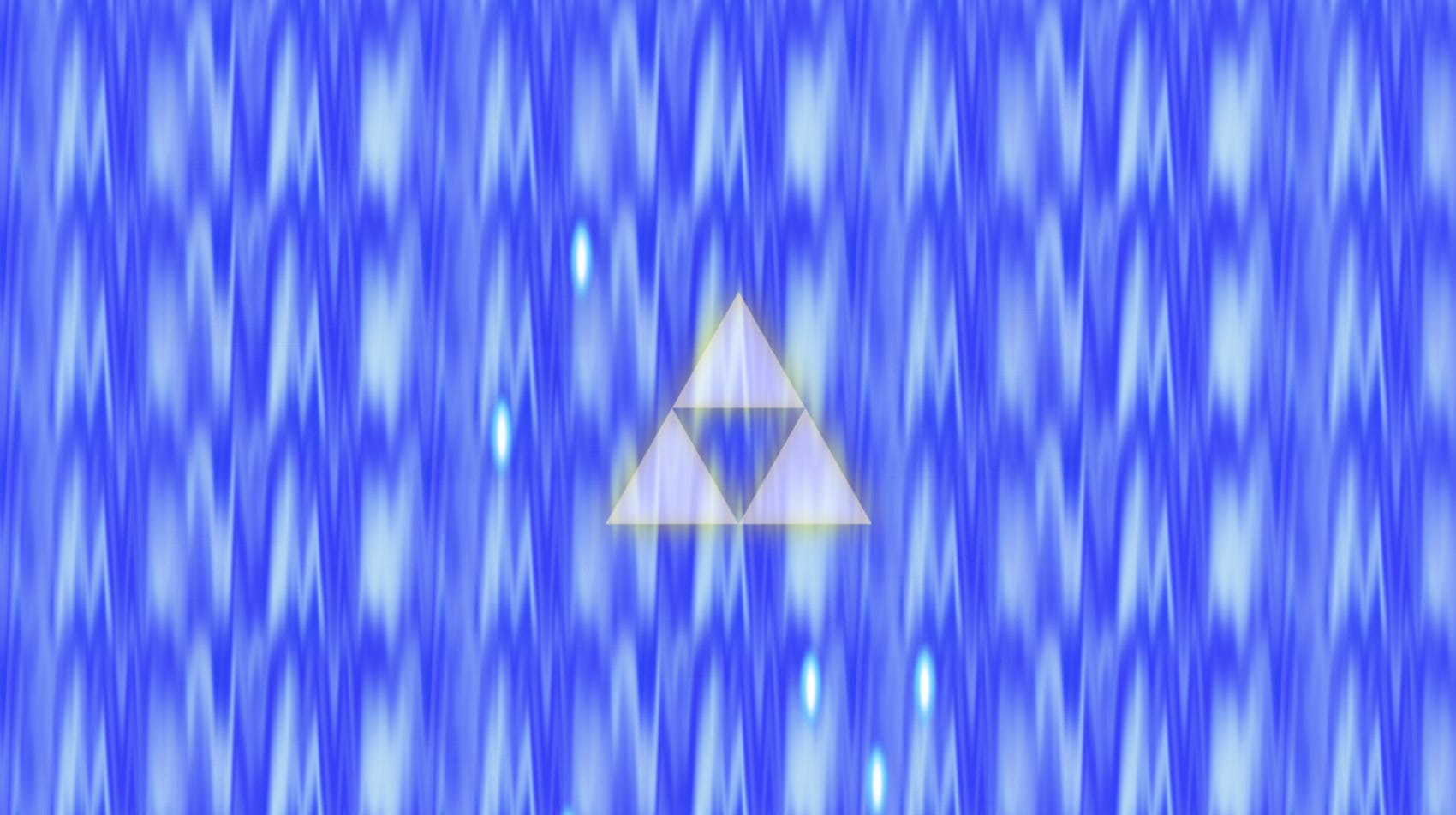
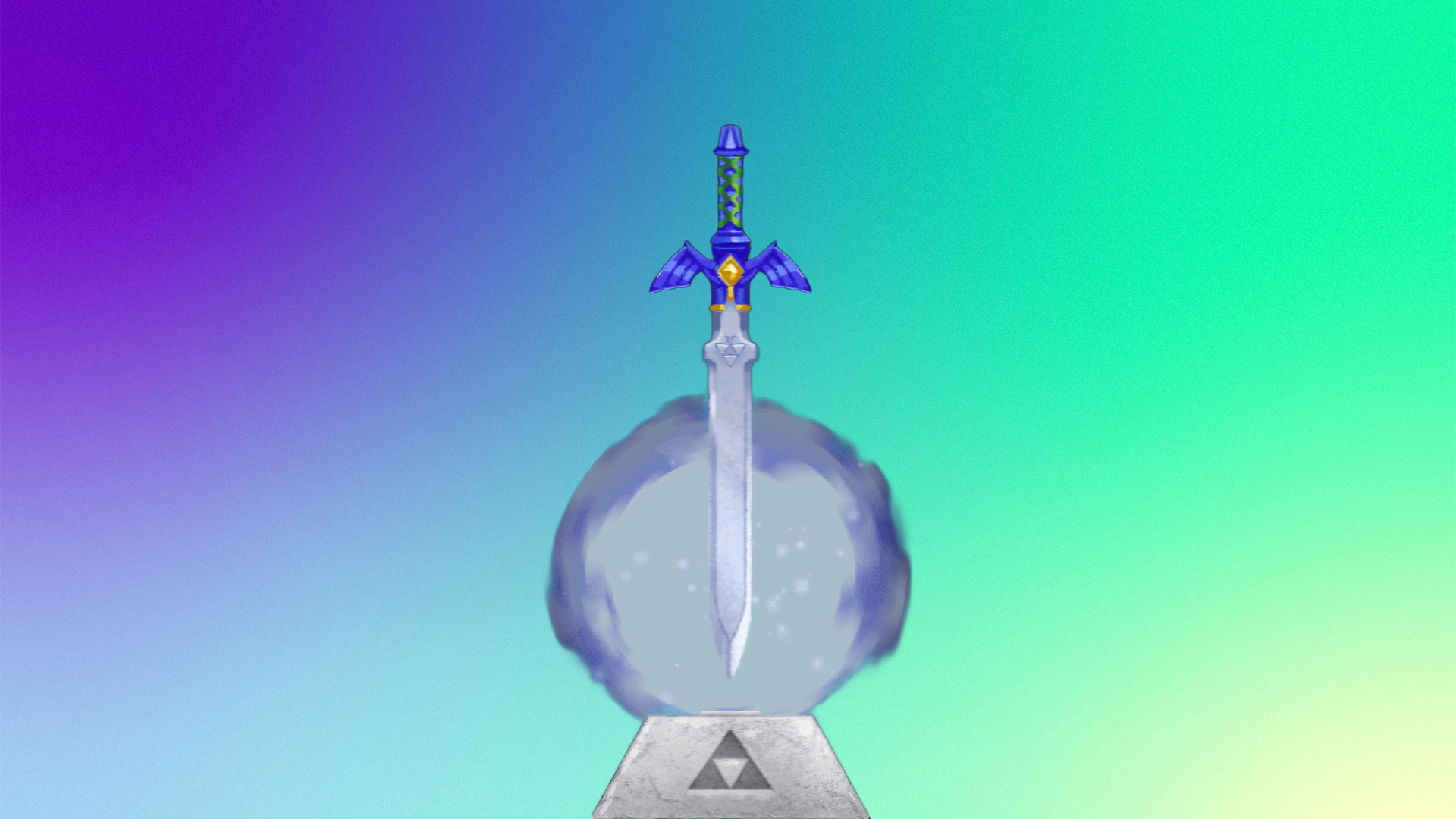
Upon performing the search, a digital icon of the legendary Master Sword appears in the bottom-right corner of the browser window on both desktop and mobile devices. As noted by IGN, clicking this icon initiates a cinematic animation of the sword being thrust into a pedestal. This is followed by a screen distortion effect designed to simulate the sensation of being pulled through time, eventually landing the user in a reconstructed version of the internet as it existed in 1998.
Once the transition is complete, the modern search results page is replaced by a simplified, high-contrast layout. This version of Google features the classic blue hyperlinks and the original “Google!” logo, which included an exclamation point before being retired in 1999. While the experience provides a curated list of seven links—including the official Nintendo Zelda page and Wikipedia entries—it does not function as a live, comprehensive search engine. As Ars Technica points out, any attempt to use the retro interface to perform a new, non-themed search will result in the user being instantly booted back to the current 2026 version of Google.
Why It Matters: Nostalgia as a Marketing Bridge
The timing of this Easter egg is no coincidence. It serves as a high-engagement “moment marketing” tactic designed to build massive hype for Nintendo’s upcoming release. By tapping into the collective memory of gamers who grew up with the original 1998 release, Google and Nintendo are creating a thematic bridge between two eras of gaming technology.
For Nintendo, the stakes are high. The Ocarina of Time remake is a confirmed Nintendo Switch 2 exclusive. As the gaming industry shifts toward more powerful hardware, major software releases like this serve as critical drivers for console adoption. For Google, the feature provides a rare moment of brand warmth, offering a service that feels playful and human in an era where the company is frequently criticized for its aggressive push into generative AI and heavy advertising.
A Deep Dive into the 1998 Experience
The Aesthetic of Simplicity
One of the most striking aspects of the Easter egg is the stark contrast between the 1998 interface and the 2026 reality. Zachary McAuliffe of CNET observed that the neater, less cluttered layout of the retro view made him feel “instantly calmer” than the standard Google interface.
In 1998, the web was a landscape of text and blue links. Today, a standard search result is a dense ecosystem of AI-generated overviews, sponsored content, social media snippets, and suggested searches. The Easter egg strips all of this away, returning the user to a state of pure information retrieval.
| Feature | 1998 Google Interface | 2026 Google Interface |
|---|---|---|
| Primary Logo | “Google!” (with exclamation) | Modern Google Logo |
| Search Results | Curated blue hyperlinks | AI Overviews, Sponsored Content, Social Links |
| User Interface | Minimalist, low clutter | Feature-rich, high density |
| Monetization | Minimal/None in this mode | Heavily integrated advertisements |
| Navigation | “I’m Feeling Lucky” button | Suggested searches, AI-driven answers |
The Cultural Anchor of 1998
To understand why this specific year was chosen, one must look at the cultural zeitgeist that IGN describes as the “temporal anchor” for this event. 1998 was a landmark year for both technology and pop culture, providing a rich tapestry of nostalgia for users to inhabit.
During this period, the world was experiencing several major shifts:
By mirroring this era, Google isn’t just showing an old website; it is inviting users to inhabit a specific feeling of the late 20th century. Even the auditory experience is curated; CNET reports that if a user’s volume is sufficient, they may even hear a subtle rendition of Céline Dion’s “My Heart Will Go On” playing in the background.

The Legend of Zelda: Ocarina of Time Remake
While the Google Easter egg focuses on the past, the primary driver is the future. Nintendo is preparing to launch a completely re-created version of The Legend of Zelda: Ocarina of Time. This is not merely a port; it is a full-scale reconstruction designed for the Nintendo Switch 2.
According to details released by Nintendo, the remake features:
Eiji Aonuma, the Producer of the Zelda series at Nintendo, has offered a unique perspective on the development of this remake. He noted that there was a significant generational gap within the development team, stating that “some of the younger members of his team had never played the original game.” However, Aonuma insisted that this was “very much a good thing” for the development process, as it allowed the team to approach the classic title with fresh eyes rather than being tethered to the limitations of 1998 hardware.
What It Means for You
For Gamers and Fans
If you are a fan of the franchise, the immediate takeaway is the upcoming release date. The Ocarina of Time remake is scheduled to launch on Thursday, November 5, 2026. Preorders are currently available, with digital versions priced at $60 and physical copies at $70. If you are looking to experience the game in its highest possible fidelity, you will likely need to invest in the Nintendo Switch 2 hardware.
For Tech Enthusiasts and Web Users
For those interested in the evolution of the internet, the Google Easter egg serves as a case study in UI/UX (User Interface/User Experience) trends. It highlights the shift from “search as a tool” to “search as an answer engine.” The current trend toward AI-driven results aims to provide immediate answers, but as the Google Easter egg demonstrates, there is a significant segment of the population that still finds value in the simplicity and autonomy of the classic blue-link model.
Counterpoints and Open Questions
While the Easter egg is largely viewed as a celebratory gesture, it also raises questions about the direction of modern search. Ars Technica suggests there is something “a little sad” about the experience, noting that the simplicity of the retro interface drives home how much Google’s core product has changed.
Critics of modern search engines argue that the integration of AI overviews and sponsored content has made the web more cluttered and less reliable. The fact that Google must create a “limited experience” to show users what a clean search looks like is a subtle admission of the complexity—and perhaps the frustration—of the modern web.
Furthermore, the transient nature of the Easter egg is a point of contention for some. While it serves its purpose as a marketing tool, users who find the minimalist layout more efficient or calming cannot adopt it as a permanent setting. This reinforces the idea that the modern, high-density search experience is the permanent standard, and simplicity is now treated as a novelty rather than a functional choice.
What Happens Next
As we approach the first week of November, several key milestones are on the horizon:
Frequently Asked Questions
How do I access the Google Zelda Easter egg?
To trigger the experience, go to Google.com and search for the terms “Zelda” or “Master Sword.” Once the results load, look for the Master Sword icon in the bottom-right corner of your screen. Click the sword to begin the time-travel animation.
Is the 1998 Google interface permanent?
No. The retro interface is a temporary themed experience. If you attempt to perform a new search while in the 1998 mode, Google will automatically redirect you back to the modern 2026 search interface, complete with AI overviews and advertisements.
When does the Zelda: Ocarina of Time remake release?
The remake is scheduled for release on Thursday, November 5, 2026. It is a Nintendo Switch 2 exclusive.
How much does the new Zelda game cost?
Nintendo has set the price for the remake at $60 for the digital version and $70 for the physical edition.
Closing
The Google Zelda Easter egg is more than just a tribute to a legendary video game; it is a window into a different era of the internet
References
Featured image: CNET/Google — via CNET