The Lancaster county measles outbreak has emerged as the most significant public health challenge in central Pennsylvania in over three decades, driven by a combination of declining vaccination rates and the high degree of social interconnectedness between local communities.
Key Takeaways
- Unprecedented Surge: Lancaster County is the epicenter of the worst measles outbreak: Why the Surge Matters”>measles outbreak: Why the CDC Is Intervening”>measles outbreak in the United States in 35 years.
- High Mortality: The outbreak has resulted in three deaths in Lancaster County and two additional deaths in other parts of Pennsylvania.
- Vaccination Gaps: While many Plain community members are now accepting vaccines, low immunization rates among both the Amish and the general public have eroded herd immunity.
- Interconnectedness: Frequent interactions between Amish, Mennonite, and “English” populations at markets and businesses facilitate rapid virus transmission.
- Declining Trends: Pennsylvania’s kindergarten MMR vaccination rates and national averages have both seen a steady decline since 2019.
- For Parents and Guardians: If you reside in or frequently visit Lancaster County, ensure that your children’s MMR vaccinations are up to date. Health experts recommend checking records specifically for the 95% threshold. If you have infants, consult your pediatrician about the possibility of earlier vaccination schedules.
- For Residents of Lancaster County: Be aware that the virus spreads easily through breathing, coughing, sneezing, or touching contaminated surfaces. Increased indoor gatherings during the winter months may exacerbate the spread.
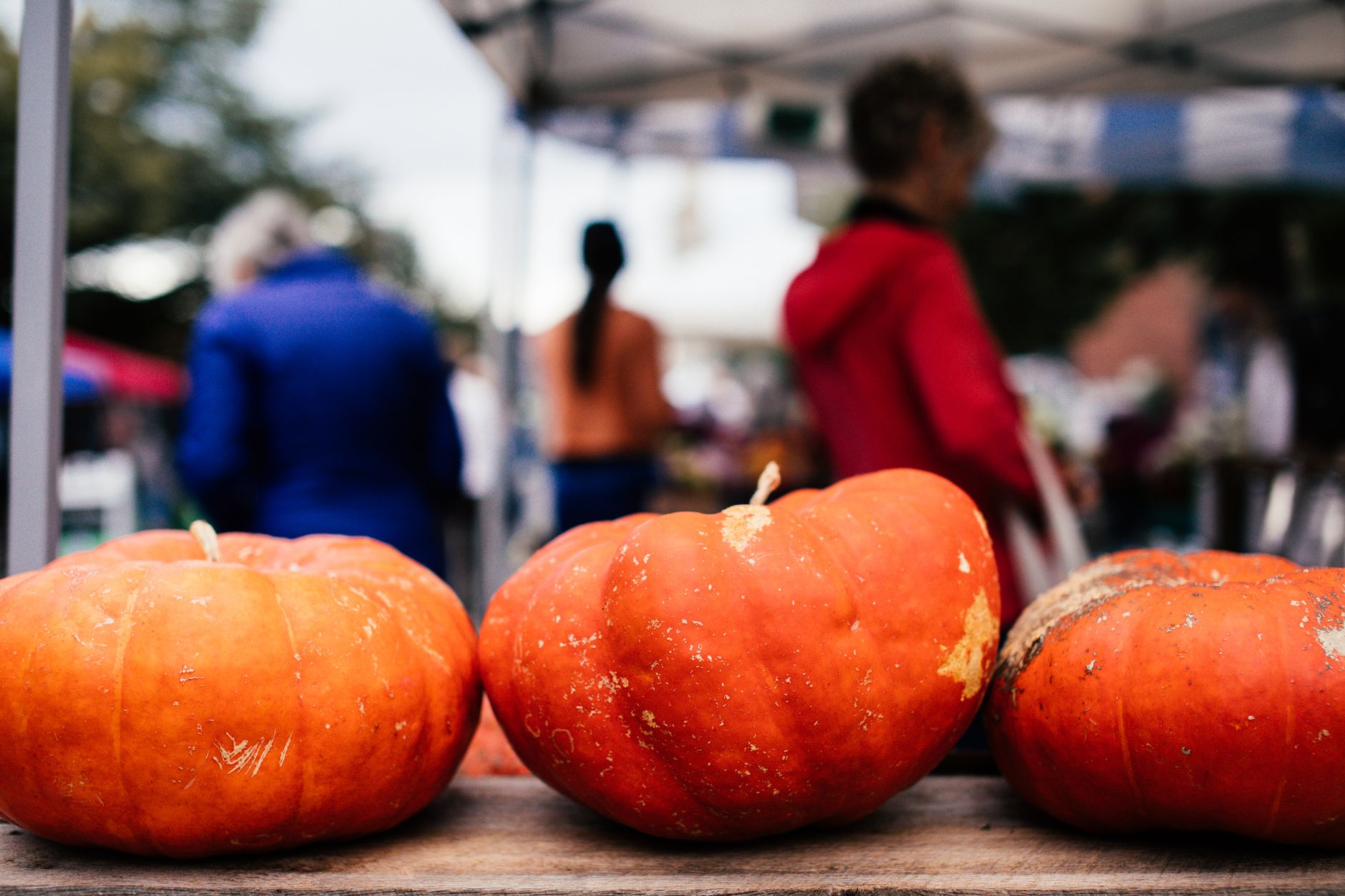
- For Travelers and Visitors: If you are visiting the area for markets, festivals, or tourism, be mindful of public health advisories. While most cases are mild, the risk of exposure in high-density areas like farmers’ markets is elevated.
- For Healthcare Providers: Building trust through non-aggressive, community-based outreach—rather than forceful mandates—remains the most effective strategy for reaching hesitant populations.
- Winter Case Trends: Whether the decline from the September peak continues or reverses as indoor gatherings increase.
- Supreme Court Rulings: Any decision regarding religious exemptions in New York could set a legal precedent that affects Pennsylvania’s ability to mandate school vaccinations.
- Vaccination Uptake in Plain Communities: Whether the current success of mobile clinics and “Plain Healthy” outreach can translate into a measurable increase in community-wide immunity.
- Political Coordination: Whether the tension between federal health leadership and state governors settles into a collaborative strategy for outbreak management.
- apnews.com
What Happened
In 2026, Pennsylvania became the center of a massive resurgence of the measles virus, with state officials reporting over 1,350 cases so far this year. A significant portion of these infections—more than one-third—have been concentrated in Lancaster County. This surge marks the most severe outbreak the nation has seen in 35 years.
According to state figures, the virus has not only caused widespread illness but has also been fatal. The state has recorded three measles-associated deaths within Lancaster County and two additional deaths in other Pennsylvania counties. While medical professionals note that most measles cases are mild, the virus remains a potent threat due to its ability to cause severe complications such as pneumonia and encephalitis.
Local health providers, including Union Community Care, have been working on the front lines to mitigate the spread. The nonprofit has already administered approximately 450 measles shots through small-scale vaccine clinics specifically designed to reach the “Plain” populations. These clinics are also adjusting protocols to offer vaccinations for infants earlier than the standard schedule, a proactive measure recommended by health experts during active outbreaks.
Why the Lancaster County Measles Outbreak Matters
The significance of this outbreak lies in the breakdown of herd immunity. For a community to be effectively protected against measles, health experts say a 95% MMR (measles, mumps, and rubella) vaccination rate is required to prevent the virus from spreading easily. However, current data suggests that many areas in Pennsylvania are falling well below this critical threshold.
Dr. Diego Hijano of St. Jude Children’s Research Hospital emphasized that no community can remain isolated from the spread. “We are all interconnected,” Dr. Hijano stated, highlighting that the biological reality of contagion ignores social and religious boundaries.
In Lancaster County, the intersection of the Amish and Mennonite populations with the wider “English” public creates a unique environment for transmission. While the Plain communities may avoid certain types of civic engagement, they remain deeply integrated into the local economy. They shop at the same markets, conduct business with the same neighbors, and frequent the same public spaces as the general population.
Vaccination Rate Comparison
To understand the scale of the challenge, it is necessary to look at the declining trends in immunization across different levels of society. The following table illustrates the gap between current rates and the safety threshold required for herd immunity.
| Population Segment | MMR Vaccination Rate | Status vs. Herd Immunity Goal |
|---|---|---|
| United States (2019-20) | 95.2% | Met/Near Goal |
| United States (2025-26) | 92.4% | Below Goal |
| Pennsylvania (Last Year) | 93.2% | Below Goal |
| Lancaster County | 88.0% | Significantly Below Goal |
| Herd Immunity Threshold | 95.0% | Required Minimum |
Deep-Dive: The Sociology of Vaccine Hesitancy
One of the most common misconceptions regarding the Lancaster County measles outbreak is that the Amish are inherently opposed to vaccines due to religious doctrine. However, community leaders and scholars suggest the reality is much more nuanced.
Steve Nolt, director of the Young Center for Anabaptist and Pietist Studies at Elizabethtown College, noted that there is nothing in Amish theology or historic documents that specifically opposes immunization. Instead, the hesitation often stems from culture, habit, and a historical reliance on traditional remedies. Allen Hoover, an Old Order Mennonite and former administrator of the Parochial Medical Center, explained that for many, the decision is less about ideology and more about tradition. “It was simply, ‘Well, we never did before, and we came through all right,'” Hoover said.
This cultural hesitation has been compounded by modern social pressures. Community leaders have observed that attitudes toward vaccines in Plain communities have fluctuated, cooling significantly in response to the strict public health measures implemented during the COVID-19 pandemic. This lingering skepticism has made it harder for medical professionals to build the trust necessary for effective vaccination campaigns.

The Role of Misinformation and Politics
The outbreak has also become a flashpoint for political and social tension. Nolt reported that some anti-vaccine groups have actively targeted the Amish with messaging designed to influence their health decisions. In 2021, Robert F. Kennedy Jr., a prominent figure in the anti-vaccine movement, spoke at a Lancaster County fair, alleging that the government was attempting to force vaccinations upon the Amish.
This tension has reached the highest levels of government. Robert F. Kennedy Jr., who now serves as the U.S. Health Secretary, has recently sparred with Pennsylvania Governor Josh Shapiro regarding the management and extent of the measles outbreak. This political friction complicates the unified public health response needed to stabilize the region.
Furthermore, controversy has arisen regarding the cause of specific fatalities. A local county coroner attributed the death of a measles-infected infant to a ruptured spleen rather than the measles virus itself, a finding that has added a layer of complexity to the public’s perception of the disease’s lethality.
What It Means for You
The implications of the Lancaster County measles outbreak extend far beyond the borders of the Plain communities. Because of the high degree of mobility and commerce in the region, the risk is widespread.
Counterpoints and Open Questions
Despite the push for increased vaccination, several points of contention remain. A significant legal battle is unfolding in New York, where a cluster of Amish schools and individuals is petitioning the U.S. Supreme Court. They are seeking to require the state to allow religious exemptions to school vaccine requirements, a right that currently exists in Pennsylvania.
There is also a debate regarding the true driver of declining rates. While some point to the Amish and Mennonite communities, Berwood Yost, director of the Center for Opinion Research at Franklin & Marshall College, argues that the blame should not be placed on a single group. “Declining childhood vaccination rates in our county are not limited to the Amish,” Yost wrote, noting that kindergarten vaccination rates have been falling in every central Pennsylvania county since 2020.
This raises a critical open question: Is the current outbreak a result of specific religious exemptions, or is it a symptom of a broader, systemic decline in public confidence in medical institutions following the pandemic?
What Happens Next
As the region moves into the winter months, health officials are bracing for a potential rise in cases. The transition to more indoor activities and social gatherings typically provides the ideal environment for respiratory viruses like measles to circulate.
Key signals to watch include:
Frequently Asked Questions
Why is the measles outbreak in Lancaster County so severe?
The severity is due to a “perfect storm” of factors: declining vaccination rates in both the general public and the Amish/Mennonite communities, a high level of social and economic interconnectedness between these groups, and the extremely contagious nature of the measles virus. When community immunity falls below the 95% threshold, the virus can spread rapidly through highly social networks.
Do Amish religious beliefs prohibit the use of vaccines?
No. According to Steve Nolt of Elizabethtown College, there is no specific Amish theology or historic document that opposes immunization. The hesitation is generally attributed to cultural habits, a preference for traditional remedies, and a reaction to recent public health mandates during the COVID-19 pandemic, rather than a formal religious doctrine.
How contagious is the measles virus?
Measles is considered one of the most infectious diseases known to medicine. It spreads through respiratory droplets when an infected person breathes, coughs, or sneezes. It can also survive on contaminated surfaces for a period of time. Because it is so contagious, a community requires a very high vaccination rate (95%) to maintain herd immunity.
What are the potential complications of measles?
While many individuals experience mild symptoms, measles can lead to serious and potentially fatal complications. These include pneumonia, which is a leading cause of measles-related death, and encephalitis, which is an inflammation of the brain that can cause permanent damage. In some cases, the virus can also lead to severe gastrointestinal issues or permanent hearing loss.
Ultimately, the resolution of the Lancaster County measles outbreak will depend on the ability of health officials to bridge the gap between medical necessity and community trust. As Dr. Diego Hijano noted, vaccination is not just a personal health choice, but an “act of love” to protect the entire interconnected community.
References
Featured image: Photo by Rachel Claire on Pexels