The upcoming <a href="https://news.quantosei.com/2026/09/29/iphone-duo-standby-leaks-new-features-explained/" title="<a href="https://news.quantosei.com/2026/09/27/iphone-duo-foldable-market-why-apples-entry-matters/" title="iphone duo Foldable Market: Why Apple's Entry Matters”>iphone duo StandBy Leaks: New Features Explained”>iphone Duo StandBy mode is expected to undergo a massive expansion, according to recent leaks that suggest Apple is preparing a suite of unannounced visual interfaces specifically for its new foldable hardware. On September 28, 2026, developer and leaker @itspdfu shared findings from code-digging within the iOS 27.1 simulator, revealing five distinct “faces” for the StandBy mode that were not part of Apple’s initial official demonstrations. These new features, which include smart home camera grids and animated art, indicate that Apple intends to position the iPhone Duo as much more than a smartphone, potentially transforming it into a central command center for the modern smart home.
Key Takeaways
- New Visual Interfaces: Leaked code reveals five unannounced StandBy faces: Home Camera, Home Modular, Flow, Fade, and Snoopy.
- Smart Home Integration: The Home Camera view will allow users to monitor a single feed or a grid of up to nine different camera views simultaneously.
- Hardware-Software Synergy: Unlike current iPhone models, the iPhone Duo can utilize StandBy mode even when not connected to a power source, thanks to its unique foldable form factor.
- Strategic Software Shift: Apple has reportedly skipped the public beta for iOS 27.1, moving directly to iOS 27.2, a move analysts suggest is intended to protect the secrecy of the Duo’s software-hardware integration.
- Launch Timeline: The iPhone Duo is scheduled for pre-orders on October 16, 2026, with full retail availability beginning on October 23, 2026.
- October 16, 2026 (5:00 a.m. PT): Pre-orders for the iPhone Duo officially commence. This will be the first opportunity for consumers to secure the device and potentially see more official details regarding the software.
- October 23, 2026: The iPhone Duo reaches retail stores and begins shipping to customers. This date will mark the true test of whether the leaked StandBy features and the “Rushmore” system are included in the final product.
- www.cultofmac.com
- 9to5mac.com
- www.theapplepost.com
- www.macrumors.com
What Happened: The @itspdfu Discovery
On September 28, 2026, the tech community received a significant update regarding Apple’s highly anticipated foldable device, the iPhone Duo. While Apple officially unveiled the device earlier this month, showcasing several StandBy mode examples, the full extent of the software’s capabilities remained undisclosed.
According to reports from Cult of Mac, 9to5Mac, and The Apple Post, the leaker known as @itspdfu utilized code-digging techniques to uncover hidden localization strings within the iOS 27.1 simulator. Although a specific application intended to host these redesigned faces—internally referred to by the name “Rushmore”—was notably absent from the simulator, the existence of the new features was confirmed through these strings.
@itspdfu noted on the social media platform X (formerly Twitter) that while the Rushmore app itself was missing, the localization strings revealed unreported faces, and some of these new faces were already running in the current renderer. This technical discovery provides a rare glimpse into the software environment that will power the iPhone Duo’s unique dual-display experience.
Why It Matters: A New Category of Device
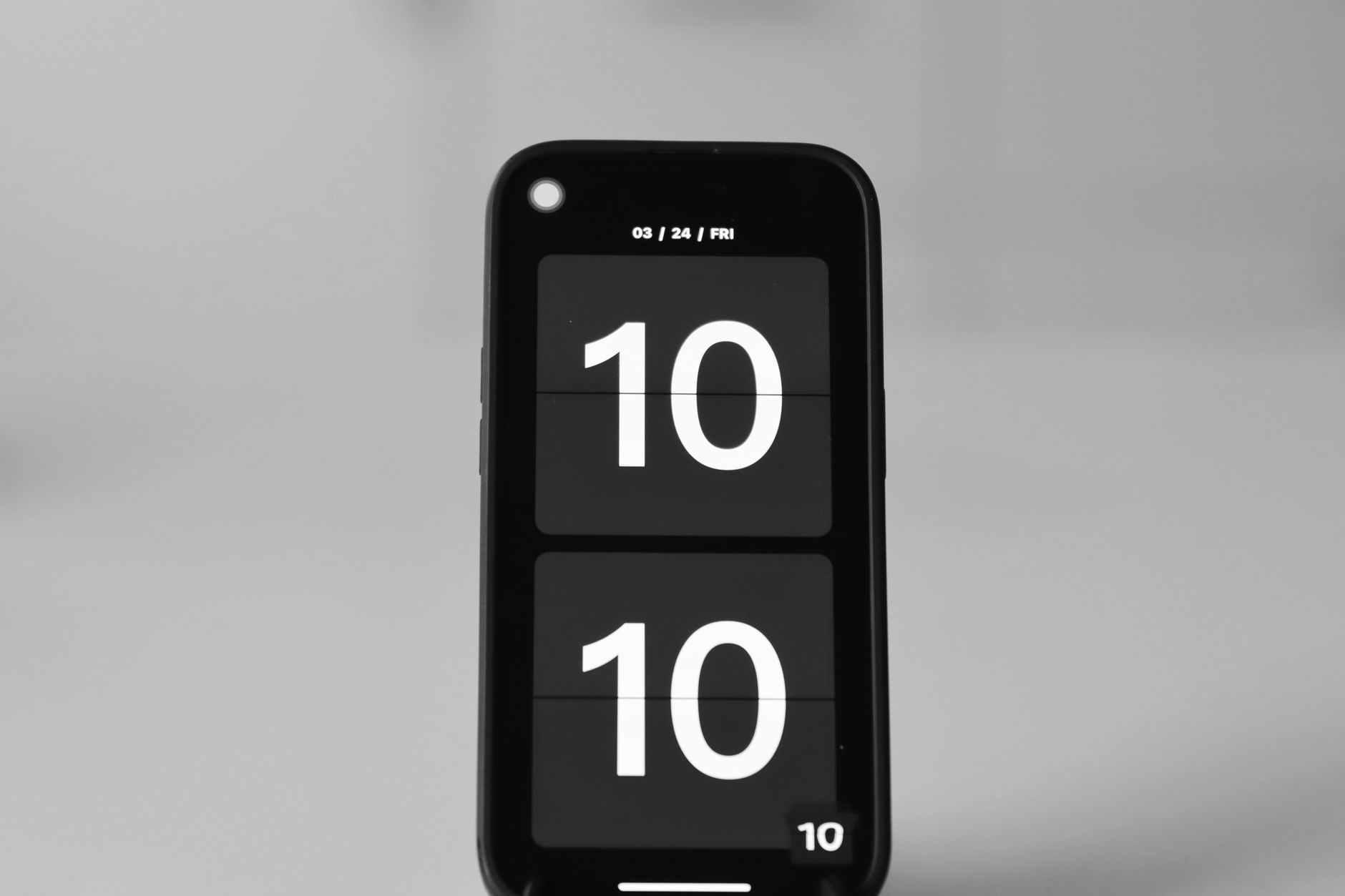
The discovery of these specialized StandBy faces is significant because it highlights Apple’s strategy to leverage the iPhone Duo’s physical versatility. Standard iPhones typically require a charger to activate StandBy mode, a limitation that confines the feature to bedside tables or desks where power is readily available.
The iPhone Duo, however, features a design that allows it to sit in various physical states, including folded, unfolded, landscape, portrait, “seated,” or “standing.” Because the device can support itself in a partially folded position, Apple has engineered the software to allow StandBy mode to function even when the device is not tethered to a power source.
This capability, combined with the leaked smart home features, suggests that Apple is not just releasing a new phone, but is attempting to create a new category of device: a portable, highly customizable smart home dashboard. By integrating live camera feeds and modular controls directly into the ambient display, the iPhone Duo could compete with dedicated smart displays like the iPad or the HomePod, offering a more mobile and versatile alternative.
Deep Dive: The Leaked StandBy Faces Explained
The leak identifies five specific new views that expand the current StandBy ecosystem. To understand the scale of this expansion, it is helpful to compare these leaked features against the ones Apple has already officially demonstrated.
Comparison of StandBy Mode Interfaces
| Feature Category | Existing/Official Faces | Leaked/Unannounced Faces |
|---|---|---|
| Time & Date | Analog, Digital, Classic Calendar | — |
| Environment | Weather | — |
| Media & Personal | Photos, Memories, Shared Albums | Snoopy (Animated screensaver) |
| Smart Home | Modular (Basic) | Home Camera (Up to 9 feeds), Home Modular (Custom controls) |
| Aesthetics | — | Flow (Responsive art), Fade (Details unknown) |
Detailed Breakdown of New Features
Home Camera and Home Modular
Perhaps the most functional addition is the Home Camera view. According to the leaked data, this interface will allow users to view a single live camera feed or select a grid view that displays up to nine different camera feeds at once. This is a major leap forward for users with extensive HomeKit ecosystems, allowing for rapid visual monitoring of security cameras or baby monitors without needing to open a specific app.
Complementing this is the Home Modular face. While specific details are limited, research suggests this view is designed to provide a customizable collection of controls for smart home accessories. This would allow users to toggle lights, adjust thermostats, or lock doors directly from the StandBy interface, turning the iPhone Duo into a stationary command center when placed on a kitchen counter or bedside table.
Flow, Fade, and Snoopy
On the aesthetic side, the leak points to three highly visual experiences. The Flow face is described by @itspdfu as potentially being a form of “responsive art,” likely featuring abstract animations that react to the environment or user interaction. The Fade face is also mentioned, though its specific design remains a mystery in the current code.
Finally, the Snoopy face is expected to provide an animated experience similar to the screensavers found on Apple TV (tvOS). This suggests Apple is looking to bring its beloved character-driven ambient content to the iPhone Duo, enhancing its appeal as a decorative piece of technology in a living space.
The Technical Context: “Rushmore” and iOS Secrecy
The mention of the “Rushmore” app is a crucial piece of the puzzle. Based on the localization strings, industry analysts believe Rushmore is the internal backend system or management app responsible for hosting and configuring these redesigned StandBy faces. The fact that this app was missing from the iOS 27.1 simulator suggests that Apple is still actively developing the final user interface and may be keeping the system’s architecture tightly controlled.
Furthermore, the software deployment cycle for the iPhone Duo appears unusually guarded. Cult of Mac reported that Apple has bypassed the public beta testing phase for iOS 27.1, moving directly to iOS 27.2. This is a notable departure from Apple’s standard software release pattern. One interpretation of this move is that Apple is maintaining an extreme level of secrecy regarding the software-hardware synergy required for the Duo. By skipping the public beta, they minimize the risk of leaks or early bugs being discovered by the broader public before the device’s official launch.
iPhone Duo Hardware Specifications
To support these advanced software features, the iPhone Duo is equipped with significant hardware upgrades. The device is built around the A20 Pro chip, which provides the processing power necessary to manage multiple high-definition camera feeds in a grid view without compromising system stability.
Hardware Summary
| Component | Specification |
|---|---|
| Primary Processor | A20 Pro chip |
| Outer Display | 5.4 inches |
| Inner Display | 7.6 inches |
| Starting Price (US) | $1,999 |
| Starting Price (UK) | £1,999 |
| Connectivity/Accessories | MagSafe, Apple Pencil (USB-C) support |
This hardware configuration, particularly the large 7.6-inch inner display, provides the real estate necessary for the complex layouts found in the Home Camera and Home Modular views. The inclusion of MagSafe support also ensures that while the device can run StandBy mode without a charger, users still have the option for easy magnetic mounting and wireless charging.
What It Means for You
The implications of these leaks vary depending on how you interact with the Apple ecosystem:
For Smart Home Enthusiasts
If you have a heavily integrated HomeKit setup, the iPhone Duo could become your primary interface for home management. The ability to see nine camera feeds at once on a device that can stand on its own makes it a much more effective tool than a standard smartphone. You may find yourself using the device as a dedicated dashboard in high-traffic areas like the kitchen or entryway.
For Aesthetic and Lifestyle Users
If you value the “ambient” look of your technology, the Flow and Snoopy faces offer a way to make your device feel like a piece of digital art rather than just a piece of hardware. The ability to customize colors, styles, and layouts through the new face editor—which is reportedly modeled after the Apple Watch face editor—allows for a high degree of personalization.
For Early Adopters and Developers
For those who follow Apple’s software closely, the mention of the Rushmore app and the shift in the iOS beta cycle suggests a period of rapid, highly secretive development. Developers should keep an eye on how Apple handles third-party integration for these new StandBy faces, as the existence of a dedicated management app could eventually open doors for third-party “views” or “faces.”
Counterpoints and Open Questions
Despite the excitement surrounding the leak, several uncertainties remain. First and foremost, as with all leaks based on localization strings and simulator code, there is no guarantee that these features will appear in the final consumer version of iOS 27. Apple frequently tests features in code that are ultimately removed or significantly altered before release.
There is also a potential risk regarding the software stability. The decision to skip the iOS 27.1 public beta could be seen as a double-edged sword. While it protects secrecy, it also means that the transition to iOS 27.2—which will likely be the launch software for the iPhone Duo—has not undergone the same level of public stress-testing. This could lead to unforeseen bugs in the StandBy mode or the new Rushmore interface at launch.
Finally, questions remain about battery longevity. While the ability to use StandBy mode without a charger is a major convenience, running a large 7.6-inch display with active camera feeds or animated “Flow” art will undoubtedly consume significant power. Users will be interested to see how Apple manages power efficiency to ensure the device remains a viable “always-on” companion throughout the day.
What Happens Next
The timeline for the iPhone Duo is now clearly defined. Following the leak on September 28, the focus shifts to the official commercial rollout:
Frequently Asked Questions
Does the iPhone Duo require a charger for StandBy mode?
No. Unlike previous iPhone models, the iPhone Duo‘s foldable design allows it to stand on its own in a partially folded position. This hardware capability enables Apple to allow StandBy mode to function even when the device is not connected to a power source, making it more versatile as an ambient display.
What are the five new StandBy faces mentioned in the leak?
The five unannounced faces discovered in the iOS 27.1 simulator code are Home Camera, Home Modular, Flow, Fade, and Snoopy. These range from functional smart home tools to aesthetic, animated visual experiences.
How many camera feeds can the Home Camera view show?
According to the leaked information, the Home Camera face will allow users to view either a single camera feed or a grid containing up to nine different camera feeds simultaneously.
When can I buy the iPhone Duo?
The iPhone Duo is scheduled to be available for pre-order on October 16, 2026, at 5 a.m. PT. It will be available in retail stores and begin shipping to customers on October 23, 2026.
As the release date approaches, the tech industry remains focused on whether these leaked features represent the future of the iPhone or are merely developmental artifacts