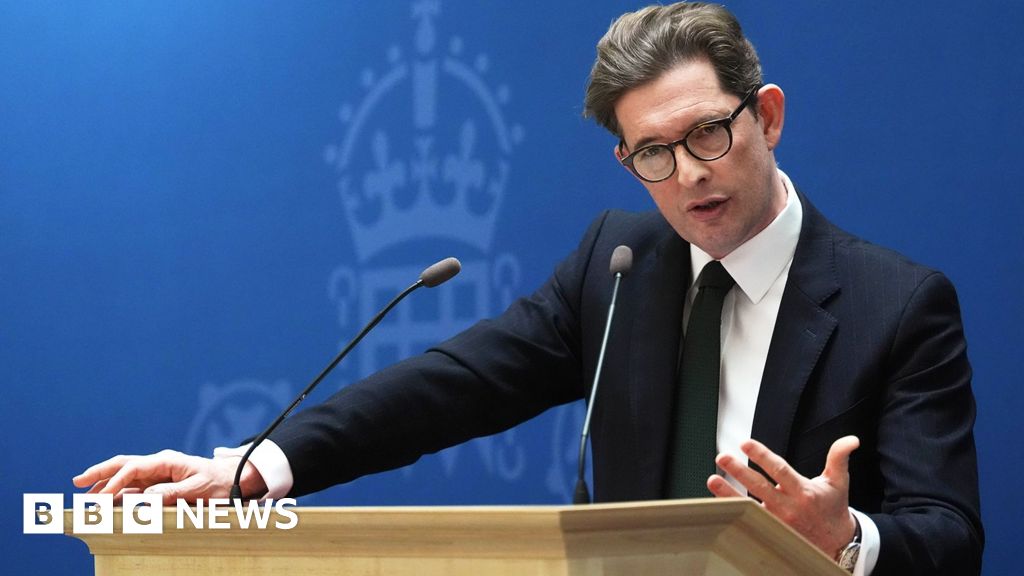
The FBI officials charges dismissal ordered by U.S. Magistrate judge Zia Faruqui on Monday has ignited a firestorm of criticism against the Department of Justice, as the judge characterized the investigation into two former agents as a “weaponization” of the legal system. In a scathing, hourlong ruling, Judge Faruqui dismissed the criminal complaint against Nikki Floris and Bradley Benavides, concluding that the prosecution was rushed, overtly political, and marred by critical procedural errors intended to influence the upcoming midterm elections.
Key Takeaways
- Judicial Dismissal: U.S. Magistrate Judge Zia Faruqui dismissed the criminal complaint against former FBI officials Nikki Floris and Bradley Benavides, citing a lack of probable cause and evidence of intent.
- “Weaponization” Allegation: The judge explicitly described the investigation and its timing as the “weaponization” of the Department of Justice (DOJ) for political purposes.
- Procedural Failures: The court highlighted several unorthodox moves, including the use of a criminal complaint instead of a grand jury indictment and the overnight filing of amended charges.
- Suspicious Timing: The charges were brought just two weeks before the Tuesday midterm elections, a move the judge noted was impossible to ignore given the calendar.
- Political Oversight: Testimony revealed that the investigation was closely monitored by FBI Director Kash Patel following a political speech by Donald Trump.
- DOJ Response: The Justice Department has stated it disagrees with the ruling and is currently evaluating its legal options.
- November 2, 2026: Judge Faruqui formally dismisses the criminal complaint.
- abc7.com
- www.thestar.com
- apnews.com
What Happened: The Ruling and the Allegations
On Monday, November 2, 2026, U.S. Magistrate Judge Zia Faruqui issued a decisive blow to a high-profile Department of Justice effort to prosecute two former members of the FBI’s Foreign Influence Task Force. The defendants, Nikki Floris and Bradley Benavides, had been accused of making false statements to the House Judiciary Committee during a 2023 congressional investigation.
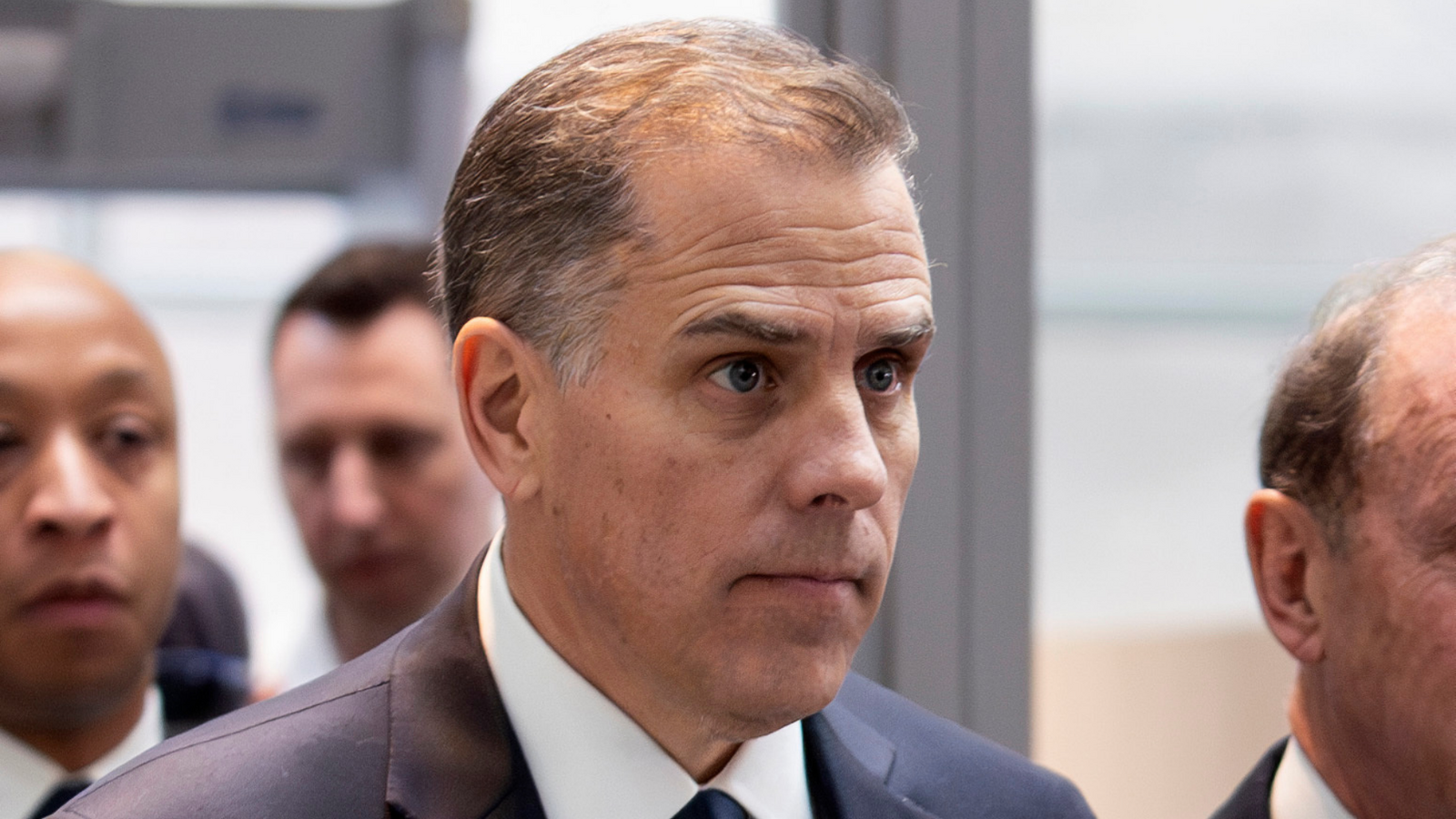
The core of the DOJ’s complaint rested on the assertion that the two officials had intentionally downplayed their knowledge of a 2019 investigation involving a laptop belonging to Hunter Biden. The laptop, which was left at a computer repair shop in Wilmington, Delaware, became a central piece of political contention after a 2020 report by the New York Post detailed email correspondence related to the younger Biden’s foreign business activities.
However, Judge Faruqui found that the prosecution’s case lacked the necessary foundation for a criminal proceeding. “Without motive, without direct evidence, I have nothing to go on to establish the probable cause needed to affirm the complaint,” Faruqui stated during the hearing. The judge noted that the DOJ failed to prove the officials had any intent to deceive Congress or that their statements had actually impeded the ongoing legislative inquiry.
Why It Matters: A Blow to DOJ Credibility
The dismissal is more than a simple legal setback for the DOJ; it is a profound rebuke of the department’s conduct during a sensitive political window. The ruling suggests that the executive branch may have bypassed traditional oversight mechanisms to achieve a specific political outcome.
For the Department of Justice, the ruling highlights a growing struggle to secure indictments in the nation’s capital. The judge pointed out that the U.S. attorney’s office appeared to be intentionally avoiding a grand jury—a body that provides a layer of citizen oversight—by opting instead for a criminal complaint. This distinction is vital: while a complaint allows for rapid action, an indictment requires a grand jury to review evidence and determine if a crime has likely been committed, acting as a check against politically motivated prosecutions.
Furthermore, the timing of the charges—filed just two weeks before the midterm elections—has fueled accusations that the justice system is being used as a tool for electoral maneuvering. Judge Faruqui was blunt in his assessment: “I will not bury my head in the sand and pretend that I cannot read a calendar.”
Deep-Dive: Procedural Errors and the Investigation Timeline
To understand why the judge reached such a severe conclusion, one must examine the specific procedural maneuvers employed by the DOJ and the timeline that led to the charges. The court identified several “critical mistakes” that undermined the integrity of the investigation.
Summary of Judicial Criticisms
| Procedural Issue | Judge’s Observation | Legal and Political Implication |
|---|---|---|
| Method of Charging | The DOJ used a criminal complaint rather than a grand jury indictment. | Bypassed grand jury oversight; typically reserved for cases requiring immediate arrest. |
| Unorthodox Filing | An amended complaint with an additional charge was filed overnight without court clearance. | Bypassed standard judicial protocols; the judge noted he had “never seen” such a maneuver. |
| Timing of Charges | Charges were brought in the immediate run-up to the midterm elections. | Strengthened perceptions of political weaponization and interference. |
| Lack of Evidence | Failure to establish motive or direct evidence of intentional deception. | Undermined the legal basis for probable cause required for the complaint. |
The Timeline of the Case
The investigation into Floris and Benavides did not emerge in a vacuum; it was closely tied to the political temperature of the country.
2019: Hunter Biden leaves a laptop at a computer repair shop in Delaware.
2020: Floris and Benavides, then with the FBI, provide a “defensive briefing” to Republican lawmakers, including Senators Chuck Grassley and Ron Johnson, regarding potential Russian disinformation related to the laptop.
2023: The defendants testify before the House Judiciary Committee, where the alleged false statements were made.
July 2026: Donald Trump delivers a primetime speech regarding election security and grievances over the 2020 election.
Late July 2026: According to testimony from FBI agent Bryan Witt, the investigation into the two former officials is opened just one day after Trump’s speech.
Late October 2026: The DOJ files criminal charges against the two former officials, roughly two weeks before the midterm vote.

Stakeholders and Reactions
The courtroom was a theater of conflicting interests, with the judiciary, the defense, and the FBI itself offering starkly different interpretations of the events.
The Defense Perspective
Lawyers representing Nikki Floris and Bradley Benavides were celebratory following the ruling. Outside the courtroom, supporters of the former officials embraced as the news broke. Defense counsel characterized the entire proceeding as a “politically motivated smear campaign” designed to score points before the Tuesday vote. They argued that any inaccuracies in the 2023 testimony were the result of faulty memories or ambiguous questioning rather than a calculated attempt to mislead.
The Internal FBI Friction
Perhaps most damaging to the DOJ’s case was the testimony of Bryan Witt, an FBI agent from the Kansas City, Missouri, office who was assigned to the investigation. Witt testified that the inquiry was widely regarded within his office as a “witch hunt” and a “huge distraction” from legitimate law enforcement duties.
Witt further revealed that the investigation was subject to unusual scrutiny. He noted that FBI Director Kash Patel—a close ally of Donald Trump—demanded and received regular updates on the progress of the case, a level of direct oversight that Witt described as highly irregular for an investigation of this nature.
The Role of Congressional Oversight
For years, the actions of Floris and Benavides have been a focal point for Republican lawmakers. Senators Chuck Grassley and Ron Johnson have long argued that the FBI’s 2020 briefings were part of a broader effort to discredit investigations into the Biden family by framing them as Russian disinformation campaigns. The dismissal of these charges provides significant political ammunition to those who argue the FBI has been compromised by partisan interests.
What It Means for You
The implications of this ruling extend far beyond the two individuals at the center of the case. Depending on your role in society, the dismissal carries different weights.
For Voters
As the midterm elections approach this Tuesday, this ruling serves as a high-profile example of the debates surrounding election integrity and the independence of federal institutions. Voters may see this as evidence of either the justice system’s ability to self-correct or as proof of deep-seated political interference in federal agencies.
For Legal Professionals and Law Enforcement
The ruling provides a cautionary tale regarding the limits of prosecutorial discretion. It underscores the risks of using criminal complaints to bypass the grand jury process in high-stakes, politically sensitive environments. For FBI agents, the testimony of Bryan Witt highlights the potential for internal morale to suffer when investigations are perceived as being driven by political mandates rather than evidentiary standards.
For Political Observers
The case sets a precedent for how much influence the executive branch can exert over investigative priorities. The direct involvement of the FBI Director in monitoring a specific case of this nature will likely be a central theme in future discussions regarding the separation of powers and the neutrality of the DOJ.
Counterpoints and Open Questions
While Judge Faruqui’s ruling was a resounding rebuke, the matter is not entirely settled. The Department of Justice has expressed its disagreement with the decision and is currently evaluating its options.
The DOJ’s Argument: Prosecutors argued during the hearing that the former officials had a clear incentive to minimize their knowledge of the laptop to distance themselves from the political fallout of the task force’s handling of the narrative. They maintained that the investigation was a legitimate effort to ensure congressional oversight was not being obstructed.
The Risk of Indictment: The primary open question is whether the DOJ will attempt to circumvent this dismissal by seeking a grand jury indictment. While the judge’s ruling was scathing, it did not legally bar the government from presenting its evidence to a grand jury. However, the judge’s comments regarding the DOJ’s difficulty in securing indictments in Washington, D.C., for politically sensitive cases, suggest that such a move would face an uphill battle.

Frequently Asked Questions
Who are Nikki Floris and Bradley Benavides?
Nikki Floris and Bradley Benavides are former officials within the FBI’s Foreign Influence Task Force. This task force was originally established during the first Trump administration to monitor foreign influence campaigns but was disbanded last year. They were accused of lying to Congress regarding their knowledge of the Hunter Biden laptop investigation.
Why did the judge dismiss the charges?
U.S. Magistrate Judge Zia Faruqui dismissed the charges because the DOJ failed to establish probable cause. Specifically, the judge found no direct evidence that the officials intended to deceive Congress and noted that the investigation was “rushed” and “overtly political,” characterized by critical procedural errors and suspicious timing near the midterm elections.
Can the DOJ refile the charges?
Yes, the Department of Justice retains the option to pursue a grand jury indictment. The judge’s dismissal applied to the criminal complaint, not a permanent ban on prosecution. However, the judge noted that the department has struggled to secure indictments in politically sensitive cases in the capital, making a successful second attempt uncertain.
What was the Hunter Biden laptop connection?
In 2019, Hunter Biden left a laptop at a computer repair shop in Delaware. The laptop contained emails concerning his foreign business dealings. The DOJ alleged that Floris and Benavides misled Congress in 2023 about what they knew regarding the investigation into this laptop and whether the FBI had properly addressed potential disinformation related to it.
What Happens Next
The immediate focus will now shift to the upcoming midterm elections on Tuesday. The political fallout from a federal judge labeling the DOJ’s actions as “weaponization” is expected to be a significant talking point for both major political parties.
In the legal sphere, the world will be watching to see if the Department of Justice follows through on its promise to evaluate its options. If the DOJ moves to seek a grand jury indictment, it will test the limits of the judge’s criticisms and the department’s ability to overcome the procedural and evidentiary hurdles identified by Faruqui. Any decision made by the DOJ in the coming weeks will serve as a critical signal regarding the future of politically sensitive prosecutions in the United States.
References
Featured image: Image via Toronto Star