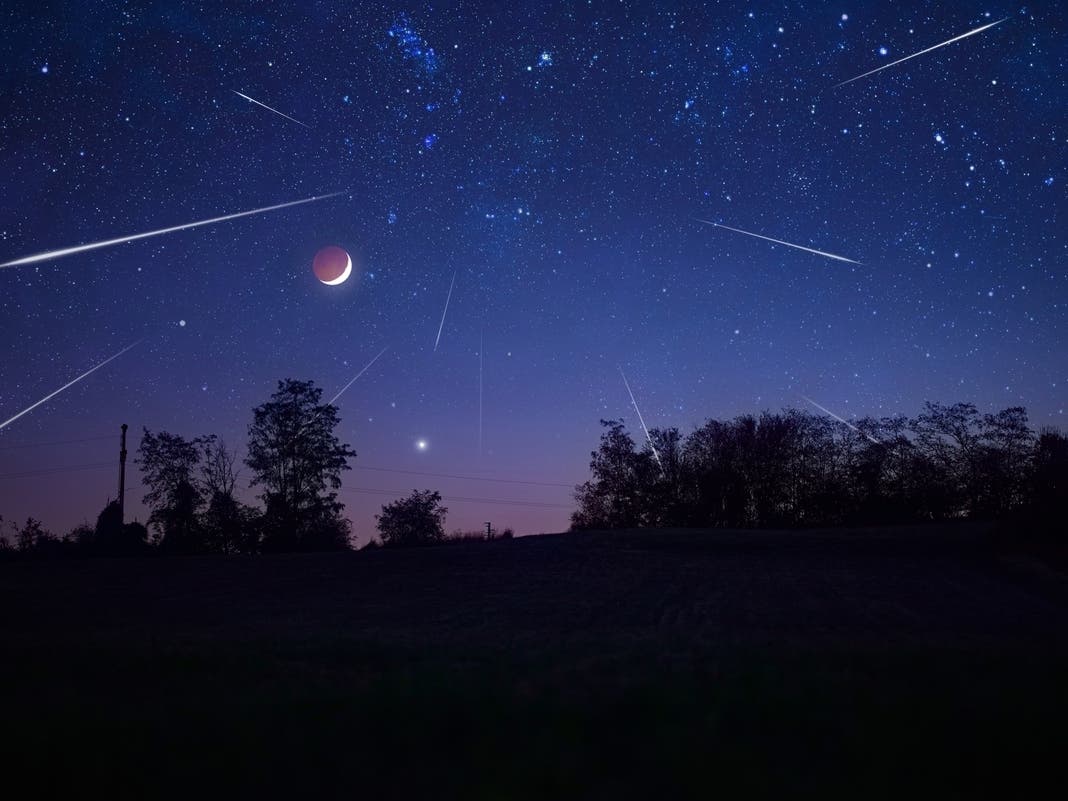
The Southern Taurid meteor shower is expected to reach its peak activity between the night of November 4 and the early morning of November 5, 2026, offering stargazers a rare opportunity to witness brilliant, slow-moving fireballs streaking across the night sky.
Key Takeaways
- Peak Viewing Window: The Southern Taurids peak overnight between Nov. 4 and Nov. 5, 2026.
- Spectacular Fireballs: Unlike faster showers, the Taurids are known for bright fireballs caused by larger debris.
- Constellation Guide: Observers should look toward the Taurus constellation, easily found by locating Orion’s belt.
- Upcoming Events: The peak is followed by the Leonids (Nov. 16–17) and the highly anticipated Geminids (Dec. 13–14).
- Supermoon Sequence: A rare series of four consecutive supermoons will begin in late November 2026.
- Neptune: Visible in the evening sky near Saturn, though its faintness requires binoculars or a telescope for clear observation.
- Beaver Moon (Full): Nov. 24, 2026, at a distance of 224,170 miles.
- Cold Moon (Full): Dec. 23, 2026, at a distance of 221,667 miles. This is expected to be the largest and brightest of the four.
- Wolf Moon (Full): Jan. 22, 2027, at a distance of 222,230 miles.
- Snow Moon (Full): Feb. 20, 2027, at a distance of 225,749 miles.
- Nov. 11–12: Peak of the Northern Taurids.
- Nov. 15–16: Jupiter and Mars pass near the star Regulus.
- Nov. 16–17: Peak of the Leonid meteor shower.
- Nov. 24: The first supermoon of the sequence (Beaver Moon).
- Nov. 25: Uranus reaches opposition.
- Dec. 13–14: Peak of the Geminid meteor shower.
- Dec. 23: The largest supermoon of the season (Cold Moon).
- patch.com
- www.ksl.com
What Happened
As Earth passes through the debris trail left by comet 2P/Encke, the Southern Taurid meteor shower is currently in its active phase. While the shower began in September, the most intense activity is forecasted for the overnight hours of Thursday, Nov. 5, 2026. According to estimates from EarthSky, the peak is expected around 3 p.m. ET on Nov. 5, though the best visual opportunity for observers in the Northern Hemisphere will be around midnight.
These meteors strike the Earth’s atmosphere at approximately 65,000 miles per hour. This relatively slower speed compared to other showers, such as the Orionids, allows them to remain visible in the sky for longer durations. The meteors appear to radiate from the Taurus constellation, though they can be seen from almost anywhere on the globe, with the exception of the South Pole.
Why It Matters
While many meteor showers consist of tiny dust grains that burn up instantly, the Taurids are unique due to their frequency of “fireballs.” Bill Cooke, head of NASA’s Meteoroid Environment Office, noted that while these fireballs are not constant, they are exceptionally memorable. “What makes the Taurids spectacular is that they’re rich in bright fireballs,” Cooke said. “There are not many of them, but when you see one, you’ll remember it.”
These fireballs are caused by debris ranging in size from a marble to a small boulder. When such large objects enter the atmosphere, they can become brighter than the planet Venus. Some fireballs leave behind lines of ionized air molecules that vanish within seconds, while others create smoke-like vapor trails that linger in the atmosphere for several minutes.
Beyond the visual spectacle, the study of these showers provides critical data for space safety. Cooke’s work at NASA involves forecasting these events to protect spacecraft and crews from potential debris impacts. Current data suggests that while 2026 is experiencing a relatively moderate period, the planet is heading toward a much denser swarm of Taurid debris in 2032.
The Science of the Taurid Debris Trail
To understand why these meteors occur, one must look to the history of comet 2P/Encke. This comet holds the distinction of having the shortest orbital period of any known comet in our solar system, circling the Sun approximately every 3.3 years.
Scientists believe that comet Encke was originally part of a much larger celestial body that underwent a significant breakup roughly 20,000 years ago. This fragmentation created a complex of debris that results in multiple meteor showers, including both the Southern Taurids (active Sept. 20 – Nov. 20) and the Northern Taurids (active Oct. 20 – Dec. 10).
Comparing the Late 2026 Meteor Showers
| Meteor Shower | Peak Date | Characteristics | Origin |
|---|---|---|---|
| Southern Taurids | Nov. 4–5, 2026 | Slow, bright fireballs | Comet 2P/Encke |
| Northern Taurids | Nov. 11–12, 2026 | Nearby debris trail | Comet 2P/Encke |
| Leonids | Nov. 16–17, 2026 | Very fast, colorful trails | Unknown/Debris |
| Geminids | Dec. 13–14, 2026 | Bright, yellowish, high frequency | Asteroid 3200 Phaethon |
The Geminids are particularly notable, with experts describing them as “hands-down the best in the heavens.” Unlike the Taurids, which provide a few high-quality fireballs, the Geminids can produce up to 120 meteors per hour during their peak.
Planetary Visibility in November 2026
For those watching the Southern Taurid meteor shower, the night sky will also be crowded with other celestial bodies. November 2026 offers a rare opportunity to see all seven planets beyond Earth.
A Guide to the Planets
Mercury: Difficult to spot early in the month, but becomes visible in the eastern sky shortly before sunrise starting around Nov. 20.
Venus: Highly visible before sunrise throughout the month, growing increasingly bright in the eastern sky.
Mars: Visible during the late-night and pre-dawn hours. In early November, it rises in the east shortly after midnight.
Jupiter: Positioned near Mars during the late night and before sunrise. On Nov. 15–16, Jupiter and Mars will appear in close proximity to the star Regulus.
Saturn: Visible every evening in the southeastern sky after sunset. While visible to the naked eye, observing its rings requires a telescope.
Uranus: Reaches opposition on Nov. 25, making it an optimal target for evening viewing. Binoculars or a telescope are recommended.
The Rare Supermoon Sequence
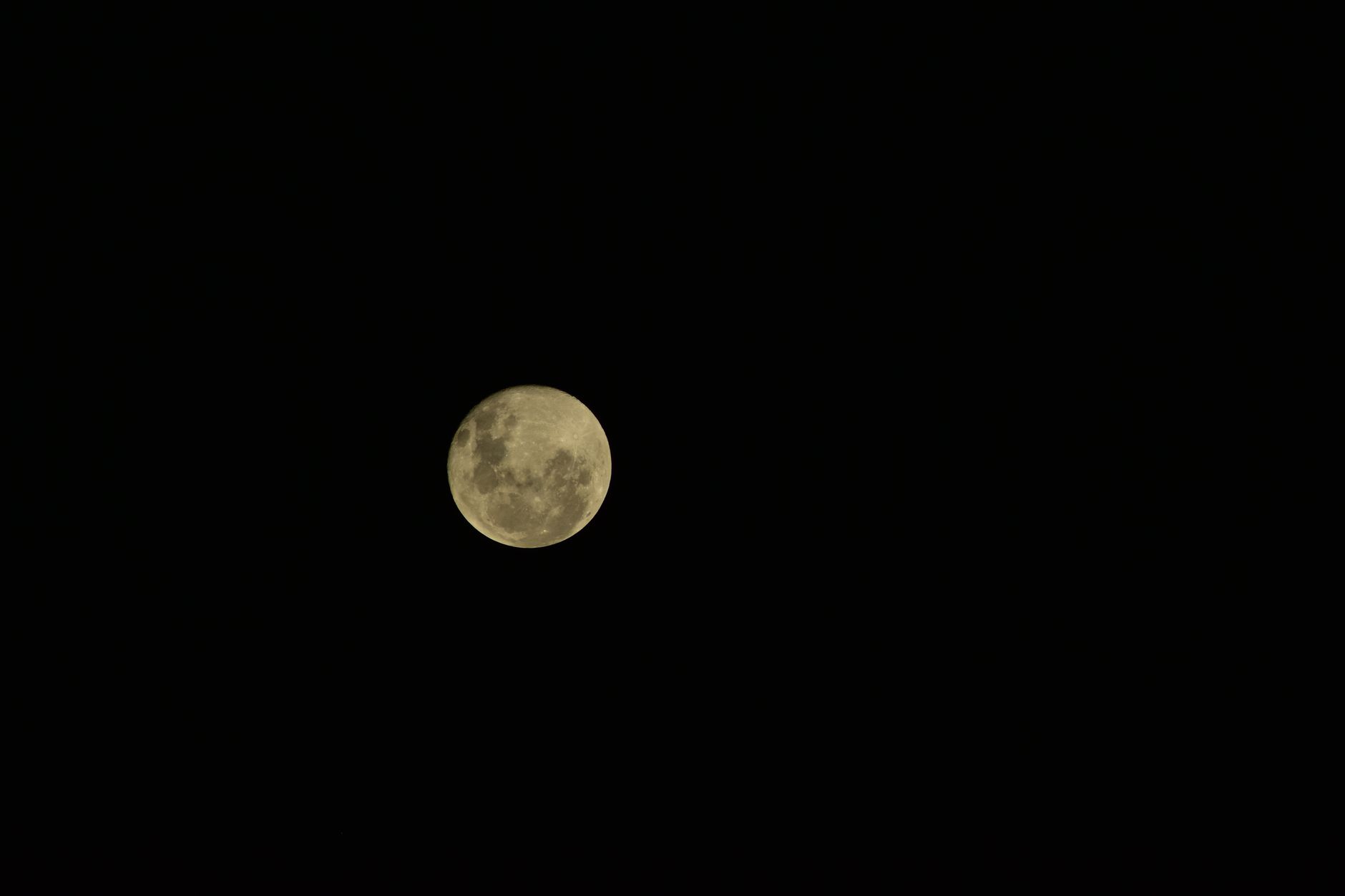
Adding to the celestial excitement of late 2026 is a rare sequence of four consecutive supermoons. A supermoon occurs when a full moon coincides with its closest approach to Earth in its elliptical orbit.
The variance in distance between the largest and smallest supermoon in this sequence is approximately 4,100 miles, a difference that may be subtle to the naked eye but is significant for astronomical tracking.
What It Means for You
If you are planning to observe the Southern Taurid meteor shower, success depends heavily on your environment and preparation.
For casual observers: You do not need expensive equipment. As Bill Cooke stated, “All you need is your eyes.” However, you must find a location away from city lights. To maximize your chances, give your eyes at least 30 minutes to adjust to the darkness. Crucially, avoid looking at your phone during this period, as the blue light will reset your night vision.
For location-specific viewing: If you are in California, weather may play a role. Forecasts for San Francisco suggest cloudy skies on Wednesday night, which could obscure the view. However, San Diego is expected to have partly cloudy skies, offering a better window for spotting the fireballs.
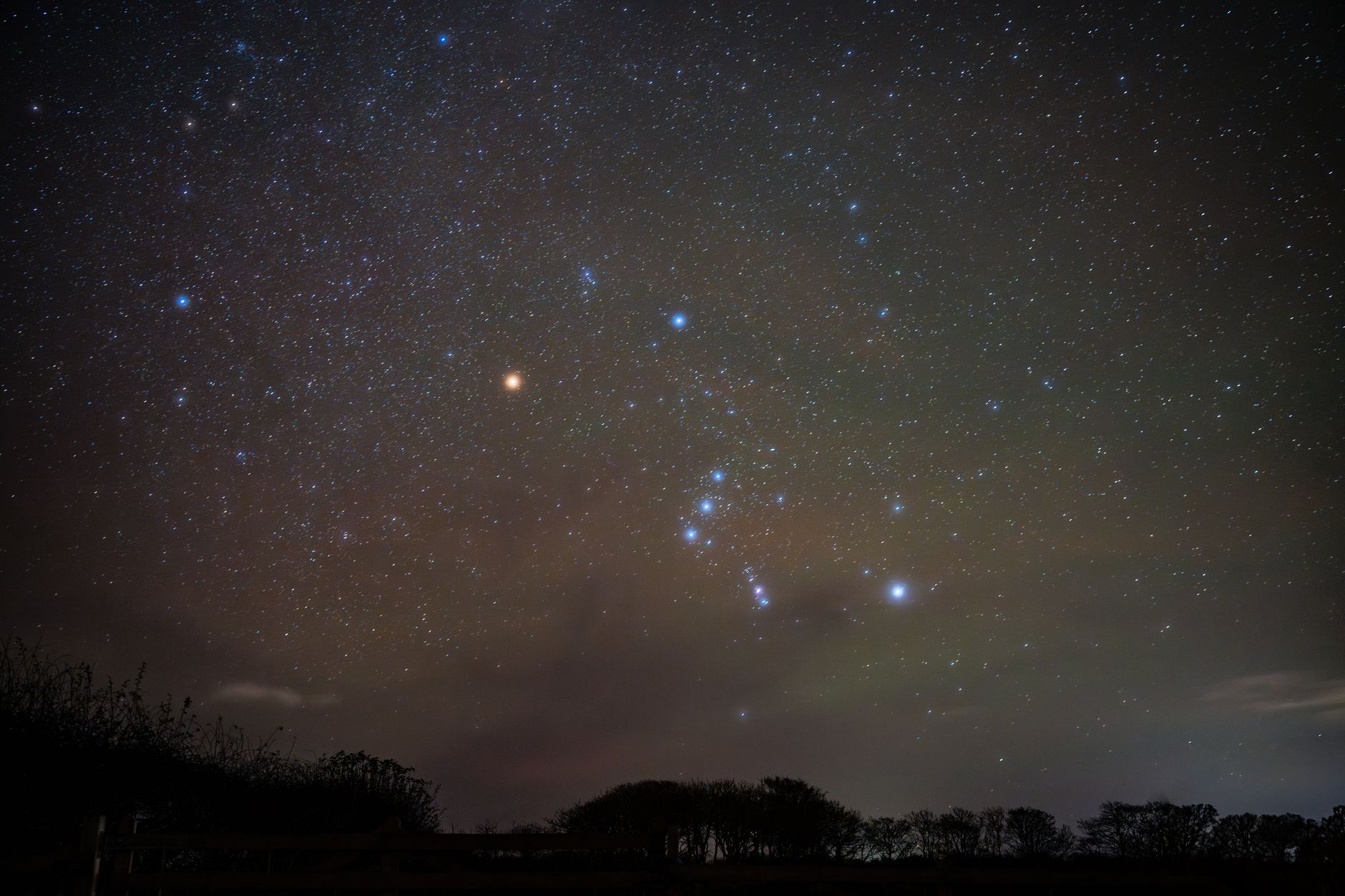
For navigation: Bethany Cobb Kung, an associate professor at George Washington University, suggests using the constellation Orion as a landmark. “If you can find Orion and look to the right, that’s where Taurus is,” Kung advised. Once you are pointed in the general direction of Taurus, you do not need to stare at one specific point; simply scan the sky.
Counterpoints and Open Questions
While the Taurid shower is a reliable annual event, there are variables that can impact the experience. The primary risk for most observers is atmospheric interference. Cloud cover, as seen in the San Francisco forecast, remains the greatest obstacle to celestial observation.
Furthermore, there is a distinction between the frequency and the quality of the meteors. The Taurids only produce about five meteors per hour, which can be frustrating for those expecting the high-volume displays seen in the Geminids. The “lull” mentioned by NASA experts suggests that while 2026 is a year for quality (fireballs), it is not a year for quantity. This leads to the question of when the next truly massive swarm will occur—a question answered by the predicted surge in 2032.
What Happens Next
Stargazers should keep their eyes on the sky through the end of the year, as the 2026 celestial calendar is exceptionally busy. Following the Southern Taurids, mark these dates for your calendar:
Frequently Asked Questions
How can I find the Taurus constellation to see the meteors?
To find Taurus, first locate the constellation Orion. Find the three bright stars that make up Orion’s belt. If you look to the right of the belt, you will be looking toward the general area of the Taurus constellation. You do not need to pinpoint a single star; simply orient yourself toward that region of the sky.
What is the difference between a meteor and a fireball?
Most meteors are caused by tiny particles, often the size of dust grains, that burn up upon entering the atmosphere. A fireball is a much larger meteor, caused by debris the size of a marble or a small boulder. Because of their size, fireballs are significantly brighter and can leave lasting trails of light or smoke in the sky.
Why is the year 2032 being mentioned by NASA?
Bill Cooke of NASA noted that we are currently in a “lull” in the Taurid debris field. The Earth is expected to pass through a much denser swarm of debris left by comet 2P/Encke in 2032. During that year, observers can expect a much higher frequency of brilliant fireballs compared to the current 2026 activity.
Do I need a telescope to see the meteor shower?
No. In fact, a telescope is not recommended for watching meteor showers because it limits your field of view. The best way to view meteors is with the naked eye, allowing you to see as much of the sky as possible. Telescopes and binoculars are better suited for observing planets like Saturn or Neptune.
As the Southern Taurid meteor shower reaches its peak, the combination of slow-moving fireballs and a busy planetary sky provides a unique window for astronomical observation
References
Featured image: Image via Across California, CA Patch