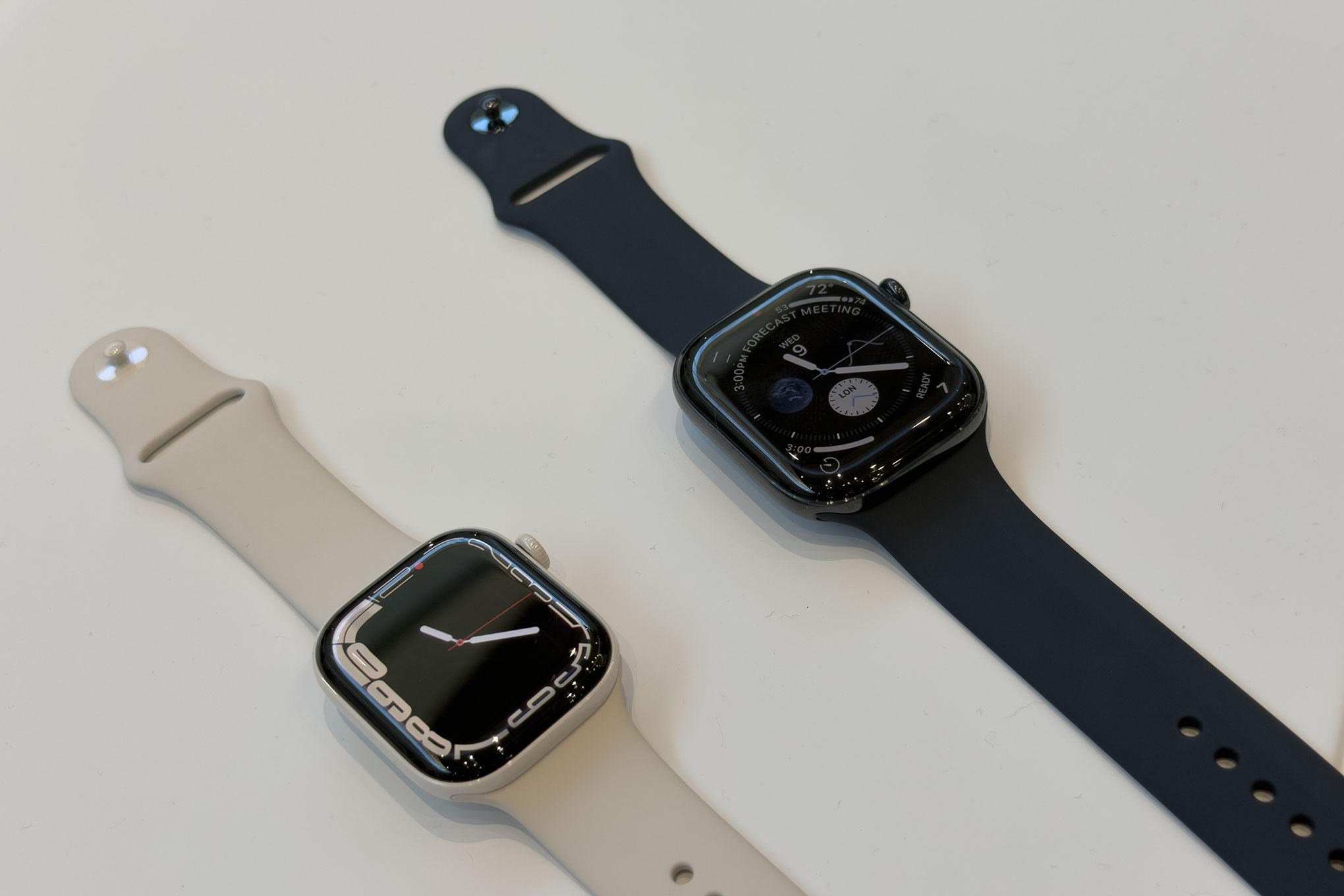
The new apple Watch Series 12 marks a fundamental shift in the evolution of wearable technology, moving the device from a passive notification hub toward a proactive, high-frequency health monitoring companion. Announced during Apple’s “Surprise and shine” event on September 9, 2026, the latest generation of smartwatches introduces a complete internal overhaul centered on the new S11 chip and a significantly redesigned sensor architecture.
Key Takeaways
- Advanced Biometrics: The new “32-petal” sensor array enables heart rate tracking every five seconds, a massive increase in data frequency compared to previous models.
- S11 Chip Integration: The new processor doubles RAM to 4GB and includes a secure hardware enclave for new “audio Intelligence” features.
- Return of ceramic: Apple has reintroduced ceramic casing in Pearl White and Night Blue, positioned at a more aggressive price point than previous luxury editions.
- Enhanced Durability: Aluminum models now feature Ceramic Shield 2, which Apple claims is 60% tougher than previous Ion-X glass.
- Ultra 4 Endurance: The premium Ultra 4 model sees a battery life increase to 50 hours of normal usage.
- New Readiness Metrics: A new Readiness app provides a daily 0–10 score based on sleep, vitals, and activity, though it requires a one-week data calibration period.
- Continuous Data Processing: The ability to handle high-frequency biometric sampling without draining the battery.
- On-Device AI: The S11 includes a hardware-isolated “secure exclave” designed to process audio data locally. This is critical for the upcoming “Audio Intelligence” features, ensuring that sensitive conversations are processed on the chip rather than being uploaded to the cloud.
- Siri Recap: A feature that provides high-level text summaries of conversations or spoken words heard in the user’s environment.
- Live Rewind: Allows users to double-click the Digital Crown to receive a text-only transcription of the last 15 seconds of audio.
- Sound Recognition: Automatically identifies environmental sounds like sirens or doorbells and provides text alerts.
- www.theverge.com
- www.macrumors.com
- 9to5mac.com
- www.dcrainmaker.com
- www.hodinkee.com
What Happened: The 2026 Apple Watch Launch
On September 9, 2026, Apple unveiled its latest wearable lineup, headlined by the Apple Watch Series 12 and the Apple Watch Ultra 4. While the external design remains largely consistent with the Series 11, the internal components have undergone a major generational leap. According to reporting from The Verge, the launch focuses on a technological pivot driven by the S11 chip and a redesigned sensor system intended to improve biometric accuracy.
Following the initial announcement, the devices became available for preorder on September 9, with the official retail launch occurring on September 18, 2026. The lineup offers a tiered approach to materials and pricing. The entry-level aluminum Series 12 starts at $399, while the premium titanium models are priced at $699. For enthusiasts seeking luxury finishes, the new ceramic models start at $899. The high-end Apple Watch Ultra 4 enters the market at a starting price of $799, offering enhanced battery life and ruggedized features for athletes.
Why It Matters: From Tracking to Intelligence
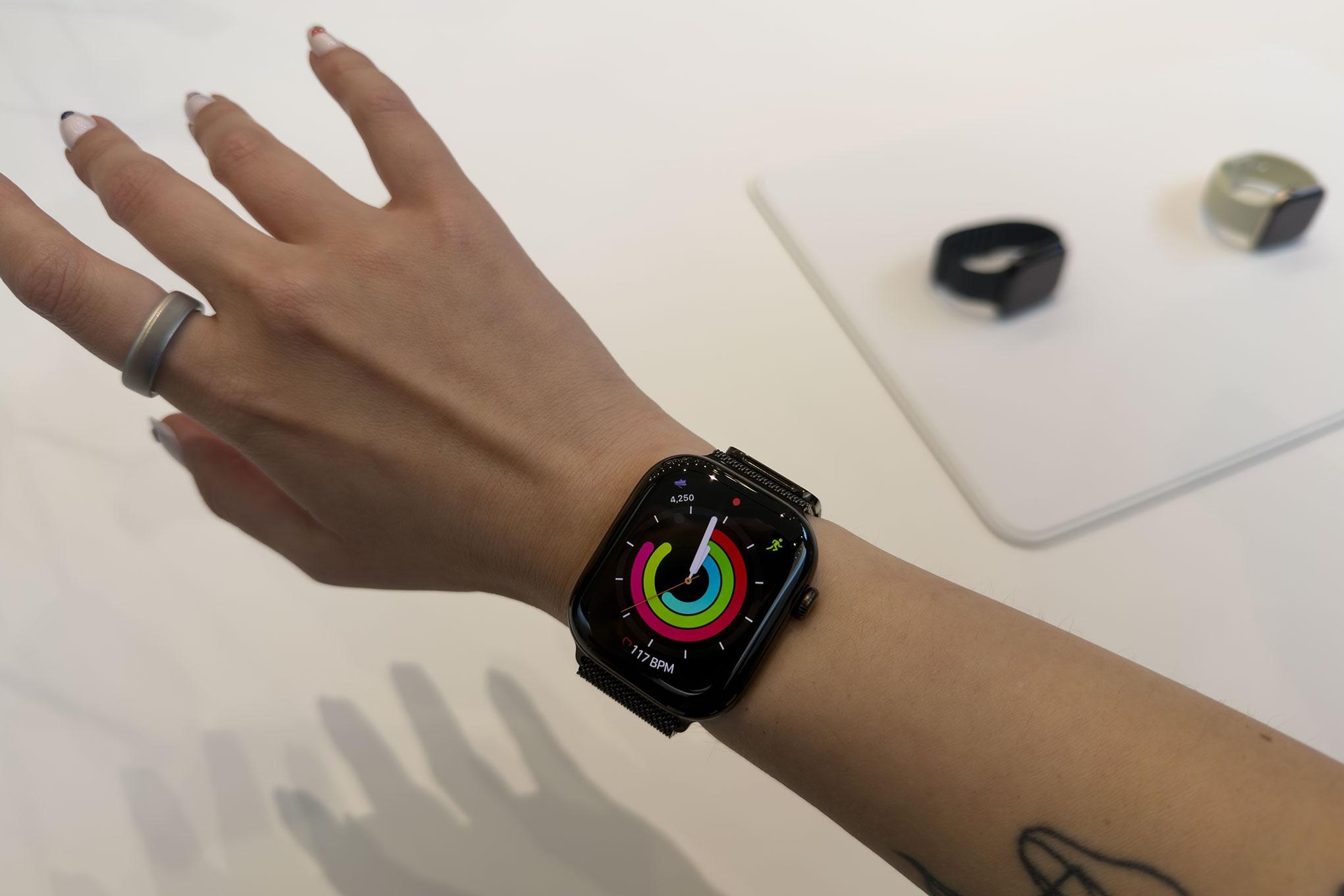
This update is significant because it represents the transition of the Apple Watch from a reactive device—one that tells you what has happened—to a proactive device that helps you decide what should happen next. The integration of the S11 chip and the upgraded Health Sensing System allows the watch to capture physiological nuances that were previously invisible to consumer wearables.
By increasing the frequency of heart rate sampling from once every five minutes to once every five seconds, Apple is providing a granular view of how the human body responds to micro-stresses, such as walking up stairs or carrying heavy groceries. This data density is the foundation for the new Readiness score, a feature that attempts to quantify a user’s physical capacity for the day. As 9to5Mac reviewer Chance Miller noted, the focus is on transforming the device into a “proactive health companion.”
Deep-Dive: The Engineering of the S11 Chip and Sensor Array
The S11 Processor Architecture
At the heart of both the Series 12 and Ultra 4 is the S11 chip. This processor is not merely a speed bump; it is a structural upgrade. According to 9to5Mac, the S11 incorporates components derived from the A20 Pro chip found in the iPhone 18 Pro, effectively doubling the device’s RAM from 2GB to 4GB.
This increased memory and processing power are essential for two primary reasons:
The “32-Petal” Sensor System
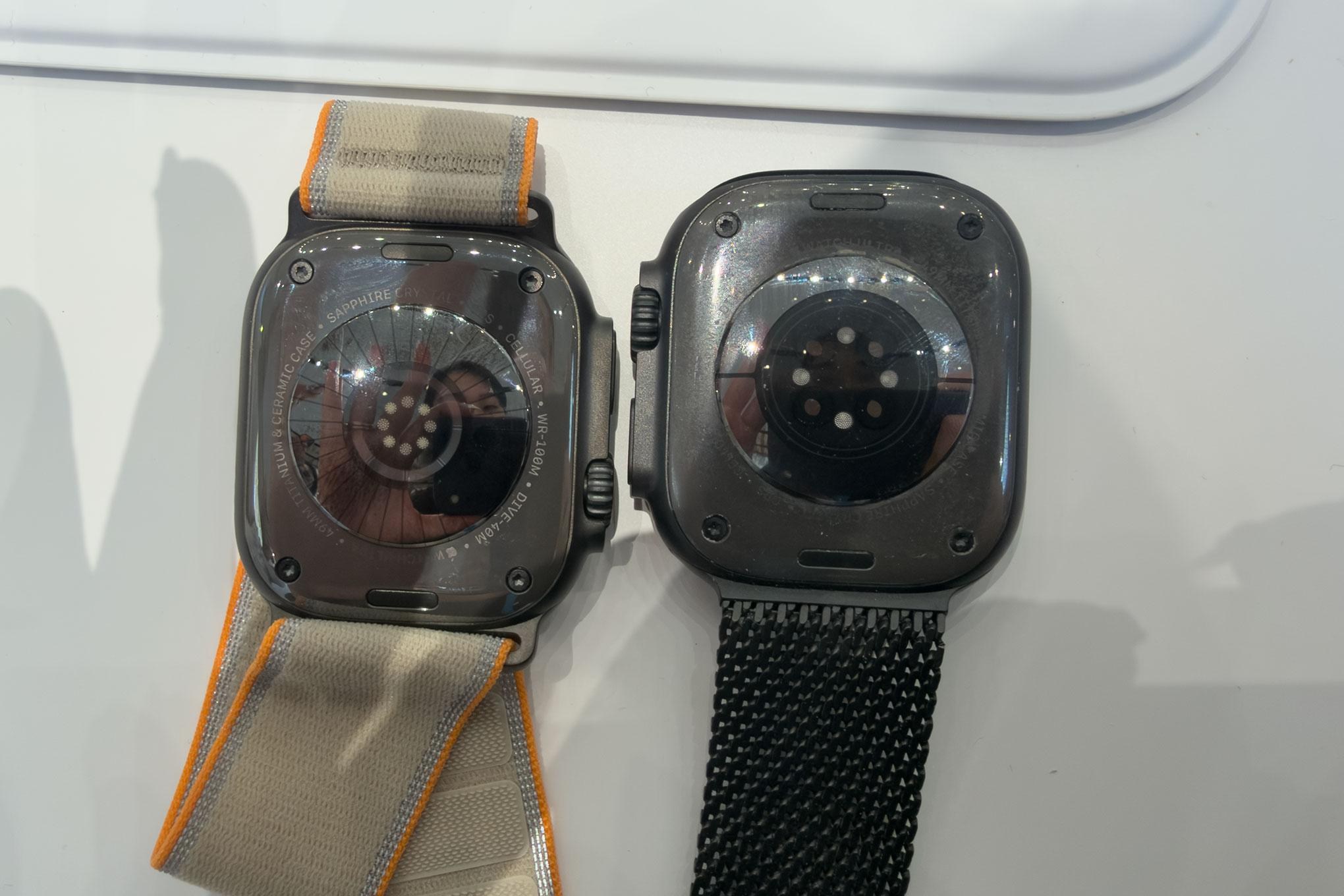
The most visible hardware change is located on the back of the watch. Apple representatives stated that the new models utilize a “32-petal design” for the sensor array, a significant upgrade from the “two-petal design” used in previous generations. This design refers to the spoke-like lines emanating from the electrode, which increases the contact area for more accurate ECG readings.
To further improve accuracy, Apple engineers redesigned the optical sensors in a ring configuration to minimize light leakage. The array also features larger green LEDs to provide more reliable readings during intense physical movement and improved power efficiency. This hardware overhaul allows the watch to measure Heart Rate Variability (HRV) as frequently as every five minutes while at rest, compared to once every two hours on older models.
| Feature | Apple Watch Series 12 | Apple Watch Ultra 4 |
|---|---|---|
| Starting Price | $399 (Aluminum) | $799 |
| Chipset | S11 (4GB RAM) | S11 (4GB RAM) |
| Battery (Normal) | Up to 24 hours | Up to 50 hours |
| Fast Charging | 12 hrs in 15 mins | 18 hrs in 15 mins |
| Materials | Aluminum, Titanium, Ceramic | Titanium |
| Glass Type | Ceramic Shield 2 (Aluminum) | Sapphire Crystal |
The Return of Ceramic and Material Innovations
Apple has made a strategic move by bringing back ceramic as a case material, a choice that appeals to the luxury-leaning segment of the smartwatch market. The new ceramic models come in two distinct shades: Pearl White, which offers a warmer hue than the 2019 Series 5 predecessor, and Night Blue, a deep, glossy navy that appears almost black in low light.
Unlike previous luxury editions that were positioned as extreme status symbols, the Series 12 ceramic models are priced more competitively. Starting at $899, they sit significantly lower than the original $1,299 ceramic Apple Watch Edition from 2019. This suggests Apple is attempting to bridge the gap between high-end titanium models and ultra-luxury Swiss timepieces.
Beyond ceramic, the aluminum models have received a durability boost. Apple has replaced the standard Ion-X glass with Ceramic Shield 2. According to company claims, this new material is 60% tougher than previous iterations, providing better protection against shattering, though reviewers note it may still be susceptible to fine scratches over time.
Audio Intelligence: The Privacy-First AI Frontier
One of the most controversial and technologically advanced additions is the suite of Audio Intelligence features, which are scheduled to roll out later in 2026. Powered by the S11 chip’s secure enclave, these features include:
While these features offer massive potential for accessibility—particularly for the hard of hearing—they have also ignited a debate regarding social privacy. DC Rainmaker reported that some users expressed concern that the ability to summarize ambient conversations could lead to non-consensual recording of bystanders. Apple has countered these concerns by stating that no audio recordings are stored; the S11 chip processes the audio in real-time and immediately discards it, providing only a text summary without speaker identification.
What It Means for You
Deciding whether to upgrade to the Apple Watch Series 12 depends heavily on your current hardware and your health priorities.
If you are a Series 9 or Ultra 2 owner:r>
An upgrade is highly recommended. The leap in sensor accuracy, the doubling of RAM, and the introduction of the Readiness score and advanced HRV tracking represent a significant functional upgrade that goes beyond mere incrementalism.
If you are a Series 10 or 11 owner:r>
The upgrade is less urgent. While the S11 chip is faster and the fast-charging capabilities are improved, the physical form factor and the core user experience will feel very similar to your current device. The decision should rest on whether you specifically require the new health metrics or the upcoming Audio Intelligence features.
If you are a serious athlete:r>
The Apple Watch Ultra 4 is the clear winner. With a jump to 50 hours of normal battery life and a specialized “Max Extended Mode” that provides 45 hours of GPS tracking without sacrificing heart rate frequency, it addresses the primary pain point for long-distance endurance athletes.
Counterpoints and Open Questions
Despite the technological advancements, the new generation is not without criticism. A significant point of contention among the fitness community is Apple’s continued refusal to allow the watch to broadcast heart rate data via Bluetooth to third-party devices like bike computers. As noted by commenters in DC Rainmaker’s report, this “ecosystem lock-in” limits the utility of the watch’s highly accurate sensors for serious cyclists and triathletes.
Furthermore, there is skepticism regarding the Readiness score. Some users have argued that the score focuses too heavily on cardiovascular metrics and fails to account for neuromuscular fatigue or muscle soreness (DOMS), which are also critical components of physical readiness.
Finally, the privacy implications of Siri Recap remain an open question. While Apple has implemented robust on-device processing, the psychological impact of knowing a device is constantly “listening” to summarize conversations may influence social norms and professional etiquette in ways that are currently unpredictable.
What Happens Next
The immediate future for the Apple Watch ecosystem involves a phased software rollout. While the hardware is available now, the most transformative features—including the redesigned Health App, the Longevity metrics, and the Audio Intelligence suite—are expected to arrive in beta versions throughout the latter half of 2026.
Users should also watch for updates regarding the Health Age feature, which aims to provide a holistic view of wellness by aggregating data from sleep, VO2Max, and metabolic metrics. As Apple continues to refine these algorithms, the watch will likely become even more integrated into the broader “Apple Intelligence” ecosystem.
Frequently Asked Questions
How long does it take for the Readiness score to become active?
Because the Readiness score relies on complex trends in your sleep, vitals, and activity, it requires approximately one week of continuous data collection. Users should not expect an accurate score immediately upon unboxing the device.
Does the fast charging work with my old Apple Watch charger?
No. To achieve the new fast-charging speeds—such as gaining 12 hours of battery in 15 minutes for the Series 12—you must use the specific charger included in the box. Older magnetic chargers are incompatible with these high-speed charging protocols.
Is the ceramic Apple Watch more fragile than the titanium model?
While Apple subjects its ceramic cases to the same rigorous durability and drop tests as the rest of the lineup, ceramic is inherently a different material than titanium. However, the return of ceramic comes with improved manufacturing processes, including new heat-soak stages to increase hardness and durability.
Can I use the Siri Recap feature without internet access?
Yes. One of the primary design goals of the S11 chip is to enable on-device processing. This means the audio intelligence features are designed to function locally on the watch to enhance both speed and user privacy.
—
The Apple Watch Series 12 and Ultra 4 represent a calculated move by Apple to dominate the intersection of high-end luxury and proactive health management. By prioritizing sensor density and processing power, Apple is positioning its wearables not just as accessories, but as essential tools for managing long-term human health.
References
Featured image: Image via The Verge