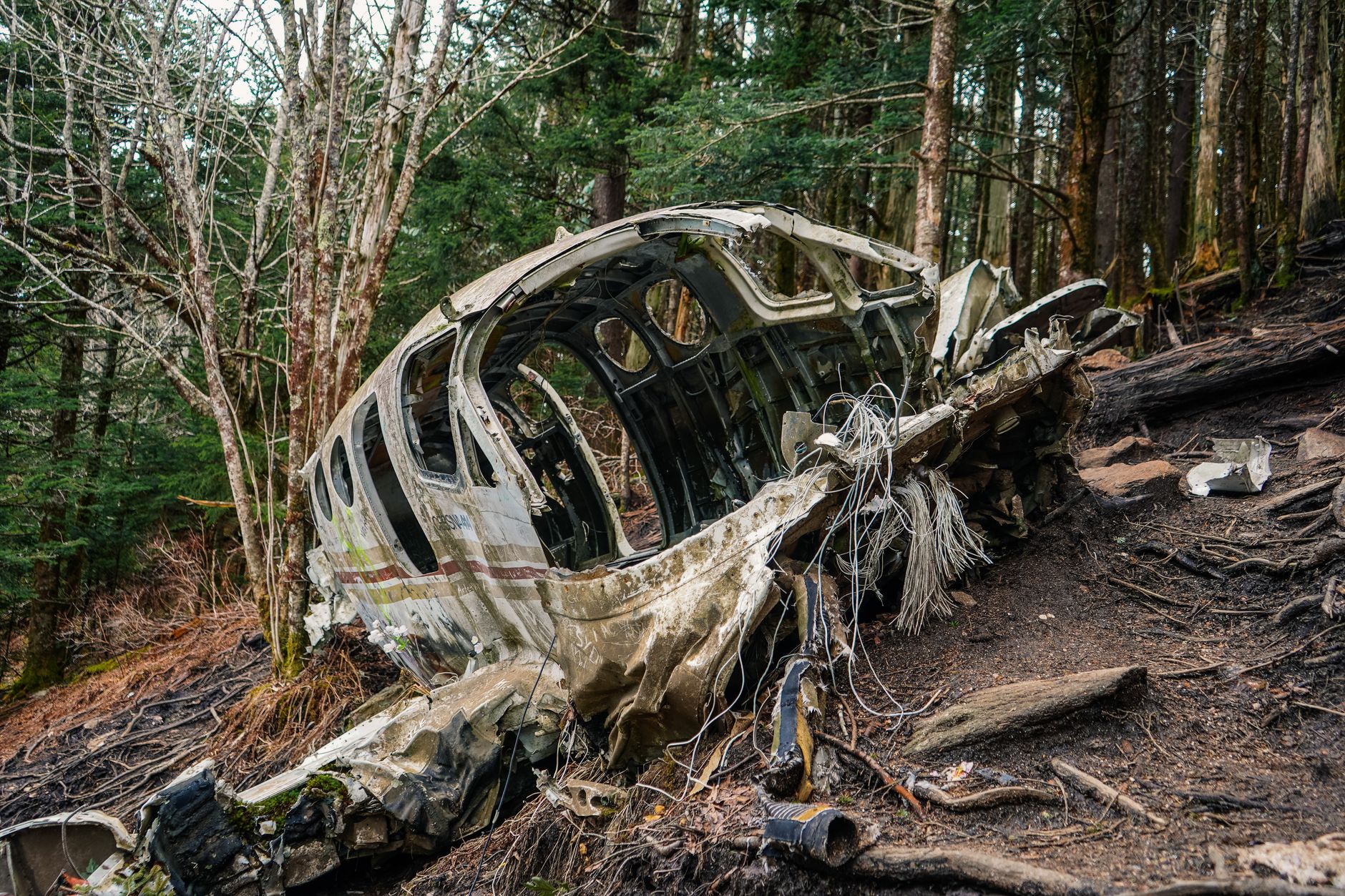
The LA news helicopter crash that occurred on Tuesday, September 16, 2026, has claimed the lives of a prominent journalist, a veteran pilot, and a pedestrian, sparking a renewed debate over the safety and necessity of aerial news coverage.
Key Takeaways
- Fatalities Confirmed: The crash killed journalist Eliana Moreno, pilot George Marciniw, and pedestrian Edy Fernando Gutiérrez Mejía.
- Incident Context: The helicopter was providing live aerial coverage of a collision involving an SUV and a city bus when the accident occurred.
- Industry Impact: The tragedy highlights the inherent risks of “eye in the sky” journalism, a tradition in Los angeles for nearly 70 years.
- Safety Debate: Industry veterans are questioning the balance between essential breaking news coverage and the pursuit of viewership through non-essential aerial shots.
- Victim Legacies: The victims include a rising bilingual reporter, a pilot with over three decades of experience, and a visitor to the city from Guatemala.
- The 1992 LA Riots: Helicopters captured the violence and civil unrest, including the attack on Reginald Denny.
- The OJ Simpson Chase: In June 1994, aerial footage of OJ Simpson’s white Ford Bronco fleeing down the 91 freeway became a global cultural phenomenon.
- For Viewers: Expect potential changes in how local stations deploy aerial assets. There may be a shift toward more cautious deployment, focusing strictly on high-priority breaking news rather than routine traffic or lifestyle shots.
- For Media Professionals: The industry may see increased scrutiny regarding safety protocols and the decision-making processes that lead to flight assignments.
- For Residents: The presence of news helicopters remains a staple of the LA landscape, but the conversation around their safety and the ethics of their use is likely to intensify.
- What was the primary cause of the mechanical or operational failure?
- Did the mission’s objective (covering a vehicle collision) necessitate the flight at that specific altitude and location?
- Will this incident lead to new regulatory oversight from aviation authorities regarding news-gathering flights?
- Official Investigation: Aviation authorities will conduct a thorough investigation into the cause of the crash, examining both mechanical data and pilot logs.
- Repatriation Efforts: The family of Edy Fernando Gutiérrez Mejía is working to bring him home to Guatemala.
- Industry Reflection: News organizations, including NBC Los Angeles and Telemundo 52, are expected to undergo internal reviews of their aerial safety protocols.
- www.theguardian.com
What Happened
On Tuesday, September 16, 2026, a news helicopter crashed while performing live aerial reporting over Los Angeles. According to reports from NBC Los Angeles, the aircraft was documenting a traffic collision between a city bus and an SUV at the time of the incident. The crash resulted in three immediate fatalities.
NBC Los Angeles anchor Colleen Williams addressed the tragedy on air, stating, “We are coming on the air with heavy hearts tonight because we lost valued friends and colleagues.” The news organization confirmed that the victims were Eliana Moreno, a journalist, and George Marciniw, the pilot. A third individual, identified as Edy Fernando Gutiérrez Mejía, was a pedestrian killed on the ground.
Moreno and Marciniw were employees of Angel City Air, providing aerial support for both NBC4 and Telemundo 52. The crash was captured on live television, with shaky and emotional footage appearing to show the moment of impact before the broadcast was interrupted.
Why It Matters
The death of Eliana Moreno and George Marciniw is more than a local tragedy; it is a significant loss to the Los Angeles media landscape. For decades, the “eye in the sky” has been a fundamental component of Southern California’s news identity, providing a perspective that ground crews simply cannot achieve in a city defined by sprawling freeways and heavy traffic.
However, this incident brings the physical risks of the profession back into sharp focus. Since the year 2000, there have been at least eight fatal crashes involving news helicopters in the United States, resulting in the deaths of 16 people. As newsrooms continue to rely on aerial assets to cover everything from wildfires to high-speed chases, the industry faces mounting pressure to justify the risks taken by flight crews.
The Evolution of the “Eye in the Sky”
To understand the significance of this crash, one must look at the history of helicopter journalism, which is deeply rooted in the geography of Los Angeles. The ability to bypass gridlock and provide real-time visual evidence of breaking events transformed local news from a static medium into a dynamic, live experience.
The Birth of the Telecopter
The era of aerial news began in 1958, driven by technological innovation in Los Angeles. John Silva, the chief engineer for KTLA-TV, retrofitted a helicopter to serve as a flying news studio. This device, known as the “Telecopter,” utilized ultra-light camera equipment capable of transmitting live footage from the air.
According to a 2002 interview with the Archive of American Television, Silva was motivated by the competitive nature of the broadcasting industry. “If we could build a news mobile unit in a helicopter we could get over it all, get there first, avoid the traffic and get to all the stories before anybody in the competition,” Silva explained. This innovation allowed stations to cover major events like the Bel Air fire and the Baldwin Hills Dam disaster with unprecedented immediacy.
Iconic Aerial Coverage
Throughout the late 20th century, helicopters became the primary way Angelenos witnessed history. In the 1980s and early 1990s, the Los Angeles News Service utilized helicopters to capture some of the most tumultuous moments in the city’s history.
Marika Gerrard, a former helicopter journalist, recalled the intensity of these moments in a 2024 interview with NBC News. She described how she and her colleague, Zoey Tur, were positioned over the El Toro ‘Y’ interchange when they spotted the Bronco, allowing them to provide instant, live updates to a captivated audience.
| Era | Key Figures/Entities | Notable Coverage/Events |
|---|---|---|
| 1950s-60s | John Silva (KTLA) | Invention of the “Telecopter” and early live broadcasts |
| 1980s-90s | Zoey Tur & Marika Gerrard | LA Riots and the OJ Simpson Bronco chase |
| Modern Era | Angel City Air | Routine aerial support for major networks like NBC4 |
Profiles in Journalism: The Human Cost

Eliana Moreno
Known affectionately by colleagues as “Eli in the Heli,” Eliana Moreno was a rising star in the industry. A graduate of Chapman University, she began her career as a helicopter journalist in 2010. Moreno was a bilingual reporter in her 30s, a skill that made her an invaluable asset to the diverse Los Angeles community.
Beyond her professional life, Moreno was a marathon runner and was recently engaged to be married. Her family shared in a statement that she had dreamed of being a news reporter since the age of 11. Her colleague, Jonathan Gonzalez, an anchor for NBC Los Angeles, described her as being “damn good at what she did.”
George Marciniw
George Marciniw was a veteran of the skies. With more than 30 years of experience as a helicopter pilot, he was nearing retirement at the time of the accident. Fellow pilot Esteban Jimenez, who had known Marciniw since the 1990s, noted that Marciniw had served as his instructor and was a vital source of expertise for flight operations in the Los Angeles area.
Edy Fernando Gutiérrez Mejía
The tragedy also claimed the life of Edy Fernando Gutiérrez Mejía, known as “Pichi.” Unlike the journalists, Mejía was a visitor to Los Angeles, having arrived in the city only two days prior to the crash. According to his cousin, he had traveled to the United States with plans to pick up a vehicle to sell in his hometown of Cuilapa, Guatemala. His family is currently working to repatriate his remains.
The Safety Debate: Necessity vs. Viewership
The recurring nature of these accidents has led to a split in opinion within the journalism community regarding the use of helicopters. While the utility of aerial footage is undeniable during natural disasters or mass emergencies, some argue that the pursuit of “beauty shots” or mundane traffic coverage creates unnecessary risk.
Thanh Tan, a former helicopter reporter, expressed this concern in an op-ed for the Seattle Times following a 2014 crash. Tan questioned whether newsrooms send crews into the sky simply to vie for viewership. “Viewers need information about mass riots, natural disasters and building explosions… But do mundane street closures and beauty shots really serve the public?” Tan wrote.
There have been attempts at industry-led reform. For instance, following a crash in 2007, news stations in Phoenix reached an agreement to share a single helicopter to reduce the number of aircraft in the air. However, the fundamental tension between the high demand for live visual content and the inherent dangers of flight remains unresolved.
What It Means for You
If you are a regular consumer of local news, the implications of this tragedy may change how you perceive aerial coverage.
Counterpoints and Open Questions
While the push for more restrictive helicopter use is growing, proponents of aerial journalism argue that the benefits to public safety are too great to abandon. During wildfires or large-scale evacuations, the “eye in the sky” provides critical information that can save lives by showing the actual path of a fire or the extent of road closures.
Several questions remain unanswered following the September 16 crash:
What Happens Next
In the coming weeks, several processes will begin:
Frequently Asked Questions
Who was Eliana Moreno?
Eliana Moreno was a bilingual helicopter journalist for Angel City Air, providing coverage for NBC4 and Telemundo 52. A graduate of Chapman University, she was known in the industry as “Eli in the Heli” and had been working in aerial reporting since 2010.
How many news helicopter crashes have occurred in the US?n
Since the year 2000, there have been at least eight fatal crashes involving news helicopters in the United States. These incidents have resulted in the deaths of at least 16 individuals.
Why are helicopters used in Los Angeles news?
Helicopters are used because they allow news crews to bypass Los Angeles’ heavy traffic and provide live, real-time views of breaking news, such as high-speed chases, wildfires, and large-scale accidents, which are difficult to capture from the ground.
What caused the crash on September 16, 2026?
The exact cause of the crash has not yet been independently verified. The helicopter was covering a collision between an SUV and a city bus at the time of the accident. An official investigation is expected to follow.
The loss of Eliana Moreno, George Marciniw, and Edy Fernando Gutiérrez Mejía marks a somber moment in the history of Los Angeles broadcasting, forcing a confrontation between a cherished news tradition and the heavy cost of its execution.
References
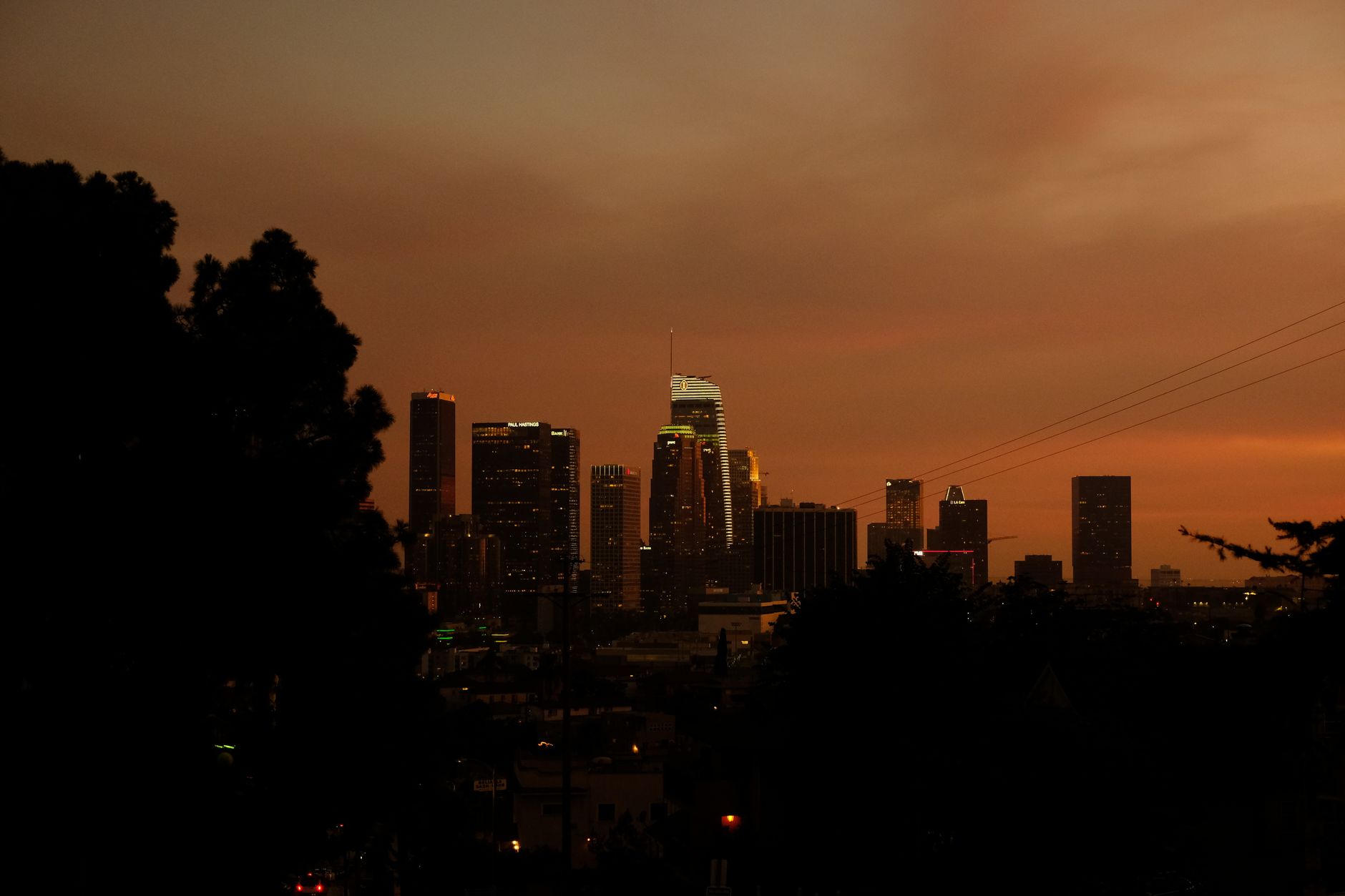
Featured image: Photo by Courtney Sargent on Pexels