The highly anticipated iphone 18 Pro launch is set to serve as the definitive introduction for Apple’s new leadership era, as incoming CEO John Ternus prepares to unveil a suite of hardware innovations on September 9, 2026.
Key Takeaways
- Leadership Transition: John Ternus, formerly the Senior Vice President of Hardware Engineering, officially succeeds Tim Cook as CEO, with Cook transitioning to Executive Chairman.
- Major Hardware Event: Apple’s “Surprise and Shine” event is scheduled for September 9, 2026, at 10:00 a.m. PT.
- Camera Innovation: Rumors strongly suggest the iPhone 18 Pro Max will feature a variable aperture camera system, moving beyond purely computational photography.
- Pricing Trends: Research firm TrendForce estimates the starting price for the iPhone 18 Pro could rise to $1,249, up from the $1,099 starting price of the previous year’s model.
- Strategic Diversification: Under Ternus, Apple is expected to deepen its integration of generative AI and expand its footprint in the entertainment services sector.
- John Ternus: Incoming CEO; former SVP of Hardware Engineering; focused on hardware-led innovation.
- Tim Cook: Outgoing CEO; transitioning to Executive Chairman; focused on operational stability and values.
- Eddy Cue: Apple Executive; leading the strategic expansion of Apple’s entertainment and services division.
- September 9, 2026: The official “Surprise and Shine” event begins at 10:00 a.m. PT, where the iPhone 18 Pro and iPhone Duo are expected to be revealed.
- September 18, 2026: Pre-orders for the new iPhone models and Apple Watch Series 12 are expected to go live.
- Late September 2026: The first wave of retail availability for the new hardware lineup.
- appleinsider.com
- techcrunch.com
- www.theverge.com
- finance.yahoo.com
- www.macrumors.com
What Happened: A New Era at Apple
On September 9, 2026, Apple is scheduled to host its annual flagship hardware event, a moment that carries significant weight not just for its product announcements, but for the company’s corporate identity. The event, dubbed “Surprise and Shine,” follows a major leadership transition that concluded on September 1, 2026, when John Ternus officially assumed the role of Chief Executive Officer.
According to reports from The Verge and TechCrunch, Ternus’s ascension follows the conclusion of Tim Cook’s 15-year tenure as CEO. In an inaugural staff memo reported by Bloomberg, Ternus expressed profound gratitude for Cook’s leadership, characterizing his predecessor’s tenure through his “values,” “decency,” and “humanity.” While Cook is stepping down from the top role, he will remain an integral part of the company’s governance as Executive Chairman.
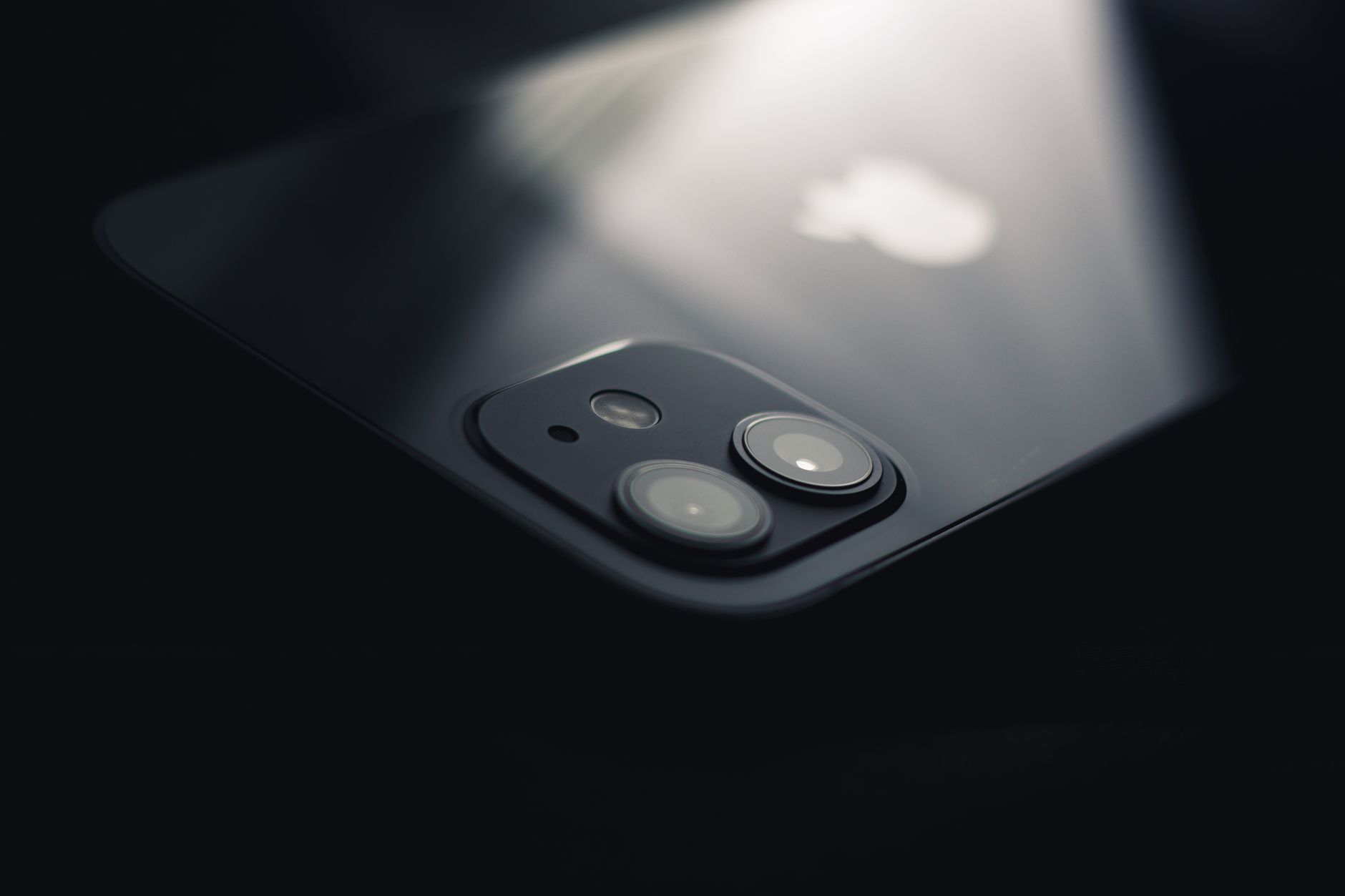
To build momentum for the upcoming event, Ternus released a cryptic 14-second teaser video on his X (formerly Twitter) account on September 9. The video, which features a spotlight illuminating curved glass against a stark black background, has been widely interpreted by industry analysts as a hint toward significant camera hardware upgrades. Simultaneously, the physical preparations for the launch are underway; MacRumors reports that Apple’s Fifth Avenue flagship store in New York has been outfitted with a new color scheme to match the iPhone 18 Pro’s new Burgundy and Glacier finishes.
Why It Matters: Hardware Expertise Meets AI Ambition
The shift from Tim Cook to John Ternus represents a strategic pivot in Apple’s executive profile. While Cook was renowned for his operational mastery and supply chain excellence, Ternus brings a deep background in hardware engineering. This transition comes at a time when the smartphone industry is reaching a plateau in traditional design, necessitating radical shifts in how devices capture light, process intelligence, and interact with users.
For consumers, the upcoming iPhone 18 Pro launch could signal the arrival of true optical sophistication. For the first time in years, the focus appears to be shifting from software-based “tricks” back to fundamental hardware capabilities. Furthermore, the event is expected to address Apple’s competitive stance in the generative AI market. As companies like OpenAI and Anthropic dominate the chatbot landscape, Apple is reportedly working to integrate advanced AI capabilities directly into its ecosystem, potentially through a significant update to Siri.
Deep Dive: The Variable Aperture Revolution
One of the most significant technical rumors surrounding the iPhone 18 Pro Max is the introduction of a variable aperture camera system. For the past decade, high-end smartphones have relied almost exclusively on computational photography to simulate depth of field. While effective, this software-driven approach often struggles with complex visual elements like fine hair or transparent objects.
Industry observers suggest that the teaser video released by Ternus points toward a mechanical shift. A variable aperture system uses a physical, adjustable iris to change the diameter of the lens opening. This allows for authentic, optical “bokeh” (background blur) and provides greater control over light intake.
Variable Aperture vs. Computational Photography
| Feature | Current Standard (Computational Photography) | Proposed Technology (Variable Aperture) |
|---|---|---|
| Mechanism | Software-based algorithms create “fake” blur. | Physical, adjustable iris (mechanical). |
| Light Control | Primarily managed via software and shutter speed. | Physical adjustment of the aperture hole size. |
| Depth of Field | Simulated; often struggles with complex edges. | Natural focal range adjustment. |
| Accuracy | Prone to errors with “wispy hairs” or “transparent glass.” | Capable of “completely accurate” bokeh. |
While the benefits to portrait photography are clear, the engineering hurdles are substantial. Implementing a moving mechanical component within the incredibly tight spatial constraints of a modern smartphone requires advanced motor technology and highly compact design.
The Leadership Transition: From Operations to Innovation
As Ternus takes the helm, the internal culture of Apple is being shaped by his first official communications. In his memo to staff, Ternus emphasized a vision of collaborative creation, stating, “I’m just as excited about what lies beyond that, including the incredible products already in the works and the ones we haven’t even imagined yet that we’ll dream up and create together.”
This sentiment contrasts with the operational stability that defined the Cook era. Tim Cook expressed high confidence in the transition, noting that few people understand the requirements of building world-changing products as well as Ternus. However, the transition also marks a shift in how Apple communicates its future. Where Cook often focused on the scale and reliability of the ecosystem, Ternus’s background suggests a renewed emphasis on the “phenomenal” nature of the hardware itself.
Key Figures in the Transition
Beyond the iPhone: A Diversified Roadmap
The iPhone 18 Pro launch is merely the first step in what appears to be a much broader product roadmap. Industry speculation, fueled by Ternus’s comments regarding “incredible products already in the works,” suggests that Apple is exploring several new categories to maintain its market dominance.
1. The Evolution of Wearables and Foldables
Rumors regarding the “Surprise and Shine” event include the potential unveiling of the iPhone Duo, Apple’s first foldable iPhone. Additionally, there is ongoing speculation regarding camera-equipped AirPods and the development of smart glasses, which would extend Apple’s presence in the augmented reality and wearable space.
2. The AI Frontier
Apple is reportedly working to close the gap with generative AI leaders. This includes not only a smarter Siri but also the integration of AI-driven features across iOS 27 and macOS Tahoe, ensuring that Apple’s hardware remains the premier platform for on-device machine learning.
3. Entertainment and Services Expansion
Under the guidance of executives like Eddy Cue, Apple is aggressively expanding its entertainment footprint. Ternus has signaled a commitment to building on the momentum of Apple TV. The company’s strategy, as articulated by Cook, is “quality over quantity,” focusing on high-tier productions that leverage Apple’s unique technological advantages. This was exemplified by the production of the racing drama F1, which reportedly utilized custom-developed camera technology to capture high-speed action.
What It Means for You
For Consumers
If you are an iPhone user, expect a potential increase in the cost of entry for flagship models. With TrendForce predicting a jump in starting prices, the premium hardware features like variable aperture may come at a higher price point. However, the payoff could be a device that performs more like a professional camera and a more intuitive, AI-integrated assistant.
For Investors
Investors should watch for how Ternus manages the balance between hardware innovation and service revenue. The shift from a CEO focused on supply chain efficiency to one focused on hardware engineering could signal a period of higher R&D spending and potentially more volatile, but high-reward, product cycles.
Counterpoints and Open Questions
Despite the excitement, several risks remain. The move toward more complex mechanical components, such as variable aperture lenses, introduces new points of failure in devices that are increasingly expected to be waterproof and durable. There is also the question of whether the consumer demand for professional-grade camera hardware justifies the projected price increases.
Furthermore, Apple’s ability to compete in the generative AI space remains unproven. While the company has a massive installed base of users, it must prove that its approach to AI—which typically prioritizes on-device privacy—can match the sheer utility and breadth of cloud-based models like those from OpenAI.
What Happens Next
Frequently Asked Questions
When is the iPhone 18 Pro launch event?
nThe official Apple event, titled “Surprise and Shine,” is scheduled for September 9, 2026, at 10:00 a.m. Pacific Time. The event will be streamed live on Apple’s website, YouTube, and through the company’s TV app.
Who is the new CEO of Apple?
John Ternus is the new CEO of Apple. He previously served as the Senior Vice President of Hardware Engineering and officially succeeds Tim Cook, who is moving into the role of Executive Chairman.
Will the iPhone 18 Pro have a better camera?
While not officially confirmed, significant rumors and a recent teaser video from Ternus suggest the iPhone 18 Pro Max may feature a variable aperture camera system. This would allow for physical, optical control over depth of field and light, providing more natural “bokeh” effects than current software-based methods.
How much will the iPhone 18 Pro cost?
According to estimates from the research firm TrendForce, the starting price for the iPhone 18 Pro may be approximately $1,249, which is a notable increase from the $1,099 starting price of the previous generation.
References
Featured image: Image via TechCrunch