
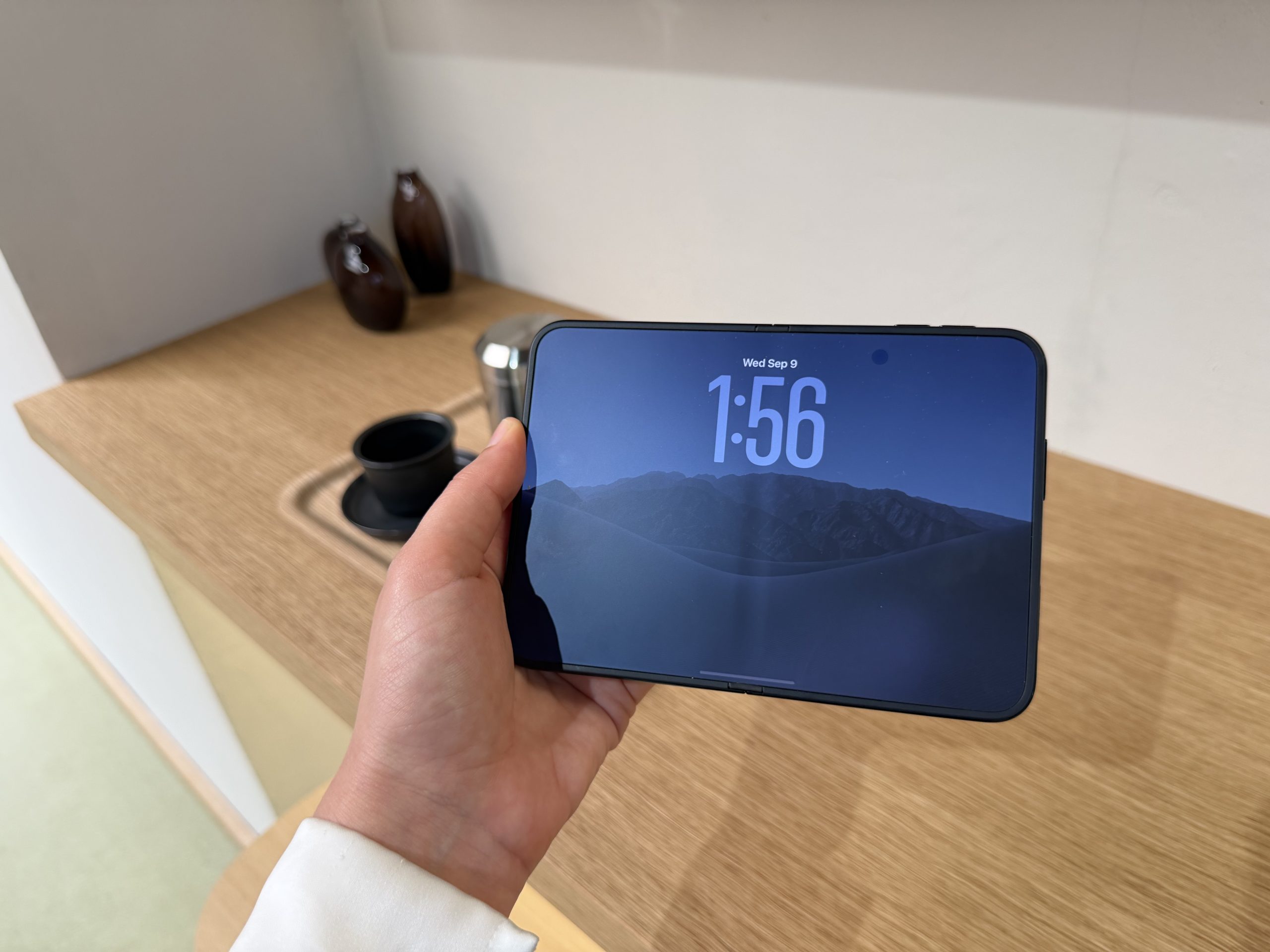
The iphone Duo foldable has officially entered the smartphone arena following apple‘s “Surprise and Shine” keynote in early September 2026, signaling a massive shift in the competitive landscape for manufacturers like samsung.
Key Takeaways
- Market Entry: Apple’s first foldable, the iPhone Duo, is scheduled for official release on October 23, 2026, with pre-orders beginning October 16.
- Premium Pricing: The device enters the market at a starting price of $1,999 for the 256GB model, reaching up to $3,199 for a 2TB version.
- Industry Validation: Google leadership views Apple’s participation as a “halo effect” that will validate the foldable category and drive developer interest.
- Samsung’s Position: While Apple enters the race, Samsung’s Galaxy Z Fold 8 remains a highly competitive, more affordable alternative at $1,899.
- Technological Focus: Apple is prioritizing durability with an IP68 rating and a matte nano-texture display to mitigate screen crease visibility.
- If you are an Apple enthusiast: The iPhone Duo is your only path into the foldable market. Despite its higher price and heavier weight, the integration with iOS 27, MagSafe compatibility, and the superior IP68 durability make it a premium, reliable choice.
- If you are a productivity power user: The Samsung Galaxy Z Fold 8 or the Google Pixel 11 Pro Fold are likely better suited to your needs. Their larger internal displays (up to 8 inches) and more robust multitasking software are designed for users who treat their phone as a mobile workstation.
- If you are a budget-conscious consumer: Look toward the Motorola Razr Ultra. It provides the novelty and utility of a foldable at a $500 discount compared to the flagship models from Apple and Samsung.
- If you are a photographer: The Samsung Galaxy Z Fold 8 Ultra is the clear winner, offering a 200MP main sensor and a dedicated telephoto lens that the iPhone Duo lacks.
- www.aol.com
- www.androidcentral.com
- www.bgr.com
- mashable.com
- www.cnet.com
- www.engadget.com
What Happened: Apple’s Surprise Entry
In early September 2026, Apple officially unveiled the iPhone Duo, the company’s first foray into the foldable smartphone market. The announcement, delivered during the “Surprise and Shine” keynote, has sent ripples through the mobile industry. While Apple was not the first to experiment with folding screens—Samsung has been a dominant force since the original 2019 Galaxy Fold—the arrival of a major player like Apple is expected to transform the category from a niche interest into a mainstream standard.
According to reports from Engadtech, the announcement has already sparked significant consumer interest. Some enthusiasts are reportedly looking to purchase existing Samsung devices, such as the Galaxy Z Fold 8, to experience the form factor before the iPhone Duo becomes available next month. Apple has set a strict timeline for the device: pre-orders are slated to open on October 16, 2026, with the official retail launch following on October 23, 2026.
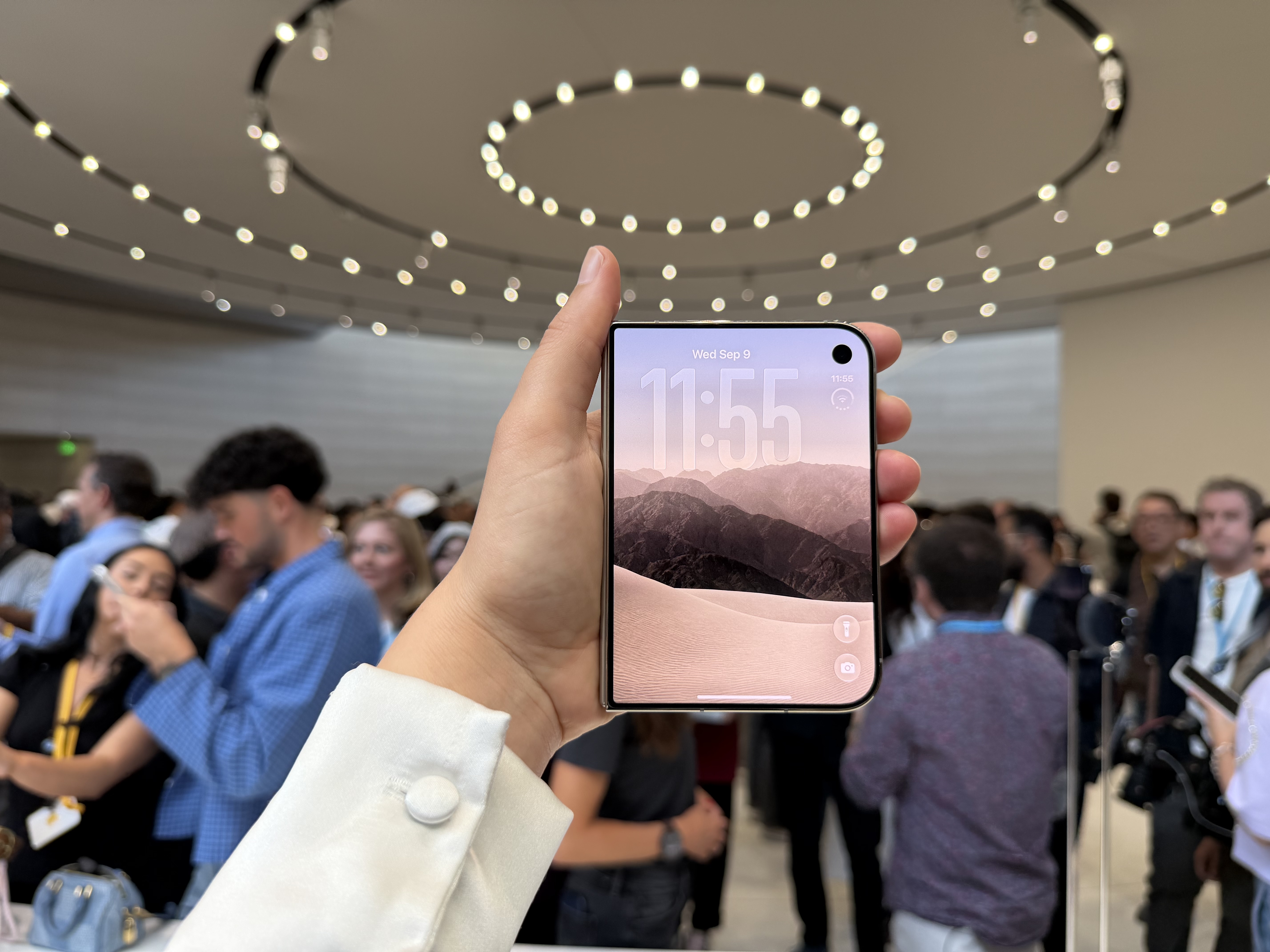
However, the launch has not been without controversy. As reported by AOL, the device has faced criticism from some online users who claim the “Duo” name is a “copycat” attempt to mimic Microsoft’s Surface Duo line. Apple, however, has a long-standing history with the moniker, having produced the PowerBook Duo in 1992 and the MagSafe Duo Charger in 2020, suggesting the naming convention is rooted in its own brand heritage.
Why It Matters: Validating a Niche Market
The foldable smartphone market, while growing, remains a small fraction of the total mobile industry. IDC estimates that while 1.25 billion smartphones were shipped globally last year, only about 20.6 million of those were foldables. This disparity highlights the niche status of the technology.
Apple’s entry is expected to change these proportions significantly. Industry research firm Counterpoint has projected that Apple could capture approximately 25% of the foldable smartphone market within just one year of the iPhone Duo’s launch. This influx of users provides a massive incentive for the entire ecosystem.
Google’s perspective on this shift is one of strategic optimism. In an interview with Tom’s Guide, Android President Sameer Samat suggested that Apple’s presence will create a “halo effect,” driving broader consumer interest in foldable technology. Samat, who personally uses a Samsung Galaxy Z Fold 8, noted that while Android has traditionally been the platform for testing new hardware, Apple’s arrival serves as a long-awaited validation for the form factor.
Furthermore, the increased market volume is expected to solve one of the most persistent issues in the Android ecosystem: app optimization. Currently, many Android foldable users experience apps that simply stretch standard mobile interfaces across larger screens. Google believes that the economic incentive provided by a larger, Apple-boosted market will encourage developers to invest in truly optimized, foldable-specific software.
Deep-Dive: The Battle of Hardware and Design
When comparing the iPhone Duo to its primary rival, the Samsung Galaxy Z Fold 8, two distinct engineering philosophies emerge. Apple has leaned into a “sculptural” and compact design, whereas Samsung has focused on a “boxy and utilitarian” approach that prioritizes thinness and multitasking.
Display and Durability
One of the most significant technical hurdles for foldables has been the visible screen crease. Apple has addressed this with a specialized matte, nano-texture layer on the iPhone Duo’s 7.6-inch inner Super Retina XDR display. This coating is designed to minimize reflections and make the crease nearly invisible to the eye. Samsung, conversely, utilizes an anti-reflective coating on its Galaxy Z Fold 8 AMOLED display, which, while effective, lacks the specific matte finish of the Duo.
Durability is another area where the two companies diverge. The iPhone Duo carries an IP68 rating, meaning it is resistant to dust and can be submerged in up to 6 meters of water for 30 minutes. The Samsung Galaxy Z Fold 8 holds an IP48 rating, which offers water resistance but provides no official protection against dust or sand.
Physical Dimensions and Weight
Samsung currently holds the advantage in terms of portability and ergonomics. The Galaxy Z Fold 8 is significantly lighter and thinner than the iPhone Duo.
| Feature | Apple iPhone Duo | Samsung Galaxy Z Fold 8 | Samsung Galaxy Z Fold 8 Ultra |
|---|---|---|---|
| Starting Price | $1,999 | $1,899 | $2,100 |
| Inner Display | 7.6″ Super Retina XDR | 7.6″ AMOLED | 8.0″ AMOLED |
| Outer Display | 5.4″ Super Retina XDR | 5.5″ AMOLED | 6.5″ AMOLED |
| Weight | 254g | 201g | 215g |
| Thickness (Unfolded) | 5.2mm | 4.5mm | 4.1mm |
| Water Resistance | IP68 | IP48 | IP48 |
| Primary Chipset | Apple A20 Pro | Snapdragon 8 Elite Gen 5 | Snapdragon 8 Elite Gen 5 |
| Main Camera | 48MP Main / 48MP UW | 50MP Wide / 50MP UW | 200MP Wide / 50MP UW / 10MP Tele |
Software Ecosystems: iOS 27 vs. Android 17
The software experience will likely be the ultimate deciding factor for consumers. Apple is introducing iOS 27 with the iPhone Duo, which includes a new “StandBy mode.” This feature allows the device to function as a smart alarm clock, photo frame, or a dedicated display for weather and calendar widgets when placed on a nightstand.
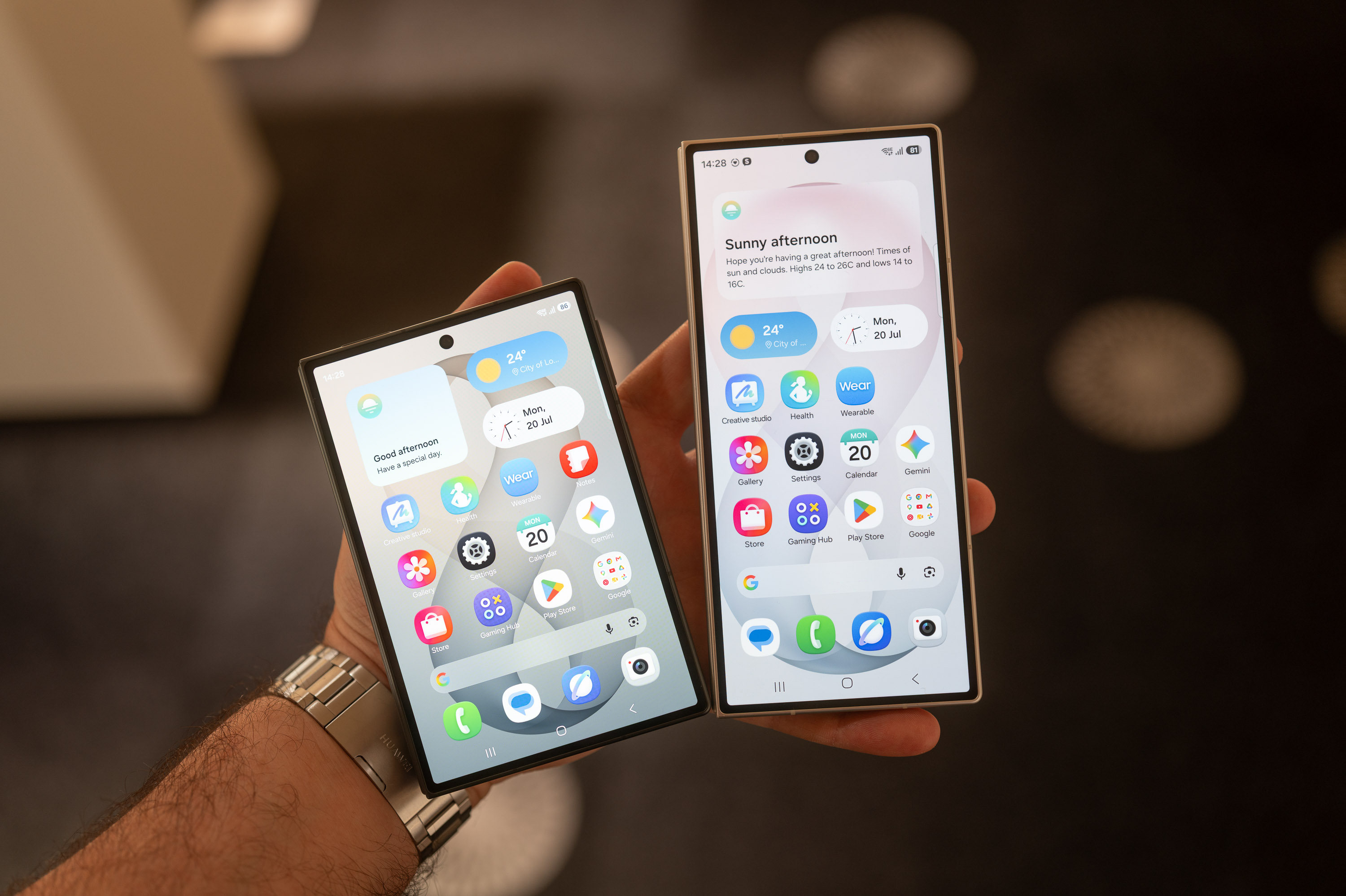
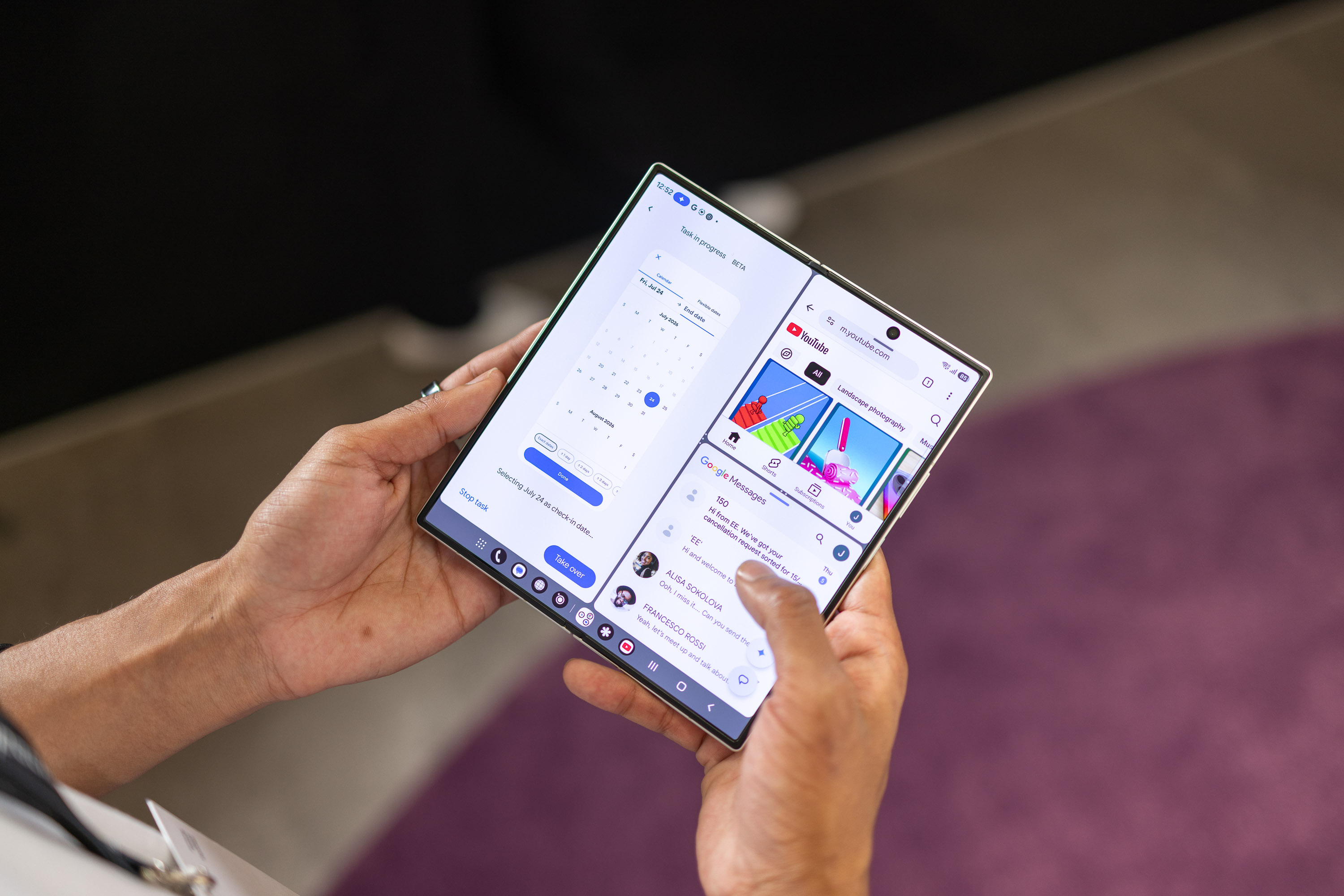
Samsung’s Galaxy Z Fold 8 runs on Android 17 with One UI 9. Samsung has long optimized its software for side-by-side multitasking, allowing users to run up to three apps simultaneously. While Apple’s Duo is expected to excel at multitasking and split-screen views, early reports suggest its multitasking capabilities may be more limited compared to the heavy-duty productivity focus of Samsung’s software.
The Foldable Market: Beyond the Big Two
While the rivalry between Apple and Samsung dominates the headlines, several other manufacturers offer compelling alternatives for different consumer segments. As the iPhone Duo sets a high price ceiling at $1,999, other brands are targeting specific needs ranging from extreme portability to high-end productivity.
High-Performance Android Alternatives
For users who want to avoid the Apple ecosystem but desire high-end specifications, the google pixel 11 Pro Fold is a primary contender. Priced at approximately $1,899, it features a 6.5-inch outer panel and an expansive 8.0-inch inner display. It is powered by the Tensor G6 chip and offers 16GB of RAM, providing a “cleaner” Android experience with deep Google AI integration.
Similarly, the Motorola Razr Fold targets the multitasking and media enthusiast. At $1,899, it offers a significantly larger footprint than the iPhone Duo, with a 6.6-inch outer screen and an 8.1-inch inner screen. It also boasts 16GB of RAM and a massive 6,000 mAh battery, supported by 80W wired charging.
Portability and Value
For consumers who find the “book-style” foldables too bulky, the Motorola Razr Ultra (2026) offers a “flip-style” alternative. At $1,499, it is the most affordable high-end foldable mentioned, prioritizing portability with a 4-inch outer display and a 7-inch main screen. Despite the lower price, it maintains high performance with the Snapdragon 8 Elite processor and 16GB of RAM.
What It Means for You
Choosing a foldable in late 2026 depends heavily on your specific priorities and existing hardware ecosystem.
Counterpoints and Open Questions
Despite the excitement, several risks remain for the foldable market. First is the question of long-term hardware longevity. While Apple’s nano-texture display aims to hide the crease, the physical stress placed on folding components over thousands of cycles remains a concern for all manufacturers.
Second, there is the software gap. While Google is optimistic about the “halo effect,” the Android ecosystem still struggles with app fragmentation. Until a critical mass of developers optimizes their software for varying aspect ratios, the Android foldable experience may continue to feel “unfinished” compared to the more controlled iOS environment.
Finally, the premium pricing of these devices—often hovering around the $2,000 mark—remains a significant barrier to entry. It is yet to be seen if Apple’s entry will lead to a downward pressure on prices or if the market will remain a playground for high-income enthusiasts.
What Happens Next
The immediate catalyst to watch is the October 16 pre-order window for the iPhone Duo. This will provide the first real indication of consumer demand and whether Apple’s premium pricing strategy holds weight.
Following the official release on October 23, 2026, analysts will be closely monitoring market share shifts. Specifically, whether Counterpoint’s prediction of Apple capturing 25% of the market within a year comes to fruition will determine if the foldable category has truly reached a tipping point toward mainstream adoption.
Frequently Asked Questions
Is the iPhone Duo a copycat of the Microsoft Surface Duo?
While some users have raised this concern, industry analysts point to Apple’s long history with the “Duo” name, including the PowerBook Duo (1992) and the MagSafe Duo (2020). This suggests the name is a part of Apple’s own branding heritage rather than an attempt to mimic Microsoft.
How does the iPhone Duo handle the screen crease?
Apple has implemented a matte, nano-textured layer on the iPhone Duo’s inner display. This specialized coating is designed to reduce light reflections and make the physical crease of the folding screen significantly less noticeable than on many competing devices.
Which foldable is better for multitasking: Apple or Samsung?
Samsung’s Galaxy Z Fold 8 is generally considered superior for heavy multitasking, as its software is specifically optimized to run up to three apps simultaneously in a side-by-side layout. While the iPhone Duo supports split-screen, it is often viewed as more focused on a streamlined, two-app experience.
What is the price difference between the iPhone Duo and the Samsung Galaxy Z Fold 8?
The iPhone Duo starts at $1,999, while the Samsung Galaxy Z Fold 8 starts at $1,899. However, Samsung devices are frequently subject to promotional discounts, with reports suggesting the Z Fold 8 has been available for as low as $1,649.99.
References
Featured image: Abrar Al-Heeti/CNET — via CNET



One thought on “iPhone Duo Foldable: Why Apple’s Entry Matters for Samsung”