
Key takeaways
- At least nine children have been infected with E. coli 0157 following likely exposure at Capitola Beach or nearby waterways.
- The Santa Cruz County Health Services Agency has temporarily closed Capitola Beach while investigating the source of the outbreak.
- Public health officials are urging residents and visitors to avoid all contact with ocean, creek, and lagoon water in the area.
- This incident follows a recent, fatal E. coli outbreak linked to a pumpkin farm in San Luis Obispo County.
Capitola Beach E. coli infections have prompted a temporary closure of one of Santa Cruz County’s most popular coastal destinations after at least nine children fell ill. The Santa Cruz County Health Services Agency confirmed the outbreak this week, noting that the infections are linked to likely exposure at the beach or the surrounding waterways, including Soquel Creek and the local lagoon.

What happened
On November 12, 2026, public health officials announced the closure of Capitola Beach as part of an active investigation into an outbreak of the E. coli 0157 strain. According to a statement from the Santa Cruz County Health Services Agency, the outbreak has affected at least nine children. The demographic spread of the illnesses indicates the reach of the contamination; four of the sick children are residents of Santa Cruz County, while five others reside in different counties across the Bay Area.
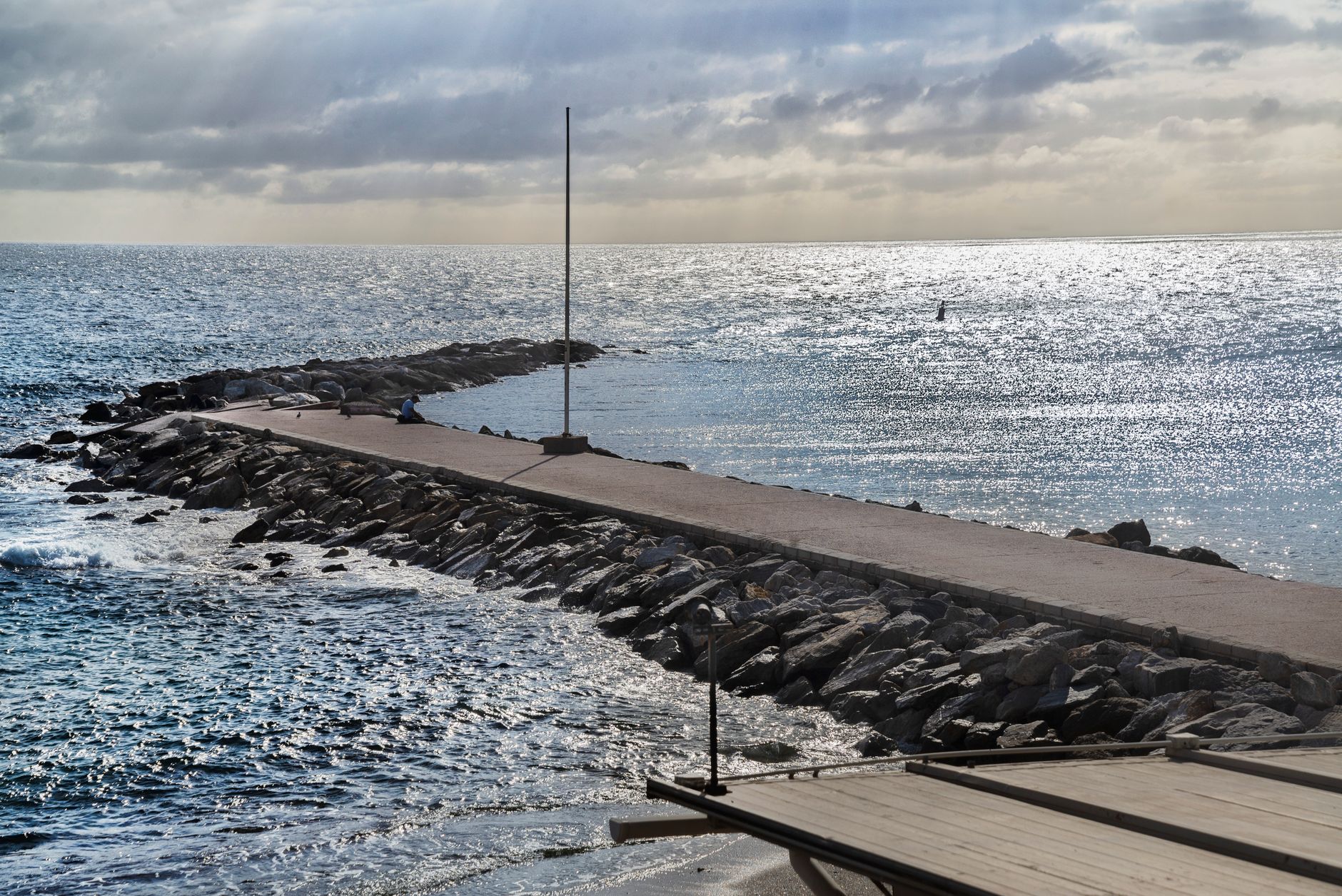
All identified cases are believed to be connected to exposure at Capitola Beach or the immediate aquatic environments surrounding it. The beach, a well-known landmark characterized by its manicured sand and proximity to the mouth of Soquel Creek, is currently under strict scrutiny. To identify the source of the bacteria, health officials have conducted water quality testing at four specific locations:
- An upstream site near Nob Hill.
- The local jetty.
- The Soquel Creek Lagoon.
- The flume where water enters Monterey Bay.
While the beach itself is closed, the City of Capitola issued a water quality alert on Tuesday stating that the Esplanade, the shop-lined street running parallel to the beach, remains open to the public. However, the city has issued a stern warning to both humans and animals, advising that visitors and their pets should avoid all contact with ocean, creek, and lagoon water until further notice.
Why it matters
The significance of this outbreak extends beyond the immediate health of the nine children involved. E. coli 0157 is a particularly virulent strain of bacteria that can cause severe gastrointestinal illness, and in certain populations—especially young children—it can lead to life-threatening complications such as Hemolytic Uremic Syndrome (HUS), a type of kidney failure.
For the local community, the closure represents a significant disruption to the seasonal economy. The Esplanade is a hub for waterfront cafes and retail shops that rely heavily on the foot traffic generated by beachgoers. Furthermore, the outbreak has raised urgent questions regarding the safety of recreational water in coastal California, particularly in areas where creek systems meet the ocean, potentially introducing land-based contaminants into the marine environment.
The science of E. coli 0157 and water safety
Understanding the nature of the E. coli 0157 strain is critical to understanding why public health officials are reacting with such caution. Unlike many other strains of Escherichia coli that are harmless components of the human intestinal tract, the 0157 strain produces Shiga toxins. These toxins can damage the lining of the intestine and enter the bloodstream, potentially affecting the kidneys, brain, and other vital organs.
In pediatric cases, the risk is heightened because children’s immune systems are still developing, and they are more likely to engage in behaviors—such as swallowing water while swimming—that facilitate ingestion.
When bacteria enter coastal waterways, they often originate from various sources, including sewage overflows, agricultural runoff, or wildlife fecal matter. In the case of Capitola Beach, the proximity to Soquel Creek means that any contamination upstream could be carried directly into the lagoon and out through the flume into Monterey Bay. This creates a complex environmental puzzle for investigators, as tidal movements and freshwater flows can rapidly dilute or shift the concentration of bacteria, making it difficult to pinpoint a single, static source.
Comparative analysis: Santa Cruz vs. San Luis Obispo
This outbreak in Santa Cruz County is particularly alarming because it follows closely on the heels of a separate, deadly E. coli event in San Luis Obispo County. While the Capitola incident appears to be waterborne, the San Luis Obispo outbreak was linked to food consumption at Brookshire Farms.
| Feature | Capitola Beach Outbreak | Brookshire Farms Outbreak |
|---|---|---|
| Primary Location | Santa Cruz County | San Luis Obispo County |
| Likely Transmission | Water/Waterways | Food/Agricultural Product |
| Reported Cases | 9 children | 12+ people |
| Confirmed Fatalities | 0 reported | 1 confirmed death |
| Current Status | Active investigation | Risk has passed |
| Specific Strain | E. coli 0157 | E. coli 0157 |
In the San Luis Obispo case, health officials confirmed that one individual died from an infection. Tom Cuddy, a spokesperson for the San Luis Obispo County Public Health Department, stated that the information was shared with the permission of the deceased individual’s family, describing the development as “truly a heartbreaking development.”
That outbreak involved more than a dozen people who visited Brookshire Farms in late October, with three children reportedly being placed in pediatric intensive care. Despite extensive testing of food and water at the farm, investigators were unable to find the specific strain in environmental samples, a phenomenon that Dr. Christy Mulkerin, the San Luis Obispo County Health Officer, noted is not unexpected. She explained that bacterial contamination is often temporary and difficult to detect through standard sampling methods, even when clinical evidence points to a shared exposure.
What It Means for You
If you are a resident, visitor, or pet owner in the Santa Cruz or Capitola area, the following precautions are recommended based on current health advisories:
- Avoid Water Contact: Do not swim, wade, or engage in any activity that involves contact with the ocean, Soquel Creek, or the Soquel Creek Lagoon. This applies to all ages.
- Pet Safety: Keep pets away from the water’s edge. Dogs are particularly susceptible to ingesting contaminated water while playing in the surf or near the creek mouth.
- Monitor Health: If you or your children have recently visited the area and experience symptoms such as severe stomach cramps, diarrhea (often bloody), or vomiting, contact a healthcare provider immediately.
- Hygiene Practices: Ensure thorough handwashing with soap and water, especially after being in public outdoor spaces or near coastal environments.
For local business owners on the Esplanade, the closure may result in a temporary decrease in foot traffic. However, following the official guidance of the City of Capitola is essential to maintaining long-term public trust and safety.
Counterpoints and open questions
While the immediate priority is public safety, the difficulty in identifying the exact source of the Capitola Beach E. coli outbreak raises several critical questions. As seen in the San Luis Obispo investigation, environmental testing does not always yield a positive result for the specific pathogen found in patients. This “detection gap” can lead to frustration for both the public and health officials.
Some environmental advocates may argue that existing water quality monitoring is insufficient to catch short-lived contamination events. Others might question whether urban runoff or aging infrastructure in the Santa Cruz area is contributing to the presence of bacteria in the creek systems.
Currently, it remains unconfirmed whether the contamination is a result of a single, discrete event—such as a sewage leak—or a more systemic issue related to seasonal weather patterns and runoff. The lack of a definitive source in the Brookshire Farms case serves as a cautionary tale for how difficult these investigations can be, even when the clinical evidence is overwhelming.
What Happens Next
As the Santa Cruz County Health Services Agency continues its investigation, several key developments will determine when the beach can safely reopen:
- Water Testing Results: The results from the four testing sites (Nob Hill, the jetty, the lagoon, and the flume) will be the primary metric for determining if the bacteria levels have returned to safe thresholds.
- Source Identification: If a specific source—such as a point-source discharge or a specific runoff site—is identified, remediation efforts will be required before the beach is cleared for public use.
- Epidemiological Tracking: Health officials will continue to monitor for any new cases of E. coli 0157 to determine if the outbreak is expanding or subsiding.
- Public Health Announcements: The City of Capitola and the County of Santa Cruz will issue updated advisories as new data becomes available. Residents should monitor official government websites and local news for the lifting of the water contact warning.
Public health officials remain focused on identifying the cause of the Capitola Beach E. coli outbreak to prevent further illnesses. Until the water is deemed safe through rigorous testing, the temporary closure and water contact warnings remain in effect for the protection of the community.
Frequently asked questions
What are the symptoms of an E. coli 0157 infection?
According to general health information regarding the E. coli 0157 strain, common symptoms include severe stomach cramps, diarrhea (which may become bloody), and vomiting. In some cases, particularly in children, the infection can lead to more serious complications like kidney failure. If these symptoms appear after visiting a beach or farm, seek medical attention immediately.
Is it safe to visit the shops on the Capitola Esplanade?
Yes, the City of Capitola has stated that the Esplanade remains open to the public. However, while you can visit the shops and cafes, you must strictly avoid any contact with the ocean, the creek, or the lagoon water. This precaution is necessary to prevent accidental exposure to contaminated water.
Why was the source of the San Luis Obispo outbreak so hard to find?
As explained by Dr. Christy Mulkerin, bacterial contamination is often temporary and can be difficult to detect through standard environmental sampling methods. Even when clinical and epidemiological data strongly suggest a shared exposure, the specific bacteria may have already dissipated from the environment by the time testing occurs.
Can pets get sick from E. coli at the beach?
Yes, pets are at risk if they come into contact with or ingest contaminated water. Public health officials have specifically urged pet owners to avoid all contact with ocean, creek, and lagoon water in the Capitola area to prevent potential illness in animals.
References
- Popular California beach closed amid E. coli outbreak — latimes.com
Featured image: Photo by Sami Abdullah on Pexels