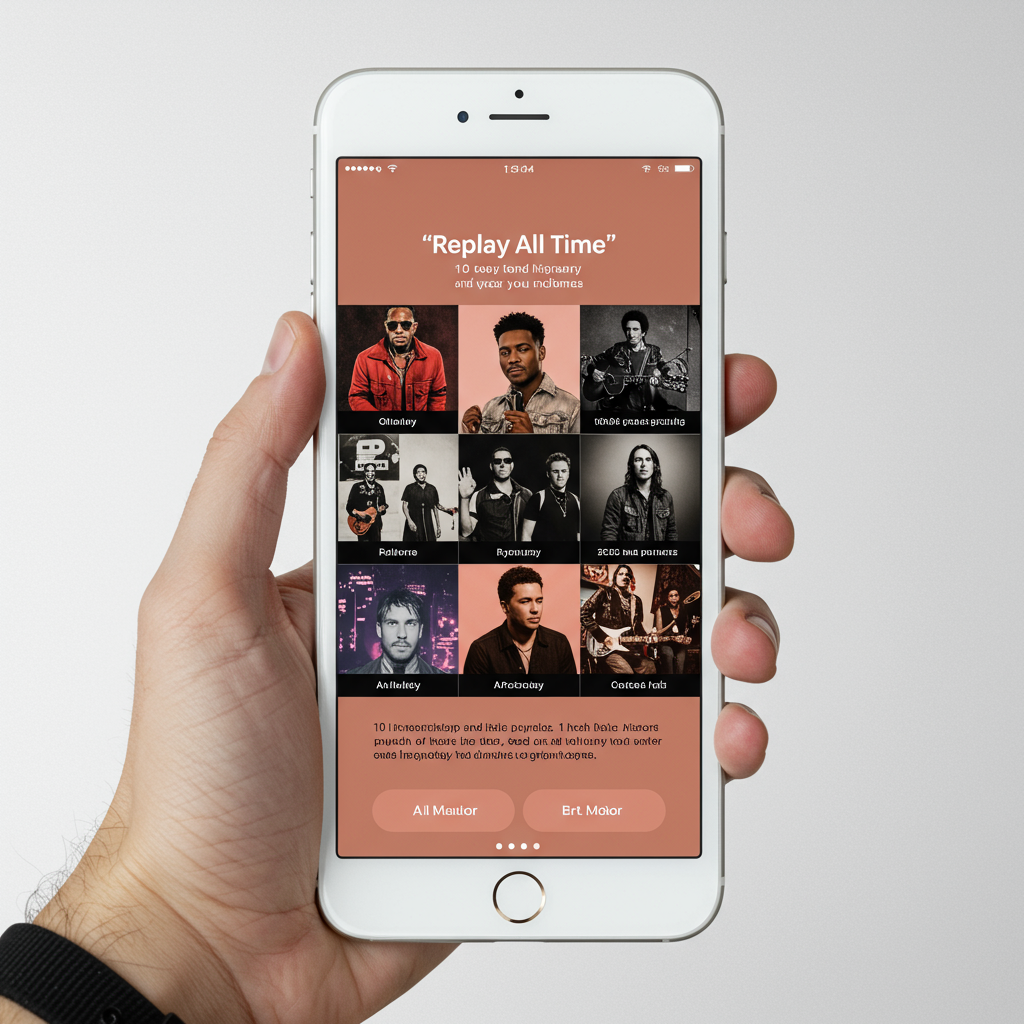
The <a href="https://news.quantosei.com/2026/09/29/iphone-duo-standby-leak-five-new-faces-explained/" title="<a href="https://news.quantosei.com/2026/09/29/iphone-duo-standby-leaks-new-features-explained/" title="<a href="https://news.quantosei.com/2026/09/27/iphone-duo-foldable-market-why-apples-entry-matters/" title="iphone duo Foldable Market: Why Apple's Entry Matters”>iphone duo StandBy Leaks: New Features Explained”>iPhone Duo StandBy Leak: Five New Faces Explained”>iphone Duo StandBy mode is set to undergo a massive transformation, according to recent leaks that suggest Apple is preparing a specialized software suite to leverage the unique foldable form factor of its upcoming flagship device.
Key Takeaways
- Five New Faces: Leaker @itspdfu identified unannounced StandBy modes including Home Camera, Home Modular, Flow, Fade, and a Snoopy-themed interface.
- Smart Home Hub: The new features suggest the iPhone Duo will function as a dedicated HomeKit command center, capable of displaying up to nine camera feeds simultaneously.
- Hardware Integration: Unlike standard iPhones, the iPhone Duo’s StandBy mode can operate without being connected to a power source and can utilize the device’s folding ability to act as its own stand.
- Software Strategy: Apple has reportedly skipped the public beta for iOS 27.1, moving directly to iOS 27.2 to keep the iPhone Duo’s specific software capabilities under wraps.
- Release Timeline: The iPhone Duo is scheduled for pre-order on October 16, 2026, with an official retail launch on October 23, 2026.
- Home Camera: This is perhaps the most significant addition for smart home users. According to 9to5Mac, this face will allow users to monitor a single live feed or a grid of up to nine different camera feeds. This indicates a deep integration with the HomeKit ecosystem, turning the iPhone Duo into a centralized security monitor.
- Home Modular: While specific details remain sparse, Cult of Mac reports that this interface is expected to provide a customizable dashboard for controlling various smart home accessories, such as lights, locks, and thermostats.
- Flow (ResponsiveArt): The leaker @itspdfu describes this mode as featuring “responsive art.” This suggests an animated, abstract visual interface that may react to environmental changes or user proximity.
- Fade: Details on this mode are currently unavailable in the code, though some analysts speculate it may serve a similar purpose to the “Flow” interface, focusing on subtle, ambient transitions.
- Snoopy: Following Apple’s history of including character-based aesthetics, this face is expected to feature an animated experience similar to the beloved Snoopy screensaver found on Apple TV.
- Feature Stability: As with all software discovered in simulators, there is no guarantee that the features identified by @itspdfu will appear in the final retail version of iOS. Apple frequently removes or alters features found in early code.
- The “Fade” Mystery: The lack of information regarding the “Fade” view leaves a gap in the understanding of the full software suite. Is it a visual transition, a specific lighting mode, or something entirely different?
- Battery Longevity: While StandBy can function without a charger, running high-resolution camera grids or “responsive art” animations will undoubtedly consume battery power. The efficiency of the A20 Pro in these specific low-power modes remains to be seen.
- Complexity vs. Utility: There is a risk that adding too many specialized modes could clutter the user experience, making it difficult for casual users to find the settings they need.
- October 16, 2026: Pre-orders for the iPhone Duo officially begin at 5:00 a.m. PT.
- October 23, 2026: The official retail launch, where the device will be available in Apple Stores and through carriers.
- Post-Launch: Watch for the release of iOS 27.2, which will likely contain the finalized version of the StandBy features and the new face editor.
- www.cultofmac.com
- 9to5mac.com
- www.theapplepost.com
- www.macrumors.com
What Happened: The “Rushmore” Discovery
On September 28, 2026, technical details regarding the unannounced iPhone Duo began to surface through deep code analysis. A developer and leaker known as @itspdfu published findings on X (formerly Twitter) that revealed significant new software capabilities for the device’s StandBy mode.
According to reports from Cult of Mac and 9to5Mac, the discovery was made within the iOS 27.1 simulator. While the primary application intended to host these new interfaces—reportedly codenamed “Rushmore”—was not present in the simulator, its “localization strings” (the text used for translating software into different languages) were uncovered. These strings provided the names of five specific StandBy views that Apple has not yet officially announced.
This leak arrives at a pivotal moment for Apple. While the company officially unveiled the iPhone Duo earlier this month, showcasing its dual-display architecture and A20 Pro chip, the full extent of the software ecosystem tailored for the foldable hardware remained undisclosed. The discovery of the “Rushmore” code suggests that Apple is building a dedicated software layer specifically to manage how the device behaves when it is not in active use.

Why It Matters: From Mobile Phone to Ambient Hub
The implications of these leaks extend far beyond simple aesthetic updates. For years, the StandBy feature on standard iPhones has been primarily a “charging mode,” designed to provide utility while the device is docked or connected to power. However, the iPhone Duo StandBy mode appears to be a fundamental shift in how Apple views the device’s utility.
Because the iPhone Duo is a foldable device, it can be positioned in various states: folded, unfolded, landscape, portrait, “seated,” or “standing.” This physical versatility, combined with the new software, allows the device to transition from a communication tool to a stationary home utility. By enabling StandBy to function without a constant power connection, Apple is positioning the Duo as a persistent, ambient presence in the home—much like an Apple TV or a dedicated smart display.
The Five Unannounced StandBy Faces
The leaked code identifies five distinct visual modes that will join the existing suite of Analog, Digital, Weather, and Photos views. Each appears designed to exploit the device’s dual-screen and foldable nature:
Technical Deep-Dive: Hardware and Software Synergy
The ability to run complex features like a nine-camera grid or responsive animations requires significant processing power. The iPhone Duo is confirmed to be powered by the A20 Pro chip, which will provide the necessary overhead to manage these high-utility StandBy modes without sacrificing battery life.
Furthermore, the device’s physical design is central to this new software experience. The iPhone Duo features a 5.4-inch outer display and a 7.6-inch inner folding display. When the device is partially folded, it can stand on its own, eliminating the need for the external MagSafe stands or docks that are often required to use StandBy on traditional iPhones.
Comparison: Standard iPhone vs. iPhone Duo StandBy
To understand the scale of this shift, it is helpful to compare the current StandBy implementation with what the leaked data suggests for the Duo:
| Feature | Existing iPhone StandBy | iPhone Duo StandBy (Leaked) |
|---|---|---|
| Primary Use Case | Charging/Docked utility | Persistent ambient home hub |
| Power Requirement | Requires a charger | Functions without a charger |
| Physical Support | Requires external stand/dock | Self-standing via folding design |
| Smart Home Utility | Limited modular widgets | Dedicated camera grids (up to 9) |
| Visual Complexity | Static or simple animations | Responsive art and character animations |

The Software Strategy: Why Skip iOS 27.1?
A notable detail in the reporting from Cult of Mac is Apple’s unusual software development cycle. Typically, Apple releases a public beta for minor versions, such as iOS 27.1, to gather developer feedback before moving to the next iteration. However, Apple has reportedly bypassed the 27.1 public beta, moving directly to iOS 27.2.
Industry analysts suggest this is a calculated move to protect the iPhone Duo’s competitive advantages. By skipping the public testing phase for the version of iOS that contains the most significant Duo-specific code, Apple can ensure that the unique StandBy features and the “Rushmore” interface remain a surprise for the official launch. This level of secrecy is common for Apple’s most significant hardware shifts, as they seek to control the narrative surrounding new product categories.
Customization and the New Face Editor
To support these new visual modes, Apple is reportedly introducing a dedicated face editor for the iPhone Duo. This tool is intended to give users granular control over their device’s standby aesthetics, allowing for a level of personalization previously reserved for the Apple Watch.
According to the leaked information, the editor will utilize a UI similar to the Apple Watch face customization screens, featuring a swipe-based navigation system and a scrolling mechanism to browse available styles and colors. This allows users to tailor the device to their specific environment—for example, choosing a bright, high-contrast “Home Camera” view for a kitchen counter, or a dim, subtle “Flow” view for a bedside table.
What It Means for You
The arrival of the iPhone Duo and its enhanced StandBy mode will impact different user groups in distinct ways:
For Smart Home Enthusiasts
If you have invested heavily in the HomeKit ecosystem, the iPhone Duo could become your primary command center. The ability to see multiple camera feeds at a glance without needing to wake a device or navigate through menus transforms the phone into a functional piece of home infrastructure.
For Mobile Professionals and Travelers
The fact that StandBy can function without a charger is a significant advantage. For those who use their devices in various environments, the Duo can serve as a useful ambient clock, weather station, or calendar at a glance, even when the battery is being conserved.
For Tech Early Adopters
The $1,999 starting price (in the US and UK) positions the iPhone Duo as a premium, high-end device. Early adopters should expect a significant learning curve as they adapt to the new foldable form factor and the specialized software layers like the “Rushmore” interface.
Counterpoints and Open Questions
While the leaks provide a compelling look at the future of the iPhone Duo, several questions and risks remain:
What Happens Next
The timeline for the iPhone Duo is now clearly defined, and consumers should prepare for a busy autumn:
Frequently Asked Questions
How much will the iPhone Duo cost?
According to official information, the iPhone Duo will start at $1,999 in the United States and £1,999 in the United Kingdom. This premium pricing reflects its status as a first-generation foldable device with advanced hardware like the A20 Pro chip.
Does the StandBy mode require the phone to be charging?
No. One of the key differentiators of the iPhone Duo StandBy mode compared to previous iPhone models is that it is designed to function even when the device is not connected to a power source. This allows it to act as a persistent ambient display throughout the day.
What is the “Rushmore” app?
“Rushmore” is the internal codename for the Apple application intended to host and manage the redesigned StandBy faces for the iPhone Duo. While the app itself was not found in the iOS 27.1 simulator, its localization strings revealed the names of the five new unannounced StandBy views.
Can I use an Apple Pencil with the iPhone Duo?
Yes. The iPhone Duo is confirmed to support Apple Pencil via USB-C, making it a versatile tool for both productivity and creative tasks, especially when utilizing the larger 7.6-inch inner display.
As Apple approaches the launch of its first foldable iPhone, the leaks regarding the iPhone Duo StandBy mode suggest a device that is much more than a simple smartphone
References
Featured image: Photo by Efrem Efre on Pexels