
Key takeaways
- Google Fi is launching a “super network” feature that allows Pixel 9 and newer devices to automatically switch between two 5G networks.
- The feature utilizes eSIM technology and MEP (Multiple Enabled Profiles) to keep two network profiles on standby simultaneously.
- This move marks a return to multi-network support in the U.S. following the 2020 T-Mobile and Sprint merger.
- To use the feature, users must have Google Fi active on an eSIM and have any non-Fi SIMs disabled.
Google Fi network switching is returning to the United States for a select group of users, introducing a “super network” capability that allows compatible devices to transition between two different 5G networks to maintain optimal connectivity. The feature, which began rolling out on November 10, 2026, is specifically designed for users of the Pixel 9 and newer smartphone models. By leveraging advanced eSIM technology, Google aims to provide a more stable connection by proactively monitoring signal quality and jumping to a secondary network before a connection is lost.
What happened
On November 10, 2026, Google announced a significant update to its Google Fi wireless service, enabling a new form of automated network roaming within the domestic U.S. market. This new capability allows a device to swap between two distinct 5G networks based on which one offers the best live connection quality.
According to Stevie Bonifield of The Verge, the feature is currently limited to the Pixel 9 series and subsequent hardware releases. There is also a specific configuration requirement: the user must have their Google Fi service active via an eSIM, and any other non-Fi SIM cards must be disabled on the device.
While Google Fi has historically provided network switching capabilities internationally, the ability to hop between carriers within the United States had been dormant for several years. Jane Harnett, a senior product manager for Google Fi Wireless, explained to The Verge that the service had previously stopped offering this feature because the domestic wireless landscape had undergone significant consolidation. The merger between T-Mobile and Sprint in 2020 effectively removed one of the primary alternative networks that Google Fi could have utilized, limiting the provider’s ability to offer multiple distinct networks within the country.

Why it matters
This development is significant because it represents a technical workaround to the lack of competition in the U.S. wireless market. For years, the consolidation of major carriers meant that MVNOs (Mobile Virtual Network Operators) like Google Fi were largely tethered to a single primary infrastructure. When T-Mobile acquired Sprint, the dual-network advantage that Google Fi enjoyed at its 2015 launch vanished, as the two networks became a single entity.
By introducing this “super network” approach, Google is attempting to use software and modern hardware capabilities to recreate the benefits of a multi-carrier environment. For the consumer, this means fewer dropped calls and more consistent data speeds in areas where one carrier’s coverage might be spotty but another’s is strong.
Furthermore, the shift highlights the growing importance of eSIM technology. Unlike the traditional physical SIM card, which is a single, static piece of hardware, an eSIM allows for much more dynamic management of network profiles. This software-defined approach to connectivity is becoming a central pillar of how modern smartphones manage global roaming and domestic reliability.
The evolution of Google Fi connectivity
To understand the importance of this update, it is necessary to look at how Google Fi has managed network access over the last decade. The service has moved from a hardware-dependent model to a software-driven one, evolving alongside the smartphone itself.
| Feature | Previous Switching Method | New Google Fi Switching |
|---|---|---|
| SIM Type | Single-SIM or Physical + eSIM | Dual eSIM (via MEP) |
| Switching Trigger | Service drop (reactive) | Connection quality monitoring (proactive) |
| Switching Speed | Slow SIM profile swap | Fast, fluid transition |
| Network Standby | One network at a time | Two eSIM profiles on standby |
| Device Requirement | Older Pixel/Android models | Pixel 9 and newer |
As noted by Harnett, the previous iteration of switching was a “single-SIM switching” process. In that older model, a phone would typically only connect to one network at a time. The device had to wait until the service dropped completely before it could attempt a slow SIM profile swap into another network. This reactive approach often resulted in noticeable downtime for the user.
Earlier attempts at dual-SIM functionality required a combination of a physical SIM and an eSIM, which Harnett stated could be slower to transition during a handoff. The current implementation, rebuilt for the “modern era,” relies on MEP (Multiple Enabled Profiles) technology, which allows the phone to keep two eSIM network profiles active and on standby at the same time.
Deep-dive: How the “super network” works
At the heart of this new capability is the integration between the Google Fi service, the eSIM hardware, and the Android OS. The process is no longer just about reacting to a lost signal; it is about intelligent, proactive monitoring.
Using MEP technology, the Pixel 9 and newer devices can maintain two different eSIM profiles in a standby state. This means the phone is essentially “aware” of both networks simultaneously. The Android OS then takes on the role of a traffic controller, constantly monitoring the live connection quality of the active network.
When the operating system detects that the current connection is degrading or that a secondary network offers a significantly better signal, it can trigger a transition. Because both profiles are already loaded and ready on the eSIM, the switch is designed to be much faster and more fluid than the old method of swapping profiles. This minimizes the risk of data interruptions or dropped calls.
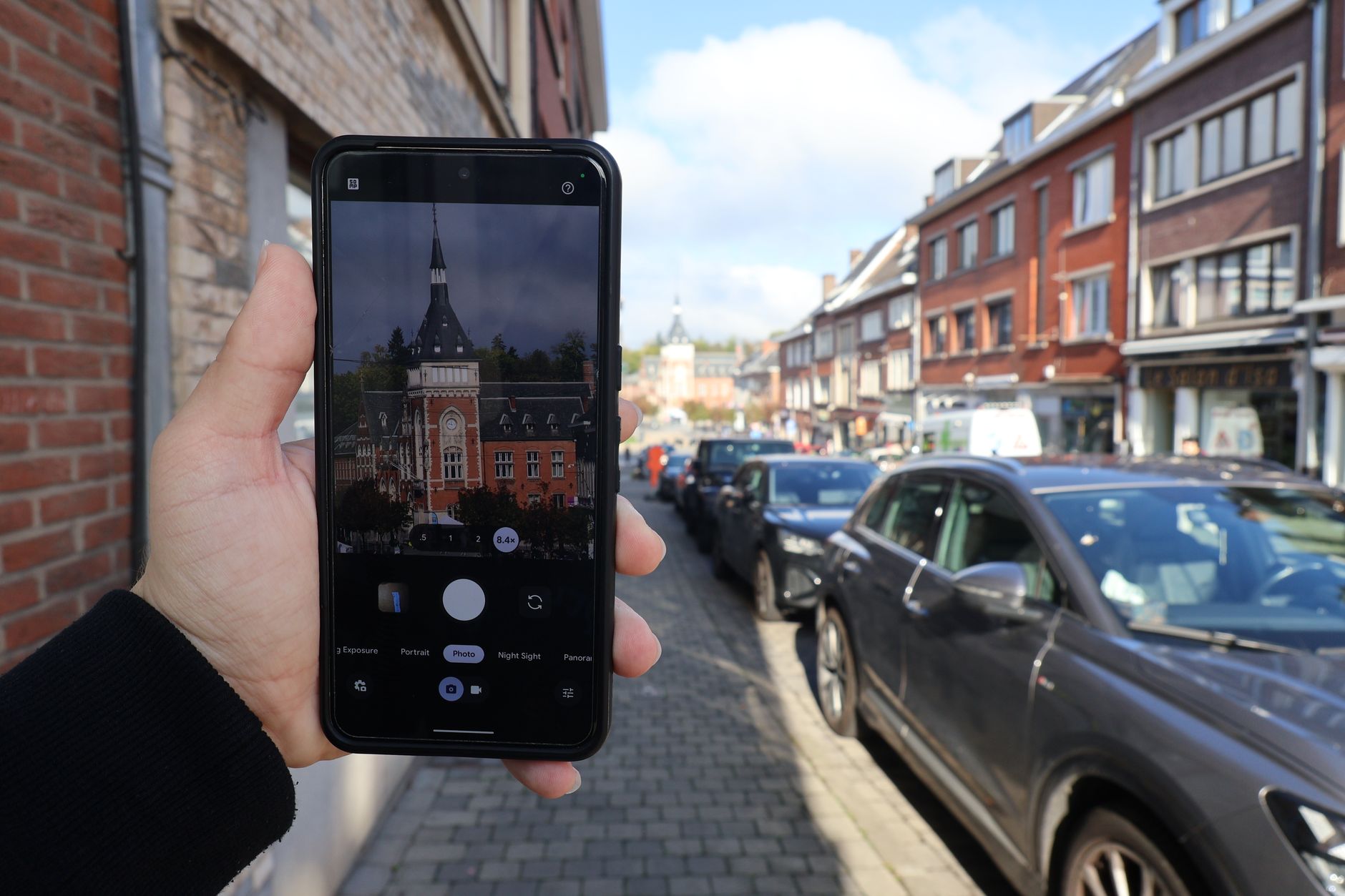
According to Harnett, this new method is also optimized for efficiency, providing these transitions with “minimal battery impact.” This is a critical factor for mobile users, as maintaining multiple active network profiles could theoretically increase power consumption by keeping more radio components active.
What it means for you
If you are a consumer looking to upgrade your mobile service, this update changes the value proposition of the Google Fi ecosystem.
For Pixel 9 and newer owners: You can expect a more resilient connection, particularly in urban environments or during travel where signal interference and building density can cause frequent fluctuations in single-carrier strength. If you are currently using Google Fi, you should check your settings to ensure your service is active via eSIM and that no other non-Fi SIMs are interfering with the feature.
For users of older devices: This specific “super network” capability will not be available. While you will still benefit from Google Fi‘s standard coverage, you will not have the automated, proactive switching between two 5G networks that the newer hardware enables.
For those considering a switch to Google Fi: The reliability of the network is now more closely tied to your hardware choice. To get the full benefit of the service’s new multi-network capabilities, you will need to pair your subscription with a modern, compatible device.
Counterpoints and open questions
Despite the technical advancements, several questions remain unanswered by Google. Most notably, Harnett declined to disclose which specific networks Google Fi will be using for this secondary 5G connection. While Google Fi‘s official FAQs state that the service currently provides coverage through the T-Mobile network, the identity of the partner network remains a mystery. This lack of transparency makes it difficult for users to know exactly which coverage gaps the feature is intended to fill.
There are also potential concerns regarding the complexity of the setup. The requirement to disable all non-Fi SIMs may be a hurdle for power users who utilize dual-SIM setups to manage work and personal lines on a single device. Furthermore, while Google claims the battery impact is minimal, the long-term effect of having two eSIM profiles on standby in real-world usage scenarios has not yet been independently verified by third-party testing labs.
What happens next
As the rollout begins, industry analysts will be watching to see if Google can successfully leverage this software-driven approach to compete with the major domestic carriers. The success of the “super network” may depend on two key factors:
- The identity of the second network: If the second network provides significant coverage in areas where T-Mobile is weak, the feature will be a massive success. If the second network’s footprint is small, the benefits may be negligible for most users.
- Hardware expansion: It remains to be seen whether Google will eventually bring this dual-eSIM switching capability to other Android devices or if it will remain a walled-garden feature exclusive to the Pixel line.
Google’s move to reintroduce multi-network support through advanced eSIM management marks a significant shift in how mobile carriers can navigate a consolidated market. By focusing on the interplay between hardware, software, and network profiles, Google Fi is attempting to provide a premium connectivity experience that transcends the limitations of a single carrier’s footprint.
Frequently asked questions
Which phones support the new Google Fi network switching?
The feature is currently limited to the Google Pixel 9 and newer smartphone models. Additionally, the device must be configured with Google Fi active on an eSIM, and any other non-Fi SIM cards must be disabled for the automatic switching to function.
How does this differ from the old network switching?
The previous method was a reactive, single-SIM process where the phone had to wait for a signal to drop before attempting a slow SIM profile swap. The new method uses MEP technology to keep two eSIM profiles on standby, allowing the Android OS to proactively and quickly switch to a better connection before the current one fails.
Will using two networks drain my battery faster?
According to Jane Harnett, the new switching experience has been rebuilt to ensure that the transitions happen with “minimal battery impact.” Google has designed the system to monitor connection quality and transition fluidly without significantly compromising the device’s power efficiency.
Which networks does Google Fi use for this feature?
While Google Fi‘s FAQs confirm that the service uses the T-Mobile network, the company has not disclosed which second network will be used to provide the “super network” experience. This information was declined by a Google spokesperson during an interview with The Verge.
References
Featured image: Photo by Israel Torres on Pexels