The <a href="https://news.quantosei.com/2026/09/27/iphone-duo-foldable-market-why-apples-entry-matters/" title="iphone duo Foldable Market: Why Apple's Entry Matters”>iphone Duo StandBy mode is undergoing a massive software transformation designed to turn Apple’s upcoming foldable device into a persistent, ambient smart home hub. According to recent leaks from developer @itspdfu, the device will feature several unannounced interface “faces” and a robust customization engine that leverages the unique dual-display architecture of the hardware. These findings, uncovered through code digging within the iOS 27.1 simulator, suggest that Apple is moving beyond simple clock and photo displays toward a more functional, interactive user experience for stationary use.
Key Takeaways
- Five New StandBy Faces: Leaked code reveals unannounced views including Home Camera, Home Modular, Flow, Fade, and a Snoopy-themed interface.
- Smart Home Command Center: The “Home Camera” mode can display up to a nine-camera grid, while “Home Modular” provides direct control over HomeKit accessories.
- Advanced Customization: A new face editor, mirroring the Apple Watch interface, allows users to adjust colors, styles, and layouts via swipe gestures.
- Hardware Synergy: Unlike standard iPhones, the iPhone Duo can run StandBy mode while running on battery power, not just when charging.
- Strategic Software Shift: Apple has reportedly bypassed the public beta for iOS 27.1, moving directly toward iOS 27.2, signaling a condensed development cycle for the Duo’s launch.
- Launch Timeline: The iPhone Duo is scheduled for pre-order on October 16, 2026, with a full retail release on October 23, 2026.
- Visual Styles: Users can select different aesthetic themes to match their home decor.
- Color Palettes: Granular control over the colors used in widgets and text.
- Layout Adjustments: Through the use of swipe gestures, users can quickly move or resize elements on the screen.
- Widget Integration: The leak identifies five distinct widget layouts—StandBy, Stacked, Top, Middle, and Bottom—to accommodate different screen orientations and user preferences.
- October 16, 2026: Official pre-orders begin. This will be the first time consumers can secure the device and will likely be accompanied by more detailed software demonstrations from Apple.
- The iOS 27.2 Rollout: Watch for the release of the iOS 27.2 beta or public release. This will be the definitive test of whether the leaked “Rushmore” features and the new StandBy faces are actually implemented.
- Retail Launch (October 23, 2026): The official arrival of the device in Apple Stores will provide the first hands-on look at how the StandBy mode performs in real-world conditions, particularly regarding battery life and responsiveness.
- www.cultofmac.com
- 9to5mac.com
- www.theapplepost.com
- www.macrumors.com
What Happened: The @itspdfu Leak
On September 28, 2026, the tech community received a significant intelligence boost when leaker @itspdfu published a series of findings discovered within the iOS 27.1 simulator. The leak, which was widely reported by outlets including Cult of Mac, 9to5Mac, and The Apple Post, centers on a redesigned StandBy experience specifically tailored for the iPhone Duo.
While Apple had previously showcased the iPhone Duo during its initial unveiling in early September, those presentations only included a subset of the available StandBy options. The new information suggests that an internal application, referred to in code as “Rushmore,” is being developed to host these redesigned faces. Although the “Rushmore” app was notably missing from the current iOS 27.1 simulator, the localization strings found within the code provided a roadmap for the unannounced features.
This discovery comes at a critical time for Apple. The company is preparing for the highly anticipated launch of its first foldable iPhone, a device that represents a significant departure from the traditional smartphone form factor. The leak indicates that the software is being developed in lockstep with the hardware to ensure that the Duo’s dual-display capabilities are fully utilized.
Deep Dive: The Five Unannounced StandBy Faces
Existing StandBy modes—such as Analog, Digital, Classic Calendar, Weather, Photos, Memories, Shared Albums, and Modular—have already been seen in Apple’s marketing materials. However, the leak identifies five specific new additions that aim to provide much higher utility and aesthetic variety.
1. Home Camera
Designed for users deeply integrated into the Apple HomeKit ecosystem, the Home Camera face allows the iPhone Duo to act as a dedicated security monitor. According to 9to5Mac, this mode can display a single live camera feed or a sophisticated grid of up to nine different camera feeds simultaneously. This functionality positions the device as a direct competitor to dedicated smart home displays.
2. Home Modular
While the standard “Modular” view exists on current iPhones, the Home Modular face is expected to be specialized for the Duo. It will likely provide more granular, customizable controls for smart home accessories, allowing users to adjust lights, thermostats, or locks with minimal interaction while the device is in its “seated” or “standing” orientation.
3. Flow (Responsive Art)
Leakers suggest that the Flow face will focus on the aesthetic side of ambient computing. Described as “responsive artwork,” this mode is expected to feature abstract, animated visuals that react to the environment or user interaction. This is intended to make the device feel more like a piece of digital decor than a piece of hardware.
4. Fade
Details regarding the Fade face remain sparse. Based on the descriptions of the Flow face, some analysts suggest it may function similarly, perhaps offering a more subtle or minimalist version of the animated art experience. However, its exact purpose remains one of the primary unknowns of the leak.
5. Snoopy
Adding a touch of personality, the Snoopy face is expected to mimic the beloved animated screensaver experience found on Apple tvOS. This character-themed face would likely provide an ambient, looping animation that brings a sense of warmth and familiarity to the device when it is resting on a nightstand or desk.
The New Face Editor: Apple Watch-Style Customization
One of the most significant revelations in the leak is the introduction of a dedicated face editor. This tool is intended to move the StandBy experience away from a “one size fits all” utility and toward a highly personalized interface.
According to the research, the editor’s design language is nearly identical to the existing Apple Watch face editor. This familiarity is a strategic move by Apple to reduce the learning curve for users. The editor will allow for several levels of customization:

iPhone Duo Hardware and Software Synergy
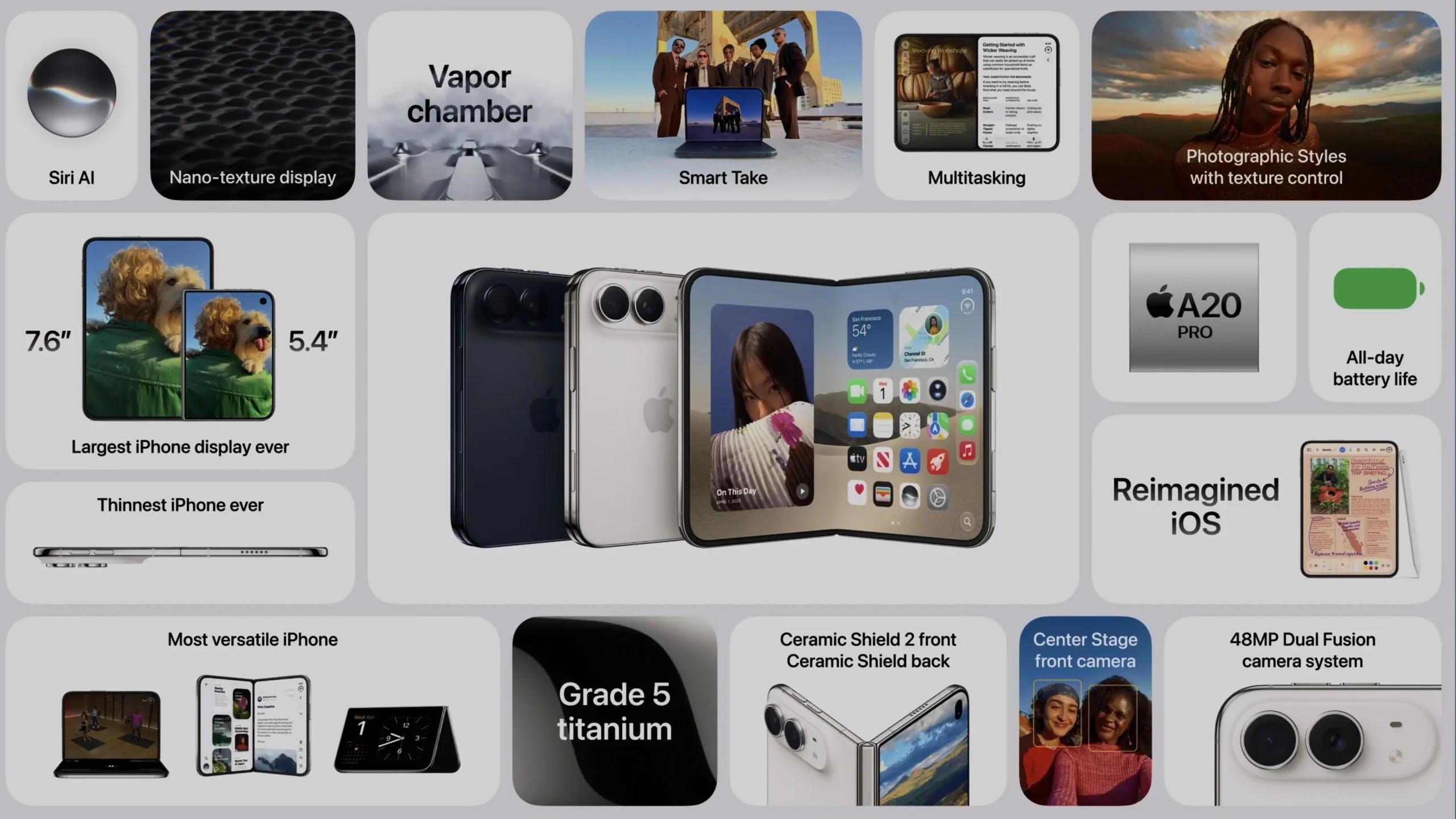
To understand why these StandBy enhancements are so critical, one must look at the physical nature of the iPhone Duo. As reported by The Apple Post, the device features a 5.4-inch outer display and a 7.6-inch inner folding display, powered by the A20 Pro chip.
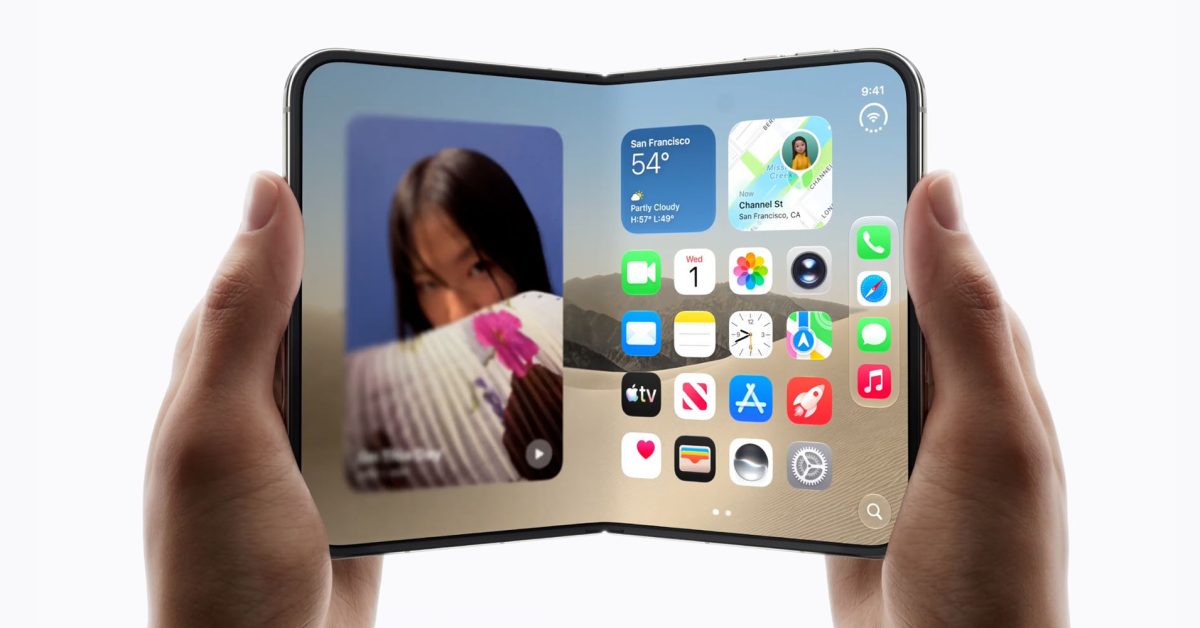
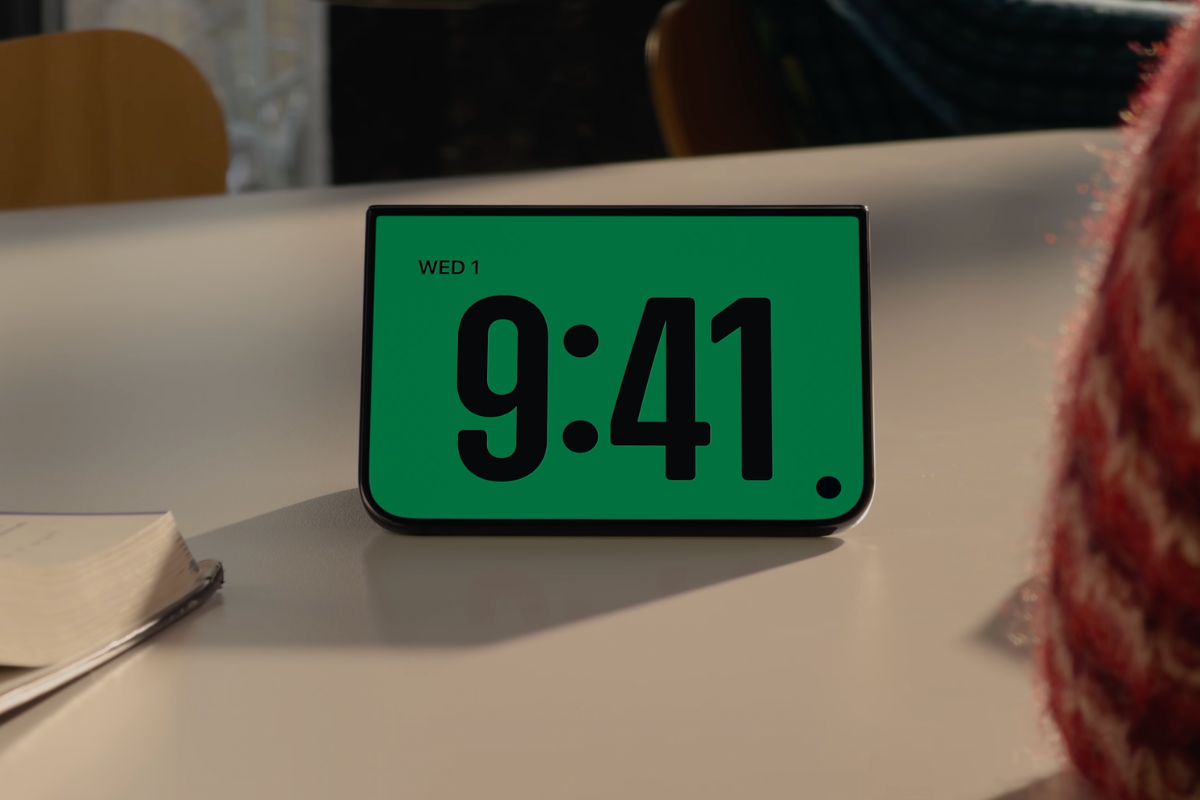
Unlike previous iPhone models, the Duo is designed to be used in multiple configurations: folded, unfolded, landscape, portrait, and specialized “seated” or “standing” orientations. The ability of the device to sit partially folded—essentially acting as its own kickstand—is the primary driver behind the expanded StandBy mode.
Furthermore, a major technical distinction was noted: whereas traditional StandBy mode requires the iPhone to be connected to a power source, the iPhone Duo StandBy mode can function even when the device is running on battery. This allows the device to serve as a spontaneous ambient display without being tethered to a MagSafe charger.
Comparison: Traditional iPhone vs. iPhone Duo StandBy
| Feature | Traditional iPhone | iPhone Duo |
|---|---|---|
| Power Requirement | Must be charging to use StandBy | Can operate on battery power |
| Display Configuration | Single display | Dual display; multiple orientations |
| Primary StandBy Use | Clock, Photos, Widgets | Smart home hub, Camera monitor, Ambient art |
| Physical Support | Requires external stand/MagSafe | Can sit partially folded (self-standing) |
| Camera Integration | Limited single-view utility | Multi-view grid (up to 9 feeds) |
Why It Matters: The Shift to Ambient Computing
The expansion of the iPhone Duo StandBy mode suggests a fundamental shift in Apple’s product strategy. For years, the iPhone has been defined as a mobile-first communication tool. However, the Duo’s software capabilities indicate an attempt to pivot the device into the realm of ambient computing.
By integrating smart home controls and high-density camera feeds directly into the StandBy interface, Apple is positioning the iPhone Duo to compete with dedicated smart home hardware like the iPad or the HomePod. The goal is to make the device a central, persistent “command center” for the home. When a user is not actively using the Duo as a phone, it transforms into a functional piece of household infrastructure—a security monitor, a smart home controller, or a digital art piece.
This strategy deepens the integration between iOS and the HomeKit ecosystem, making the hardware more indispensable to users who have already invested in Apple’s smart home products.
What It Means for You
The implications of these leaks vary depending on how you interact with the Apple ecosystem:
For Smart Home Enthusiasts
If you have a robust HomeKit setup, the iPhone Duo could become your primary interface for home management. The ability to see nine camera feeds at once on a large, folding display offers a level of surveillance utility that no other smartphone can currently provide. Expect the Duo to function as a high-end, mobile version of an Apple HomePod or iPad display.
For Tech Enthusiasts and Customizers
If you value personalization, the new face editor will be a significant draw. The ability to tailor the StandBy mode to your specific aesthetic—whether through “Flow” art or customized color palettes—will make the Duo feel like a premium, bespoke device rather than a mass-produced commodity.
For Investors and Industry Watchers
The reported skipping of the iOS 27.1 public beta in favor of iOS 27.2 is a signal of how much pressure Apple is under to perfect the Duo’s software. This condensed development cycle suggests that the software experience is just as critical to the Duo’s success as the folding hardware itself. The success of this device could validate Apple’s entry into the foldable market and redefine the smartphone category.
Counterpoints, Risks, and Open Questions
Despite the excitement surrounding the leak, several significant concerns and unknowns remain.
The Battery Drain Dilemma
While the ability to use StandBy mode on battery power is a major convenience, it presents a practical risk. Running high-resolution camera feeds in a nine-camera grid or displaying continuous, responsive animations like the “Flow” face will undoubtedly place a heavy load on the A20 Pro chip. Users may find that the very features that make the device useful also lead to significant battery depletion, potentially necessitating the use of MagSafe charging more often than anticipated.
Software Stability and the Beta Skip
The decision to bypass the iOS 27.1 public beta testing phase is a point of contention. While it may indicate a streamlined path to launch, it also raises questions about software stability. Features discovered in pre-release code, such as the “Rushmore” app and the new StandBy faces, are not guaranteed to make the final consumer version. There is always a risk that these features could be delayed or significantly altered before the October 23 launch.
The Premium Price Barrier
With a starting price of $1,999 in the US and £1,999 in the UK, the iPhone Duo is a luxury device. For many consumers, the question remains whether the expanded software utility of the StandBy mode justifies such a steep premium over a standard iPhone. The device must prove it is a multi-purpose tool, not just an expensive foldable phone.
What Happens Next
As the release date approaches, several key milestones will provide more clarity on the iPhone Duo’s capabilities:
Frequently Asked Questions
What is the iPhone Duo?
The iPhone Duo is Apple’s first foldable iPhone, expected to launch in late October 2026. It features a dual-display design with a 5.4-inch outer screen and a larger 7.6-inch inner screen. It is powered by the A20 Pro chip and supports Apple Pencil (USB-C) and MagSafe technology.
When is the iPhone Duo being released?
According to current schedules, the iPhone Duo will be available for pre-order on October 16, 2026, and will officially hit retail stores and reach customers on October 23, 2026.
How much will the iPhone Duo cost?
The starting price for the iPhone Duo is confirmed at $1,999 in the United States and £1,999 in the United Kingdom. This positions it as a premium, high-end device within Apple’s lineup.
What are the new StandBy faces mentioned in the leak?
The leaked faces include Home Camera (for viewing security feeds), Home Modular (for smart home control), Flow (for responsive, animated art), Fade (an unknown aesthetic mode), and Snoopy (an animated character experience similar to Apple TV screensavers).
Does the iPhone Duo need to be plugged in to use StandBy mode?
No. A key distinction of the iPhone Duo is that its StandBy mode can function while the device is running on battery power, unlike previous iPhone models which required a power connection to activate the mode. This allows for more versatile, ambient use.
—
The leaked details regarding the iPhone Duo StandBy mode suggest that Apple is not merely launching a new hardware form factor, but a new way to interact with the iPhone as an ambient, smart home-integrated device. As we approach the October release, the focus will shift from what the device can do to how effectively it performs these new, highly specialized tasks.
References
Featured image: Image via Cult of Mac