
Key takeaways
- Local ballot initiatives in 40 out of 41 locations recently voted to limit or prevent data center development.
- Cisco reported a 24% year-over-year revenue increase to $18.5 billion, driven by AI-related networking demand.
- Synergy Research Group projects that total U.S. data center capacity will double within the next three years.
- Analysts from Bernstein estimate that only 2% to 4% of future data center projects will likely be canceled nationwide.
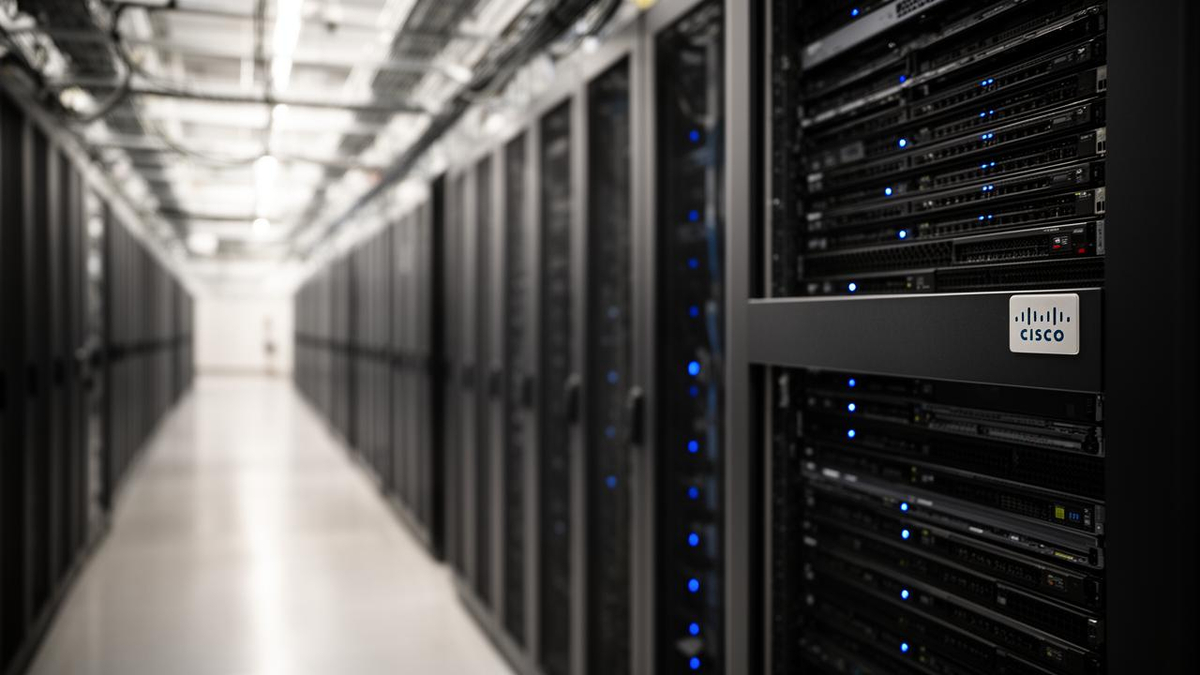
AI data center construction is expected to maintain its aggressive growth trajectory across the United States, according to recent market forecasts and corporate earnings, despite a surge in local political opposition following recent midterm elections. While voters in many jurisdictions have moved to restrict the footprint of massive technology projects, industry leaders and Research Analysts suggest that the underlying demand for artificial intelligence infrastructure is too significant to be halted by local moratoriums.
What happened
In the wake of recent midterm elections, a significant political shift has created friction for the technology sector. A “Blue Wave” has brought Democratic officials into power across various levels of government, leading to increased scrutiny of the massive physical infrastructure required to power artificial intelligence. According to reports from The New York Times, citizens have actively pushed back against the rapid expansion of these facilities, with 40 out of 41 local ballot initiatives across the country resulting in votes to limit or prevent data center development.
This movement has caught many large technology companies off guard. To mitigate local backlash, companies have attempted to walk back secrecy arrangements, offer more substantial benefits to local communities, and commit to higher electricity payments. However, the political tide has proven difficult to turn. Even elected officials who previously welcomed these projects are now reconsidering their support. In Ohio, for example, Democratic governor-elect Amy Acton has campaigned on a platform that includes establishing moratoriums on data center projects unless they meet specific criteria, such as utilizing former industrial sites rather than farmland and prioritizing the hiring of union workers.
Despite this localized resistance, the broader economic and technological momentum remains intact. While the political landscape has become more complex, the financial and operational reality of the AI boom suggests that the construction of these facilities is far from over.
Why it matters
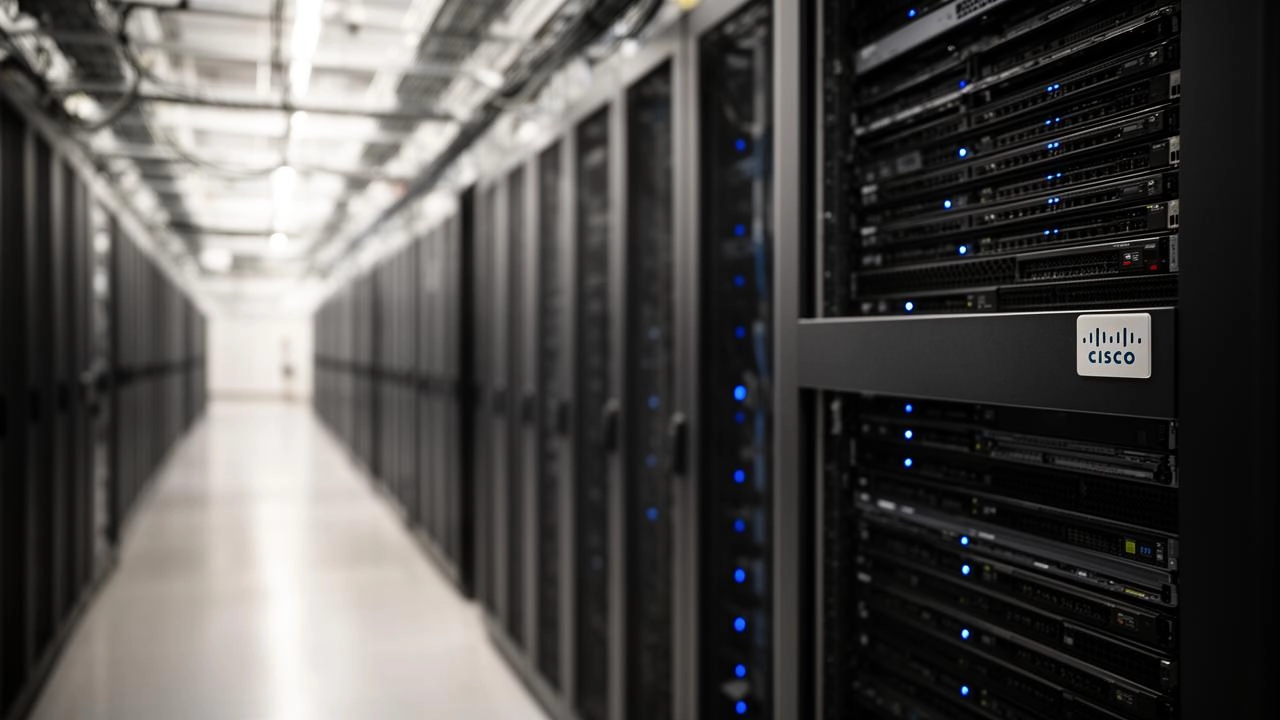
The tension between local governance and global technological demand represents a critical inflection point for the U.S. economy. On one hand, the rapid build-out of AI infrastructure is a primary driver of growth for the networking and hardware sectors. On the other, the social and environmental costs—ranging from land use concerns to massive electricity consumption—are driving a populist movement against the “big tech” footprint.
For investors, the stakes are high. Companies like Cisco Systems Inc. (CSCO) are seeing record-breaking growth tied directly to this infrastructure cycle. For local communities, the debate centers on whether the economic benefits of these centers outweigh the potential strain on local resources and the loss of agricultural or residential land.
Financial analysts suggest that while the political friction is real, it is unlikely to derail the industry. An analysis from the investment bank Bernstein suggests that in a most extreme scenario, roughly 9 percent of projects might not break ground. However, a more realistic estimate from the bank suggests that only 2 to 4 percent of future data centers will be canceled nationwide.
The Financial Engine Behind AI Infrastructure
Recent financial results highlight just how much capital is flowing into the networking components required for AI. Cisco Systems Inc. reported robust fiscal first-quarter 2027 results for the quarter ending October 24, 2026, showcasing the immense scale of the current build-out.
Cisco’s total revenue reached $18.5 billion, a 24% increase compared to the same period last year, which surpassed analyst expectations of $18.1 billion. The company’s non-GAAP earnings per share (EPS) rose 40% year-over-year to $1.40, beating the consensus estimate of $1.32. This growth was largely propelled by the networking segment, which saw sales of $11.13 billion—a staggering 43% increase year-over-year.
| Metric | Fiscal Q1 2027 Result | Year-over-Year Change |
|---|---|---|
| Total Revenue | $18.5 billion | +24% |
| Non-GAAP EPS | $1.40 | +40% |
| Networking Segment Sales | $11.13 billion | +43% |
| Product Orders | +28% | N/A |
| AI Infrastructure Revenue Forecast | $9 billion | Significant Increase |
Chuck Robbins, CEO of Cisco, remains bullish on the domestic landscape. Despite the political and geopolitical challenges regarding where these centers are sited and how supply chains are managed, Robbins asserted that the domestic buildout of AI infrastructure will continue. He noted that the company is in the “very early stages of a multi-year networking supercycle” and that “these data centers are going to get built.”
Market Projections and the Global Scale of U.S. Dominance
While local politics may create temporary hurdles, the macro-level projections for data center capacity are nothing short of massive. Synergy Research Group (now part of TechInsights) released a report in July 2026 indicating that the U.S. data center market is poised for an unprecedented expansion.
According to John Dinsdale, Chief Analyst at Synergy Research Group, while power constraints and local concerns are “crimping” some plans, developers are finding ways to bypass these obstacles to meet “booming demand.” The report forecasts that total U.S. data center capacity will double within the next three years. Furthermore, the operational capacity of hyperscale-owned data centers—the massive facilities run by the world’s largest tech firms—is expected to double within just two years.
Key statistics from the Synergy report include:
- The U.S. is projected to account for well over 50% of the world’s total operational data center capacity over the next five years.
- Approximately 45 gigawatts (GW) of IT capacity is expected to be added specifically within the United States.
- There are currently approximately 1,500 large data centers in the known global pipeline, with nearly half of them located in the U.S.
- While seven hyperscale companies are driving much of the growth through AI campuses, an additional 67 companies are also building large-scale facilities or campuses in the country.
Navigating Political and Regulatory Headwinds
The expansion of AI data center construction is not occurring in a vacuum; it is meeting significant regulatory resistance. In Arizona, Representative Yassamin Ansari has advocated for a halt on advanced AI work, calling for expanded regulatory scrutiny and even a prohibition on artificial superintelligence. This reflects a broader trend where lawmakers are seeking to rein in the rapid, often opaque, expansion of AI capabilities.
Siting capacity domestically has become a primary concern for investors. There is growing anxiety regarding the ability of companies to find suitable locations that satisfy both technical requirements and local zoning laws. The rise of local moratoriums creates a “lumpy” demand environment, where projects may be delayed or moved to different jurisdictions entirely.
However, industry experts suggest that the industry is already adapting. Austin Keyser, a top regional official at the International Brotherhood of Electrical Workers, noted that even as leaders like Governor-elect Acton push for stricter criteria, the industry is not facing a dramatic downturn. Instead, the focus is shifting toward how these projects are built—emphasizing union labor and the repurposing of industrial sites rather than the conversion of greenfield farmland.
Stakeholder Perspectives and Market Volatility
The divergence between corporate optimism and market caution is evident in the reactions of various financial analysts. While Cisco has raised its full-year fiscal 2027 revenue and profit forecasts, the market remains wary of several factors:
- Goldman Sachs Analysts have questioned whether the political friction and siting risks in the U.S. are driving AI networking orders toward international markets.
- UBS Analysts noted a “modest decline” in AI-related orders from hyperscalers and highlighted a deceleration in product order growth, which fell from 35% in the previous quarter to 21%.
- Cleveland Research Analysts raised concerns about whether the global supply chain for raw materials can keep pace with the demand for data-center shells scheduled for 2028 and beyond.
- Woo Jin Ho of Bloomberg Intelligence observed that Cisco is benefiting from a dual tailwind: the AI networking momentum and a broader, multi-year corporate network refresh cycle.

What It Means for You
- For Investors: Expect continued volatility in the tech sector as companies navigate the “lumpy” nature of AI infrastructure orders. While the long-term growth story remains strong—evidenced by Cisco’s upward guidance—short-term regulatory shifts and rising component costs (such as memory chips) could impact margins.
- For Local Residents: The debate over land use and resource consumption will intensify. If you live in an area targeted for data center development, expect increased local political activity regarding zoning, electricity usage, and the preservation of agricultural land.
- For Workers: The push for unionized labor in data center construction, as seen in Ohio, may create new opportunities for skilled tradespeople, provided that projects meet the increasingly stringent criteria set by local and state governments.
- For Developers: The era of easy siting is ending. Success in the next decade will likely depend on the ability to innovate around power constraints and find ways to integrate into communities rather than operating in secrecy.
Counterpoints and Open Questions
While the consensus among analysts is that the AI build-out is inevitable, several significant risks remain unaddressed. A primary concern is the sustainability of the power grid. As companies seek to add 45 gigawatts of capacity, the strain on existing electrical infrastructure could lead to even more aggressive regulatory crackdowns or massive increases in utility costs.
Furthermore, the question of “demand shifting” remains an open one. If the political environment in the United States becomes too hostile, will the hyperscale companies move their massive investments to more welcoming jurisdictions in Europe or Asia? While Cisco’s CEO maintains that there has been no shift in demand away from the U.S., the possibility of a long-term geopolitical shift in where AI is physically housed is a risk that investors cannot ignore.
Finally, the impact of rising component costs, particularly for memory chips, could create a margin squeeze for the hardware providers that form the backbone of this infrastructure.
What Happens Next
Several key milestones and catalysts will determine the trajectory of the industry in the coming months:
- February 2027: Cisco is scheduled to release its fiscal second-quarter results, which will provide a clearer picture of whether the “lumpy” demand is stabilizing.
- 2027-2028: This period is expected to see an even higher volume of AI training data center construction, according to Susquehanna Financial Group.
- The 2028 Shell Pipeline: Analysts will be watching to see if the supply chain can meet the massive demand for data-center shells scheduled to come online in 2028.
- Regulatory Implementation: As new Democratic officials take office, the specific implementation of moratoriums and labor requirements will serve as a litmus test for how much the tech industry can actually influence local policy.
While the political landscape for AI data center construction has become significantly more contested, the underlying financial and market drivers suggest that the build-out of these massive facilities will continue to be a defining feature of the global economy through the end of the decade.
Frequently asked questions
Will the political opposition stop the construction of AI data centers?
According to analysis from Bernstein, it is unlikely that construction will stop entirely. While 40 out of 41 local ballot initiatives voted to limit development, analysts estimate that only 2% to 4% of planned data centers will actually be canceled. Most companies are expected to find ways to work around local restrictions.
How much is the U.S. adding to its data center capacity?
Synergy Research Group estimates that approximately 45 gigawatts of IT capacity will be added specifically in the United States. Furthermore, the total U.S. data center capacity is projected to double within the next three years.
Why are local communities voting against data centers?
Opposition is largely driven by concerns regarding land use, specifically the conversion of farmland into industrial sites, and the impact on local resources like electricity. Some residents and officials are also pushing for stricter requirements regarding hiring local union workers.
Is the demand for AI infrastructure actually growing?
Yes, the demand remains very high. Cisco reported a 43% increase in its networking segment sales and raised its fiscal 2027 forecast for AI infrastructure revenue to $9 billion, up significantly from the $4 billion recorded a year prior.
References
- Cisco CEO Says US AI Data Centers Will Get Built Despite Midterm Backlash, Raises Sales Outlook — finance.biggo.com
- Synergy Reports that U.S. Data Center Capacity Will Continue to Balloon Despite Increasing Headwinds — srgresearch.com
- Data Centers Will Continue to Be Built, Despite Midterm Elections — nytimes.com
Featured image: Image via BigGo Finance