The apple HomeView hub is poised to become the cornerstone of a massive expansion into the smart home market during the company’s upcoming “Welcome Home” event on October 13, 2026. Following years of rumors regarding a visual interface for the Apple Home ecosystem, the company is expected to move beyond audio-only controls to offer a centralized, Siri-driven command center that integrates visual feedback with advanced artificial intelligence.
Key Takeaways
- New hardware Category: The HomeView smart hub features a 6-inch touch display and is designed to serve as a visual command center for the Apple Home ecosystem.
- Advanced Processing: The HomeView will reportedly utilize the A18 chip, while the new Apple TV 4K may feature an A19 chip to support enhanced AI capabilities.
- Staggered Release: The updated Apple TV 4K and HomePod mini 2 are expected to ship around October 30, 2026, with the HomeView following in mid-November.
- Siri AI Integration: The entire hardware refresh is built around Siri AI and Apple Intelligence, aiming to solve previous reliability issues with voice control.
- Design Versatility: The HomeView will be available in two distinct form factors: a countertop model with a metal speaker base and a flat, wall-mounted version.
- The Countertop Model: This version is expected to feature a “floating display” design atop a metal speaker base, a look that some analysts have compared to the nostalgic iMac G4. This model will be available in four colors: Space Gray, Silver, Starlight, and Pink.
- The Wall-Mounted Model: Designed for a more integrated look, this version will feature a flat, square base intended to mount directly to walls. To maintain a minimalist aesthetic, this model will reportedly only be available in Space Gray and Silver.
- October 13, 2026: The “Welcome Home” event in New York, where official pricing and availability will be announced.
- October 30, 2026: The expected retail launch of the new Apple TV 4K and HomePod mini 2.
- Mid-November 2026: The expected shipping window for the Apple HomeView hub.
- www.macrumors.com
- www.cnet.com
- 9to5mac.com
- www.theapplepost.com
- www.tomsguide.com
What Happened: The ‘Welcome Home’ Reveal
Apple is scheduled to host its “Welcome Home” event on October 13, 2026, in New York. While Apple has not officially confirmed the specific product lineup, multiple reports from Bloomberg’s Mark Gurman and subsequent coverage by MacRumors and CNET indicate a significant hardware refresh aimed at the smart home sector.
According to Mark Gurman, the centerpiece of this event will be the HomeView, a device designed to “close the biggest hole” in Apple’s current ecosystem. For years, Apple’s smart home presence has been largely confined to the HomePod and the HomeKit framework within the iPhone. The HomeView introduces a dedicated visual element, allowing users to interact with their smart devices via both touch and voice.

In addition to the HomeView, the event is expected to showcase an updated Apple TV 4K and a second-generation HomePod mini. These updates are not merely iterative; they represent a fundamental shift in how Apple intends to deploy its Siri AI and Apple Intelligence technologies within the domestic environment.
Why It Matters: Solving the Siri Problem
For much of the last decade, Apple’s smart home ambitions have been hampered by the limitations of its virtual assistant. Mark Gurman noted that Siri’s capabilities were previously not “reliable or capable enough to serve as the connective tissue holding everything together.” This lack of reliability made it difficult for Apple to compete with the highly integrated ecosystems of Amazon’s Echo and Google’s Nest.
With the introduction of Siri AI, Apple is attempting to pivot. The upcoming hardware is designed to leverage on-device processing to make voice commands more intuitive and contextually aware. By pairing powerful silicon—such as the A18 and A19 chips—with advanced machine learning, Apple aims to transform Siri from a simple voice command tool into a proactive home manager.
This shift is critical for the consumer market. As smart homes become more complex, involving everything from security cameras to intelligent thermostats and automated lighting, the need for a reliable, centralized “brain” becomes paramount. Apple’s strategy is to provide that brain through a combination of high-performance hardware and deep software integration.
Deep Dive: The Apple HomeView Specifications
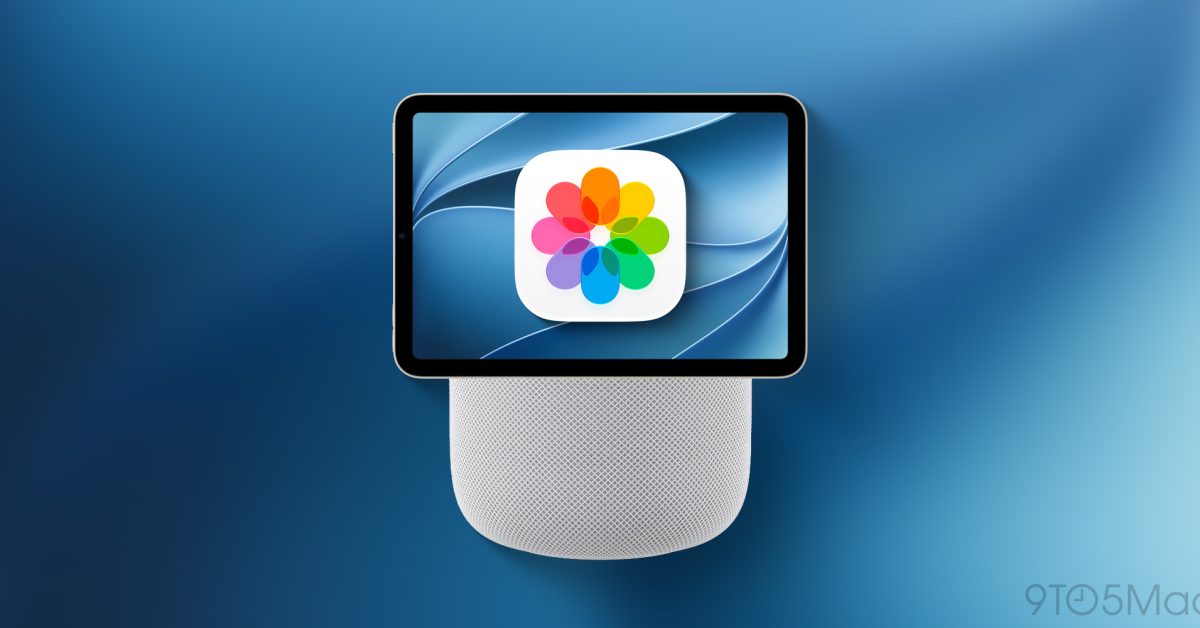
Technically, the HomeView is described as a high-performance hub rather than a simple tablet on a stand. Reports suggest the device will feature a 6-inch square display that supports touch input, providing a visual layer to the HomeKit experience.
Design and Aesthetics
Apple appears to be offering two distinct configurations to suit different user needs and interior designs:
Performance and Software Limitations
The HomeView is expected to be powered by the A18 chip, the same processor found in the iPhone 16 series, ensuring smooth performance for visual interfaces and AI processing. However, there is a significant caveat regarding its software: the device will reportedly not feature a dedicated App Store.
Instead of allowing users to download third-party applications like a standard iPad, the HomeView will focus on native Apple applications and HomeKit controls. While this limits the device’s versatility as a general-purpose tablet, it ensures a more streamlined, secure, and focused user experience dedicated to smart home management. Some reports suggest that users may still be able to project widgets from their iPhones to the HomeView, providing a bridge to third-party services without compromising the device’s primary function.
Comparing the New Smart Home Lineup
The following table summarizes the reported specifications and release timelines for the upcoming apple smart home hardware refresh.
| Device | Expected Chipset | Primary Function | Estimated Release |
|---|---|---|---|
| Apple HomeView | A18 | Visual Smart Home Hub | Mid-November 2026 |
| Apple TV 4K | A19 (or A17 Pro) | Media Streaming & Home Hub | October 30, 2026 |
| HomePod mini 2 | S10 | Smart Speaker & Audio | October 30, 2026 |
The Apple TV 4K and HomePod mini 2 Updates
The Apple TV 4K is undergoing a significant internal overhaul. While the outward design is expected to remain largely unchanged, the move to an A19 chip (as reported by CNET) or an A17 Pro chip (as suggested by Tom’s Guide) will provide the necessary headroom for Apple Intelligence. Additionally, the device is expected to include an N1 chip, support for Wi-Fi 7 and Bluetooth 6, and potentially a revamped Siri Remote equipped with an integrated speaker for better voice interaction.
Similarly, the HomePod mini 2 represents a major generational leap. Moving from the aging S5 chip to the S10 chip—the same silicon found in the apple watch series 10—will significantly enhance its ability to process complex voice commands and manage multi-room audio with greater precision. The speaker will also see a refresh in color options, including Green, Pink, Blue, White, and Midnight.
Stakeholders and Market Implications
Apple’s move into this space involves more than just consumer electronics; it is a strategic play involving hardware partners and software developers.
Ecosystem Partnerships
To ensure the HomeView has immediate utility, Apple has reportedly been working with major manufacturers to ensure compatibility. 9to5Mac reports that Apple has partnered with brands like LG to integrate smart home controls into a wider array of appliances. This includes smart thermostats, doorbells, deadbolt locks, and security lights. By ensuring that third-party hardware is ready for the HomeView launch, Apple is attempting to avoid the “empty ecosystem” problem that has plagued previous smart home entries.
Competitive Landscape
Apple is entering a crowded market dominated by Amazon and Google. The HomeView will compete directly with the Amazon Echo Show and the Google Nest Hub line. The primary differentiator for Apple will be the depth of its integration with the iPhone and the privacy-centric approach of Apple Intelligence. While Amazon and Google offer more expansive third-party app ecosystems, Apple is betting that users will prefer a more controlled, high-performance, and cohesive experience.

What It Means for You
For Existing HomeKit Users
If you already own Apple HomeKit-compatible devices, the introduction of the HomeView and the updated Apple TV 4K will provide a much-needed centralized interface. The ability to see camera feeds and control lighting through a dedicated, high-performance display will significantly improve the usability of your current setup.
For New Smart Home Adopters
If you are just beginning to build a smart home, the timing of this launch is critical. The coordinated release of the hub, the streaming box, and the smart speaker suggests that Apple is offering a complete, “out-of-the-box” solution. However, consumers should be aware of the software limitations; if you require a device that can double as a kitchen tablet for browsing third-party apps, the HomeView may not be the right choice.
For Investors
Apple’s expansion into the smart home represents a move to increase its recurring revenue through ecosystem lock-in. As more of a household’s physical environment becomes controlled by Apple hardware, the friction of switching to a competitor like Android or Amazon increases significantly.
Counterpoints and Open Questions
Despite the excitement, several concerns remain unaddressed.
The App Store Limitation: As noted by several tech enthusiasts in the MacRumors community, the lack of a dedicated App Store is a significant point of contention. Users have questioned whether the device can truly replace existing smart displays if it cannot natively run apps like Spotify, BBC iPlayer, or specialized smart home management tools.
Siri’s Reliability: While Apple Intelligence is intended to fix Siri’s shortcomings, history suggests that software-based improvements can take time to reach maturity. Whether the hardware alone can overcome the perceived unreliability of the virtual assistant remains an open question.
Pricing Uncertainty: While leaks have provided technical specifications, Apple has not yet disclosed the pricing for the HomeView or the updated Apple TV 4K. Given the high-end chips being utilized, there is speculation that prices could be higher than previous generations.
What Happens Next
As we approach the October 13, 2026 event, the industry will be watching for official confirmation of these specifications. The following timeline outlines the key dates to watch:
Frequently Asked Questions
Will the Apple HomeView have an App Store?
No. According to reports from Bloomberg and 9to5Mac, the HomeView is designed as a specialized smart home hub rather than a general-purpose tablet. It will support native Apple applications and HomeKit controls, but it will not feature a dedicated App Store for third-party applications.
What are the different models of the HomeView?
There are two reported models: a countertop version with a metal speaker base and a floating display (similar to the iMac G4 design) and a wall-mounted version with a flat, square base. The countertop model will be available in four colors (Space Gray, Silver, Starlight, and Pink), while the wall-mounted version will be limited to Space Gray and Silver.
When can I buy the new HomePod mini?
The second-generation HomePod mini is expected to be available for purchase around October 30, 2026, following its announcement at the “Welcome Home” event.
Does the HomeView support third-party smart devices?
Yes. Apple is reportedly partnering with manufacturers like LG to ensure that a wide range of smart home accessories—including thermostats, doorbells, and security cameras—are compatible with the new HomeView and the broader HomeKit ecosystem.
Apple’s move to launch the HomeView hub alongside a refreshed Apple TV and HomePod line signals a decisive attempt to dominate the smart home market through high-performance hardware and the promise of a more intelligent, Siri-driven experience
References
Featured image: Image via CNET