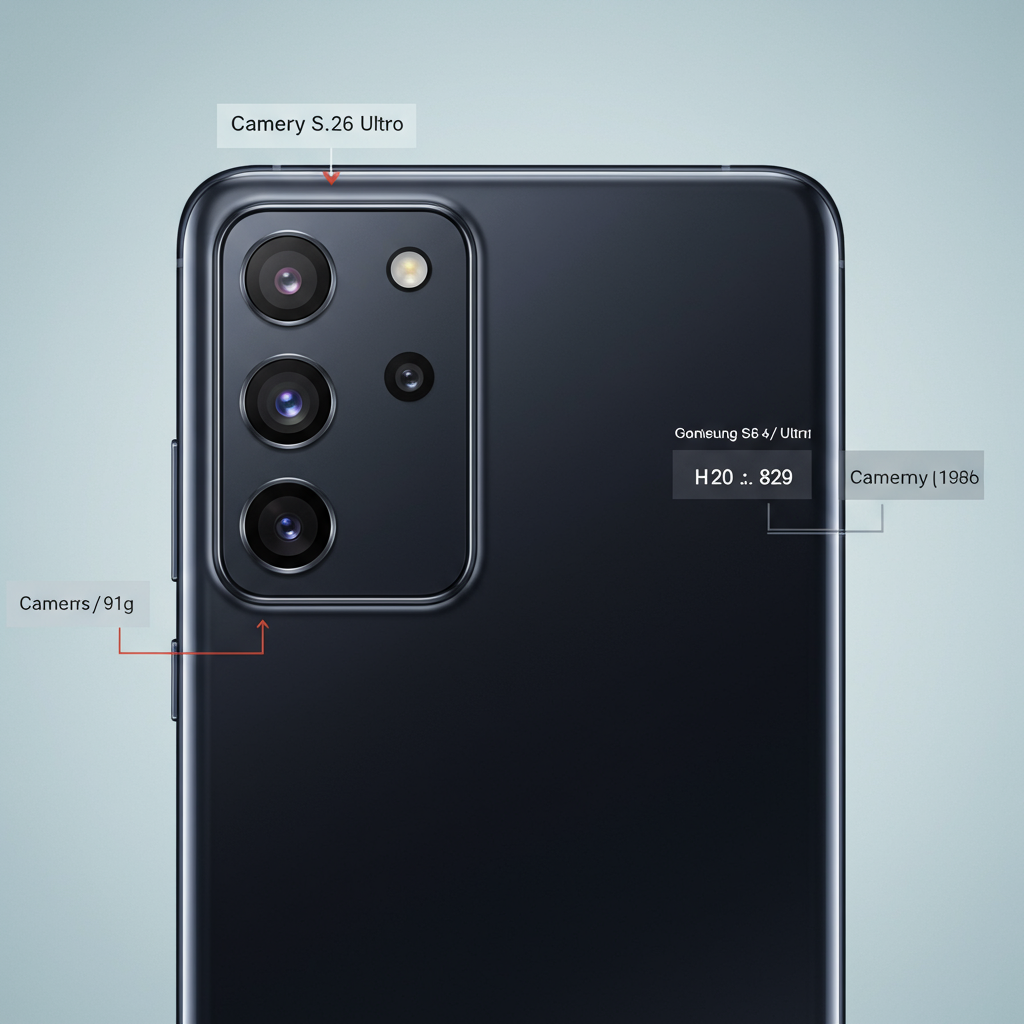
The apple Invites app update released on September 30, 2026, introduces high-resolution photo sharing and AI-driven background generation, signaling Apple’s continued push to integrate generative tools into social planning. This latest iteration of the iPhone application, version 1.12.0, aims to reduce user friction and enhance the creative capabilities of event organizers while simultaneously deepening the integration of the broader Apple ecosystem.
Key Takeaways
- Enhanced Creativity: The update integrates “Image Playground,” allowing users to generate photorealistic, high-quality backgrounds for event invitations.
- Improved Media Quality: Shared albums within the app now support full-resolution photo sharing, accessible to both Apple and non-Apple users.
- Reduced Friction: Guests can now verify their email addresses via a simple link tap rather than manual code entry.
- Subscription Requirement: While the app is free to download, creating events requires an active iCloud+ subscription (minimum 50GB tier at $0.99/month).
- Upcoming Hardware: The update arrives as Apple prepares for a massive October 13, 2026, event featuring new smart home hardware and the highly anticipated “<a href="https://news.quantosei.com/2026/09/29/iphone-duo-standby-leak-new-features-explained/" title="iphone duo StandBy Leak: New Features Explained”>iphone duo” foldable.
- Strategic Shift: Apple is increasingly moving toward a “spring refresh” cycle alongside its traditional fall launches, as seen in the March 2026 hardware releases.
- The iPhone 17E: A budget-friendly successor to the iPhone 16E, priced at $599 and featuring the A19 chip.
- The M5 MacBook Lineup: A significant performance jump for the MacBook Pro and Air using the new M5 architecture.
- The M4 iPad Air: A direct jump to the M4 chip, skipping the M3 generation entirely to ensure compatibility with “Apple Intelligence.”
- The Adoption Problem: Can Apple ever truly compete with “social-first” apps like Partiful if it continues to require a paid subscription for organizers?
- The AI Integration: Is the use of Image Playground in a social app a meaningful utility, or is it simply a way to showcase Apple’s AI capabilities in a low-stakes environment?
- Hardware Reliability: With the iPhone Duo’s foldable screen, will Apple be able to avoid the durability issues that have plagued early foldable devices from other manufacturers?
- The Subscription Fatigue: As more Apple services require iCloud+ or other subscriptions, will consumers eventually push back against the increasing cost of maintaining a complete Apple experience?
- October 13, 2026: The major Apple event focusing on Smart Home Hub, HomePod mini, and Apple TV 4K.
- October 16, 2026: The expected pre-order date for the new iPhone Duo.
- October 23, 2026: The official retail launch of the iPhone Duo.
- Late 2026: The expected release of the iPad Mini 8 and the broader rollout of Apple Intelligence features across the updated hardware lineup.
- www.macrumors.com
- www.cnet.com
- 9to5mac.com
What Happened
On September 30, 2026, Apple officially rolled out version 1.12.0 of its Apple Invites application for iPhone. Originally launched in February 2025, the app was designed to streamline social event planning for occasions ranging from birthday parties to baby showers. According to Apple’s official release notes, the update focuses on three primary functional pillars: media quality, creative customization, and user accessibility.
First, the app now supports full-resolution sharing within its Shared Albums feature. This allows attendees to view and contribute event photos in high detail. Crucially, Apple noted that users without an Apple device can still join these albums and contribute content, lowering the barrier for cross-platform social groups.
Second, the integration of “Image Playground” allows users to move beyond static templates. The tool enables the creation of high-quality backgrounds in various styles, including photorealistic options, to help organizers set a specific “vibe” for their event.
Third, Apple addressed a common pain point in the RSVP process. Previously, guests often had to manually enter a verification code to confirm their email addresses. The new update allows guests to simply tap a link in their inbox to verify their identity, a move intended to make the process of joining an event more seamless.

Why the Apple Invites App Update Matters
At first glance, a software update for a niche social planning app might seem minor, but the Apple Invites app update is a microcosm of Apple’s broader strategic direction. It highlights the company’s obsession with two specific areas: the seamless integration of generative AI (via Image Playground) and the reinforcement of its subscription-based ecosystem (via iCloud+).
For the average consumer, the update makes the app a more viable tool for high-quality photo sharing. For event organizers, the ability to create custom, photorealistic aesthetics provides a level of professional polish previously reserved for dedicated graphic design software. However, the update also underscores the “walled garden” approach. By requiring an iCloud+ subscription to create events, Apple ensures that the utility of the app is tied directly to its recurring revenue streams.
Furthermore, the app’s ability to allow non-Apple users to contribute to shared albums suggests a calculated attempt to gain market share in the social planning space by neutralizing the traditional “it only works on iPhone” argument. If Apple can make its social tools accessible to Android users, it can capture the social graph of a group, even if not every member is an Apple customer.
Deep-Dive: The Feature Set and User Experience
To understand the impact of version 1.12.0, one must look at the specific technical improvements provided in the release.
Image Playground Integration
Image Playground represents Apple’s move to bring generative AI into the hands of everyday users. In the context of Apple Invites, this isn’t just about novelty; it’s about utility. An organizer planning a “1920s Gatsby-themed” party can now prompt the system to generate a photorealistic, Art Deco-style background. This eliminates the need for third-party design apps, keeping the user within the Apple ecosystem.
Full-Resolution Shared Albums
One of the primary criticisms of mobile event apps has been the compression of media. By supporting full-resolution sharing, Apple is positioning Invites as a primary repository for event memories. The fact that this is cross-platform is a significant technical hurdle that Apple has successfully cleared, allowing a guest on a Samsung device to upload a high-resolution photo to an Apple-hosted album without losing quality.
Streamlined Verification
While a single-tap email link may seem like a minor convenience, in the world of user experience (UX) design, it is a major win. High-friction processes—like forcing a user to switch between an email app and an invite app to copy a six-digit code—are the primary reasons for user churn. By removing this step, Apple is attempting to compete with established social platforms that have much lower barriers to entry.
The Ecosystem Context: A Roadmap of 2026
The Apple Invites app update does not exist in a vacuum. It is part of a massive, multi-wave hardware and software rollout scheduled throughout 2026. While the software update focuses on social connectivity, the hardware roadmap suggests a massive push into smart home intelligence and foldable mobile technology.
As reported by MacRumors, Apple is expected to hold a major event on October 13, 2026. This event is rumored to be a pivot point for the company’s smart home ambitions. Below is a summary of the expected product lineup based on current leaks and reports.
| Product Category | Expected Model | Key Features & Rumored Specs | Expected Launch/Event |
|---|---|---|---|
| Smart Home | Smart Home Hub | iMac G4-style design; 6-inch square display; FaceTime camera | October 13, 2026 |
| Smart Home | HomePod mini | Upgraded chips to support “Siri AI” | October 13, 2026 |
| Entertainment | Apple TV 4K (4th Gen) | Faster chips; support for “Apple Intelligence” | October 13, 2026 |
| Mobile | iPhone Duo | Foldable “book-style” design; 5.4″ outer / 7.6″ inner display | October 23, 2026 |
| Tablet | iPad Mini 8 | Powered by the iPhone 18 Pro chip | Late 2026 |
| Mobile | iPhone 18 Pro | Advanced camera capabilities; potential speaker redesign | Late 2026 |
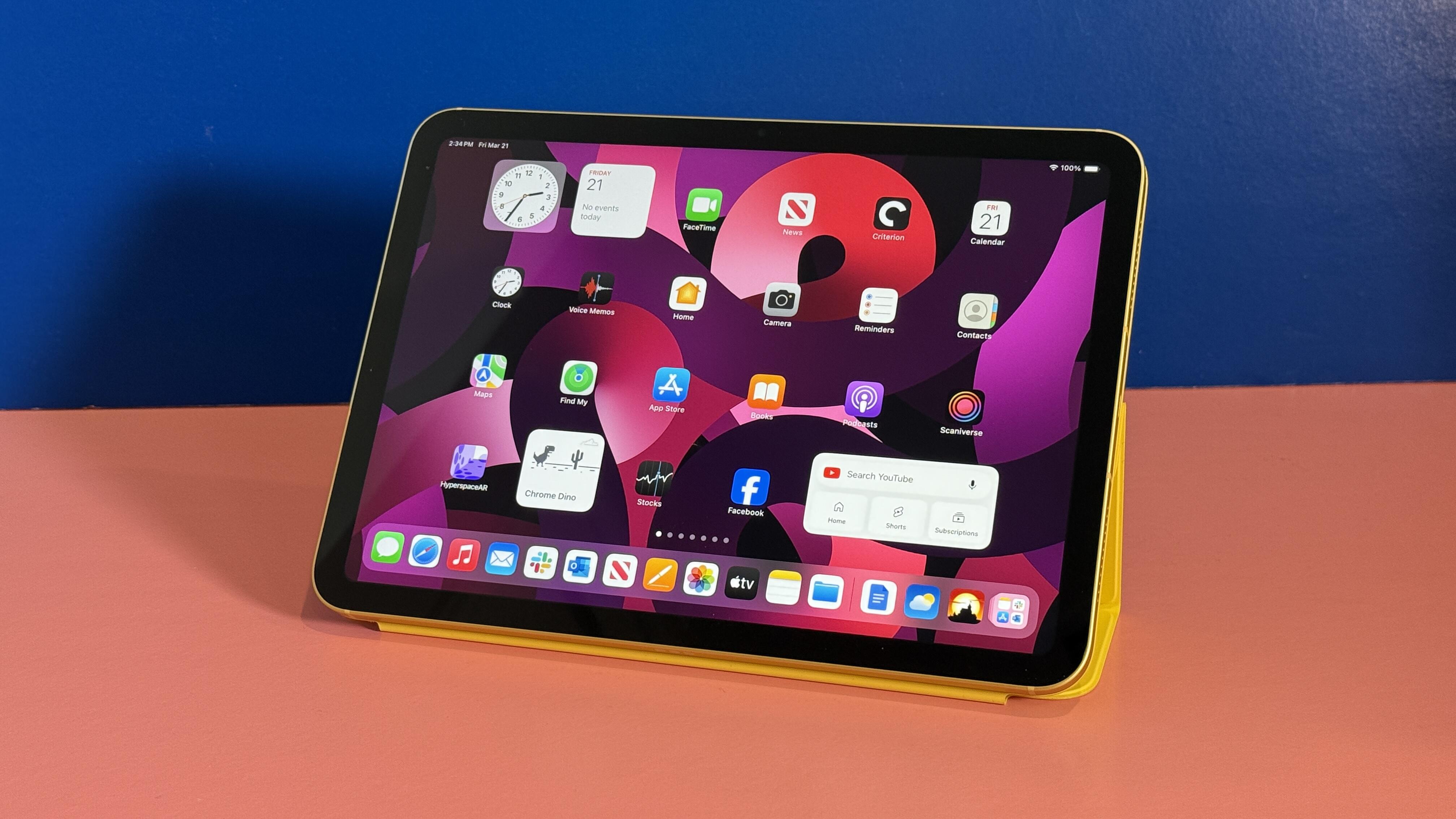
The Smart Home Revolution
According to Bloomberg’s Mark Gurman, the upcoming Smart Home Hub will feature a design reminiscent of the classic iMac G4, potentially offering both a countertop and a wall-mounted variant. This suggests Apple is looking to move beyond the small, voice-only interface of the current HomePod and into a more visual, interactive ambient computing experience. The inclusion of a FaceTime camera and upgraded microphones indicates that this device will serve as the central nervous system for the Apple-enabled home.
The Foldable Era: iPhone Duo
Perhaps the most significant hardware shift is the rumored “iPhone Duo.” Reported to feature a 5.4-inch outer display and a massive 7.6-inch inner display, the Duo aims to bridge the gap between the smartphone and the tablet. Leaks suggest Apple has focused heavily on minimizing the screen crease, a move that would position the Duo as a direct competitor to Samsung’s foldable lineup.
Stakeholder Reactions and Competitive Analysis
Despite the technical improvements, the reception to the Apple Invites update has been notably mixed. Analysis of user sentiment via MacRumors indicates that Apple faces significant uphill battles in the social planning market.
The Competition: Partiful and the “Social Gap”
One of the most prominent criticisms comes from users who compare the app unfavorably to established players like Partiful. In markets like Los Angeles, Partiful has seen massive adoption due to its ease of use and community-driven feel. Users have noted that Apple Invites, despite its polished interface, lacks the established user base required to make it a “standard” for social gatherings.
Monetization and Friction Concerns
A recurring theme among critics is the iCloud+ requirement. While Apple views the $0.99/month minimum tier as a way to provide high-quality cloud storage for event media, many users see it as a barrier to entry. Some users have argued that for the app to gain true market traction, it should be entirely free to use, removing the paywall for organizers.
Furthermore, even with the new email verification link, some users, such as those identified by MacRumors as Eersan19, argue that the entire concept of email verification for a social invite is unnecessary friction. The sentiment is that a truly seamless social app should rely on existing contact lists or phone numbers rather than traditional email authentication.
Historical Comparisons
Some long-time Apple enthusiasts have expressed skepticism, comparing the app’s trajectory to discontinued services like Ping or MobileMe. The concern is that Apple may be building a high-quality tool that ultimately fails to find a sustainable niche in a landscape dominated by more agile, social-first competitors.
The Strategic Shift: Spring Refreshes vs. Fall Keynotes
The timing of the Apple Invites update and the surrounding hardware news highlights a fundamental change in how Apple manages its product lifecycle. As reported by CNET, Apple is moving away from the tradition of a single, massive annual event in September toward a more frequent “spring refresh” cycle.
This strategy was clearly visible in March 2026, when Apple announced a flurry of new products:
By spreading out its announcements, Apple can maintain a constant presence in the news cycle and provide more frequent upgrade paths for consumers. This “continuous release” model keeps the brand top-of-mind and allows for more targeted marketing of specific technologies, such as the AI-driven features being integrated into the Invites app and the new HomePod mini.
What It Means for You
How these developments affect you depends largely on your role within the Apple ecosystem.
For Event Organizers
If you frequently host social gatherings, the Apple Invites app update makes the app a much more powerful tool for managing both the aesthetic and the media of your events. However, you must factor in the cost of an iCloud+ subscription. If you are already paying for iCloud storage, the added value of high-resolution shared albums and AI-generated backgrounds is significant. If you are not a subscriber, you may find the app’s core functionality frustratingly locked behind a paywall.
For Guests and Socialites
For those receiving invites, the experience should be smoother than ever. The ability to RSVP with a single tap and contribute high-quality photos to an album—regardless of whether you use an iPhone or an Android—removes much of the technical headache associated with digital event planning.
For Tech Investors and Enthusiasts
The upcoming October 13 window is the most critical period to watch. The success of the Smart Home Hub and the HomePod mini will indicate whether Apple can successfully transition from a mobile-first company to an ambient-computing company. Additionally, the launch of the iPhone Duo will be a litmus test for Apple’s ability to compete in the foldable market, a segment that has seen rapid growth among competitors.
Counterpoints and Open Questions
While the roadmap looks impressive, several risks remain unaddressed:
What Happens Next
As we move into the final quarter of 2026, the following dates and milestones will define Apple’s trajectory:
Frequently Asked Questions
Does the Apple Invites app cost money to use?
The application itself is free to download from the App Store. However, there is a functional distinction between hosts and guests. To create an event and manage shared albums, the organizer must have an active iCloud+ subscription (the minimum 50GB tier is $0.99 per month). Guests, however, can RSVP to events and contribute to shared albums for free, regardless of their device or subscription status.
Can Android users participate in Apple Invites events?
Yes. One of the key features highlighted in the version 1.12.0 update is cross-platform compatibility for shared albums. While an Android user cannot create an event (as that requires iCloud+), they can join an event, RSVP, and contribute high-resolution photos to the shared album within the app environment.
What is Image Playground in the Apple Invites app?
Image Playground is an integrated generative AI tool that allows users to create custom, high-quality backgrounds for their event invitations. Users can choose from various styles, including photorealistic designs, to match the specific theme or “vibe” of their party or gathering. This feature is part of Apple’s broader integration of generative AI across its software ecosystem.
Why does Apple require iCloud+ to create an invite?
Apple requires an iCloud+ subscription for event creation primarily to facilitate the storage and management of the high-resolution media and data associated with the event. By tying the app to iCloud+, Apple ensures that organizers have the necessary cloud capacity to host large, full-resolution shared albums without impacting the performance of other services.
In summary, the Apple Invites app update represents a dual-pronged approach: enhancing the creative and social utility of the app while reinforcing the economic importance of the iCloud+ ecosystem