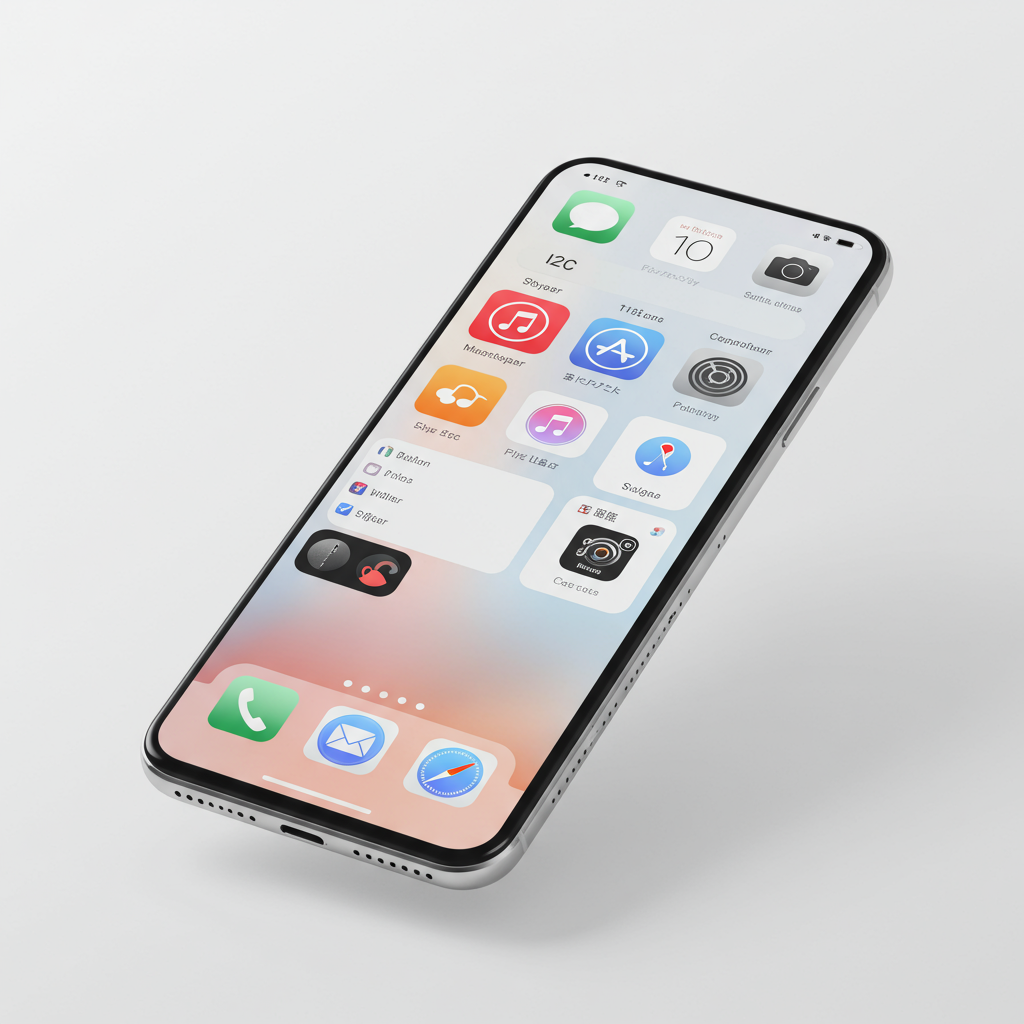
The upcoming apple smart home launch appears to be entering its final stages of retail preparation following reports of confidential shipments arriving at Apple Stores worldwide. These shipments, which have sparked intense speculation among industry analysts and tech enthusiasts, carry specific instructions that suggest a highly coordinated global rollout of new hardware designed to centralize the Apple ecosystem within the home.
Key Takeaways
- Confidential Shipments: Apple retail stores globally have received boxes marked with “Do Not Open Until October 8” stickers.
- Imminent Launch Window: A major hardware announcement or launch is expected around October 13, 2026.
- Product Lineup: The rumored products include a new smart home hub known as the “HomePad,” an updated HomePod mini 2, and a new Apple TV 4K.
- Retail Strategy: The five-day gap between the authorized unboxing (October 8) and the expected launch (October 13) suggests a synchronized global merchandising effort.
- Market Expansion: This move signals Apple’s intention to move beyond peripheral smart speakers and toward a centralized, integrated smart home control system.
- For Investors: This represents a clear signal of Apple’s intent to diversify its hardware revenue streams. By aggressively targeting the smart home market, Apple is looking for long-term growth in a sector that is increasingly becoming a standard component of the modern household.
- www.theapplepost.com
- www.macrumors.com
What Happened
According to reports from MacRumors, Apple retail stores across the globe have begun receiving confidential shipments that are strictly off-limits to staff for the time being. These boxes are clearly labeled with stickers reading, “Do Not Open Until October 8.” While the exact contents of these packages have not been officially confirmed by Apple, MacRumors has independently verified the existence of these shipments following a tip-off earlier this week.
Industry experts and reporters believe these boxes contain visual merchandising materials. This typically includes new signage, updated product labels, graphics, and instructions for new product layouts that allow retail employees to transform store displays in preparation for a major product release. The timing of these shipments aligns with a broader strategic push by Apple into the smart home sector.
There is a notable discrepancy in the reporting timelines regarding these shipments. While current reports from MacRumors and Bloomberg focus on the October 2026 window, a report from The Apple Post by David Joseppi mentioned shipments arriving in early January 2026 with instructions to remain sealed until October 8. This suggests either a significant error in the January reporting or a highly unusual, multi-month embargo on retail materials.

Analyzing the Apple smart home launch strategy
The precision of Apple’s retail operations is once again on display through the specific dates provided in these shipments. The instructions to wait until October 8 to open the boxes provide a critical five-day window for store managers and visual merchandisers to update their displays. This period allows for a global synchronization, ensuring that whether a customer walks into an Apple Store in New York, London, or Tokyo, the visual presentation of the new products is identical.
This preparation leads directly into the date highlighted by Bloomberg reporter Mark Gurman. According to Gurman, Apple plans to “push into the smart-home market on October 13.” While it remains unclear whether this date refers to a formal keynote announcement or the actual retail availability of the products, the proximity to the merchandising window makes a major event highly probable.
The Rumored Product Lineup
While some initial speculation suggested the materials might relate to a potential “iphone duo,” the prevailing consensus among analysts is that the focus is squarely on smart home hardware. The anticipated trio of devices aims to address different facets of the home ecosystem:
| Product | Reported Status | Strategic Significance |
|---|---|---|
| HomePad | New Smart Home Hub | Expected to be the centerpiece; a centralized control system for the home. |
| HomePod mini 2 | Major Hardware Update | The first significant update to the HomePod mini line since 2020. |
| Apple TV 4K | New Set-Top Box | Marks the first major refresh of the Apple TV line since 2022. |
Why It Matters: The Shift to Centralized Control
For years, Apple’s presence in the smart home has been characterized by its HomeKit framework and peripheral devices like the HomePod and Apple TV. However, these devices often act as individual nodes rather than a singular, cohesive brain for the household. The introduction of the HomePad suggests a shift in strategy toward a centralized control hub.
By creating a dedicated smart home hub, Apple is positioning itself to compete more directly with Amazon’s Echo Show and Google’s Nest Hub. A centralized hub allows for a more seamless integration of Siri, potentially leveraging advancements in artificial intelligence to manage complex home automations, security feeds, and media playback from a single interface. This move is not merely about adding new hardware; it is about deepening the integration of the Apple ecosystem, making it harder for users to migrate to competing smart home platforms.

Deep-Dive: The Evolution of Apple’s Home Hardware
The significance of this launch is best understood by looking at the refresh cycles of Apple’s existing home lineup. The HomePod mini 2 represents the first major iteration of the mini line since its debut in 2020. In the fast-moving world of smart speakers, a six-year gap between major updates is substantial, leaving significant room for competitors to gain market share.
Similarly, the Apple TV 4K has not seen a major hardware overhaul since 2022. As streaming standards evolve and smart home integration becomes more sophisticated, a refreshed set-top box is essential to maintain Apple’s status as a premium provider of home entertainment and ecosystem connectivity. The convergence of these three products—a hub, a speaker, and a media player—suggests that Apple is attempting to build a complete, three-dimensional smart home environment.
What It Means for You
How this news affects different groups depends on their current relationship with the Apple ecosystem:
For Apple Enthusiasts: If you have been waiting to expand your HomeKit setup, the arrival of a dedicated hub like the HomePad could be the missing link. It may provide a more intuitive way to manage your devices without needing to rely solely on voice commands or iPhone apps.
For Existing HomePod and Apple TV Users: The launch of the HomePod mini 2 and a new Apple TV 4K may prompt an upgrade cycle. If these new models offer significantly improved processing power or better integration with the new HomePad, current owners may find their older devices less central to the new ecosystem.
Counterpoints and Open Questions
Despite the high level of confidence surrounding these shipments, several variables remain unconfirmed. First and foremost is the format of the announcement. It is currently unknown if Apple will opt for a high-profile, live-streamed event—similar to their traditional iPhone launches—or if they will prefer a more understated announcement via the Apple Newsroom. The scale of the retail preparation suggests a significant event, but Apple has occasionally used quiet releases for secondary hardware lines.
Furthermore, there is the question of hardware versus merchandising. While the leading theory is that the “Do Not Open” boxes contain visual materials, there is always a non-zero possibility that they contain early retail units for testing or display. However, the strict date of October 8 suggests a focus on store readiness rather than immediate product availability.
Finally, the success of the HomePad remains an open question. For a smart home hub to succeed, it must offer a level of utility and ease of use that distinguishes it from the myriad of existing options from Google and Amazon. The market is already crowded, and Apple will need to prove that its centralized approach offers a tangible advantage in privacy, reliability, and user experience.
Frequently Asked Questions
What is the HomePad?
The HomePad is a rumored, long-anticipated smart home hub from Apple. While not officially confirmed, it is expected to serve as a centralized control center for the Apple smart home ecosystem, potentially integrating Siri and advanced automation features to manage various devices throughout the home.
When will Apple announce its new products?
While an official date has not been set by Apple, reports from Bloomberg’s Mark Gurman suggest that Apple may make a major push into the smart home market on October 13, 2026. Retail stores are reportedly permitted to begin unboxing new merchandising materials on October 8, 2026.
What is inside the ‘Do Not Open’ boxes at Apple Stores?
It is widely believed, though not officially confirmed, that the boxes contain visual merchandising materials. This includes new graphics, labels, and instructions for updated product layouts intended to prepare retail locations for the launch of new hardware.
Is the HomePod mini getting an update?
Yes, according to industry reports, Apple is expected to release a HomePod mini 2. This would mark the first major update to the HomePod mini since its initial release in 2020, likely featuring improved hardware to support new smart home capabilities.
What Happens Next
All eyes will be on Apple retail locations starting October 8, 2026, when the embargo on the confidential shipments expires. The visual changes in stores will provide the first tangible clues regarding the design and presence of the new products. Following that, the tech world will await the official word from Apple—whether through a scheduled event or a digital press release—to confirm the details of the Apple smart home launch and the official availability of the HomePad, HomePod mini 2, and the new Apple TV 4K.
As the October 13 date approaches, the focus will shift from retail preparation to the actual capabilities of the new hardware and how effectively Apple can integrate these devices into a cohesive, user-friendly smart home experience.
References
Featured image: Photo by Mark Stebnicki on Pexels