On October 1, 2026, russian President Vladimir putin delivered a high-stakes address at the Valdai Forum in Moscow, issuing a stark Putin Valdai Forum warning that the international community is approaching a “point of no return” in escalating global conflicts. During the speech, the Russian leader signaled a significant shift in Moscow’s rhetorical posture, specifically highlighting the risks of weapons of mass destruction (WMD) being deployed and characterizing western involvement in the Ukraine conflict as “direct participation.”
Key Takeaways
- Escalation Warning: President Putin warned of a “fatal point of no return” caused by the current logic of international retaliation.
- Nuclear Rhetoric: The speech explicitly raised the possibility of WMD use, questioning if the world can be certain such weapons will never be used.
- Western Involvement: Putin alleged that Western nations are providing more than just aid, claiming their technical support constitutes “direct participation” in the war in Ukraine.
- Economic Impact: Ukrainian strikes on Russian oil refineries have reportedly cost the Russian economy approximately 1% of its GDP.
- Geopolitical Shifts: The address predicted a declining era of Western hegemony and an increase in global volatility as the world moves toward a new order.
- Security Flashpoints: The security of the Kaliningrad enclave was identified as a critical area where Russia may use its “full spectrum” of weapons.
- Intelligence Monitoring of Weapon Production: Putin stated that Russian intelligence must monitor foreign factories producing weapons for Ukraine. Watch for increased reports of Russian intelligence activity or shadow operations targeting manufacturing hubs in Europe.
- Retaliatory Strikes: The frequency and scale of Ukrainian strikes on Russian energy infrastructure will be a primary indicator of the ongoing economic warfare.
- NATO Response in the Baltic: Any increase in military exercises or troop deployments near Kaliningrad will be a critical signal of how the West responds to Russia’s “full spectrum” warning.
- Diplomatic Signaling: Monitor whether Western leaders respond to the WMD rhetoric with renewed calls for de-escalation or with increased commitments to Ukrainian defense.
- en.vijesti.me
- timesofindia.indiatimes.com
What Happened
On October 1, 2026, at approximately 18:54h, Vladimir Putin addressed attendees at the Valdai Forum in Moscow. The forum, an annual event used by the Kremlin to outline its strategic vision, served as the stage for one of the most aggressive geopolitical warnings from the Russian presidency in recent years. According to reports from TV Vijesti, Putin’s address focused on the interconnectedness of current regional conflicts and the broader stability of the global order.
Putin’s remarks were not merely about the ongoing war in Ukraine but were framed as a systemic warning to the West. He argued that the current trajectory of conflict—driven by what he termed a “logic of escalation”—is leading toward a catastrophe that could be difficult, if not impossible, to reverse. The report also noted that because the translations provided by some outlets were primarily AI-generated, certain nuances of the speech may require further verification by linguistic experts.
Why It Matters
The significance of this address lies in its explicit lowering of the rhetorical threshold regarding nuclear weapons and direct military involvement. By stating, “Can we be sure that these weapons will never be used? Of course we can’t,” Putin has signaled that the use of WMDs is a scenario that Russian leadership is actively considering in its strategic calculations. This moves the conversation from theoretical deterrence to an active warning of potential deployment.
Furthermore, the speech highlights the economic dimensions of the war. While much of the global focus has been on military movements, Putin pointed to the domestic economic toll of Ukrainian strikes on Russian infrastructure. The claim that these attacks have cost Russia an estimated 1% of its GDP underscores the effectiveness of Ukrainian asymmetric warfare and the vulnerability of Russian energy production.
Finally, the warning regarding the Kaliningrad enclave serves as a direct message to NATO. Kaliningrad, Russia’s Baltic exclave, is a highly militarized zone. Putin’s implication that Russia would utilize its “full spectrum” of weapons to defend this territory places the Baltic region at the center of a potential high-intensity conflict between nuclear-armed powers.
The Escalation Logic and the Risk of WMDs
At the heart of Putin’s address was a concept he described as the “logic of escalation.” This refers to a cycle where one party’s retaliatory measure is met by an even harsher response from the opponent, eventually leading to a situation where control is lost.
“We must understand that the moment when nothing can be changed can come very quickly and unexpectedly for everyone,” Putin stated during the forum. He argued that the current trend of providing advanced weaponry to Ukraine and allowing deep strikes into Russian territory has created a feedback loop of retaliation.
This cycle, according to Putin, is what leads to the risk of weapons of mass destruction. By questioning the certainty of WMD non-use, he is attempting to reintroduce the concept of nuclear deterrence into the immediate diplomatic dialogue. The goal, as analyzed from his rhetoric, is to force Western powers to reconsider the level of technical and intelligence support they provide to Kyiv, which Putin views as a catalyst for this dangerous spiral.
Economic Warfare: The Cost of Refinery Strikes
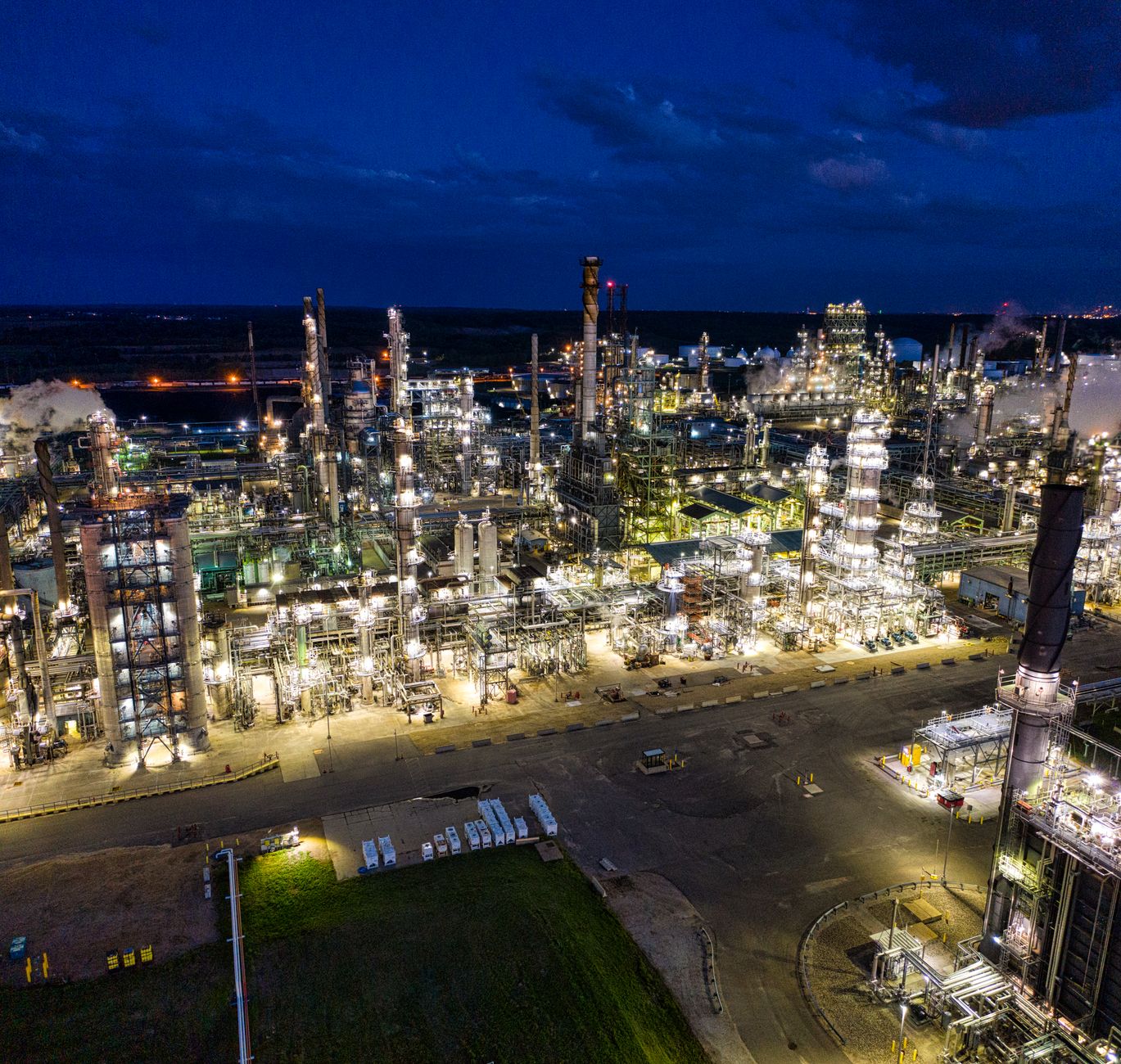
While the geopolitical stakes are high, the economic stakes are equally critical. Putin specifically addressed the impact of Ukrainian operations targeting Russian oil refineries. These strikes are designed to cripple Russia’s ability to fund its war effort and to disrupt its internal fuel supply.
| Economic Metric | Impact Reported by Putin |
|---|---|
| Estimated GDP Loss | 1% of Russia’s total GDP |
| Primary Target | Domestic oil refineries |
| Global Market Effect | Increased volatility in diesel availability |
According to the President, the loss is not merely a temporary setback but a significant dent in the national economy. This economic pressure is compounded by international sanctions, which have already impacted the global availability of Russian diesel. The interplay between Ukrainian tactical strikes and the broader global energy market suggests that the conflict is increasingly being fought through the disruption of energy security.
Geopolitical Shifts: The Decline of Western Hegemony
Beyond the immediate theater of Ukraine, Putin used the Valdai Forum to project a vision of a changing world order. He asserted that the era of Western hegemony is waning and that the world is transitioning toward a multipolar structure.
Putin predicted that international conflicts would remain “frequent in the coming years” as this transition occurs. He suggested that the current instability is a symptom of a world in flux, where Western-led international norms no longer hold the same weight. This perspective positions Russia not just as a participant in a regional war, but as a leader in a broader movement to challenge the existing global status quo.
This shift has profound implications for international diplomacy. If the West’s ability to set global rules continues to diminish, as Putin forecasts, the mechanisms for conflict resolution and arms control may become increasingly ineffective. This creates a vacuum that could be filled by more volatile, uncoordinated power struggles between emerging regional blocs.
What It Means for You
The implications of Putin’s warnings extend far beyond the borders of Russia and Ukraine. Depending on your role in the global economy and society, the following shifts may occur:
For Investors and Energy Markets
If the “logic of escalation” leads to increased strikes on energy infrastructure, expect continued volatility in global oil and diesel prices. Investors in the energy sector should monitor the security of both Russian refineries and Western energy transit points, as the conflict is increasingly targeting the economic foundations of energy supply.
For Policy Makers and Defense Analysts
The explicit mention of WMDs and the “full spectrum” of weapons in Kaliningrad necessitates a reassessment of NATO’s defensive posture in Eastern Europe. The threat of nuclear signaling means that conventional military movements must be managed with extreme caution to avoid accidental escalation.
For the General Public
The prediction of increased international volatility suggests that global economic and political stability may remain fragile for the foreseeable future. Consumers may experience the effects of this volatility through fluctuating energy costs and shifts in international trade patterns.
Counterpoints and Open Questions
While Putin’s speech was a powerful display of Russian strategic intent, several points remain unconfirmed or contested.
First, the claim that Western nations are in “direct participation” in the conflict is a significant allegation that has not been acknowledged by Washington, Brussels, or other Western capitals. While the West provides intelligence, training, and advanced weaponry, the distinction between “technical support” and “direct participation” is a central point of contention in international law and diplomacy.
Second, the economic figure of a 1% GDP loss due to refinery strikes is an estimate provided by the Kremlin. It has not been independently verified by international financial institutions like the IMF or the World Bank. The actual economic impact may be higher or lower depending on how Russia manages its internal fuel shortages and how it pivots its energy exports to non-Western markets.
Finally, there is the question of the “point of no return.” Critics of Putin’s rhetoric argue that the warning itself is a tool of psychological warfare, intended to intimidate Western leaders into reducing support for Ukraine rather than a reflection of an inevitable military outcome.

What Happens Next
As the world digests the Valdai Forum address, several key indicators will signal whether the “point of no return” is being approached:
Frequently Asked Questions
What did Putin mean by a “point of no return”?
Putin used this phrase to describe a situation where the cycle of retaliation between Russia and Western-backed forces becomes so intense that it can no longer be halted through diplomacy. He warned that this cycle could lead to a catastrophic outcome, including the use of weapons of mass destruction.
How has the war in Ukraine affected Russia’s economy?
According to Putin, Ukrainian strikes on Russian oil refineries have cost the Russian economy approximately 1% of its GDP. This economic damage is part of a broader trend of sanctions and conflict-related costs that are reshaping Russia’s domestic financial landscape.
Why is Kaliningrad mentioned as a security risk?
Kaliningrad is a Russian enclave located between Poland and Lithuania. Because it is geographically separated from mainland Russia, it is a strategic flashpoint. Putin warned that Russia would use its “full spectrum” of weapons—implying nuclear capability—to ensure the security of this territory.
Is the West directly involved in the war?
Vladimir Putin alleges that the West is in “direct participation” in the conflict due to the technical support and weaponry provided to Ukraine. However, Western governments maintain that they are providing support to defend Ukrainian sovereignty and have not engaged in direct combat with Russian forces.
Closing
The address at the Valdai Forum marks a definitive moment in the current geopolitical landscape. By framing the conflict in terms of a “fatal point of no return” and explicitly mentioning the risks of WMDs, Vladimir Putin has signaled that Russia is prepared for a long-term, high-stakes confrontation with the West. Whether this rhetoric is a strategic warning to prevent further escalation or a precursor to more aggressive actions remains the most pressing question for global security in 2026.
References
Featured image: Photo by Werner Pfennig on Pexels