Key takeaways
- The SpaceX Starship launch on Friday successfully deployed 26 Starlink V3 satellites into orbit.
- The Starship upper stage completed a historic mid-air catch by the launch tower’s mechanical arms on Saturday.
- The Super Heavy booster aborted its planned tower catch due to a guidance, navigation, and control (GNC) issue.
- This mission advances SpaceX’s reusability goals, which are critical for NASA’s 2028 Artemis lunar program.
The SpaceX Starship launch on Friday achieved a monumental milestone in aerospace engineering by successfully performing the first-ever mid-air catch of The Starship upper stage, marking a significant step toward full rocket reusability.
Launched from the Starbase facility in Texas at 5:47 p.m. EST, the Flight 15 mission was designed to test the limits of the world’s most powerful launch system. While the mission reached its primary orbital objectives and successfully deployed a payload of 26 Starlink V3 satellites, it was characterized by a dramatic divergence between the performance of the two vehicle stages. The upper stage, known as Starship, completed a grueling 22-hour orbital mission before being captured by the launch tower, while the Super Heavy booster failed to return to its intended landing site.
What happened
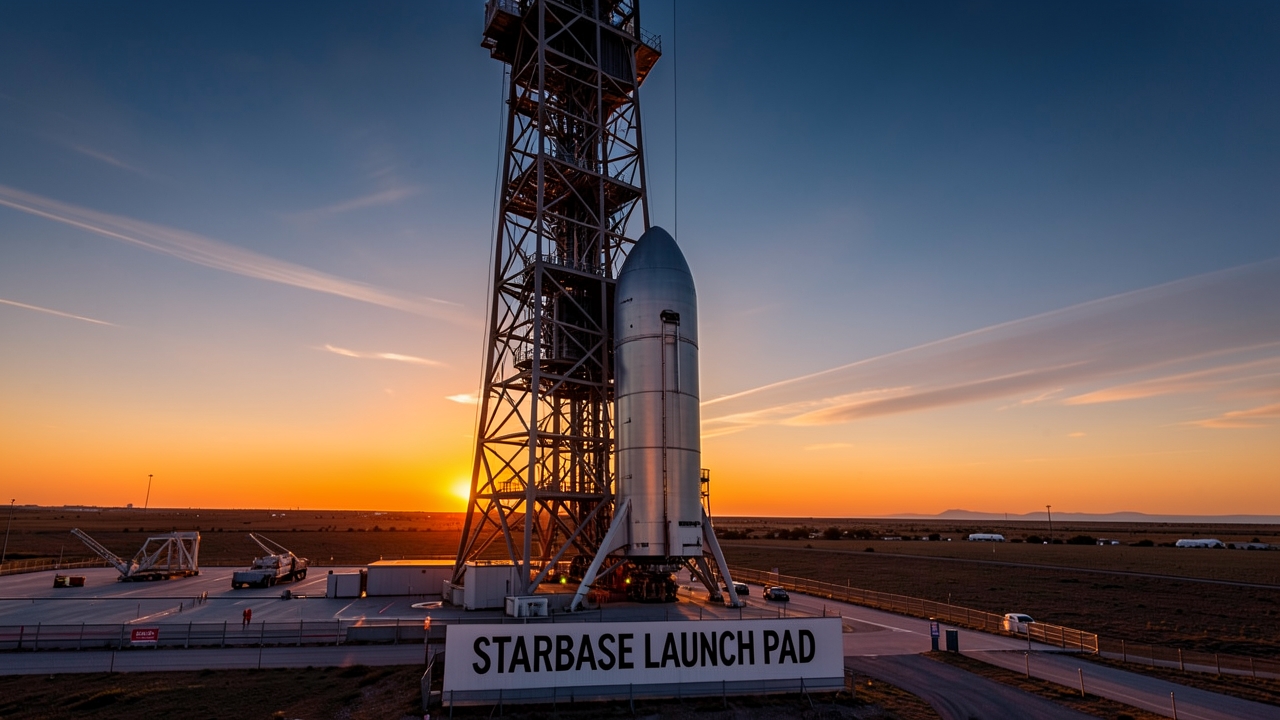
On Friday, November 14, 2026, SpaceX initiated Flight 15, a mission that would test both the deployment capabilities of the Starship upper stage and the recovery precision of the Super Heavy booster. The launch proceeded without immediate incident, with the massive rocket clearing the pad and ascending through the atmosphere. However, the mission’s trajectory changed significantly minutes after stage separation.
According to SpaceX spokesman Dan Huot, the Super Heavy booster was initially on track for its planned return to the launch tower. “We were initially ‘go’ for a catch, but in the later stages of the coast, the booster aborted itself for a GNC issue that it detected,” Huot confirmed. The guidance, navigation, and control (GNC) issue forced the booster to deviate from its flight path toward the Texas coast. To prevent an uncontrolled landing near populated areas or the launch site, the booster diverted to an offshore location in the Gulf of Mexico, where it subsequently detonated its flight termination system.
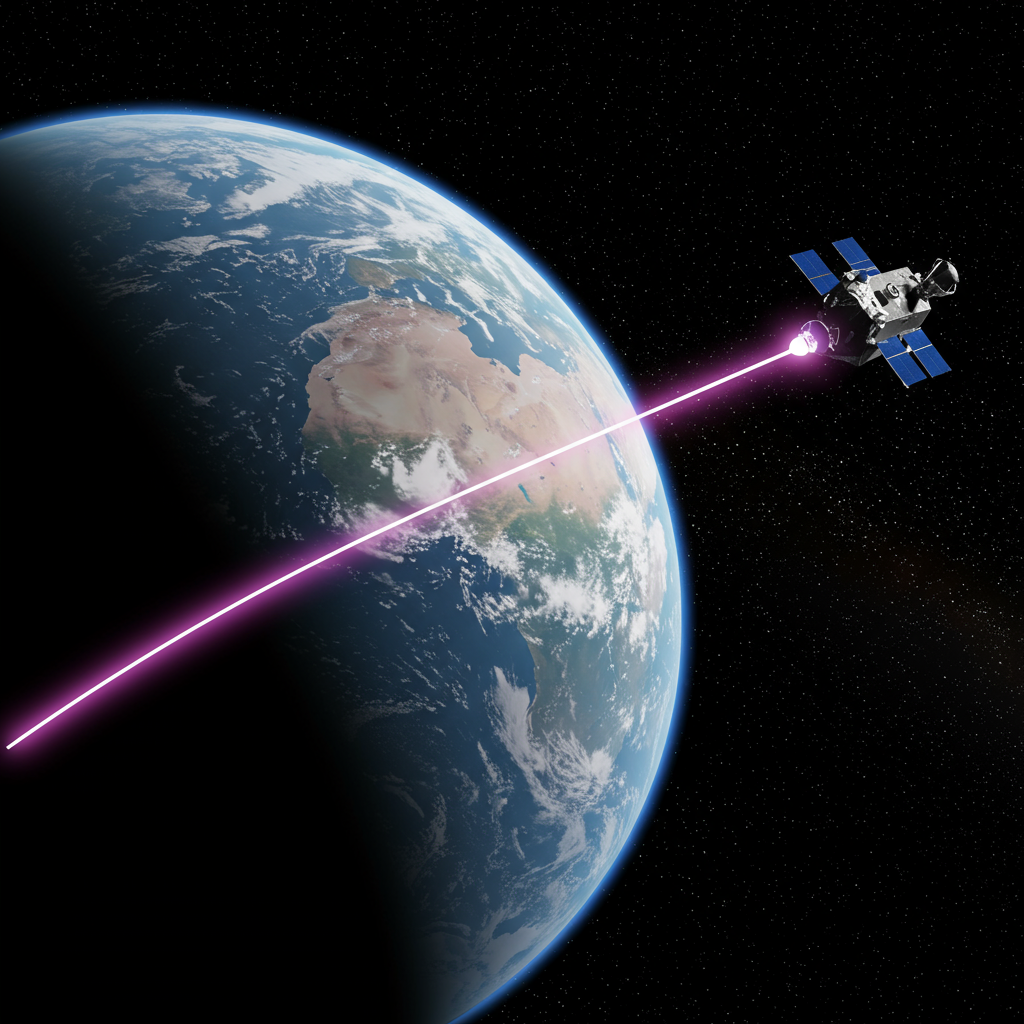
Despite the loss of the booster, the Starship upper stage continued its mission as planned. It reached an orbital altitude of approximately 275 kilometers and spent the next 22 hours completing 14 orbits around the Earth. During this period, the spacecraft successfully deployed 26 Starlink V3 satellites, maintaining the constellation’s growth and operational capacity. Following its orbital phase, the Starship returned to the Texas launch site on Saturday, where it was successfully caught by the giant mechanical arms of the launch tower, a feat never before accomplished with the upper stage.
Why it matters
This mission represents a critical pivot in the development of heavy-lift launch vehicles. For SpaceX, the ability to catch both the booster and the upper stage is the cornerstone of their business model: rapid, full reusability. If a rocket can be caught, refurbished, and reflown with minimal delay, the cost of access to space drops by orders of magnitude. This economic shift is what enables massive projects like the Starlink satellite constellation and future interplanetary travel.
Beyond the commercial implications for SpaceX, the success of the Starship upper stage catch has profound implications for national space priorities. NASA is currently counting on the Starship system to serve as the primary lunar lander for the Artemis program. With the goal of returning humans to the Moon by 2028, NASA requires a vehicle that is not only powerful enough to carry massive payloads but also reliable and frequent enough to support sustained lunar operations. The successful deployment of 26 satellites during this flight demonstrates that the Starship can function as a robust orbital delivery system.

Deep-dive: Technical analysis and mission data
The mechanics of the catch
The “catch” mechanism, often referred to by enthusiasts and engineers as “Mechazilla,” involves massive mechanical arms integrated into the launch tower. Unlike traditional landing methods that utilize landing legs and concrete pads, the Starship catch relies on the arms to intercept the vehicle as it descends vertically. This method eliminates the weight of landing legs on the spacecraft, allowing for more payload capacity, and enables the rocket to be placed directly back on the launch mount for rapid turnaround.
GNC and the booster abort
The failure of the Super Heavy booster highlights the extreme complexity of autonomous rocket recovery. Guidance, Navigation, and Control (GNC) systems are responsible for processing sensor data to make real-time adjustments to the rocket’s engines and fins. A GNC error during the high-velocity coast phase can lead to a loss of orientation, making a precision landing at the tower impossible. In this instance, the booster’s onboard computers detected the anomaly and prioritized safety by aborting the return and opting for a splashdown in the Gulf of Mexico.
| Feature | Super Heavy Booster (Flight 15) | Starship Upper Stage (Flight 15) |
|---|---|---|
| Mission Outcome | Aborted tower catch; Gulf splashdown | Successful orbital catch |
| Primary Objective | Return to launch site | Satellite deployment & orbital return |
| Key Technical Event | GNC issue detected | 14 orbits completed |
| Status | Flight Termination System activated | Successfully caught by Mechazilla |
What it means for you
For investors and the aerospace industry
If you are tracking the valuation of private aerospace companies or the broader space economy, the success of the Starship upper stage catch is a signal of maturing technology. The ability to recover the most expensive part of the launch vehicle (the upper stage) suggests that the path to high-cadence launches is becoming clearer. This could lead to increased competition in the heavy-lift sector and a shift in how satellite operators contract their launches.
For NASA and government stakeholders
If you are involved in public policy or space exploration advocacy, the progress of Flight 15 is a direct indicator of the Artemis program’s health. While the booster abort is a setback for full reusability, the successful orbital deployment and catch prove that the Starship’s core architecture is capable of meeting the heavy-lift requirements necessary for lunar missions.
Counterpoints and open questions
While the mission was largely viewed as a success due to the orbital catch, it is not without significant technical and safety concerns. The abort of the Super Heavy booster due to a GNC issue raises questions about the reliability of the autonomous systems required for precision recovery. If the booster cannot reliably return to the tower, the dream of a fully reusable, rapid-turnaround system remains incomplete.
Furthermore, the complexity of the mid-air catch introduces new risk profiles. Catching a massive, hypersonic vehicle with mechanical arms requires near-perfect timing and structural integrity. Any failure during the catch process could result in the total loss of the vehicle and potential damage to the launch infrastructure. Engineers must now determine whether the GNC issue in the booster was an isolated incident or a systemic flaw in the Starship development lineage.
What happens next
SpaceX is expected to analyze the data from the Super Heavy booster’s GNC failure to implement software or hardware fixes in future iterations. Elon Musk has previously indicated that the next generation of the vehicle, the V4 model, will be even larger and more powerful than the current Starship configuration.
Key milestones to watch include:
- Subsequent Booster Tests: SpaceX will likely attempt another booster catch to validate that the GNC issues have been resolved.
- Artemis Integration: NASA will continue to monitor Starship’s flight performance as part of its ongoing evaluation of the lunar landing system.
- Starlink V3 Deployment: The successful deployment of 26 satellites in this flight will be followed by more frequent orbital missions to bolster the Starlink network.
SpaceX’s Flight 15 has proven that while the journey to full reusability involves significant technical hurdles, the ability to catch a Starship upper stage from orbit is now a reality
Frequently asked questions
What happened to the Super Heavy booster during Flight 15?
The Super Heavy booster encountered a guidance, navigation, and control (GNC) issue during its coast phase after separating from the Starship upper stage. Because of this error, it could not perform the planned catch at the launch tower. As a safety precaution, the booster diverted to the Gulf of Mexico and activated its flight termination system before splashing down.
Was the Starlink satellite deployment successful?
Yes, the Starship upper stage successfully reached its target orbital altitude of approximately 275 kilometers. During its 22-hour mission, it successfully deployed 26 Starlink V3 satellites, fulfilling its primary payload objective for the flight.
What is the "Mechazilla" catch mechanism?
The catch is performed by giant mechanical arms located on the SpaceX launch tower. These arms are designed to intercept the returning rocket as it descends vertically, catching it mid-air to avoid the need for landing legs. This process is intended to allow for much faster reuse of the spacecraft.
How does this flight affect NASA's Artemis program?
This flight is a critical test for the technology NASA intends to use for the Artemis lunar missions. By proving that the Starship upper stage can successfully orbit, deploy cargo, and return for a catch, SpaceX is demonstrating the technical viability of the heavy-lift system required to land astronauts on the Moon by 2028.
References
- SpaceX’s Starship soars into orbit after booster explosion prevents an unprecedented double catch — ground.news
Featured image: Photo by Jeswin Thomas on Pexels