

Key takeaways
- Ridley Scott and Glenn Close were presented with Honorary Oscars during the 17th annual Governors Awards.
- Christine Vachon and Pam Koffler of Killer Films received the Irving G. Thalberg Memorial Award.
- The untelevised event served as a major strategic gathering for 2026 Oscar contenders and studio executives.
- The ceremony highlighted a distinct tension between massive studio blockbusters and the rising vitality of independent cinema.
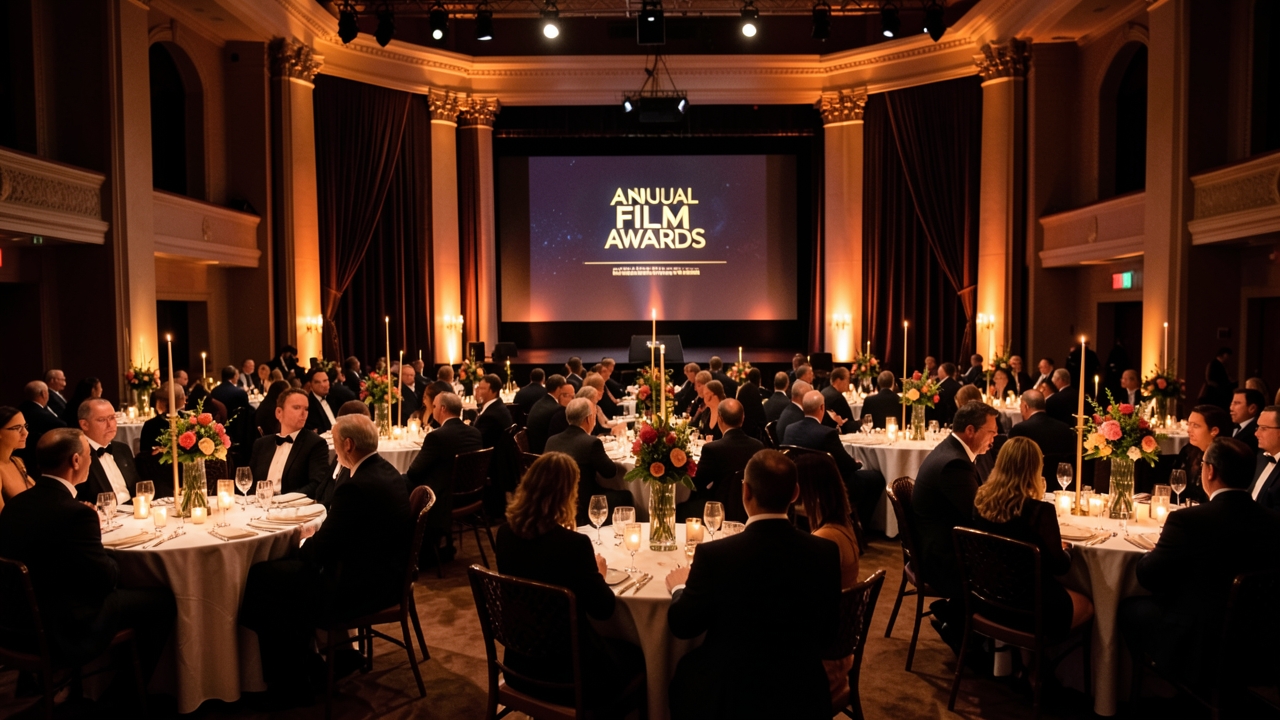
On Sunday night, November 16, 2026, the Governors Awards honorees gathered at Hollywood’s Ray Dolby Ballroom to celebrate a diverse range of cinematic excellence, spanning from the legendary “old guard” to the most influential voices in independent film. The 17th annual ceremony, hosted by the Board of Governors of the Motion Picture Academy, saw veteran director Ridley Scott and eight-time nominee Glenn Close receive Honorary Oscars, marking a significant recognition of their lifelong contributions to the medium.
While the event remains untelevised, its impact on the industry is profound, acting as a high-stakes networking hub where the upcoming Academy Awards race begins to take shape. The evening was not merely a celebration of past achievements but a demonstration of the current power dynamics in Hollywood, featuring heavyweights from Netflix, NBCUniversal, Warner Bros., and Neon.
What happened
The 17th annual Governors Awards functioned as a dual celebration of legacy and contemporary craft. The ceremony opened with the recognition of the industry’s foundational figures. Ridley Scott, the 88-year-old director behind epics such as Gladiator and Blade Runner, accepted his Honorary Oscar via a pre-recorded video from London. In his remarks, Scott dedicated the honor to his late brother, Tony Scott, a noted director of Top Gun and Crimson Tide, noting that his brother’s work deserved similar recognition.
Glenn Close received a similarly emotional reception. After decades of critical acclaim and eight Academy Award nominations for films like Fatal Attraction and The World According to Garp, Close was visibly moved as she accepted her prize. During her speech, she acknowledged longtime collaborators and departed champions, including director George Roy Hill and actor John Malkovich, who presented the award.
In addition to the Honorary Oscars, the Irving G. Thalberg Memorial Award—which recognizes exceptional producer achievements—was awarded to Christine Vachon and Pam Koffler of Killer Films. Their recognition was met with significant enthusiasm from the crowd, signaling the Academy’s acknowledgment of the vital role independent producers play in sustaining cinematic diversity. Floyd Norman, the famed Disney animator, also received an Honorary Oscar for his contributions to the art of animation.
Why it matters
The Governors Awards serve a purpose far beyond simple recognition; they are a critical component of the Oscar campaigning season. For studios and independent distributors, the event provides a concentrated window to showcase their top talent to a room full of influential Oscar voters and media members.
As the 2026 awards season intensifies, the presence of major studio leaders at the event underscores the strategic importance of these gatherings. Donna Langley, Chairman of NBCUniversal Entertainment, and Ted Sarandos of Netflix were among the prominent executives in attendance, presiding over tables packed with contenders. The seating arrangements and the sheer volume of talent present—ranging from Matt Damon to Timothée Chalamet—reveal the industry’s focus on visibility and momentum heading into the primary awards cycle.
Furthermore, the recognition of Killer Films highlights a pivotal shift in the industry. While massive productions like The Odyssey and Spider-Man: Brand New Day dominated the 2026 box office, the success of independent projects suggests that the “indie” sector is not merely surviving but actively shaping the cultural conversation. As Academy CEO Bill Kramer noted, these independent films possess a unique “staying power” that continues to resonate with audiences.
The 2026 Honorees and Their Impact
To understand the weight of the honors bestowed, one must look at the specific trajectories of the recipients. The following table outlines the primary honorees and their contributions to the film industry.
| Honoree | Award Received | Key Works / Contributions |
|---|---|---|
| Ridley Scott | Honorary Oscar | Gladiator, Blade Runner, Alien, Napoleon |
| Glenn Close | Honorary Oscar | Fatal Attraction, The World According to Garp, The Big Chill |
| Floyd Norman | Honorary Oscar | Disney Animation (The Jungle Book) |
| Christine Vachon | Irving G. Thalberg Memorial Award | Carol, Past Lives, Kids (Killer Films) |
| Pam Koffler | Irving G. Thalberg Memorial Award | Carol, Past Lives, Still Alice (Killer Films) |
The Legacy of Ridley Scott
Ridley Scott’s recognition comes at a time when he remains one of the most prolific directors in Hollywood. Despite being 88, Scott continues to helm large-scale productions. His acceptance speech, moderated by Matt Damon, highlighted a career defined by visual mastery and genre-defining storytelling. Damon, who is currently a leading contender for the Best Actor Oscar for his role in The Odyssey, introduced Scott with a reel featuring The Duellists, Blade Runner, and Gladiator. Scott’s tribute to his brother Tony emphasized the familial and collaborative nature of the filmmaking profession.
The Resilience of Glenn Close
For Glenn Close, the Honorary Oscar serves as a long-awaited validation of a career marked by intense, transformative performances. Her journey from the breakout success of The World According to Garp to the legendary tension of Fatal Attraction has made her a staple of American cinema. The story of her casting in Fatal Attraction—where she overcame studio resistance by proving her range in an audition—has become part of Hollywood lore. Her emotional acceptance, where she addressed the heavens in a nod to her late director George Roy Hill, underscored the personal connection many actors maintain with the craft.

The New Hollywood World Order
The atmosphere at the Ray Dolby Ballroom revealed much about the shifting alliances and hierarchies within the film industry. The distinction between the “old guard” and the “new order” was palpable in the room’s organization.
Studio Power Dynamics
Executive presence at the Governors Awards is a clear indicator of studio health and campaign investment. Donna Langley’s table was a hub of activity, hosting a roster of high-profile contenders including Christopher Nolan, Tom Holland, and Zendaya. Meanwhile, Netflix maintained a strong presence through Ted Sarandos and new content chief Peter Rice, who commanded tables for top contenders like La Bola Negra and Possible Love.
There were also subtle indicators of industry friction. Reports noted that Langley appeared to avoid lingering near the Warner Bros. table, where Skydance Co-CEO Ynon Kreiz was seated. Such nuances reflect the complex web of mergers, acquisitions, and competitive tensions that define modern studio politics.
The Independent Surge
While the major studios command the largest tables, the energy surrounding Neon and Killer Films suggests that independent distributors are currently operating with significant leverage. Tom Quinn, heading the Neon table, was positioned prominently, representing a slate of films including Artificial and You Can See Everything.
Killer Films remains the standard-bearer for this movement. The producers Christine Vachon and Pam Koffler have spent decades championing transgressive and diverse narratives, from Boys Don’t Cry to Past Lives. Their success at the Governors Awards, accompanied by cheers from the Academy crowd, reinforces the idea that independent cinema is a vital, thriving engine of the industry rather than a niche subset.
What It Means for You
Depending on your role in the film ecosystem, the outcomes and trends observed at the Governors Awards carry different implications:
- For Film Enthusiasts: Expect a highly competitive and diverse awards season. The strength of both massive epics like The Odyssey and intimate indies like The Debut suggests that the upcoming Academy Awards will offer a wide spectrum of storytelling.
- For Aspiring Filmmakers: The recognition of Killer Films and Floyd Norman serves as a reminder that longevity in this industry is often built on specialized craft and the courage to pursue unconventional narratives.
- For Industry Investors: The heavy presence of studio executives and the strategic nature of the event highlight that the “awards race” remains a high-capital endeavor. Success in the upcoming season will likely depend on a combination of critical acclaim and aggressive, well-funded campaigning.
Counterpoints and Open Questions
Despite the celebratory atmosphere, several questions remain regarding the health and direction of the industry. One point of contention is the perceived gap between box office performance and critical prestige. For instance, Tom Cruise attended the event to support the film Digger, which, despite its massive $50 million budget, has struggled at the box office and holds a mediocre Metacritic score of 46. This raises questions about the sustainability of high-budget, low-reward productions in a changing market.
Additionally, the “overdue” nature of awards for veterans like Glenn Close often sparks debate within the industry. While many see it as a necessary correction, others question the criteria used by the Academy to determine when a career has reached the threshold for honorary recognition.
Finally, as the industry navigates the transition between legacy studios and streaming giants like Netflix, the long-term impact of shifting leadership—such as Peter Rice’s new role at Netflix—remains unconfirmed. How these leadership changes will affect content acquisition and award strategies in 2027 and beyond is a significant unknown.
What Happens Next
The momentum from the Governors Awards will carry directly into the final stretch of the 2026 awards season. Several key milestones are on the horizon:
- Critics’ Group Deadlines: Many films, including Timothée Chalamet’s Dune: Part Three, are just beginning to screen for critics’ groups, which will heavily influence early Oscar predictions.
- Release of Major Titles: A24’s The Debut, starring Julianne Moore, is scheduled to open on December 11th. Given Moore’s status as a frontrunner, its performance will be a critical indicator for the Best Actress race.
- Documentary Branch Shortlists: The competition within the documentary branch remains fierce, with films like You Can See Everything expected to be shortlisted alongside heavyweights like Naza.
The 17th annual Governors Awards reinforced the idea that while the scale of Hollywood productions continues to grow, the heart of the industry remains rooted in individual craft and the enduring power of independent storytelling. As the industry moves toward the formal Academy Awards, the legacies honored on Sunday night will provide the backdrop for the season’s most intense competition.
Frequently asked questions
Who were the main honorees at the 2026 Governors Awards?
The primary honorees included Ridley Scott and Glenn Close, who both received Honorary Oscars. Floyd Norman also received an Honorary Oscar for his work in animation. Additionally, Christine Vachon and Pam Koffler of Killer Films were awarded the Irving G. Thalberg Memorial Award for their significant contributions as producers.
Why is the Governors Awards important for the Oscars?
The Governors Awards, while untelevised, serve as a crucial strategic event for the Academy Awards season. It brings together top talent, studio executives, and Oscar voters in a single location, allowing studios to showcase their contenders and build momentum for the upcoming official nominations and voting cycles.
What is the significance of the Killer Films recognition?
By awarding the Irving G. Thalberg Memorial Award to Christine Vachon and Pam Koffler, the Academy recognized the enduring importance of independent cinema. Killer Films has been a leader in producing diverse, transgressive, and critically acclaimed films, proving that independent productions remain a vital part of the cinematic landscape.
Which films are considered top contenders for the 2026 Oscars?
Several films mentioned during the event are high-profile contenders, including Matt Damon’s The Odyssey, Timothée Chalamet’s Dune: Part Three, and Julianne Moore’s The Debut. Other notable projects include John Malkovich’s Wild Horse Nine and the Neon film Artificial.
