The first Nvidia RTX spark laptops are arriving this month, signaling a massive shift toward local AI processing with premium price tags that could reach as high as $7,000. As Microsoft and Nvidia unveil a new tier of hardware designed to move personal computing from passive interfaces to autonomous “agentic” ecosystems, the cost of entry for high-end AI performance is proving to be substantial.
Key Takeaways
- New Hardware Tier: Laptops from Microsoft, Asus, Dell, Lenovo, MSI, and HP are launching with the Nvidia RTX Spark chip, specifically designed for local AI workloads.
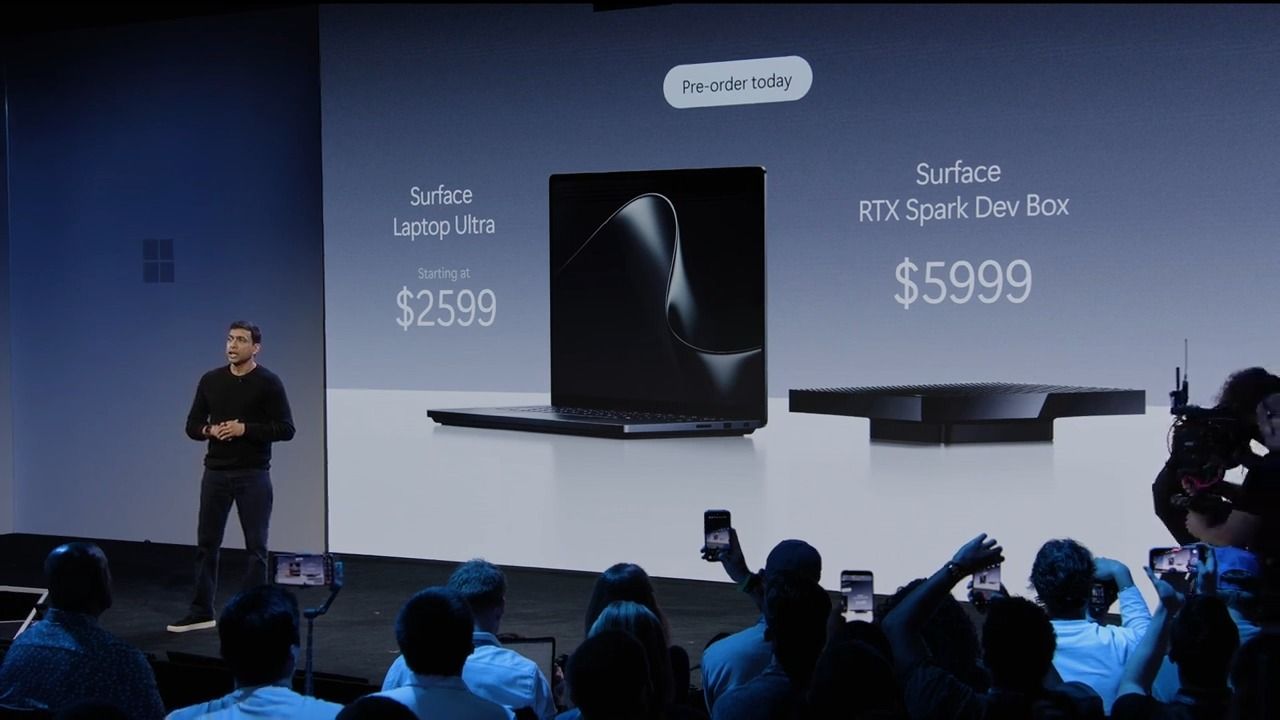
- Premium Pricing: Entry-level configurations start at approximately $2,599, while high-end models like the Asus ProArt P16 can cost up to $6,999.99.
- Performance Claims: Microsoft claims the Spark chip offers up to 2.1x faster token speeds and 6.2x faster video generation compared to Apple’s M5 Pro.
- Hybrid Intelligence: The new platform utilizes a “hybrid intelligence” model, balancing on-device processing via Nvidia Blackwell GPUs with cloud-based computing.
- HP Pricing Leak: Before official announcements, HP reportedly leaked pricing for its OmniBook X 14 and Ultra 16 models, with prices reaching $4,999.
- Agentic AI Era: The hardware is built to support Windows 11’s evolution into an ecosystem of autonomous AI agents.
- First Token Speed: Up to 2.1x faster than the M5 Pro.
- Image Generation: Up to 4.3x faster than the M5 Pro.
- Video Generation: Up to 6.2x faster than the M5 Pro.
- Shipping and Reviews: As devices begin shipping on October 16, independent benchmarks will be critical in verifying Microsoft’s performance claims against Apple’s M5 Pro.
- Software Maturity: The effectiveness of the “agentic” experience will depend on how well developers integrate HydraFusion and Windows ML into their existing software suites.
- Gaming Integration: While currently positioned for creators, the potential arrival of titles like Call of Duty on the RTX Spark platform in 2027 suggests that Nvidia and Microsoft are looking to expand this high-end hardware into the gaming market.
- Desktop Expansion: Later in 2024, the release of DGX Spark and Station for Windows from HP and Dell will bring this specialized architecture to the desktop, potentially offering even higher memory configurations for enterprise use.
- mashable.com
- www.tomshardware.com
- the-gadgeteer.com
- www.theverge.com
What Happened
In a major technological integration announced at a recent industry event in San Francisco, Microsoft and Nvidia introduced the Nvidia RTX Spark platform. This partnership aims to redefine the personal computer by integrating specialized hardware capable of running complex, local AI models. The rollout includes the flagship Surface Laptop Ultra and a wide array of partner devices from manufacturers including Asus, Dell, Lenovo, HP, and MSI.
According to reports from Tom’s Hardware, the official shipping date for these new Surface devices and partner PCs is scheduled for October 16, 2026. While the launch marks a significant milestone, the rollout has been preceded by pricing volatility and leaks. Most notably, Mashable and The Gadgeteer reported that HP may have prematurely revealed pricing for its upcoming OmniBook line on its online storefront shortly before a scheduled Microsoft event. These leaked listings, which were later removed, suggested that the HP OmniBook X 14 and Omnibook Ultra 16 would command premium prices, with high-end variants reaching as high as $4,999.

Why It Matters: The Rise of Agentic AI
The introduction of the RTX Spark platform is not merely a hardware refresh; it represents a fundamental shift in how users interact with operating systems. Microsoft is moving toward a model of “agentic AI,” where the OS is no longer a passive tool but an active participant. Through systems like HydraFusion, Windows 11 will be able to manage autonomous agents capable of performing multi-step tasks—such as searching for files, renaming them, zipping folders, and emailing them—with minimal user intervention.
To power these agents, the hardware must overcome the massive computational and memory requirements of Large Language Models (LLMs). This has led to what some industry observers are calling “RAMageddon,” a term used to describe the intense demand for high-capacity unified memory. The RTX Spark architecture addresses this by combining Nvidia’s Grace CPU with Blackwell RTX graphics in a unified memory architecture, allowing the system to handle the massive datasets required for real-time generative AI.
Deep-Dive: Hardware Specifications and Pricing
The pricing structure for the first wave of RTX Spark-powered machines reflects their positioning as professional-grade workstations rather than consumer-grade laptops. While base models are accessible to high-end creators, the top-tier configurations are aimed at developers and enterprise users who require massive memory pools.
Comparative Hardware Landscape
The following table outlines the reported pricing and configurations for the primary RTX Spark devices currently entering the market:
| Model | Starting Price | Reported/Leaked High-End Price | Key Specifications (Base/High)
| :— | :— | :— | :— |
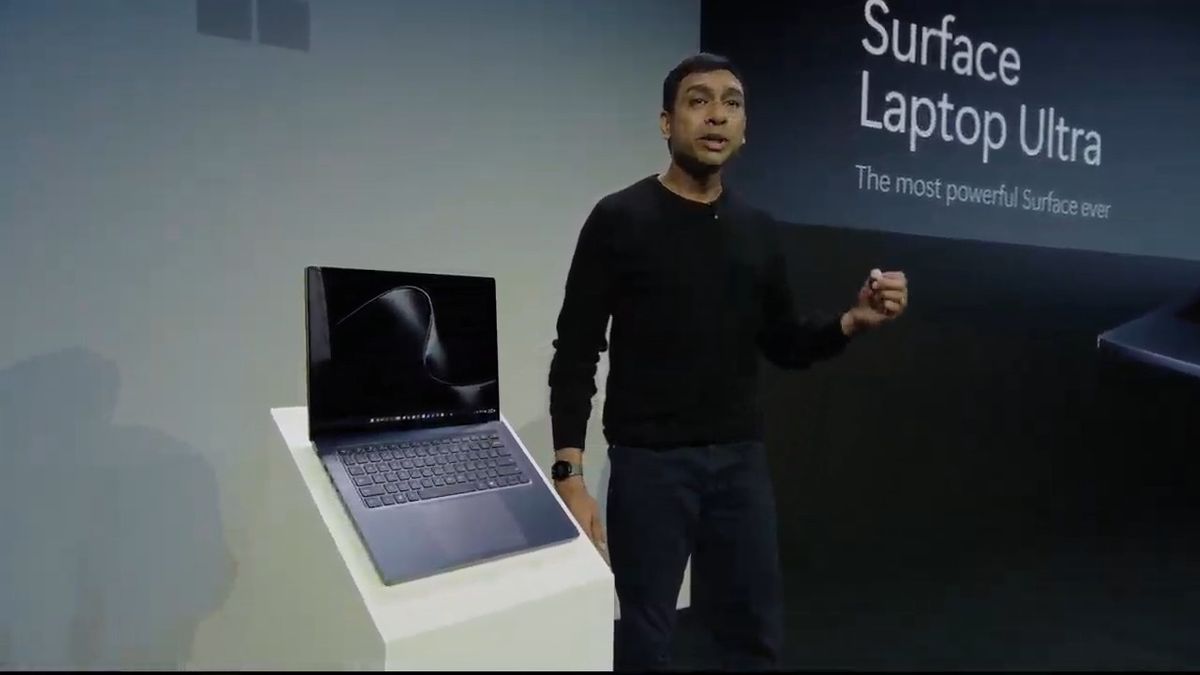
| Surface Laptop Ultra | $2,599 | N/A | 18-core CPU, 24GB Unified Memory, 512GB SSD |
| Asus ProArt P16 | $2,599.99 | $6,999.99 | Up to 20-core chip, 128GB Unified Memory, 2TB SSD |
| HP OmniBook X 14 | $2,999.99 (Leaked) | $4,499.99 (Leaked) | 18-core CPU, 32GB/64GB Unified Memory, 1TB/2TB SSD |
| HP OmniBook Ultra 16 | $3,199.99 (Leaked) | $4,999.99 (Leaked) | 18-core CPU, 32GB/64GB Unified Memory, 1TB/2TB SSD |
| Surface RTX Spark Dev Box | $5,999 | N/A | Specialized workstation for developers |
Note: HP pricing is based on unconfirmed product listings reported by NotebookCheck and Mashable.
The Importance of Unified Memory
A critical differentiator for these machines is the capacity for unified memory. For professionals running local LLMs or complex generative tasks in applications like Blender or Unreal Engine, the amount of memory available to the GPU is the primary performance bottleneck. While the leaked HP configurations only reach up to 64GB of memory, the RTX Spark platform is capable of supporting up to 128GB of unified memory.
As noted by The Gadgeteer, this distinction is vital; a user attempting to run a large-scale model may find a 32GB configuration insufficient, as the model and its working data must reside entirely within the available memory to maintain high performance. The ability to fit massive datasets into the system’s memory is what separates a standard premium laptop from an AI-specialized workstation.
Performance: Spark vs. Apple M5 Pro
One of the most significant points of contention in the high-end laptop market is the rivalry between Microsoft/Nvidia and Apple. To justify the premium pricing of the RTX Spark platform, Microsoft has issued specific performance claims comparing the Spark chip to the Apple MacBook Pro with the M5 Pro chip.
According to data provided by Microsoft, the RTX Spark platform delivers significant advantages in generative AI workloads:
These metrics suggest that for creators whose workflows are increasingly reliant on AI-driven assets—such as video editors and 3D artists—the investment in RTX Spark hardware could yield substantial time savings.
What It Means for You
The impact of this new hardware tier varies significantly depending on your professional role:
For Developers and AI Researchers
If you are working with local models, the RTX Spark platform offers a robust environment for experimentation. With support for Llama.cpp and the ability to run models like DeepSeek V4 Flash locally (reportedly at 1.6 bits using 60GB of memory), these machines provide the necessary CUDA support and memory bandwidth to move development from the cloud to the edge. The integration of HydraFusion into VS Code and GitHub Copilot further streamlines this workflow.
For Creative Professionals
If you are a designer, video editor, or 3D artist, the massive jump in video and image generation speeds is the key metric. The ability to run generative tasks locally provides a layer of privacy and speed that cloud-based solutions cannot match. However, the high entry cost means you must weigh the productivity gains against the significant capital expenditure.
For Enterprise and IT Managers
For organizations looking to deploy AI, the focus shifts to security and management. Microsoft’s introduction of Microsoft Execution Containers provides a sandboxed environment, ensuring that when an AI agent performs a task, it does so within a secure, controlled framework. This is essential for maintaining data integrity and attribution when using autonomous agents in a corporate environment.
Counterpoints and Open Questions
Despite the technological leaps, the RTX Spark platform faces significant skepticism from both consumers and industry analysts.
The Privacy Paradox: While Microsoft emphasizes local processing as a win for privacy, many users remain skeptical. There are ongoing questions about exactly how much data is processed locally versus how much is sent to the cloud to supplement the “hybrid intelligence” model. Some forum commenters have expressed concern that the hybrid model may actually rely on cloud models for the vast majority of complex tasks, potentially undermining the privacy benefits of local hardware.
The Value Proposition: With starting prices near $2,600 and top-tier models approaching $7,000, the question of value remains. For many, the “reinvention” of the PC feels incremental rather than revolutionary. Critics argue that for most users, the high cost of specialized AI hardware will not be offset by the current capabilities of agentic software.
The Complexity of Agentic Management: For enterprises, the move toward “agentic rules” and “IT actions” introduces a new layer of complexity. Managing a fleet of autonomous AI agents requires new security protocols and oversight mechanisms that many organizations are not yet prepared to implement.
What Happens Next
As the market settles into the post-launch phase, several key catalysts will determine the success of the RTX Spark ecosystem:
Frequently Asked Questions
What is the Nvidia RTX Spark chip?
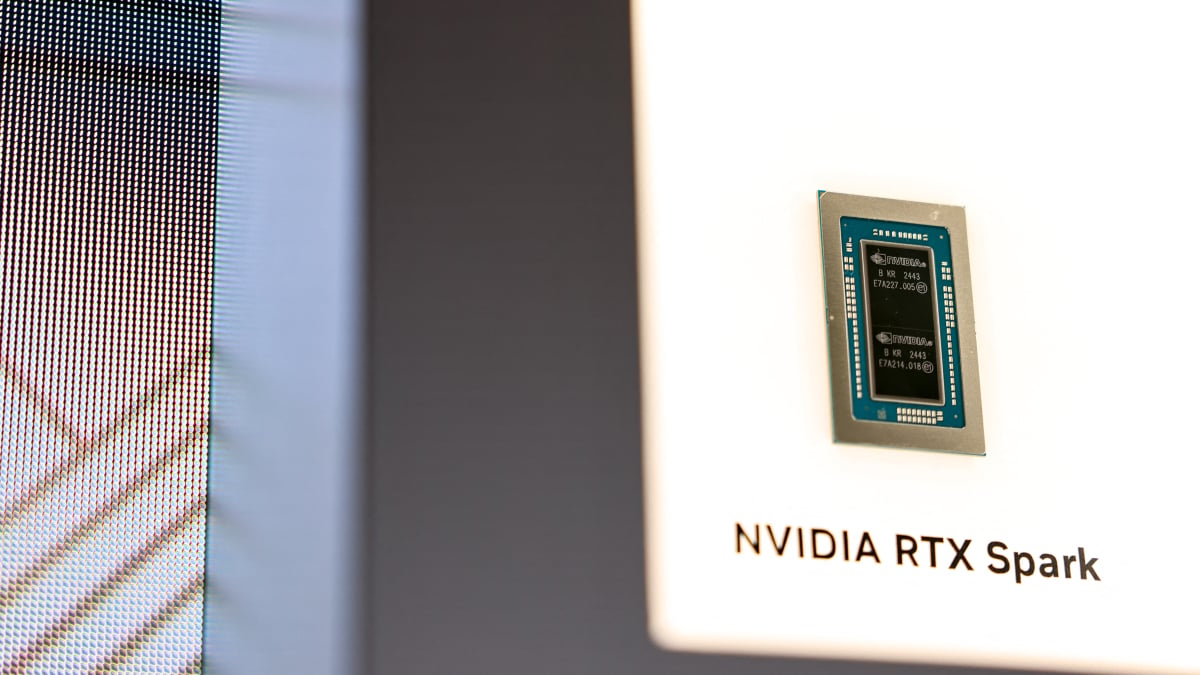
The Nvidia RTX Spark chip is a specialized hardware architecture designed to power the next generation of AI-capable laptops. It combines Nvidia’s Grace CPU with Blackwell RTX graphics and utilizes a unified memory architecture. This setup is specifically optimized to run Large Language Models (LLMs) and other generative AI workloads locally on the device.
How much do Nvidia RTX Spark laptops cost?
Prices vary significantly based on the manufacturer and configuration. Entry-level models, such as the Surface Laptop Ultra, start at approximately $2,599. High-end professional models, such as the Asus ProArt P16, can cost up to $6,999.99 when configured with maximum memory and storage. Leaked pricing for HP models suggests mid-range configurations starting around $3,000.
Is the RTX Spark better than Apple’s M5 Pro?
According to performance claims made by Microsoft, the RTX Spark platform offers significant advantages in specific AI tasks. Specifically, it is claimed to be up to 2.1x faster in token speed, 4.3x faster in image generation, and 6.2x faster in video generation than the Apple M5 Pro. However, these are manufacturer claims and should be verified through independent third-party testing.
When can I buy these laptops?
Official shipping for the first wave of RTX Spark-powered devices, including the Microsoft Surface Laptop Ultra and partner models from Asus, Dell, Lenovo, HP, and MSI, is scheduled to begin on October 16, 2026.
The arrival of the Nvidia RTX Spark laptops marks a decisive attempt to move AI from a cloud-based luxury to a local, integrated component of the computing experience. While the high costs and privacy concerns present significant hurdles, the shift toward agentic AI suggests that the hardware is being built for a future where the operating system is as much a collaborator as it is a tool.
References
Featured image: Image via Tom's Hardware