Key takeaways
- The Vulcan rocket failure on November 15, 2026, resulted in the total loss of 40 Amazon Leo broadband satellites.
- This incident marks the first complete mission failure for United Launch Alliance (ULA) since the company’s inception in 2006.
- An anomaly occurred approximately 10 minutes into the flight, leading to the loss of the vehicle and its payload.
- The failure places significant pressure on Amazon’s satellite deployment schedule and ULA’s ability to support national security missions.
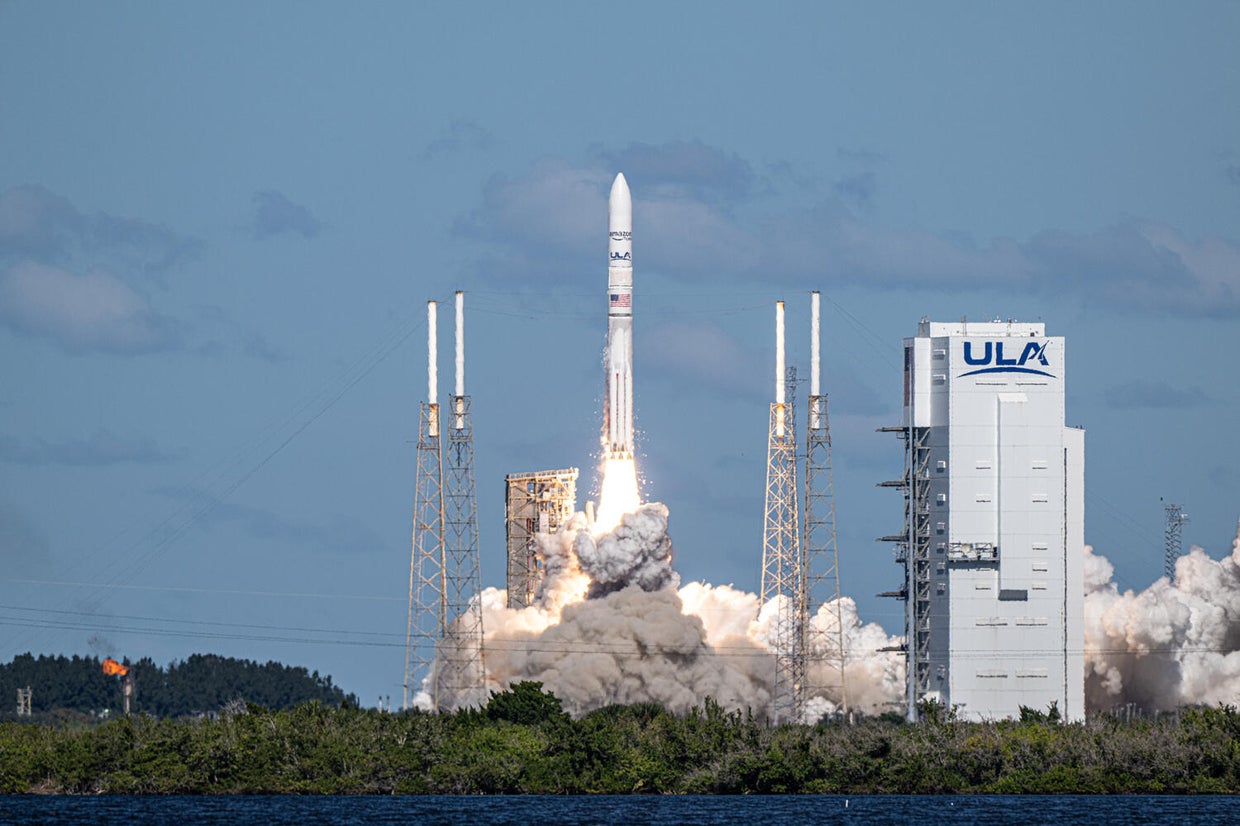
The Vulcan rocket failure on Sunday, November 15, 2026, resulted in the total loss of 40 Amazon Leo broadband satellites and marked the first complete mission failure in the 20-year history of United Launch Alliance (ULA). The vehicle, a Vulcan VC6L variant, suffered a mission-ending anomaly approximately 10 minutes after lifting off from Space Launch Complex 41 at the Cape Canaveral Space Force Station in Florida. The loss of the payload, which included one of the largest single-launch batches for Amazon’s satellite constellation to date, represents a significant setback for both the aerospace manufacturer and Amazon’s efforts to compete in the global satellite internet market.
What happened
The mission, designated as the “Vulcan Leo 1” flight, followed a series of technical delays during its countdown. On Friday, November 13, a launch attempt was scrubbed due to a power interruption at an Air Liquide gaseous nitrogen plant. On Saturday, November 14, a second delay was ordered following network communication issues between the rocket and ground systems.
On Sunday, at 12:40 p.m. ET, the Vulcan rocket successfully cleared the launch pad. However, the countdown was briefly interrupted at T-minus 20 seconds by an “unexplained technical issue,” which controllers resolved to proceed with the launch. The flight appeared nominal in its early stages; the six Northrop Grumman GEM 63XL solid rocket boosters successfully burned out and separated approximately 1 minute and 40 seconds after liftoff.
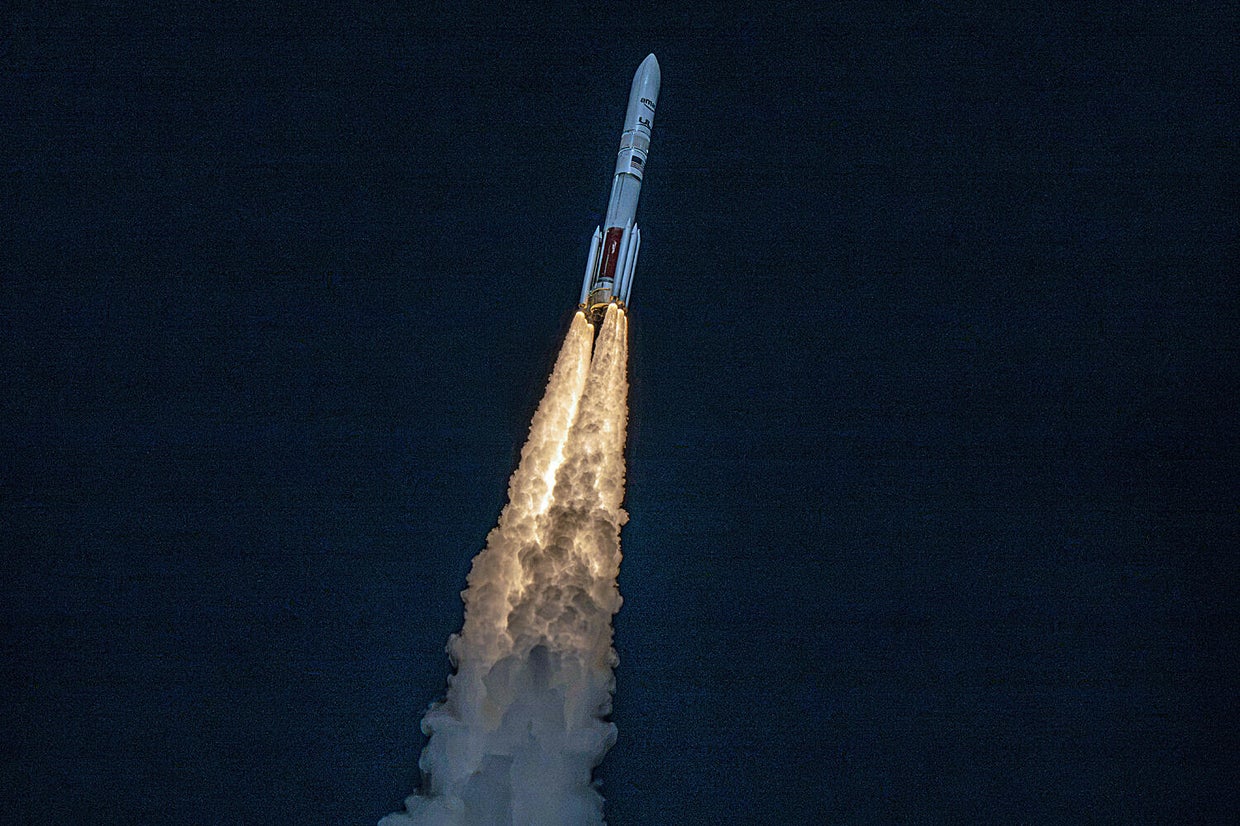
By the five-minute mark, the two Blue Origin-made BE-4 main engines were expected to shut down. However, telemetry data suggested the engines continued firing for at least 30 seconds beyond their intended duration, an overburn that may indicate the booster stage was attempting to compensate for performance issues. Shortly after the Centaur V upper stage separated, the rocket began to spin. While the Centaur‘s two RL10 engines ignited and attempted to vector thrust to correct the rocket’s course, the mission succumbed to a terminal anomaly at the 10-minute mark. ULA officially confirmed the failure in a statement, noting that the company did not immediately have specific data to understand the cause of the anomaly.
Why it matters
The implications of this failure extend far beyond a single lost payload. For Amazon, the loss of 40 satellites is a blow to the deployment of its Amazon Leo constellation, which aims to deploy more than 3,300 satellites to provide high-speed internet. While Amazon has manufactured over 1,000 satellites, many remain in storage, waiting for reliable launch capacity.
For United Launch Alliance, the failure is a historic anomaly. Since its formation in 2006 through the merger of Boeing and Lockheed Martin rocket divisions, ULA has maintained a high standard of mission success. This failure, occurring during the critical transition from the Atlas V to the Vulcan fleet, threatens to ground the new rocket for an indefinite period, potentially disrupting scheduled missions for both commercial and government customers.
| Feature | Vulcan VC6L Specifications |
|---|---|
| Total Height | 214 feet |
| Total Thrust | 3.8 million pounds |
| Main Engines | 2x Blue Origin BE-4 (Methane-fueled) |
| Boosters | 6x Northrop Grumman GEM 63XL (Solid-fuel) |
| Upper Stage | Centaur V (Hydrogen-fueled) |
| Payload Lost | 40 Amazon Leo Satellites |
Deep-dive: The technical investigation and engine reliability
Engineers are now tasked with determining whether the failure originated in the booster stage, the Centaur V upper stage, or the propellant delivery systems. Multiple sources reported to Ars Technica that the anomaly appeared to occur in the booster stage rather than the upper stage or the solid rocket boosters.
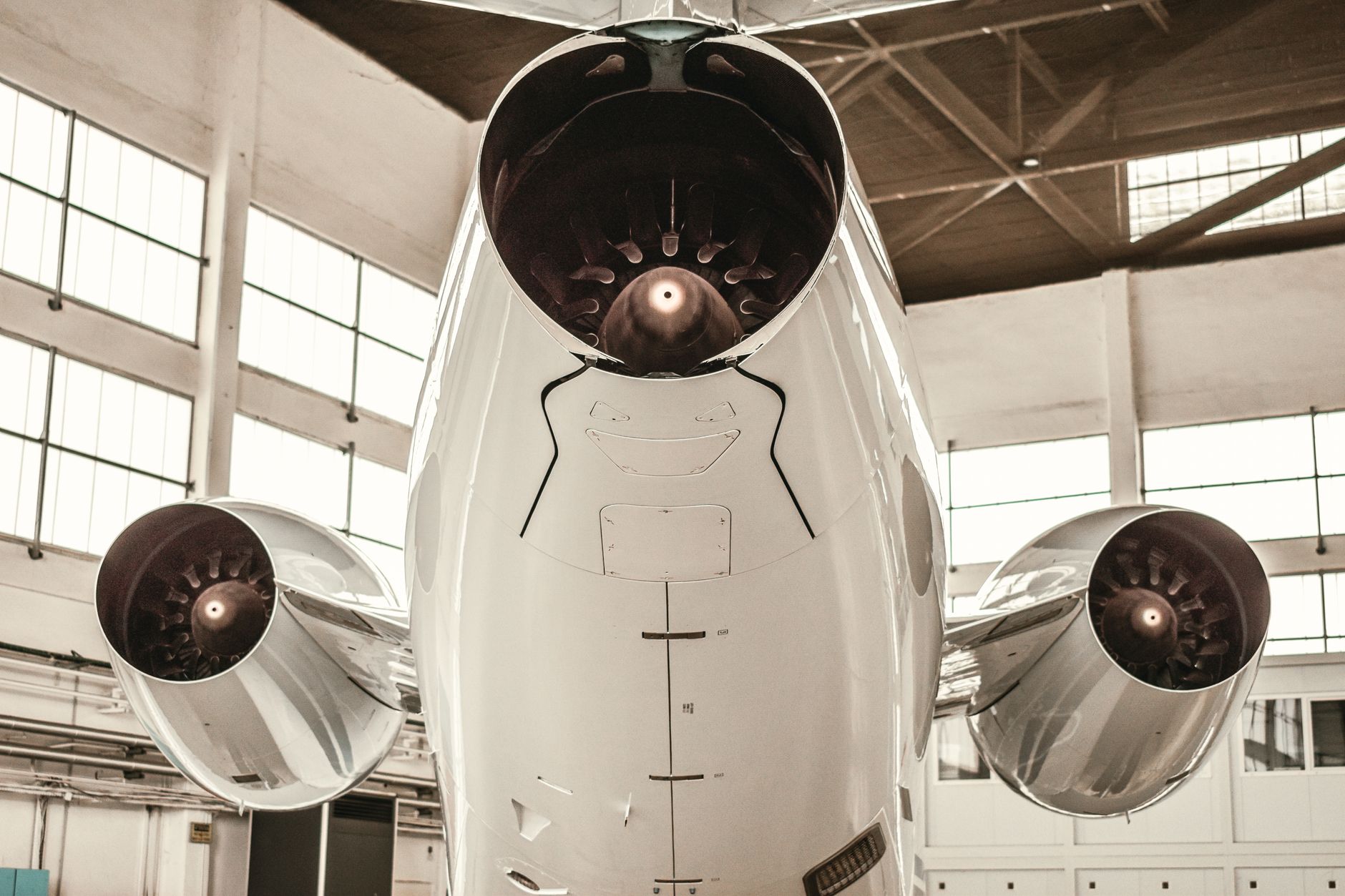
One of the primary areas of scrutiny will be the BE-4 engines provided by Blue Origin. These engines, which produce more than 500,000 pounds of thrust each, have faced reliability concerns in the past. In May 2026, a Blue Origin New Glenn rocket exploded during a ground test in Florida, an incident traced to a faulty valve on a BE-4 engine. Although ULA CEO Mark Peller had stated in a pre-flight interview that the engines used in the Vulcan mission had been retrofitted to mitigate such issues, the Sunday anomaly leaves the efficacy of those fixes unconfirmed.
If the investigation reveals a flaw in the BE-4 engine or its associated components, it could create a ripple effect, potentially delaying the return to flight for both ULA’s Vulcan and Blue Origin’s New Glenn. This would create a significant bottleneck for Amazon, which has contracted both providers to build out its network.
Deep-dive: The Amazon Leo vs. SpaceX Starlink race
Amazon is positioning its Amazon Leo constellation as the first major consumer-facing competitor to Elon Musk’s SpaceX Starlink. While other providers like OneWeb focus on capacity for telecommunications providers, Amazon intends to beam broadband directly to consumers.
To mitigate the risk of relying on a single launch provider, Amazon has adopted a highly diversified launch strategy. According to mission data, Amazon’s launch portfolio includes:
- 38 launches booked with ULA Vulcan.
- 24 launches booked with Europe’s Arianespace (using the Ariane 6).
- 24 launches booked with Blue Origin’s New Glenn.
- 13 launches booked with SpaceX’s Falcon 9.
Despite this diversification, the Vulcan rocket failure forces Amazon to rely more heavily on its existing Falcon 9 bookings and the upcoming Ariane 6 missions. The loss of 40 satellites is a setback in the race to reach full constellation capacity, which is essential for realizing the commercial value of the network.
Deep-dive: National security and the Space Force impact
The U.S. Space Force is also a primary stakeholder in this failure. ULA is contracted to launch approximately half of the military’s national security space missions in the coming years. The reliability of the Vulcan rocket is critical for the National Security Space Launch (NSSL) program.
In the past, Vulcan’s technical delays and previous issues with Northrop Grumman solid rocket booster nozzles led the Space Force to move several sensitive launches to SpaceX. The Pentagon is currently racing to maintain orbital parity with China, making the availability of reliable, high-cadence launch vehicles a matter of national security. If the Vulcan fleet is grounded for an extended period, the military’s dependence on SpaceX—which is already transitioning toward its Starship platform—will likely intensify.
What it means for you
- For Tech Consumers: If you are waiting for satellite-based high-speed internet in remote areas, expect potential delays in the rollout of Amazon’s broadband services as they work to replace lost hardware and secure new launch windows.
- For Aerospace Investors: The stability of the space launch market may face volatility. Investors should watch for the results of the ULA investigation, as the outcome will impact the valuation and launch schedules of Blue Origin, Northrop Grumman, and ULA‘s partners.
- For National Security Analysts: The failure highlights the precarious nature of the current launch ecosystem. The reliance on a limited number of heavy-lift providers means that a single technical anomaly can have strategic consequences for U.S. orbital dominance.
Counterpoints and open questions
While the preliminary data from Northrop Grumman suggests that the GEM 63XL boosters performed as expected, several critical questions remain unanswered:
- Was the anomaly related to the T-minus 20s hold? It is currently unknown if the technical issue that caused the initial countdown delay contributed to the eventual failure 10 minutes into flight.
- Is the Centaur V upper stage at fault? While early reports point to the booster stage, the unusual orientation adjustments seen in telemetry suggest the upper stage may have been struggling to maintain course.
- Did the BE-4 overburn cause structural damage? The fact that the engines fired for 30 seconds longer than planned raises questions about whether the propulsion system’s behavior contributed to the vehicle’s loss.
What happens next
ULA has committed to a process of full transparency, stating that customers will have visibility into the investigation. The following catalysts will be critical to watch:
- The Root Cause Analysis: Engineers will analyze telemetry and hardware remains to determine if the issue was mechanical, software-related, or a failure of the BE-4 engines.
- The Grounding Decision: ULA and the U.S. Space Force will decide how long the Vulcan fleet must remain on the ground before flight can resume.
- Amazon’s Launch Re-scheduling: Amazon will likely need to re-allocate its upcoming launches to Arianespace or SpaceX to prevent further delays in its satellite deployment.
- Blue Origin’s New Glenn Progress: The investigation’s findings regarding the BE-4 engines will directly impact the certification and flight readiness of the New Glenn rocket.
Following the investigation, ULA aims to implement corrective actions and return the Vulcan to flight as quickly as possible. For now, the space industry awaits the technical clarity needed to restore confidence in this critical heavy-lift launch vehicle.
Frequently asked questions
What caused the Vulcan rocket failure?
The exact cause of the anomaly that occurred 10 minutes into the flight remains unknown. While ULA has not released definitive data, early reports suggest the issue may have occurred in the booster stage, potentially involving the BE-4 engines or the propellant feed system. Northrop Grumman has stated that its solid rocket boosters appeared to function correctly prior to the failure.
How many Amazon satellites were lost in the crash?
Forty Amazon Leo broadband satellites were lost during the mission. This was intended to be the largest single-launch payload for the constellation to date, and its loss is a significant setback for Amazon’s goal of deploying a network of more than 3,300 satellites.
Is the Vulcan rocket grounded indefinitely?
While ULA has not officially declared an indefinite grounding, the rocket is expected to be out of service for a significant period while engineers conduct a rigorous investigation. The duration of the grounding will depend on the complexity of the findings and the corrective actions required to ensure future mission success.
Who manufactures the engines for the Vulcan rocket?
The Vulcan rocket is powered by two BE-4 main engines, which are manufactured by Blue Origin. These methane-burning engines provide the primary thrust for the rocket’s first stage, while the Centaur V upper stage uses RL10 engines for its hydrogen-fueled burn.
References
- United Launch Alliance loses Vulcan rocket and 40 Amazon Leo internet satellites in launch mishap — cbsnews.com
- ULA Vulcan Rocket Suffers Anomaly During First Amazon Leo Launch — satellitetoday.com
- Vulcan rocket fails during launch, dealing major blow to SpaceX competitors — arstechnica.com
Featured image: Michael Cain/Spaceflight Now — via CBS News