
Key takeaways
- A supertanker carrying over two million barrels of crude oil has sunk in the southern waters of the Persian Gulf.
- The Islamic Revolutionary Guard Corps (IRGC) claims the vessel struck a naval mine while using an unauthorized route.
- Iran’s state-run IRNA reports that five oil tankers have struck mines in the waterway over the last 48 hours.
- The incident occurs amid heightened regional tensions and a US naval blockade of Iranian ports.
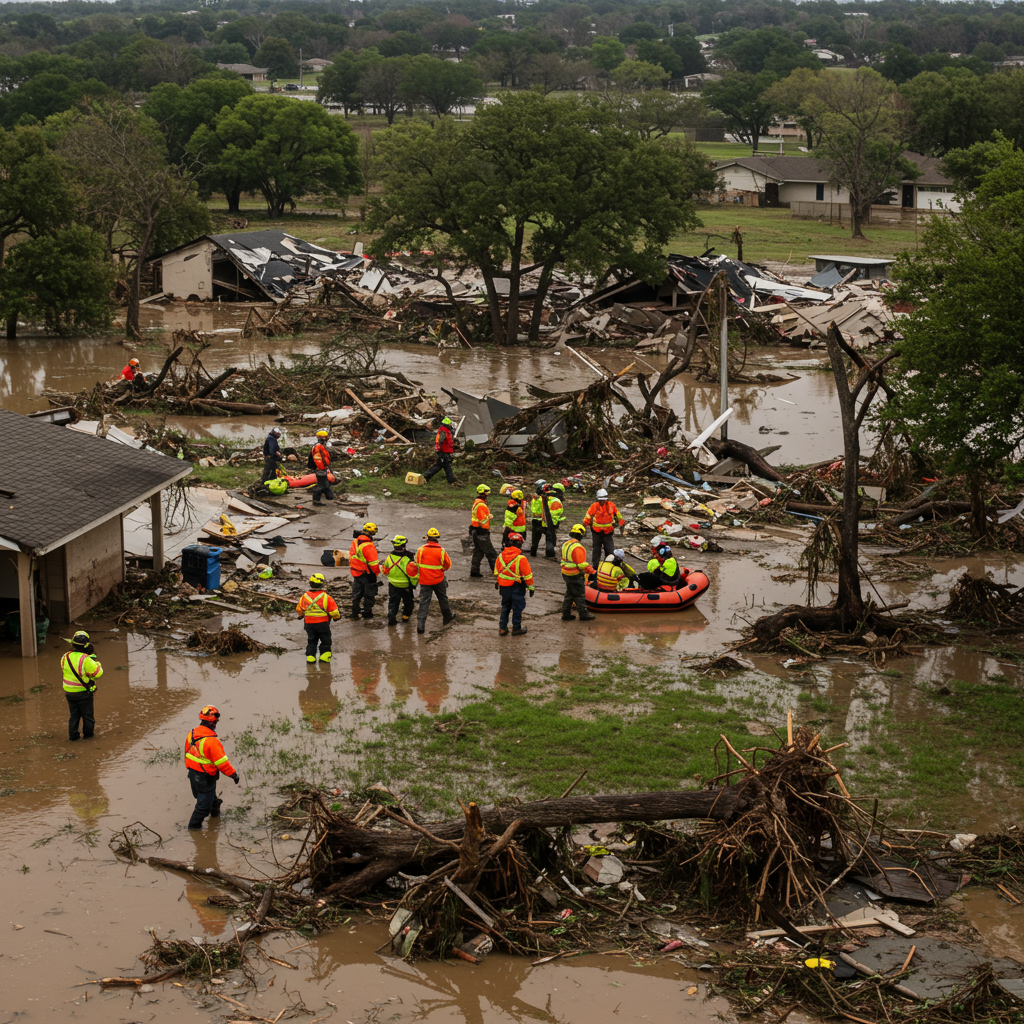
The Strait of Hormuz supertanker sinking has triggered a massive maritime and environmental crisis after Iran’s Islamic Revolutionary Guard Corps (IRGC) announced on Sunday, November 15, 2026, that a vessel carrying more than two million barrels of crude oil has gone down after striking a naval mine. The incident, which took place in the southern part of the Strait, marks a significant escalation in the maritime instability that has plagued the region since the outbreak of the Middle East war in late February.
What happened
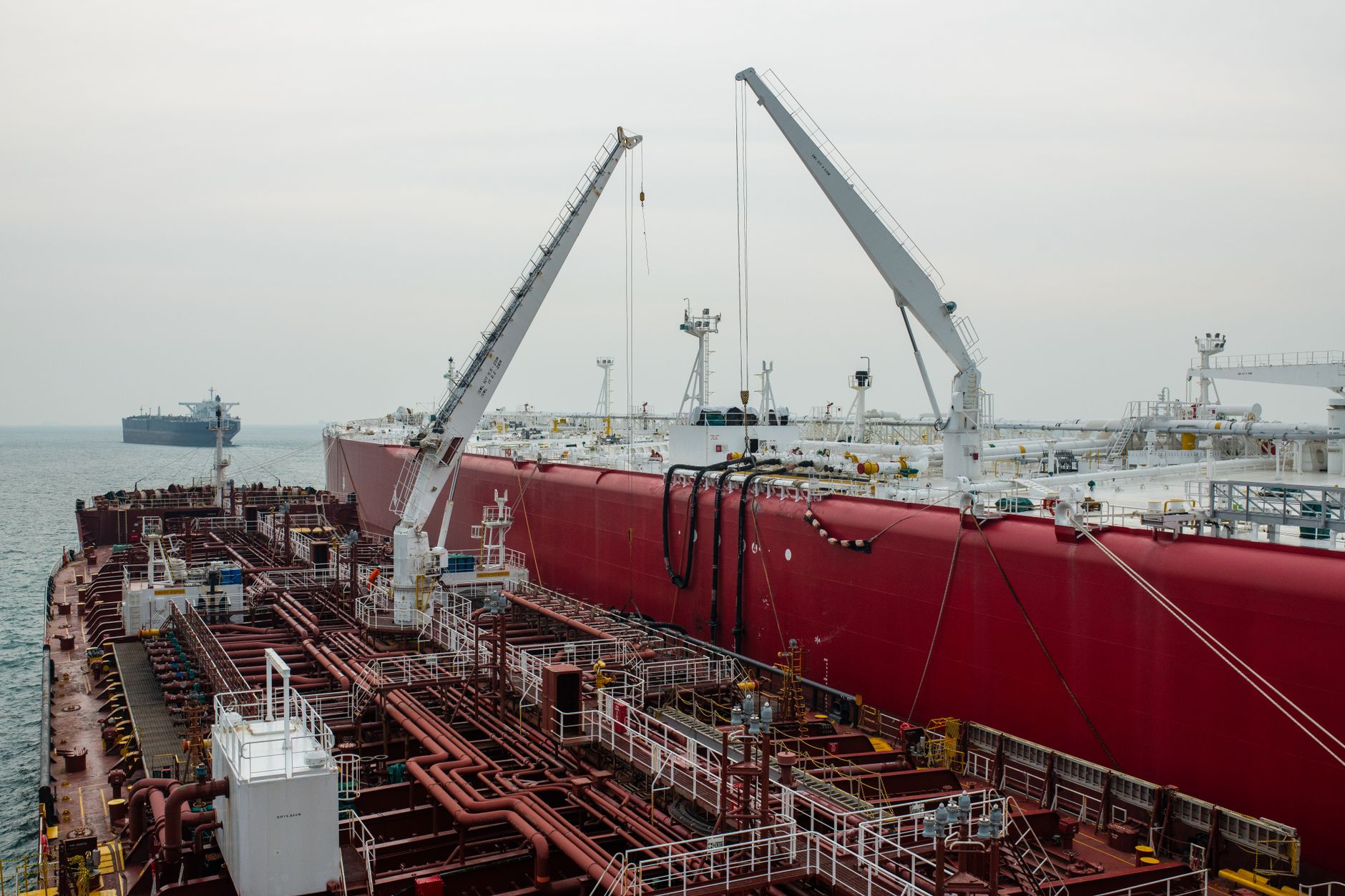
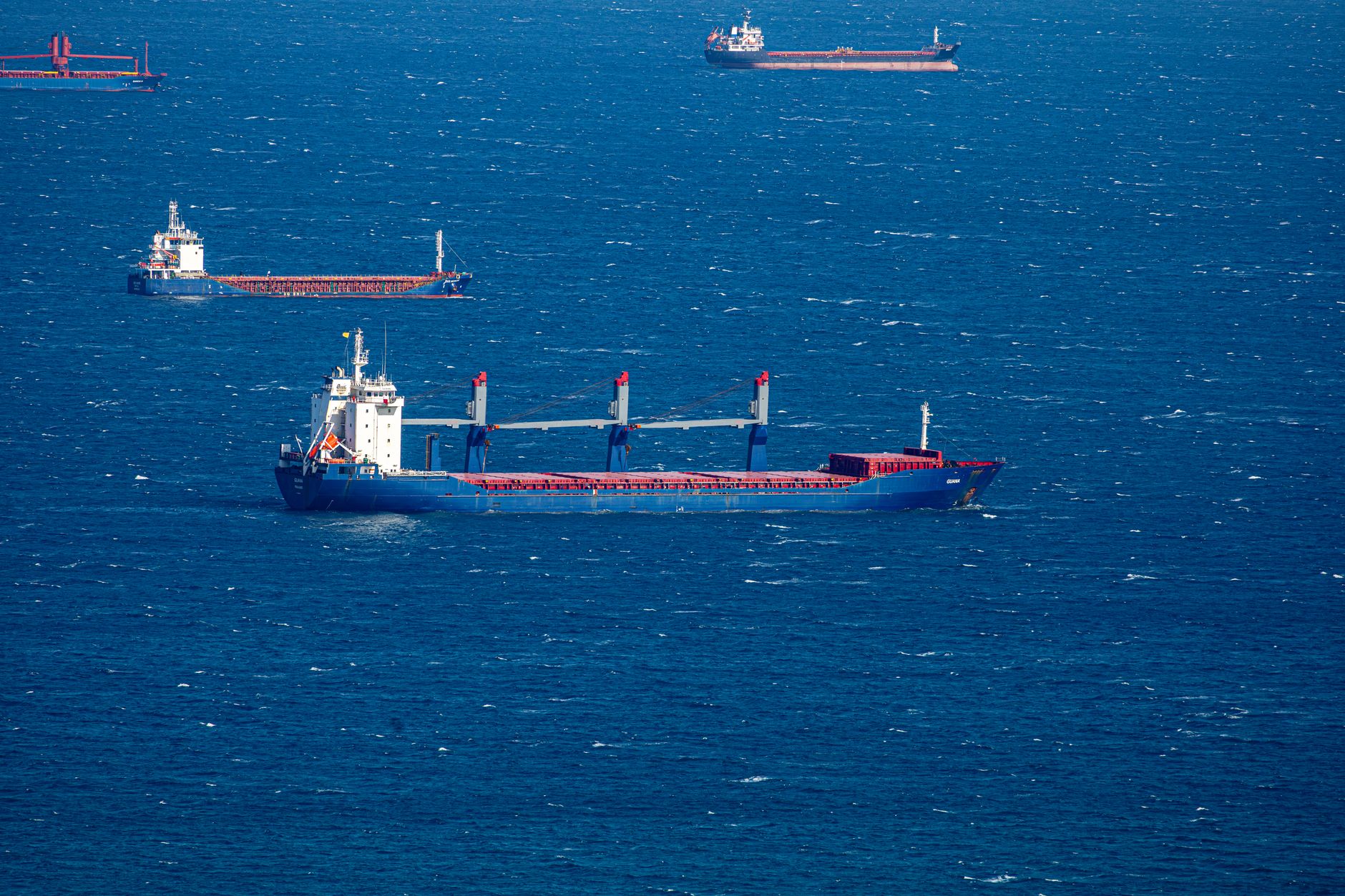
According to a statement released by the IRGC on Sunday, the sinking was the result of a naval mine strike. The Guards claimed that two separate oil tankers had struck mines while attempting to navigate an unauthorized route in the southern section of the Strait of Hormuz. One of these vessels was identified as a supertanker with a capacity exceeding two million barrels of crude oil. The IRGC alleged that the vessels had intentionally switched off their identification and positioning systems to transit the area covertly and further claimed the ships had received support from the United States military.
While the IRGC provided these details, the specific identity of the vessels and their countries of origin have not been independently verified. The claim that the ships were operating with US military support remains unconfirmed by international maritime authorities or the US military.
Simultaneously, the United Kingdom Maritime Trade Operations (UKMTO) reported a separate tanker attack in the Gulf. This report was based on information provided by Indian shipping authorities. While the UKMTO confirmed that the crew of the attacked vessel were safe, the full extent of the physical damage to the ship and the potential environmental consequences have not yet been determined. It remains unclear if the UKMTO-reported incident is one of the two strikes cited by the IRGC.
Adding to the scale of the reported maritime violence, Iran’s state-run IRNA news agency reported a series of incidents over a 48-hour period. According to IRNA, a total of five oil tankers had struck mines and caught fire within the waterway. The agency localized these incidents, stating that two occurred near the coast of Oman, while three others were reported in the central and eastern sections of the strait.
Why it matters
This incident is significant for three primary reasons: global energy security, environmental catastrophe, and the escalation of regional warfare.
Global Energy Security
The Strait of Hormuz is one of the world’s most vital maritime chokepoints. A single supertanker carrying two million barrels of oil represents a massive portion of the daily global crude supply. The destruction of such a vessel, combined with the reported strikes on four other tankers, threatens to disrupt the flow of oil through one of the most heavily trafficked waterways in the world. If shipping companies perceive the strait as too high-risk, they may reroute vessels, leading to increased transit times, higher insurance premiums, and ultimately, higher fuel costs for consumers globally.
Environmental Impact
The potential for a massive oil spill is catastrophic. A leak of two million barrels of crude oil would constitute one of the largest marine pollution events in history. The Persian Gulf is a delicate ecosystem, and a spill of this magnitude could devastate local marine life, destroy coral reefs, and impact the desalination plants that provide essential drinking water to millions of people in the surrounding Middle Eastern nations.
Geopolitical Escalation
The IRGC’s claims regarding US involvement and the use of “unauthorized routes” highlight the deepening divide between Tehran and Washington. The US has responded to the ongoing conflict with a naval blockade of Iranian ports, while the US Central Command has been working to facilitate the export of 1.5 billion barrels of oil through the strait since the summer. The reported mine strikes suggest that the maritime theater has become a primary front in the broader Middle East war.
Analysis of the Strait of Hormuz supertanker incident
To understand the current crisis, one must look at the conflicting narratives regarding maritime control and the technical nature of the reported attacks.
The Battle for Control
Since the conflict began in February, Tehran has implemented strict restrictions on shipping, insisting that all vessels use routes officially authorized by Iran. The IRGC’s allegation that tankers were attempting to pass through “prohibited routes” suggests a strategy of territorial enforcement via maritime denial.
Conversely, the United States has moved to ensure that global energy supplies remain unhindered. US Central Command has been actively supporting tankers seeking to cross the waterway. This creates a high-stakes environment where commercial vessels are caught between Iranian enforcement and US-led protection efforts.
The Mine Warfare Paradox
A major point of contention is the presence of naval mines. The US military recently stated that it had successfully cleared all mines from the primary shipping routes through the Strait of Hormuz. However, the reports from both the IRGC and IRNA regarding multiple mine strikes in the last 48 hours directly contradict this assertion. This discrepancy raises critical questions about whether new mines are being deployed or if the initial clearance operations were incomplete.
Summary of Reported Tanker Incidents
| Incident Location | Number of Tankers | Reported By | Status/Details |
|---|---|---|---|
| Southern Persian Gulf | 1 (Supertanker) | IRGC | Sunk; 2M barrels of oil |
| Near Oman Coast | 2 | IRNA | Caught fire after mine strike |
| Central/Eastern Strait | 3 | IRNA | Caught fire after mine strike |
| Gulf (General) | 1 | UKMTO | Crew safe; damage unknown |
The Maritime Security Gap
The IRGC’s claim that tankers switched off their Automatic Identification System (AIS) and positioning data is a critical detail. In maritime law and international shipping, the deactivation of AIS is often viewed as a red flag for “dark” activity, such as sanctions evasion or covert movements.
If tankers are indeed turning off their tracking systems to avoid detection, it creates a massive security vacuum. Without real-time positioning data, maritime authorities and naval escorts cannot effectively monitor traffic, predict collisions, or respond rapidly to emergencies. This lack of transparency significantly increases the risk of accidental encounters and makes the waterway increasingly difficult to police.
What It Means for You
- For Energy Investors: Expect heightened volatility in crude oil futures. The combination of a major vessel sinking and the reported frequency of attacks suggests that supply disruptions may be more persistent than previously modeled.
- For Global Consumers: The risk of increased shipping costs and “war risk” insurance surcharges could lead to indirect inflationary pressure on fuel and petroleum-based products.
- For Shipping Companies: Operators should prepare for stricter routing requirements and potentially higher costs for navigating the Persian Gulf. The emphasis on “authorized routes” by Iran means companies must navigate a complex web of legal and physical risks.
Counterpoints and Open Questions
While the reports of the sinking are significant, several aspects of the story remain unconfirmed and subject to debate:
- Independent Verification: As of now, no third-party maritime organization or international news agency has independently verified the sinking of the supertanker or the specific details of the mine strikes.
- The US Support Claim: The IRGC’s allegation that the vessels were operating with US military support is a serious charge that has not been substantiated by the US Central Command or other international observers.
- The Presence of Mines: There is a direct contradiction between the US military’s claim of a mine-cleared waterway and the reports from Iran of multiple mine-related incidents. It is currently unknown if these are new mines or if the previous clearance was ineffective.
- Environmental Magnitude: While the IRGC reported a 2-million-barrel capacity, the actual amount of oil released during the sinking is currently unknown and will depend on the structural integrity of the vessel’s hull and the depth at which it rests.
What Happens Next
In the coming days, several key developments will signal the direction of the crisis:
- Environmental Assessment: International maritime agencies and regional governments will attempt to assess the extent of the oil spill and deploy containment measures to protect the coastline.
- Naval Response: The US Navy and other coalition forces may increase patrols or adjust their blockade strategies in response to the reported mine strikes.
- Diplomatic Tensions: Watch for official statements from Oman and other Gulf nations, which may be pressured to take sides or facilitate mediation.
- Market Reaction: The stability of global oil prices will serve as a real-time barometer for how much the international community believes this incident will impact long-term supply.
The sinking of a supertanker in the Strait of Hormuz represents a critical juncture in the ongoing Middle East conflict. As the scale of the reported mine strikes becomes clearer, the international community faces the dual challenge of managing a potential environmental disaster and preventing further escalation in one of the world’s most sensitive maritime corridors.
Frequently asked questions
How many barrels of oil were on the supertanker?
The supertanker that sank in the southern waters of the Persian Gulf was carrying more than two million barrels of crude oil, according to the Islamic Revolutionary Guard Corps (IRGC).
Where exactly did the sinking occur?
The vessel sank in the southern part of the Strait of Hormuz, specifically within the southern waters of the Persian Gulf, as reported by the IRGC.
Who reported the tanker attacks?
The IRGC reported the sinking of the supertanker and the strike on a second tanker. Additionally, Iran’s state-run IRNA news agency reported five tanker incidents, and the UKMTO reported a separate attack based on information from Indian authorities.
Has the US military confirmed the mine strikes?
No, the US military has not confirmed the mine strikes. In fact, the US military recently stated that it had cleared all mines from the main shipping routes through the Strait of Hormuz, which contradicts the reports from Iran.
References
- Supertanker with 2 million barrels of oil sinks after hitting mine in Strait of Hormuz — timesofindia.indiatimes.com
Featured image: Photo by Supplements On Demand on Pexels