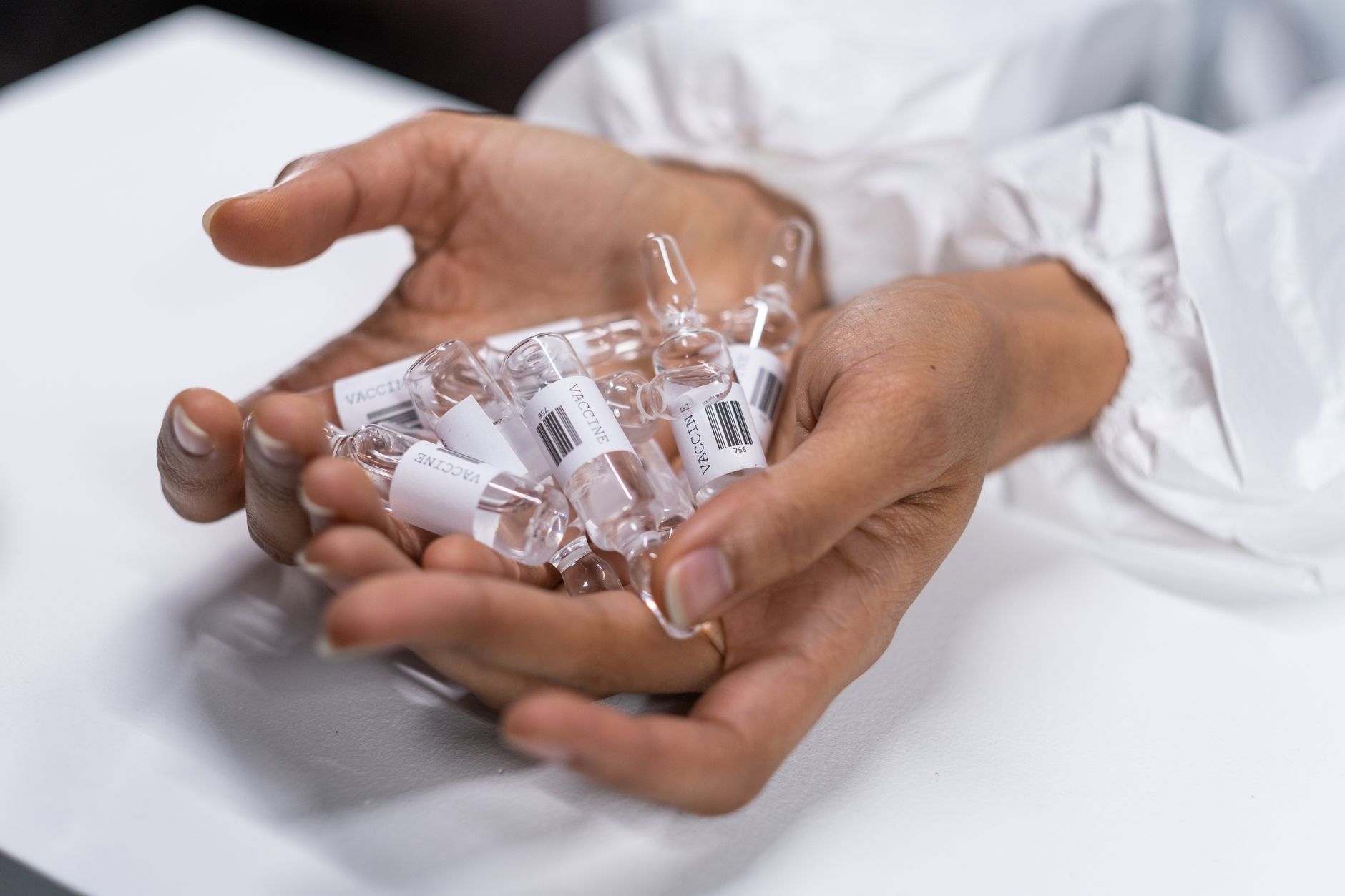
The wisconsin measles outbreak has taken a tragic turn following the confirmed death of an infant, marking the first measles-related fatality in the state in more than 35 years. This death, occurring in southwestern Wisconsin, comes as the state grapples with its largest surge of the highly contagious virus since the mid-1990s, with health officials reporting hundreds of cases across multiple counties.
Key Takeaways
- First Fatality in Decades: The death of an infant is the first measles-related death reported in Wisconsin since 1990.
- Massive Surge in Cases: Wisconsin has documented 431 confirmed measles cases across 13 counties in 2026, the highest number in over 35 years.
- Vaccination Correlation: Over 99% of the current cases have occurred in individuals who are unvaccinated.
- New Medical Guidance: The Wisconsin Department of Health Services (DHS) now recommends an early MMR dose for infants aged 6 to 11 months if they are at increased risk of exposure.
- High Vaccine Efficacy: The MMR vaccine remains 97% effective after a completed two-dose course.
- Vaccine Distribution: The state has already delivered thousands of doses to local health departments in affected communities. Expect continued efforts to bring vaccines directly to high-risk areas.
- Clinical Monitoring: Healthcare providers in the 13 affected counties have been briefed on the updated guidelines for infant vaccination and the importance of identifying early symptoms.
- Surveillance Expansion: Officials will continue to monitor for new cases, with a particular eye on the southwestern counties to determine if the outbreak is expanding or stabilizing.
- www.wpr.org
- abc7chicago.com
- www.washingtonpost.com
What Happened
On Thursday, November 5, 2026, the Wisconsin Department of Health Services (DHS) announced that a local coroner had identified measles as the immediate cause of death for an infant in southwestern Wisconsin. While officials have not released the specific age of the infant or their vaccination status to protect the family’s privacy, the news has underscored the severity of the ongoing viral surge.
According to reports from Wisconsin Public Radio (WPR) and ABC7 Chicago, this tragedy represents a significant reversal of public health progress. The last time a measles-related death was recorded in the state was in 1990. The current outbreak is heavily concentrated in the southwestern region of the state, with the majority of resident-to-resident transmission occurring in Grant, Iowa, Lafayette, and Vernon counties.
As of early November 2026, the total number of confirmed measles cases in Wisconsin has reached 431. These cases are spread across 13 different counties. Dr. Ryan Westergaard, the DHS Chief Medical Officer and State Epidemiologist for Communicable Diseases, has noted that the current figure of 431 cases is “almost certainly an underestimate,” as many infected individuals may not seek medical attention or undergo formal testing.

Why It Matters
This outbreak is not merely a localized health concern; it is a signal of the erosion of community immunity that once rendered measles a rarity in the United States. In 2000, measles was declared eliminated in the U.S., meaning the virus was no longer spreading continuously within the country. However, declining childhood vaccination rates have created pockets of susceptibility that allow the virus to find a foothold and spread rapidly.
The Scale of the Surge
The current numbers are unprecedented for the state. To put the 2026 surge into perspective, health officials are seeing the highest volume of cases in over three and a half decades. The impact is not limited to infections alone; the severity of the virus has led to the hospitalization of nine Wisconsinites.
Furthermore, the national context is equally concerning. While measles deaths were exceedingly rare in the U.S. for much of the early 21st century—with the Centers for Disease Control and Prevention (CDC) reporting only three deaths nationwide between 2001 and 2022—the current year has seen a rise in fatalities. Wisconsin now joins pennsylvania and New York in reporting measles-related deaths in 2026.
The Vulnerability of the Young
The death of an infant highlights the specific risks faced by the most vulnerable members of the population. Measles is a highly contagious respiratory disease that can lead to severe, life-threatening complications. For children under the age of five, the risks are particularly acute. The virus can progress from a standard respiratory infection to much more dangerous conditions, such as pneumonia or encephalitis (swelling of the brain).
Deep-Dive: Data and Public Health Response
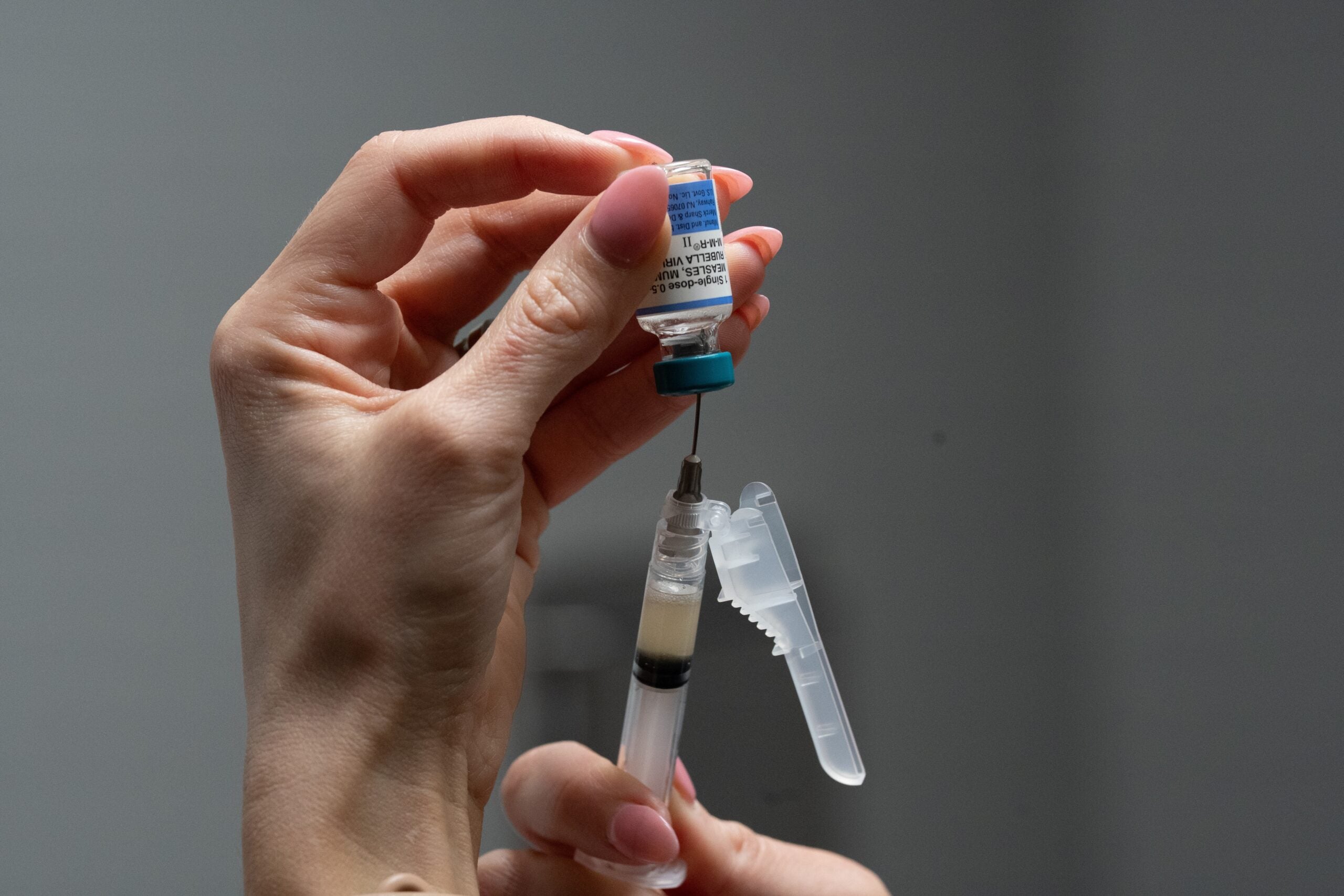
In response to the escalating crisis, the Wisconsin DHS has transitioned from standard monitoring to an active, large-scale immunization campaign. Since August 1, 2026, the state has administered more than 42,000 doses of the MMR (measles, mumps, and rubella) vaccine.
Comparative Data: The Outbreak at a Glance
| Metric | Reported Data | Source/Context |
|---|---|---|
| Total Confirmed Cases (2026) | 431 | Wisconsin DHS |
| Counties Affected | 13 | Wisconsin DHS |
| Primary Outbreak Region | SW Wisconsin (Grant, Iowa, Lafayette, Vernon) | WPR |
| Hospitalizations | 9 | Wisconsin DHS |
| Vaccination Status of Cases | >99% Unvaccinated | WPR |
| MMR Vaccine Efficacy | 97% (after 2 doses) | CDC / DHS |
| Last State Fatality | 1990 | ABC7 Chicago |
The Role of Community Immunity
Kirsten Johnson, the Secretary of the Wisconsin Department of Health Services, has emphasized that the current situation is a direct result of failing to maintain the high levels of immunity required to keep the disease at bay.
“My heart is broken for the family,” Johnson said in a statement following the announcement of the infant’s death. “Any death of a child is a tragedy and even more so when it is related to a vaccine-preventable disease. Measles can cause serious illness and death, and it is important for all Wisconsinites to evaluate their risk and take steps to protect themselves and their family.”
Dr. Westergaard echoed these sentiments, noting that the success of measles elimination was not an “inevitable” outcome but rather the result of “doing the hard work of maintaining high levels of immunity in our communities.”
What It Means for You
The current outbreak necessitates immediate action from residents, particularly those in the southwestern portion of the state or those who interact with high-risk populations.
For Parents and Caregivers
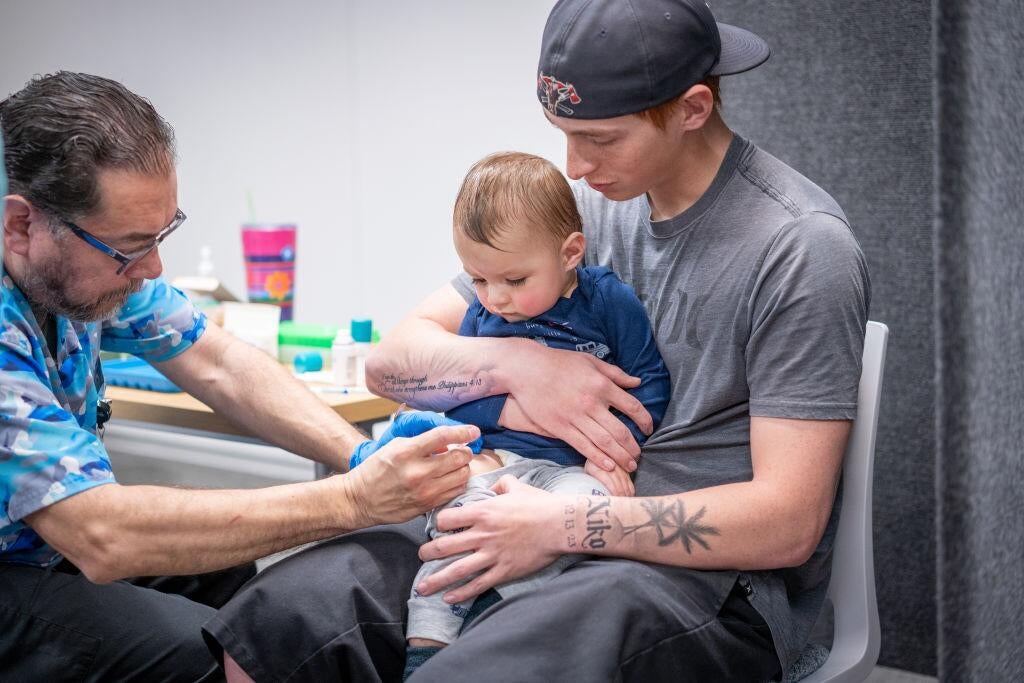
If you have infants or young children, the most critical step is to verify their vaccination status. While the standard recommendation is to administer the first MMR dose between 12 and 15 months of age, the DHS has issued an updated clinical recommendation due to the outbreak. Infants aged 6 to 11 months who are at an increased risk of exposure should now receive an early dose of the vaccine to provide protection before they reach the standard age.
For Residents in Affected Counties
If you reside in Grant, Iowa, Lafayette, or Vernon counties, you should be extra vigilant for symptoms. Because measles is highly contagious and spreads through the air, being in close proximity to an infected person—even if they are no longer showing symptoms—can lead to infection.
For the Unvaccinated
Public health data indicates that the vast majority of those falling ill are unvaccinated. If you have not completed the two-dose MMR series, health officials strongly urge you to contact your healthcare provider immediately. The vaccine is 97% effective at preventing infection and is the most reliable defense against the complications that lead to hospitalization and death.
Counterpoints and Open Questions
While the link between low vaccination rates and the outbreak is supported by clear data, several complexities remain.
The Challenge of Underreporting
As mentioned by Dr. Westergaard, the true scale of the outbreak remains unknown. Public health surveillance relies on individuals seeking medical care and clinicians reporting those cases. If a significant number of people experience mild symptoms and do not seek testing, the 431 cases currently reported may only represent a fraction of the actual infections. This makes it difficult for officials to accurately map the full extent of the spread.
The Complexity of Public Trust
The outbreak also highlights the ongoing struggle to maintain public trust in medical institutions. While health officials emphasize the efficacy and safety of the MMR vaccine, they are operating in an environment where vaccine hesitancy has grown. The difficulty in maintaining “pockets” of immunity suggests that communication strategies may need to evolve to reach skeptical populations more effectively.
Unconfirmed Variables
At this stage, officials have not disclosed whether the infant’s death was linked to a specific failure in the local healthcare system or if it was an unavoidable outcome of a highly virulent strain. Furthermore, while many cases are linked to local spread, some have been attributed to out-of-state travel, raising questions about how much of this surge is driven by internal state dynamics versus broader national trends.
What Happens Next
Public health agencies are currently in a high-alert phase. The immediate focus for the Wisconsin DHS is twofold: increasing vaccine coverage and improving surveillance.
Frequently Asked Questions
What are the primary symptoms of measles?
Measles typically begins with a high fever, cough, runny nose, and red, watery eyes (conjunctivitis). Several days after these initial symptoms appear, a characteristic red, bumpy rash usually develops, typically starting on the face and spreading downward to the rest of the body. Because the virus is respiratory, it spreads easily through coughing and sneezing.
How effective is the MMR vaccine?
According to the CDC and Wisconsin health officials, the MMR vaccine is highly effective. A single dose provides significant protection, but a completed two-dose course is approximately 97% effective at preventing measles infection. This high level of efficacy is why widespread vaccination is necessary to maintain community-wide immunity.
Who is at the highest risk for complications?
While anyone can become severely ill, certain groups are at much higher risk for complications like pneumonia or encephalitis. These include children under the age of 5, pregnant individuals, and people with weakened immune systems. For these groups, the measles virus can be life-threatening.
What is the new recommendation for infants?
Due to the current outbreak in Wisconsin, the DHS has updated its guidance to protect the most vulnerable. While the standard first dose is given at 12-15 months, infants between 6 and 11 months who are at high risk of exposure are now encouraged to receive an early dose of the MMR vaccine.
Conclusion
The death of an infant in Wisconsin serves as a stark reminder of the consequences of declining community immunity. As the state continues to manage a measles outbreak that is its largest in over three decades, the focus remains on rapid vaccination and public awareness. The ability of health officials to curb this surge will depend heavily on the community’s willingness to utilize the highly effective MMR vaccine and adhere to updated clinical guidance to protect the state’s most vulnerable residents.