
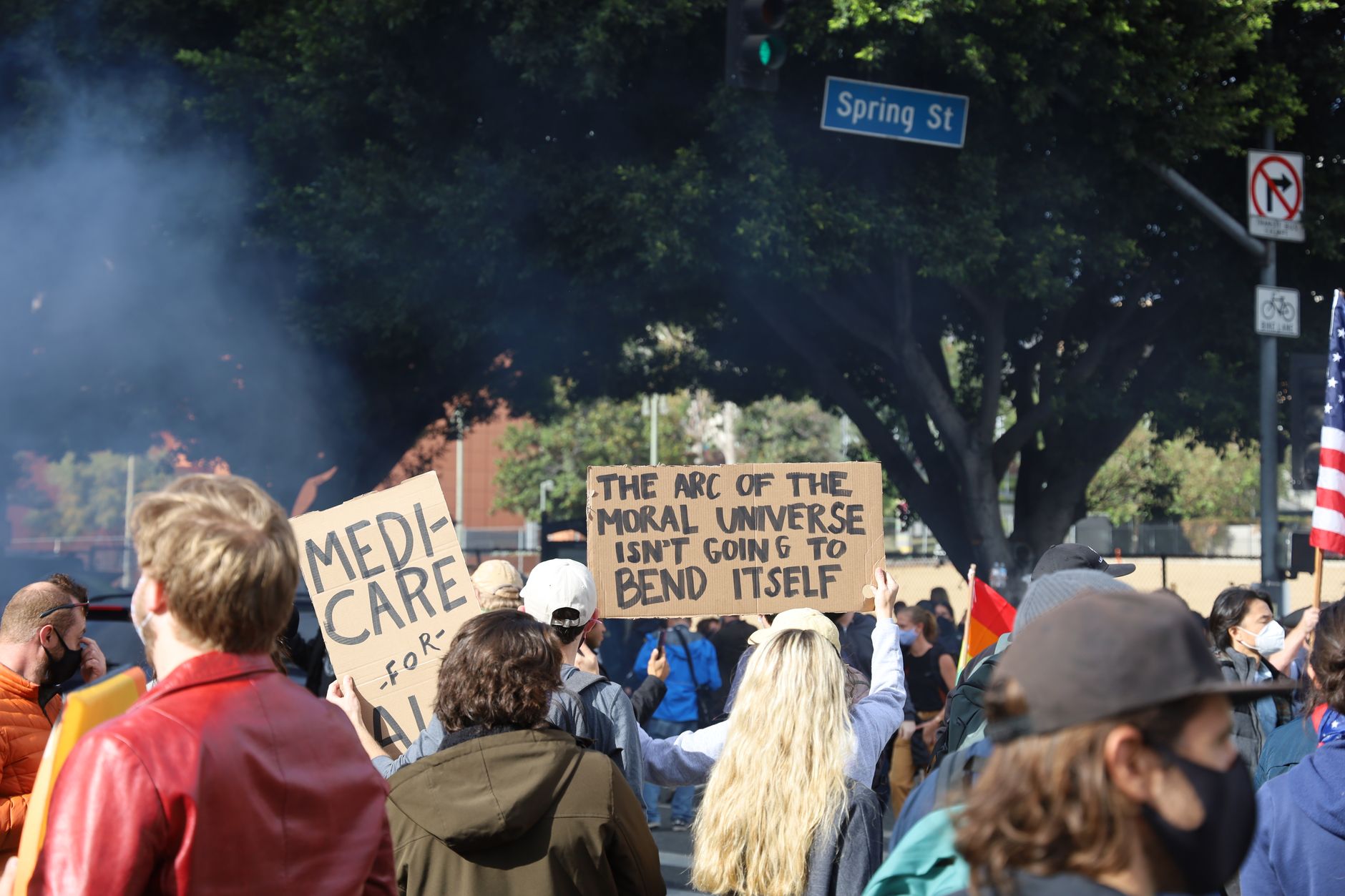
The midterm election battleground is seeing intense activity as President Donald trump targets red strongholds with economic promises while democratic surrogates push into contested territory to seize control of Congress.
Key Takeaways
- Economic Incentives: President Trump promised a $100 million investment in a Kentucky pharmaceutical plant, specifically targeting the company Antheia, if Republicans retain congressional control.
- Democratic Surge: High-profile Democratic surrogates, including Gavin Newsom and Bernie Sanders, are campaigning in red and purple states to bolster local candidates.
- Shifting Dynamics: According to The Cook Political Report, 11 House races have recently shifted in favor of Democrats, moving the contest into traditionally republican areas.
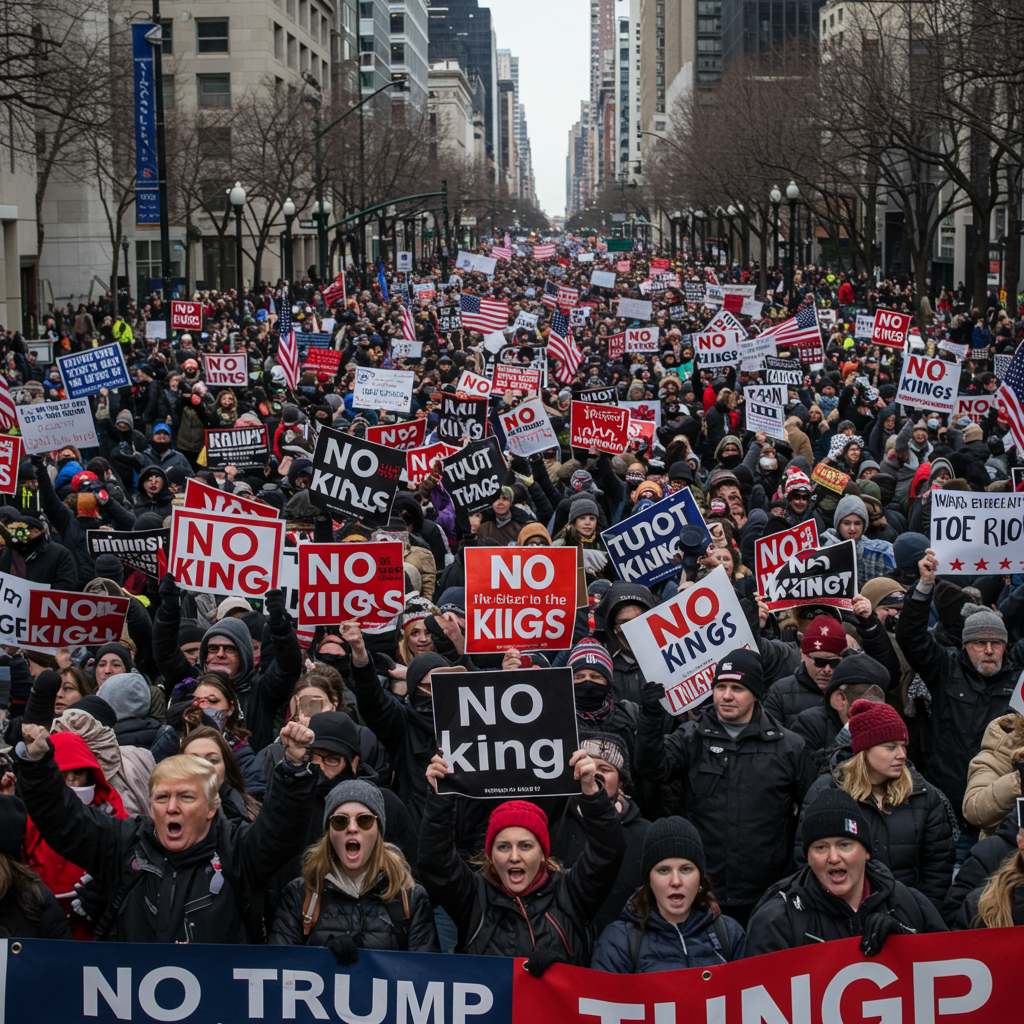
- Mobilization Efforts: The “No Kings: Vote Early” movement is conducting nationwide demonstrations to combat voter suppression and encourage early ballot casting.
- Battle for Moderates: Key races in Florida, Pennsylvania, and Michigan are focusing heavily on moderate voters and specific local concerns like immigration and gun rights.
- Voters in Swing Districts: If you reside in areas like Bucks County, PA, or FL-27, your vote is statistically more likely to influence the national balance of power in Congress. The emphasis on early voting in these areas suggests that timing your ballot is as critical as your choice.
- Residents of Targeted Economic Zones: For those in regions like Winchester, Kentucky, the potential for a $100 million federal investment in local industry is a direct consequence of the election’s outcome.
- First-Time Voters: The “No Kings” movement and the presence of young voters at rallies in D.C. and Michigan suggest that new voters are being heavily courted with messaging around civic engagement and affordability.
- Healthcare and Policy Advocates: The outcome of the Michigan and Georgia races will significantly impact the direction of national debates regarding Medicare for All and gun control legislation.
- Intra-Party Friction: The tension between President Trump and moderate Republicans like Maria Elvira Salazar suggests that the GOP may struggle to maintain a unified front in diverse districts.
- Economic Feasibility: There are significant questions regarding the administration’s ability to deliver on large-scale economic promises, such as the Antheia investment or the $5,000 payment to adults, without unprecedented federal spending.
- Voter Turnout Volatility: While the “No Kings” movement seeks to mobilize voters, the effectiveness of these protests in translating into actual turnout remains unconfirmed and will be tested on Election Day.
- The Moderate Middle: It remains unclear whether the moderate positioning of candidates like Brian Fitzpatrick will be enough to counter the nationalized, high-intensity rhetoric of both the Trump and Democratic campaigns.
- Georgia Senate Rally: Democratic Senator Jon Ossoff is scheduled to hold a major rally in metro Atlanta tonight, joined by gubernatorial nominee Keisha Lance Bottoms, which will serve as a major test of Democratic strength in the South.
- Early Voting Commencement: In Miami-Dade County, Florida, in-person early voting is set to begin this coming Monday, providing the first real data point for Republican and Democratic mobilization efforts in the South.
- The Cook Political Report Updates: As more House races are analyzed, further shifts in the political landscape may provide clues as to which party holds the advantage in the closing days.
- www.cnn.com
What Happened
As the midterm elections approach, the political landscape is being reshaped by high-stakes rallies and targeted grassroots movements. On Saturday, October 17, President Donald Trump headlined a major event at the Truist Arena in Highland Heights, Kentucky. During his remarks, he aimed to shore up support in a state where he won by approximately 30 points in 2024. The rally was held in support of Republican candidates, including Representative Andy Barr, who is seeking to succeed retiring Senator Mitch McConnell, and Ed Gallrein, a retired Navy SEAL and Army Ranger who recently won a Republican primary.
Simultaneously, a nationwide wave of “No Kings: Vote Early” events took place. These demonstrations, seen in locations ranging from Georgia to Washington, D.C., were organized to promote mass turnout. While previous iterations of these protests focused on opposition to the Trump administration, organizers stated that this round is specifically designed to oppose voter suppression efforts and assist citizens in making concrete plans to cast their ballots early.
In the Democratic camp, the strategy has shifted toward aggressive surrogate deployment. Top progressive figures, such as Senator Bernie Sanders and Representative Alexandria Ocasio-Cortez, have been sent into red and purple states to support local candidates. This move comes as the Democratic Party expresses growing confidence in its ability to reclaim control of Congress, particularly in areas where the political tide appears to be turning.

Why It Matters
The current movement across the midterm election battleground signifies a fundamental shift in how both parties are approaching the final stretch of the campaign. The data suggests that the traditional boundaries of “red” and “blue” states are becoming increasingly porous.
According to The Cook Political Report, 11 House races have shifted toward Democrats, with the most intense battles now occurring in districts that were previously considered reliable Republican strongholds. This shift indicates that national trends—such as concerns over the cost of living and specific policy disagreements—are beginning to override traditional partisan loyalties in several key regions.
For the Republican Party, the strategy appears to be one of economic reinforcement. By promising specific, high-value investments—such as the $100 million earmarked for the Antheia pharmaceutical facility in Winchester, Kentucky—the Trump campaign is attempting to link Republican victory directly to local economic revitalization.
For Democrats, the focus is on mobilization and the expansion of the electorate. By deploying national stars to local races and supporting movements like “No Kings,” the party is attempting to turn high-level political enthusiasm into actual votes, particularly among first-time voters and those concerned about voting access.
The Economic Strategy in Red States
President Trump’s appearance in Northern Kentucky highlights a cornerstone of his midterm strategy: the promise of direct economic benefits tied to Republican success. During his speech at the Truist Arena, Trump made a specific and ambitious claim regarding the pharmaceutical industry.
“If the Republicans win, the Department of War, will be investing $100 million in the pharmaceutical company Antheia to revitalize a gigantic drug manufacturing facility in Winchester, Kentucky,” Trump told the gathered crowd.
This announcement is part of a broader pattern of “midterm gifts” offered by the President. In previous appearances, Trump has made various promises to his supporters, including a vow to provide $5,000 to all American adults if his party wins. These promises are designed to create a sense of immediate, tangible reward for the Republican base, particularly in states like Kentucky where the administration’s support is historically high.
However, the feasibility of these promises remains an open question. CNN has reached out to both the Pentagon and the pharmaceutical company, Antheia, for comment regarding the announcement, as the claim involves significant federal investment through the “Department of War.”
Democratic Surrogates and the Purple State Push
While Republicans are reinforcing their strongholds, Democrats are attempting to breach them. The party is increasingly relying on high-profile surrogates to inject national momentum into local contests. This strategy is evident in the heavy presence of leaders like Governor Gavin Newsom, Senator Bernie Sanders, and Representative Alexandria Ocasio-Cortez in states that could determine the balance of power in Washington.
In Michigan, Democratic Senate nominee Abdul El-Sayed has been conducting a multi-day tour of the state, specifically targeting areas that have historically leaned Republican. During a town hall meeting in Midland—a county Trump won with 56% of the vote in 2024—El-Sayed addressed a packed room of voters, including young people and middle-aged residents.
El-Sayed’s platform in these regions focuses on two primary pillars: healthcare and gun reform. Addressing a mother concerned about school safety following a recent shooting in Bend, Oregon, El-Sayed argued that current American gun policies are inadequate. He drew a comparison between the rights afforded to firearms and the rights of women, noting that the supreme court‘s 2022 decision to overturn the constitutional right to abortion has created a sense that “guns have more rights than women do.”
Comparing Regional Campaign Strategies
| Strategy Component | Republican Approach | Democratic Approach |
|---|---|---|
| Primary Focus | Economic revitalization and base reinforcement | Surrogate-led mobilization and policy-driven outreach |
| Key Messaging | Direct federal investment and “gifts” to voters | Healthcare (Medicare for All) and voting rights |
| Target Demographics | Conservative strongholds and rural voters | Purple districts, suburban voters, and first-time voters |
| Tactical Method | Large-scale rallies in red states | Town halls and “No Kings” grassroots protests |
Localized Battles and Demographic Shifts
The midterm election battleground is not just a collection of national trends; it is a series of highly specific, localized contests where demographics play a decisive role.
Florida’s 27th District: The Hispanic Vote
In Miami, Republican Representative Maria Elvira Salazar is fighting to maintain her seat against Democratic challenger Eliott Rodriguez. Salazar, a former TV news anchor, is navigating a complex political landscape where she has occasionally broken with President Trump, particularly regarding his increased immigration enforcement efforts. This rift has even led to public attacks from Trump on social media.
Salazar’s strategy relies heavily on her ability to connect with the district’s significant Hispanic and Latino population, which makes up more than 70% of the voters. During a recent appearance at a Miami steakhouse to encourage early voting, Salazar emphasized the unique identity of her constituents, stating, “That’s the beauty of District 27… That you speak in Spanish but you vote in English.”
Pennsylvania’s Swing Districts
In Bucks County, Pennsylvania, one of the most competitive House races in the country is unfolding. Republican Representative Brian Fitzpatrick, who has built a reputation as a moderate, is facing a challenge from Democrat Bob Harvie.
Fitzpatrick believes his moderate stance—often involving public critiques of his own party—will allow him to withstand a national “blue wave.” Conversely, Harvie is banking on voter dissatisfaction with the current administration’s handling of the cost of living to flip the district. Local voters in the area remain largely undecided, highlighting the volatility of this specific segment of the battleground.
The Cultural Divide in Campaigning
Beyond economics and demographics, the midterm cycle is being defined by intense cultural and social debates that frequently spill over into campaign events.
In Maine, the Senate race between incumbent Senator Susan Collins and Democratic nominee Troy Jackson has been marked by heated exchanges. During a recent debate, a protester interrupted the proceedings to voice concerns about the environmental impact of AI data centers. When Senator Collins suggested the protester was a supporter of Jackson, the candidate responded by telling her to “shut up.”
While Jackson defended his remark, stating he did not know the protester and was reacting to Collins’s accusations, the incident has become a focal point for critics. Senator Collins used the moment to question Jackson’s temperament, suggesting his response was a reflection of his reputation in state politics. This clash underscores how quickly local issues, such as climate and technology, can escalate into broader questions of character and decorum.

What It Means for You
As the election nears, the outcomes of these specific battles will have direct implications for different groups of citizens:
Counterpoints and Open Questions
While the momentum for both parties is visible, several risks and competing perspectives remain:
What Happens Next
Several key catalysts are expected to shape the final weeks of the campaign:
Frequently Asked Questions
What is the “No Kings: Vote Early” movement?
The “No Kings: Vote Early” movement is a nationwide series of demonstrations aimed at promoting voter turnout for the midterm elections. While previous iterations of the movement were primarily focused on opposing the Trump administration, current organizers state that the movement’s primary goal is to combat voter suppression and help citizens make concrete plans to cast their ballots early.
What did Donald Trump promise in Kentucky?
During a rally in Highland Heights, Kentucky, President Trump promised a $100 million investment in the Antheia pharmaceutical company to revitalize a manufacturing facility in Winchester, Kentucky. He stated that this investment would be made by the “Department of War” if Republicans successfully hold onto control of Congress.
Why are Democrats using surrogates in red states?
Democratic leadership is deploying high-profile surrogates, such as Bernie Sanders and Alexandria Ocasio-Cortez, to red and purple states to boost local candidates. This strategy is intended to capitalize on national Democratic enthusiasm and help candidates appeal to a broader range of voters in competitive districts.
How is the political landscape in the House changing?
According to The Cook Political Report, the political landscape is shifting as 11 House races have moved toward the Democrats. This shift is particularly notable because many of these races are occurring in areas that were previously considered reliable Republican strongholds.
The intensifying competition across the midterm election battleground highlights a nation divided by both policy and strategy. As both parties deploy their most potent tools—economic promises for Republicans and surrogate-led mobilization for Democrats—the final results will hinge on which side can more effectively turn political enthusiasm into actual votes at the polls.
References
Featured image: Photo by Eric Yeich on Pexels


2 thoughts on “Midterm Election Battleground: Key Shifts Explained”