
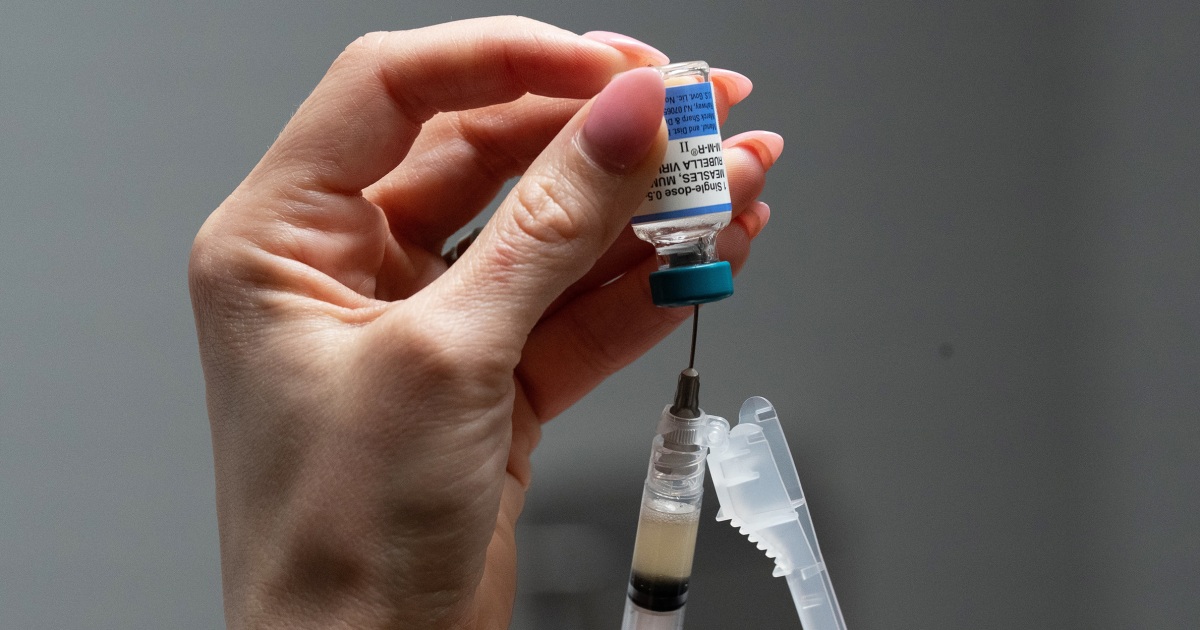
The pennsylvania measles outbreak has escalated into a significant public health crisis, prompting the Centers for Disease Control and Prevention (CDC) to deploy specialized “disease detectives” and nearly $4 million in emergency funding to the state. As of mid-October 2026, the state has confirmed at least 1,222 cases of the highly contagious virus, marking what health officials describe as the most severe measles surge in Pennsylvania in over three decades. The intervention comes amid a period of intense political friction between state leadership and federal health officials, complicating the efforts to contain the spread and provide accurate mortality data to the public.
Key Takeaways
- Rapid Escalation: Pennsylvania has reported 1,222 confirmed measles cases and 225 hospitalizations, with the outbreak spreading across nearly two-thirds of the state’s counties.
- Federal Intervention: The CDC is deploying a scientist from its Epidemic Intelligence Service (EIS) and releasing nearly $4 million to support containment and response efforts through 2027.
- Infrastructure Gaps: Lancaster County, the epicenter of the outbreak with 443 cases, lacks its own local health department, leaving it at a significant disadvantage in real-time data collection and response.
- Political Conflict: A public dispute between Pennsylvania Governor Josh Shapiro and U.S. Health Secretary Robert F. Kennedy Jr. has centered on allegations of vaccine misinformation and the validity of reported deaths.
- Data Discrepancies: A significant gap exists between state-reported deaths (six) and the CDC’s national dashboard (two), due to a recent change in how the agency validates measles-related mortality.
- Parents and Guardians: The CDC and Dr. Erica Schwartz, Director of the CDC, strongly recommend the MMR vaccine as the most effective way to prevent infection. If you are in an area with rising cases, ensure your family’s vaccinations are up to date.
- Residents in Lancaster and Mifflin Counties: Expect increased local health surveillance and potential public health advisories. Given the lack of local health departments in some areas, stay tuned to state-level updates from the Pennsylvania Department of Health.
- Healthcare Providers: Expect a continued surge in patients seeking vaccinations and potential increases in diagnostic testing. Coordination with state and federal agencies will be essential for managing patient data.
- Vulnerable Populations: Individuals with compromised immune systems or those in communities with historically lower vaccination rates (such as the Amish community in Lancaster County) should exercise heightened caution and consult medical professionals regarding protection.
- The Franklin County Investigation: Public health officials are closely monitoring the investigation into a potential sixth death in Franklin County. A confirmed death there will further underscore the severity of the crisis.
- The Arrival of Federal Aid: The deployment of the “disease detective” and the release of the $4 million in funding are expected to take place throughout the third week of October 2026.
- Vaccination Data Trends: Continued monitoring of MMR vaccine uptake will indicate whether public concern is translating into effective community immunity.
- Data Reconciliation: Watch for whether the CDC and the Pennsylvania Department of Health reach an agreement on death-reporting protocols, which could resolve the current discrepancy in mortality figures.
- www.nbcnews.com
- www.inquirer.com
- www.theguardian.com
What Happened: The CDC Steps In
On Thursday, October 15, 2026, the CDC announced it would provide direct, in-person assistance to Pennsylvania to help manage the growing epidemic. This assistance includes the deployment of a “disease detective”—a scientist from the agency’s Epidemic Intelligence Service (EIS)—to help streamline containment efforts and mobilize resources. According to a CDC spokesperson, the agency will work closely with Pennsylvania health officials to provide the expertise necessary to protect public health.
This deployment follows weeks of tension. The state formally submitted its request for Epi-Aid assistance on October 7, 2026, after several weeks of discussions regarding the scale of the outbreak. Alongside the technical expertise, the CDC is releasing nearly $4 million in one-time funding to aid the state’s response operations through much of 2027.

Why the Pennsylvania measles outbreak: Key Analysis of the 2026 Crisis”>Pennsylvania measles outbreak: Why the Crisis is Escalating”>Pennsylvania measles outbreak: Why the Surge Matters”>Pennsylvania measles outbreak Matters
The scale of this outbreak is unprecedented for the region in recent memory. With 1,222 cases and a hospitalization rate of approximately 1 in 5 reported cases, the virus is placing significant strain on Pennsylvania’s healthcare infrastructure. The geographic spread is also a major concern; cases have been reported in nearly two-thirds of the state’s 67 counties.
Beyond the immediate medical impact, the outbreak has become a flashpoint for the broader debate over public health communication and vaccine hesitancy in the United States. The situation is being used by state leaders to highlight the dangers of misinformation, while federal officials have raised questions regarding the state’s cooperation and the accuracy of its reporting. This breakdown in communication between state and federal authorities threatens to undermine public trust at a moment when high vaccination rates are most critical to stopping the spread.
The Lancaster County Vulnerability
While the virus is spreading statewide, Lancaster County remains the epicenter of the crisis. As of October 14, 2026, the county had reported 443 cases. A critical factor in the county’s struggle is its lack of a centralized, local health department. Unlike neighboring Montgomery County, which has robust local health infrastructure, Lancaster relies on the centralized state system managed by the Pennsylvania Department of Health.
Alice Yoder, a member of the Lancaster County board of commissioners and a former critical care nurse, has been a vocal advocate for establishing a local health department. She noted that the absence of local oversight places the county at a “clear disadvantage.”
“By having a local health department, particularly one of our size, I believe it would mean we would have local data, it would be in real time, and we would have that information quickly,” Yoder told the Guardian. She further explained that without local staff and established community relationships, county officials often learn about new cases and deaths through media announcements at the same time as the general public, rather than through proactive surveillance.
Geographic Distribution of Cases
The following table outlines the distribution of confirmed measles cases in key Pennsylvania counties as of mid-October 2026:
| County | Confirmed Cases | Status/Notes |
|---|---|---|
| Lancaster | 443 | Outbreak epicenter; lacks local health department |
| Mifflin | 183 | Significant cluster in Central PA |
| Chester | 90 | Philadelphia suburb; utilizes local health department |
| Franklin | Unknown | Location of a 6th death currently under investigation |
| Montgomery | Unknown | High vaccination engagement via local coalitions |
A Political Battleground Over Public Health
The outbreak is unfolding against a backdrop of intense political hostility. In August 2026, a public feud erupted between Pennsylvania Governor Josh Shapiro and U.S. Health Secretary Robert F. Kennedy Jr. The conflict intensified following a press briefing regarding the first two measles-related deaths reported in the state—the first in three decades.
Governor Shapiro has been blunt in his criticism of the federal administration’s rhetoric. He accused Secretary Kennedy of spreading misinformation that has had a “negative impact on communities across America, particularly right here in Pennsylvania.” Shapiro argued that the rhetoric coming from the Department of Health and Human Services (HHS) has directly contributed to increased vaccine skepticism, making the state more vulnerable to the outbreak.
Conversely, Secretary Kennedy and HHS representatives have pushed back. According to reports from NBC News, Kennedy suggested that the reported measles deaths in Pennsylvania might be “fabricated” and accused Governor Shapiro of attempting to “profit from them politically.” HHS representatives have also claimed that Pennsylvania has not been cooperating fully with federal agencies and failed to follow the standard Epi-Aid request processes used by other states.
Understanding the Pennsylvania Measles Outbreak Data Discrepancy
One of the most confusing aspects of this crisis for the public is the conflicting information regarding the death toll. Pennsylvania health officials and county coroners have confirmed six measles-associated deaths. However, the CDC’s national dashboard currently shows only two deaths.
This discrepancy is not necessarily due to inaccurate counting, but rather a significant shift in the CDC’s reporting protocols. The agency has moved toward using mortality data from the National Center for Health Statistics (NCHS) rather than relying solely on reports from state health departments. Under this new protocol, a death is only categorized as “measles-caused” once the NCHS has identified measles as the underlying cause through official death records.
This process is much more rigorous but also significantly slower, often taking weeks to finalize. Consequently, while the state is reporting deaths as they are confirmed by coroners, the federal dashboard will not reflect them until the formal verification process is complete. This lag in data has drawn scrutiny from state officials, including Pennsylvania State Health Secretary Debra Bogen, who previously indicated the state would only accept federal Epi-Aid assistance if the CDC acknowledged the reported deaths.
Vaccination Trends and Community Response
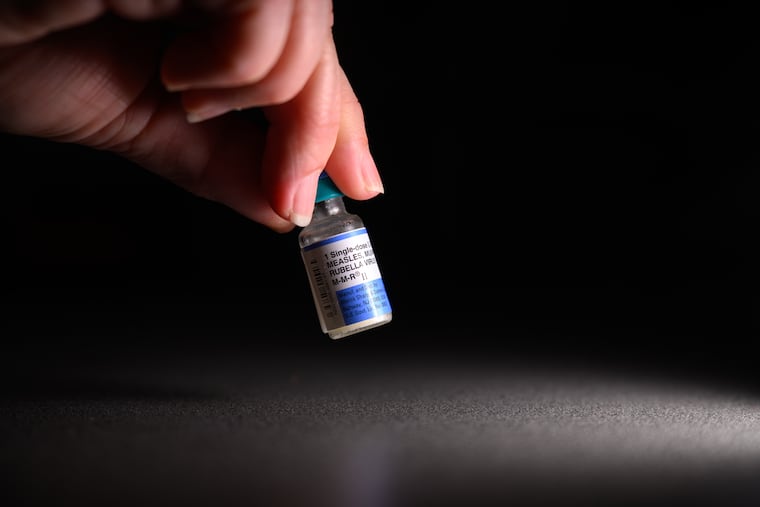
Despite the political tension, there has been a massive surge in the administration of the Measles, Mumps, and Rubella (MMR) vaccine across the state. Healthcare providers report a significant increase in public interest in immunization as news of the outbreak spreads.
In September 2026, Pennsylvania healthcare providers administered more than 56,000 MMR vaccines—more than double the volume of a typical month. This momentum has continued into October, with over 23,000 vaccines administered between October 1 and October 14 alone.
In counties with established health departments, such as Montgomery County, community-led initiatives are playing a vital role. Susan Wenrick, vice-chair of the Montgomery County Immunization Coalition, highlighted the importance of these local partnerships.
“The biggest challenges to vaccinating people in Montgomery county have been access and availability,” Wenrick said, noting that the coalition works to address barriers for the uninsured and underinsured. She also noted that the rise of social media as a primary health information source has made the coalition’s mission to provide “trusted resources” more urgent than ever.
What It Means for You
The ongoing Pennsylvania measles outbreak has direct implications for different groups within the state:
Counterpoints and Open Questions
While the federal government is providing aid, several questions remain unanswered. First, there is the question of the “true burden” of the disease. Public health experts suggest that the 1,222 confirmed cases are likely an undercount, as not all infections are reported to the state.
Second, the efficacy of the CDC’s short-term deployment is being debated. The deployment of a “disease detective” is typically a short-term measure, lasting one to three weeks. Some experts question whether this is sufficient to manage an outbreak that is still actively spreading and showing signs of expansion.
Finally, the political impasse remains a major risk. If state and federal agencies continue to clash over data validation and reporting protocols, the unified response required to stop a highly contagious virus like measles may be compromised. Can the technical expertise of the CDC overcome the administrative and political friction between Harrisburg and Washington?
What Happens Next
As the CDC’s Epidemic Intelligence Service expert arrives in Pennsylvania, several key developments will serve as indicators of the outbreak’s trajectory:
Frequently Asked Questions
How many people have been infected with measles in Pennsylvania?
As of October 15, 2026, Pennsylvania has confirmed 1,222 cases of measles. However, public health experts caution that the actual number of infections may be significantly higher due to potential underreporting and the nature of the virus’s spread.
Why is there a difference in the number of reported deaths?
The discrepancy is due to different reporting standards. Pennsylvania officials report deaths as they are confirmed by local coroners. The CDC, however, uses a new protocol that only records measles-related deaths after the National Center for Health Statistics (NCHS) has verified the cause through official death records. This verification process is more thorough but takes much longer.
What is a “disease detective”?
A “disease detective” is a specialized scientist from the CDC’s Epidemic Intelligence Service (EIS). These experts are trained to investigate outbreaks, track the spread of infectious diseases, and implement strategies to contain them. They provide technical expertise to local and state health departments during public health emergencies.
How can I protect myself from measles?
The most effective way to prevent measles is through the MMR (measles, mumps, and rubella) vaccine. Health officials, including CDC Director Dr. Erica Schwartz, emphasize that vaccination is the primary tool for protecting individuals and the broader community from infection.
Conclusion
The Pennsylvania measles outbreak represents a complex intersection of public health crisis, administrative deficiency, and political volatility. While the arrival of federal expertise and funding provides a much-needed boost to containment efforts, the underlying issues—ranging from the lack of local health infrastructure in Lancaster County to the deep-seated disagreements between state and federal leadership—remain significant hurdles. The success of the response will depend not only on scientific intervention but on the ability of all stakeholders to prioritize public safety over political dispute.
References
Featured image: Image via NBC News

One thought on “Pennsylvania Measles Outbreak: Why the CDC Is Intervening”