The 2026 midterm election results have delivered a historic political shift, as democrats secured control of both the U.S. House of Representatives and the senate in a sweeping “blue wave” victory that has fundamentally altered the landscape of the remaining Trump presidency.
Key Takeaways
- Congressional Shift: Democrats have seized control of the House, with estimates placing them between 251 and 268 seats, and the Senate, where they hold a 54-44 majority.
- Primary Drivers: Analysts and voters point to economic concerns regarding inflation and the geopolitical fallout from the ongoing war in Iran as central reasons for the Republican defeat.
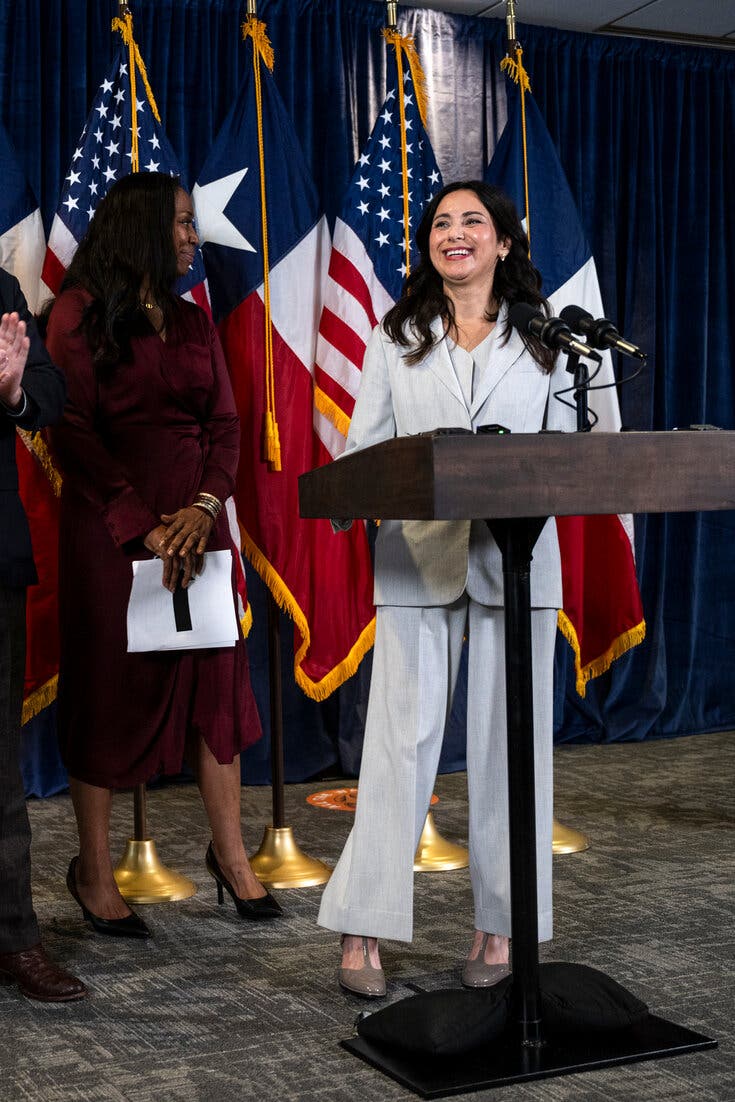
- State-Level Realignments: Democrats achieved significant victories in Texas, electing Governor Gina Hinojosa, and in Los Angeles, where Nithya Raman won the mayoral race.
- Unresolved Battles: High-stakes Senate contests in Alaska and Mississippi remain too close to call, with legal and mathematical challenges ongoing.
- GOP Internal Crisis: The Republican Party faces intense soul-searching and leadership battles following what Senator Ted Cruz described as a “Watergate-level repudiation.”
- For Voters: Expect a shift in federal priorities. A Democratic-controlled Congress has the power to initiate investigations into the Trump administration—including business dealings and Department of Homeland Security actions—and may attempt to codify protections for abortion rights, though the latter faces a significant filibuster hurdle in the Senate.
- For Investors: The market’s reaction to the election has already been noted, with a rally occurring on Wednesday following the results. The potential for decreased military escalation in the Iran war may influence oil prices and broader energy sector stability.
- For Residents of Battleground States: Residents in Mississippi and Alaska should prepare for a prolonged period of legal and administrative scrutiny as election officials work to certify the final, razor-thin results.
- November 13, 2026: The deadline for Mississippi counties to certify election results, including the processing of affidavit ballots.
- November 18, 2026: The projected window for the potential completion of ranked-choice vote tabulation in Alaska.
- The Lame-Duck Period: Republicans will have approximately two months of unified control to pass legislation or confirm appointments before the Democratic-controlled Congress is sworn in in January.
- Congressional Leadership Elections: The Democratic Caucus and Republican Conference will hold internal votes to determine their new leadership hierarchy for the 120th Congress.
- www.nytimes.com
- www.theguardian.com
- www.bbc.com
- www.yahoo.com
- www.cbsnews.com
The Great Realignment: What Happened
On Tuesday, November 3, 2026, voters across the United States participated in a midterm election that resulted in what many political analysts are calling a “generational remake” of the American political map. According to reporting from The Guardian, the election saw a decisive rejection of the Republican agenda, allowing the Democratic Party to reclaim both chambers of Congress and secure several key governorships.
In the House of Representatives, the shift was particularly dramatic. CBS News estimates that House Democrats are on track to control approximately 256 seats, a massive jump from the 214 seats held in the current Congress. This victory was fueled by flipping more than 40 districts, including several that were previously considered deep-red strongholds. Key losses for the GOP included high-profile incumbents such as Mike Lawler in New York’s Hudson Valley, where Democrat Cait Conley was projected to win, and Richard Hudson, the GOP’s House campaign chair, who lost his North Carolina seat to Democrat Richard Ojeda.
In the Senate, the Democratic surge was equally impactful. The Guardian reported that Democrats secured a 54-seat majority, up seven from their previous standing, while Republicans fell to 44 seats. This majority provides Democrats with significant leverage to influence judicial appointments and oversee federal agencies, though they remain constrained by President Trump’s veto power.

Why It Matters: The Drivers of the Blue Wave
Understanding the 2026 midterm election results requires looking beyond the raw numbers to the underlying anxieties of the American electorate. Two primary factors appear to have driven the Democratic surge: economic instability and foreign policy tensions.
The Economic Disconnect
Many voters expressed frustration with the cost of living and inflation. The New York Times noted that a broad voter rebuke was directed at the Trump administration’s handling of the economy. Ronna McDaniel, former Republican National Committee chairwoman, suggested that the results were a “red rebellion” linked to economic frustrations, noting that Republicans lost key states like Texas and Kansas because voters crossed party lines.
The Impact of the Iran War
The ongoing conflict in Iran, which began in February, has emerged as a significant political liability for the Republican Party. BBC News reported that public dissatisfaction with the war’s impact on energy prices and the loss of American lives played a central role in the election. Vice President JD Vance explicitly addressed this, stating on X (formerly Twitter) that the war was the “real reason we lost.”
Even President Trump acknowledged the connection, telling reporters at a White House ballroom construction site that it was “largely true” that the war’s impact on energy prices contributed to the GOP’s losses. However, he maintained his defense of the conflict, stating, “You can’t let Iran have a nuclear weapon.”
Deep-Dive: Congressional and Gubernatorial Breakdown
The following table summarizes the shifting balance of power across the federal and state levels as reported by various news outlets.
| Branch / Office | Democratic Count | Republican Count | Status/Notes |
|---|---|---|---|
| U.S. Senate | 54 | 44 | Democrats hold majority; 2 seats unresolved |
| U.S. House | 253+ | 157- | Democrats hold majority; 410/435 races called |
| Governorships | 28 | 20 | Democrats gained 5 governorships |
| Texas Governor | 1 (Hinojosa) | 0 | Gina Hinojosa defeated Greg Abbott |
| L.A. Mayor | 1 (Raman) | 0 | Nithya Raman defeated Karen Bass |
The Battlegrounds: Alaska and Mississippi
While the national trend favored Democrats, two Senate races remain in a state of high tension and uncertainty.
In Mississippi, the race between incumbent Republican Cindy Hyde-Smith and Democrat Scott Colom is razor-thin. CBS News reports that Colom leads by fewer than 2,000 votes. The race is complicated by approximately 3,600 outstanding mail ballots and a significant number of affidavit ballots that require eligibility confirmation. Mississippi law does not allow for recounts, meaning the winner will be decided by a plurality, and the final certification deadline is November 13.
In Alaska, the contest between Republican incumbent dan sullivan and Democrat Mary Peltola is also a toss-up. The New York Times reported that Peltola holds a lead of a few hundred votes. The race is uniquely complicated by Alaska’s ranked-choice voting system and allegations that Peltola-linked operatives recruited a second candidate named “Dan Sullivan” to act as a spoiler. Because ranked-choice tabulation can take time, a final result may not be reached until at least November 18.
The Rise of Democratic Socialism
A notable trend emerging from the 2026 midterm election results is the growing influence of democratic socialist leadership in major American cities. Following the election of Zohran Mamdani in New York City, the election of Nithya Raman as Mayor of Los Angeles marks a significant expansion of this movement. Raman, who defeated incumbent Karen Bass, has stated her priorities will include addressing homelessness, housing costs, and public safety.

Stakeholders and Reactions
The aftermath of the election has triggered a flurry of reactions from leaders across the political spectrum, ranging from calls for unity to intense internal blame-shifting.
The Trump Administration
President Trump has adopted a dual-track approach to the new Democratic-controlled Congress. While telling Politico that he intends to “work with the Democrats,” he has also frequently reminded them of his executive authority, telling CBS News that he has the “ultimate power—it’s called ‘veto.'”
On the personnel front, Trump has faced questions regarding his cabinet. While multiple sources told CBS News that he had been considering whether to replace Defense Secretary Pete Hegseth following the midterm losses, the President told reporters he has “full confidence” in Hegseth.
Democratic Leadership and Strategy
With a sizable majority, House Democrats are already organizing their leadership hierarchy. Rep. Ted Lieu of California has announced a bid for Democratic Caucus chair, while Rep. Joe Neguse of Colorado is running for Assistant Speaker.
Senate Democratic leader Chuck Schumer has characterized the results as a “generational remake of the Senate map,” but emphasized that his party’s primary task is to prove worthy of the voters’ trust. However, not all Democrats are focused on investigations; incoming Senator Adam Hamilton of Kansas noted he would prefer to focus on cost-of-living issues rather than “trials.”
The Republican Response
For the GOP, the election has sparked an immediate period of soul-searching. Senator John Cornyn wrote an op-ed in the Wall Street Journal criticizing the party for “forgetting four basic rules of coalition politics,” specifically citing the loss of Hispanic voters and an obsession with “RINOs.”
In the House, leadership battles are already underway. While Speaker Mike Johnson announced he will not run for minority leader, Majority Leader Steve Scalise and Judiciary Chair Jim Jordan have both expressed interest in leading the Republican conference.
What It Means for You
The outcome of the 2026 midterm election results will have practical implications for various sectors of society.
Counterpoints and Open Questions
Despite the clear Democratic victories, several significant risks and unanswered questions remain.
The Veto Deadlock: While Democrats hold both chambers, they lack the two-thirds majority required to override a presidential veto. This could lead to a period of legislative gridlock where the President can effectively block much of the Democratic agenda.
Legal Challenges: The integrity of the Alaska and Mississippi counts is being actively challenged. In Alaska, the role of the “second” Dan Sullivan and the mechanics of ranked-choice voting remain points of intense debate. In Mississippi, Republican efforts to separate and preserve affidavit ballots have been labeled a “desperate stunt” by the Colom campaign.
The Stability of the Democratic Coalition: As seen in the rise of democratic socialists like Raman, the Democratic Party is becoming increasingly ideologically diverse. Managing the tension between progressive wings and moderates—who may prioritize economic issues over investigations—will be a primary challenge for the new leadership.

What Happens Next
As the nation transitions into the new legislative session, several key dates and developments will serve as indicators of the political climate:
Frequently Asked Questions
Who won control of the U.S. House of Representatives in the 2026 midterms?
Democrats won control of the House of Representatives. CBS News estimates that Democrats will hold approximately 256 seats, a significant increase from the 214 seats they held in the previous Congress. This victory was achieved by flipping over 40 districts, including several traditionally Republican-leaning areas.
Why are the Senate races in Mississippi and Alaska still undecided?
In Mississippi, the race between Democrat Scott Colom and Republican Cindy Hyde-Smith is extremely close, with thousands of mail-in and affidavit ballots yet to be processed. In Alaska, the race between Democrat Mary Peltola and Republican Dan Sullivan is being conducted via ranked-choice voting, a system that requires multiple rounds of tabulation to ensure a winner has a majority, which can take several days or weeks.
What were the main reasons for the Republican losses?
According to various political analysts and party members, the Republican losses were driven by voter dissatisfaction with the economy (specifically inflation and the cost of living) and the geopolitical impact of the war in Iran. Vice President JD Vance specifically cited the war as a primary factor in the party’s defeat.
Will President Trump be able to block Democratic legislation?
Yes. While Democrats will hold majorities in both the House and the Senate, President Trump retains the power of the veto. To override a presidential veto, both chambers of Congress must achieve a two-thirds majority, a threshold that Democrats are not expected to reach in the current landscape.
—
The 2026 midterm election results represent a profound shift in American governance, moving from a period of Republican dominance to a era of Democratic legislative control. As the nation awaits the final certification of the most contested races, the focus now shifts from the campaign trail to the halls of power, where the battle over the nation’s economic and foreign policy trajectory is just beginning.
References
Featured image: Image via nytimes.com