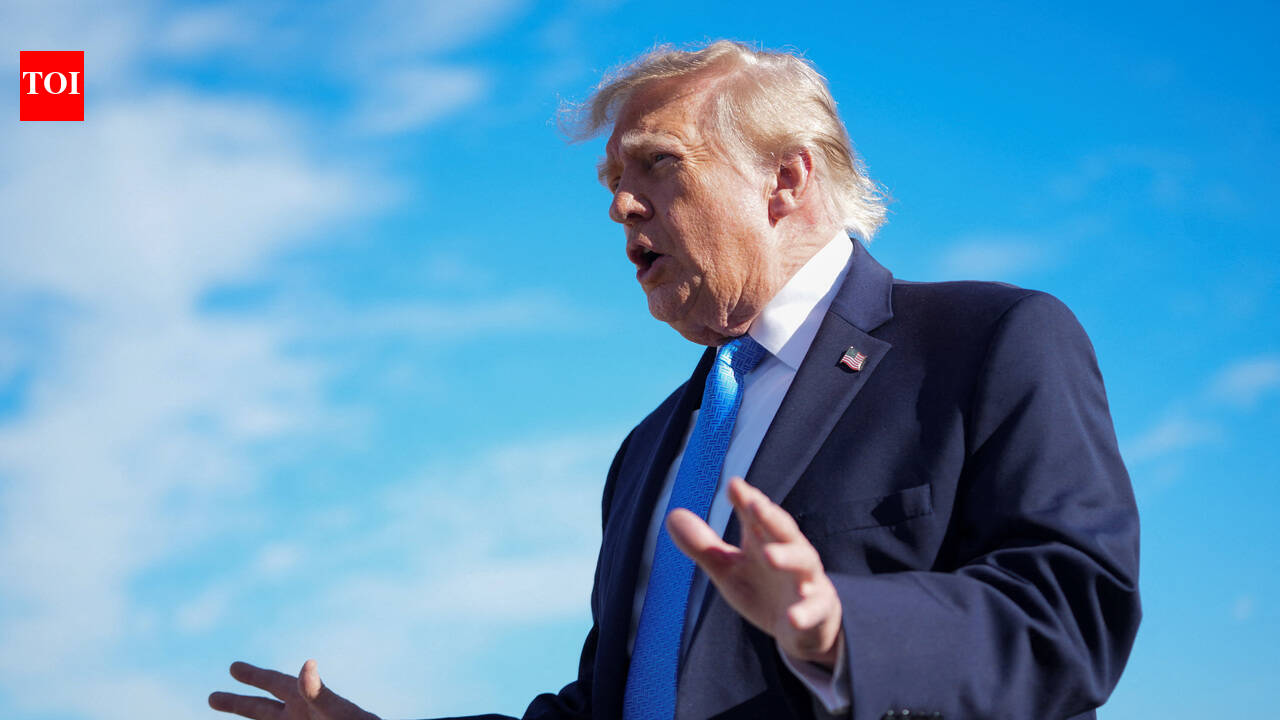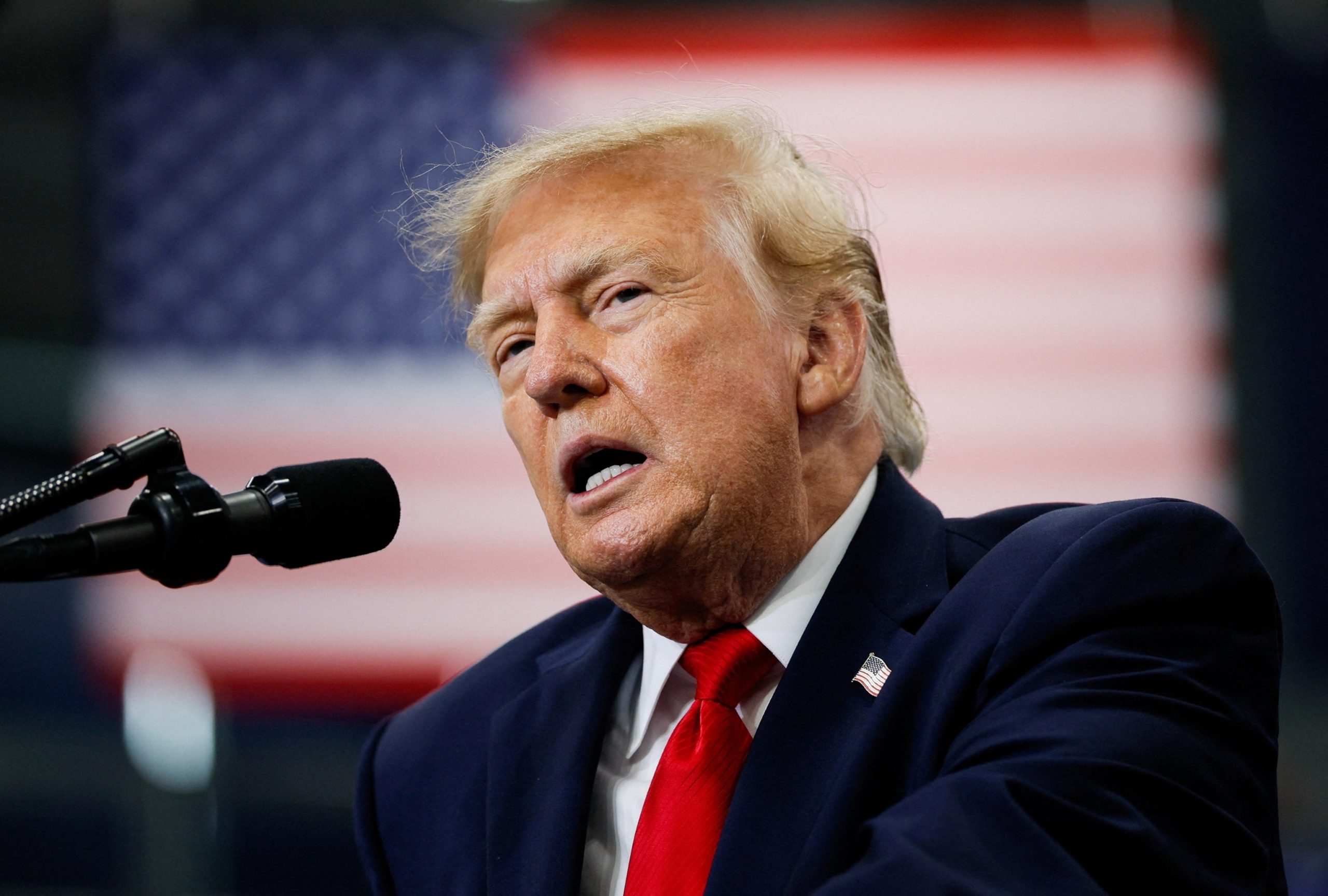
The Oval Office national monument designation signed by President Donald Trump aims to lock in his recent aesthetic renovations and prevent future administrations from altering the room’s structural character.
Key Takeaways
- New Designation: President Trump signed an executive order on Thursday, November 6, 2026, declaring the Oval Office and the Cabinet Room as national monuments.
- Preservation Goal: The move is intended to protect the President’s recent gold-themed renovations from being dismantled by future occupants.
- Legal Loophole: While the order protects the “architectural character,” it explicitly allows future presidents to change furniture, decor, and furnishings.
- Controversial Context: The proclamation follows massive White house projects, including a $600 million ballroom construction and the demolition of the East Wing.
- Political Friction: The designation comes as the Republican Party faces significant midterm election losses and a new Democratic-controlled Congress.
- For Voters: The use of executive orders to protect personal aesthetic choices may signal a continued trend of using presidential power to bypass a divided Congress, potentially leading to increased political gridlock.
- For Historians and Preservationists: The order creates a complex new layer of management for the National Park Service. While it protects the “architecture,” the precedent of designating specific rooms as monuments may change how historic sites are managed in the future.
- For Taxpayers: The massive expenditures on White House projects—such as the $600 million ballroom and the $14 million pool renovation—remain a point of contention regarding the allocation of federal funds for executive residence upgrades.
- Legal Durability: Can a future president simply issue a new executive order to revoke the national monument status? While Trump himself scaled back national monuments in Utah in 2017, the legal precedent for revoking a monument designation specifically within the White House has not been tested in court.
- The Definition of “Substantial Impairment”: The order allows changes that do not “substantially impair” the architectural character. However, the term “substantially” is subjective and could lead to protracted legal battles between the National Park Service and future administrations.
- Consistency in Preservation: Critics like Werkheiser argue that the administration’s focus on the Oval Office is hypocritical if it continues to challenge laws that protect other historic landmarks in Washington, D.C.
- The Ballroom Media Tour: On Saturday, two days after the signing, President Trump is scheduled to lead a media tour of the White House Ballroom construction site, which he has described as “a miracle.”
- Congressional Oversight: With Democrats now in control of Congress, expect increased scrutiny and potential investigations into the costs and legality of the East Wing demolition and other White House construction projects.
- Court Challenges: Legal challenges regarding the ongoing demolition of the East Wing and the administration’s impact on other historic sites in the capital are likely to continue.
- www.theguardian.com
- www.tbsnews.net
- www.bbc.com
What Happened
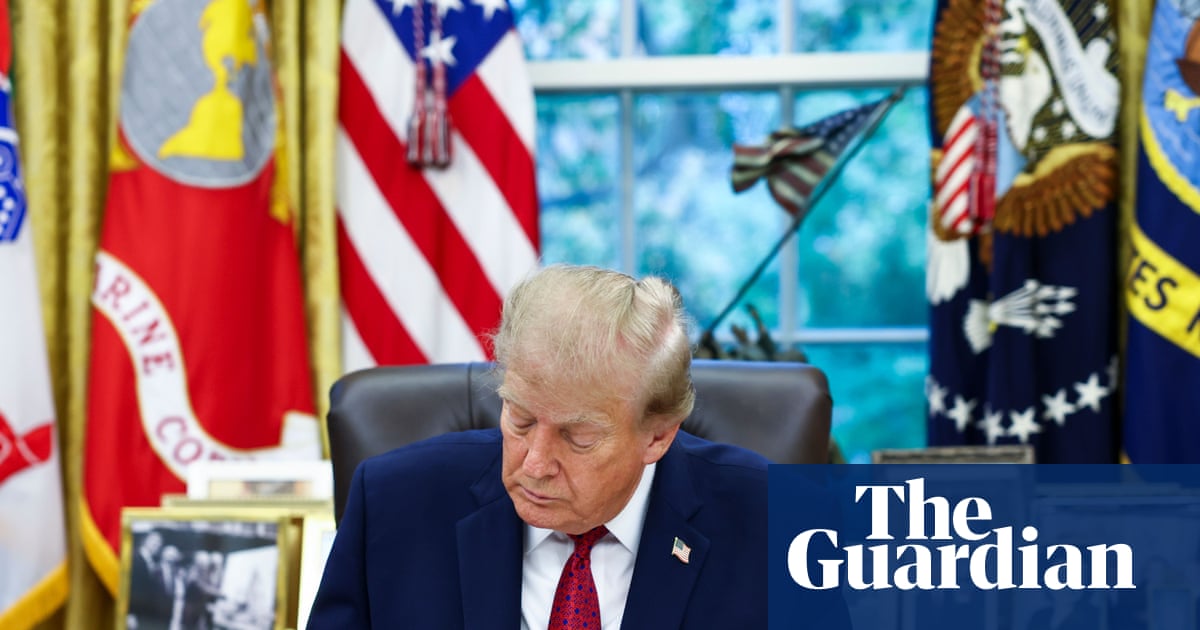
On Thursday, November 6, 2026, President Donald Trump signed an executive order that designates the White House Oval Office and the Cabinet Room as national monuments. The move, which follows significant midterm election losses for the Republican Party, is designed to grant these specific West Wing spaces a layer of protective management under the National Park Service.
Trump announced the decision to reporters in the Oval Office, framing the move as a necessary step to protect his vision of the space. “We’re making it a national monument, and it will not be allowed to be touched by anybody, destroyed, ripped down by stupid people, in order to build something in a slightly different shape,” Trump said. He added that the order would “make it impossible for anybody ever to destroy this incredible space.”
The order instructs the National Park Service to maintain the rooms in a manner that “protects its historic character, architectural integrity, and association with the Presidency.” While the White House grounds are already designated as a National Historic Landmark, this new order seeks to recognize the Oval Office and Cabinet Room as “discrete historic structures of national significance.”
Why It Matters
This executive action is significant because it attempts to use federal preservation laws to cement a specific aesthetic legacy. By designating the rooms as national monuments, the administration is creating a legal hurdle for any future president who might wish to undergo major structural renovations of the West Wing.
However, the impact of the order is limited by a crucial distinction between “architecture” and “decor.” According to the text of the order, the designation does not “restrict the President’s authority to redecorate the monument, select furnishings, or make ordinary operational and security modifications that do not substantially impair the monument’s historic structure or architectural character.”
This distinction means that while a future president might be prevented from knocking down walls or changing the fundamental footprint of the room, they would still possess the authority to replace the current gold-covered surfaces with different materials, change the color of the walls, or swap out all the furniture. For critics, this makes the proclamation a symbolic gesture rather than a functional legal barrier.
The Legal Reality of the Oval Office National Monument
The legal efficacy of the order is a point of intense debate among preservation experts. Greg Werkheiser, a specialist from the law firm Cultural Heritage Partners, has characterized the move as “legally meaningless.”
Werkheiser noted that because presidents retain wide discretion over furniture and decor, the order fails to protect the visual identity that Trump has worked to establish. “As long as they’re not damaging the permanent art and architecture, they can generally do whatever they want,” Werkheiser told the BBC.
Furthermore, Werkheiser argued that the administration’s actions are contradictory. He alleged that while the President is championing the preservation of the Oval Office, his administration is simultaneously “taking an axe to the law that allows us to preserve other historic sites” through various legal challenges.
Comparison of Recent White House Projects
To understand the scale of the administration’s physical changes to the White House, it is necessary to look at the various projects currently underway or recently completed.
| Project | Estimated Cost | Description | Status | |
|---|---|---|---|---|
| East Wing Ballroom | $600 million | A new large-scale ballroom intended to replace the East Wing. | Under construction; East Wing demolished. | Ongoing |
| Lincoln Memorial Pool | $14 million | Renovation of the reflecting pool to address maintenance issues. | Recently completed. | |
| Oval Office/Cabinet Room | N/A | Designation as National Monuments to protect design. | Signed Nov 6, 2026. | |
| South Lawn Helipad | N/A | Installation of a permanent granite helicopter pad. | Completed. |
The “Beautification” Campaign and Aesthetic Criticism
President Trump has defended his extensive renovations by claiming the White House had fallen into a state of disrepair. He described the building as “badly damaged” prior to his intervention, citing issues such as broken windows, cracked walls, and damaged stonework. He specifically attributed maintenance failures, such as algae accumulation in the Lincoln Memorial reflecting pool, to the “Biden era.”
These renovations have been characterized by some as an opulent redesign. Notable changes include the addition of gold-covered surfaces throughout the Oval Office, the installation of a large gold plaque reading “Oval Office” outside the room, and the paving over of the Rose Garden.
The aesthetic direction has not been without mockery. Former President Barack Obama offered a sharp critique of the new look, comparing the gold-heavy decor to a “Cheesecake Factory” owned by Saddam Hussein. In response to such criticism, Treasury Secretary Scott Bessent reportedly made a symbolic gesture by dining at a Cheesecake Factory restaurant.
Political Context: A Divided Government
The timing of the proclamation is inseparable from the current political climate. The order comes on the heels of significant midterm election losses for the Republican Party. Democrats have secured control of Congress and made notable gains in states including Texas, Kansas, South Carolina, and Iowa.
This shift suggests a period of intense legislative confrontation. Trump has already signaled his intent to obstruct the incoming Democratic majority, notably wearing a red baseball cap emblazoned with the word “Veto” during press engagements. The designation of the Oval Office as a monument may be viewed by political analysts as an attempt to assert executive authority and build a lasting legacy even as his legislative influence faces new constraints.
What It Means for You
How this development affects different groups of citizens depends on their interests:
Counterpoints and Open Questions
While the administration presents the order as a protective measure, several questions remain unanswered:
What Happens Next
Several key developments will serve as indicators of how this designation and the broader renovation agenda will proceed:
Frequently Asked Questions
Can a future president change the furniture in the Oval Office?
Yes. The executive order explicitly states that it does not restrict a president’s authority to redecorate, select new furnishings, or make ordinary operational and security modifications. The protection is focused on the “historic structure or architectural character” rather than the interior decor.
Is the White House already protected from changes?
Yes. The White House grounds are already designated as a National Historic Landmark. This designation is intended to prevent sudden or drastic changes to the building. The new order provides a more specific, discrete layer of protection for the Oval Office and Cabinet Room specifically.
Why did President Trump call the White House “badly damaged”?
Trump claimed that prior to his renovations, the building suffered from structural and cosmetic issues, including cracked walls, broken windows, and damaged stonework. He specifically blamed the “Biden era” for issues like algae growth in the Lincoln Memorial reflecting pool.
Who manages the Oval Office now?
Under the new executive order, the National Park Service is tasked with maintaining the Oval Office and Cabinet Room in a manner that protects their historic character and architectural integrity.
President Trump’s designation of the Oval Office as a national monument represents a significant attempt to institutionalize his aesthetic preferences within the fabric of the presidency
References
Featured image: Photo by Tima Miroshnichenko on Pexels