Pope Leo XIV issued a powerful appeal to Africa’s young generation during his recent pastoral visit to Cameroon, urging them to resist the pervasive temptations of migration and corruption. This pivotal message, delivered amidst a backdrop of profound socio-economic challenges, underscores the Church’s commitment to fostering a future where young Africans leverage their talents to build robust, ethical societies within their home nations. The papal address highlighted the critical need for morally upright citizens to actively combat systemic corruption and reverse the debilitating “brain drain” that siphons off the continent’s brightest minds.
Pope Leo XIV’s Resounding Call for African Resilience
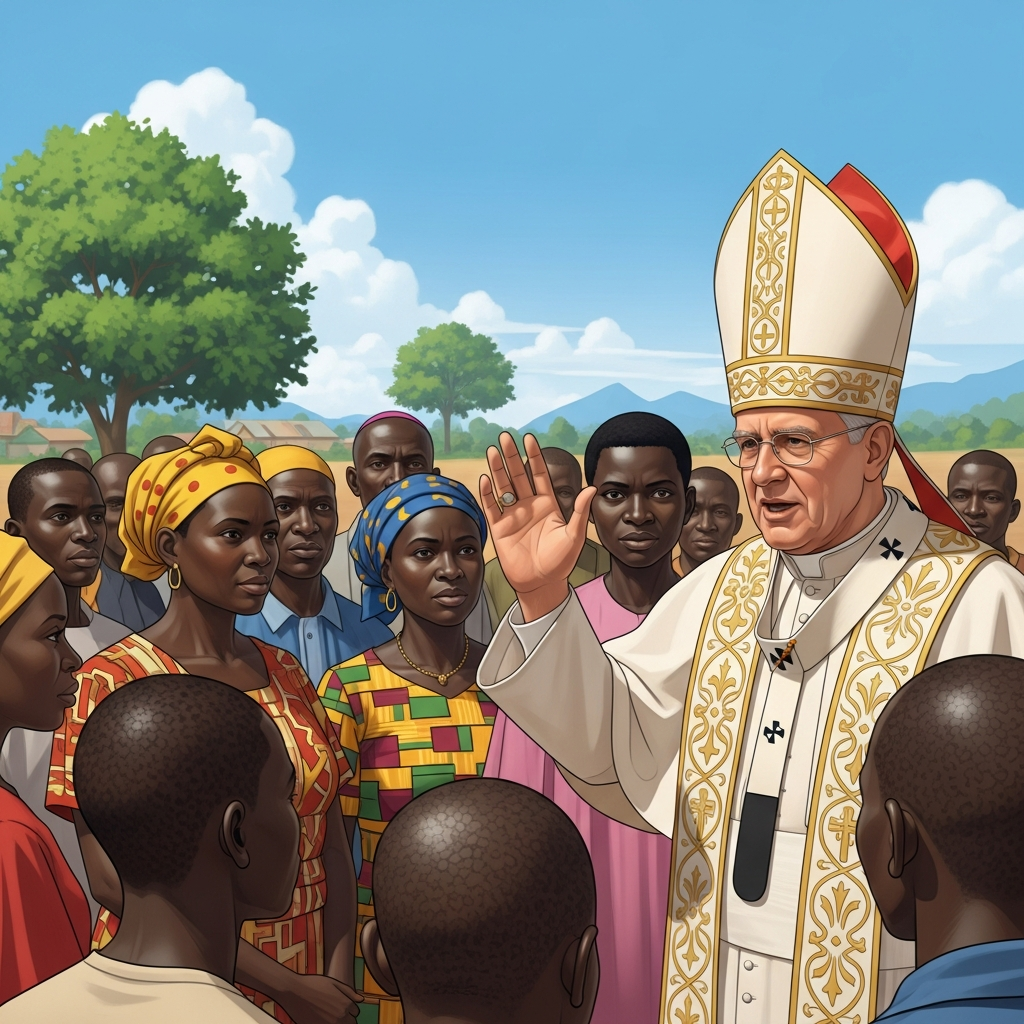
On April 17, 2026, Pope Leo XIV embarked on a significant leg of his 11-day, four-nation African tour, dedicating a full day to engaging with the youth of Cameroon. His central message resonated across a large Mass in Douala and a crucial meeting with students and faculty at the Catholic University of Central Africa in Yaounde. The Pontiff’s words were a direct challenge: Africa’s future prosperity hinges on its youth choosing to remain, innovate, and lead with integrity, rather than seeking solace or fortune abroad.
Resisting the Lure of Migration
A significant portion of the Pope’s address focused on the “understandable tendency to migrate” — a widespread sentiment among young Africans facing economic hardship. Pope Leo XIV acknowledged the allure of opportunities elsewhere but passionately implored students to “respond with an ardent desire to serve your country.” He emphasized that Africa profoundly needs their acquired knowledge and dedication to uplift their communities. The exodus of skilled professionals, particularly in critical sectors like healthcare, exacerbates existing societal vulnerabilities. For instance, in 2023, a concerning one-third of newly graduated doctors in Cameroon left the country for more lucrative positions in Europe and North America, severely straining an already understaffed health system.
Confronting the Scourge of Corruption
Beyond migration, the Pope highlighted corruption as a devastating plague that “keeps countries in poverty” across Africa. He stated unequivocally, “Africa, indeed, must be freed from the scourge of corruption.” Pope Leo XIV articulated a profound truth: a nation’s true greatness is not measured by its abundant natural resources or material wealth alone. Instead, he argued, societal flourishing is inextricably linked to “upright consciences, formed in the truth.” This powerful statement underscores a call for ethical governance and personal integrity at every level of society.
Cameroon: A Nation at a Crossroads
Cameroon, a mineral and oil-rich Central African nation, provided a poignant backdrop for the Pope’s message. Despite its natural endowments and modest economic growth, the benefits often fail to trickle down beyond a privileged elite. This disparity fuels widespread frustration among the youth, many of whom feel excluded from the nation’s economic progress.
The Youth Dilemma: Brain Drain and Economic Reality
The nation’s demographics amplify these challenges. With a population of 29 million, Cameroon is overwhelmingly young, boasting a median age of just 18. This demographic reality places immense pressure on job markets and social services. Official World Bank data indicates Cameroon’s unemployment rate stands at 3.5%. However, a staggering 57% of the labor force aged 18 to 35 is trapped in informal employment, highlighting widespread economic precarity and a severe lack of stable, dignified work opportunities. This dire economic outlook is a primary driver of the brain drain, as talented individuals seek stability and opportunity elsewhere. The Pope’s message served as a direct plea to these young minds: their homeland needs their commitment.
Aging Leadership vs. Young Aspirations
The tension between Africa’s youthful population and its entrenched, often aging, leadership was another implicit theme. In Cameroon, 93-year-old President Paul Biya has ruled since 1982, securing an eighth consecutive term in a recently disputed election. This long-term governance, coupled with perceived corruption and economic inequality, creates a profound disconnect. Pope Leo XIV had previously urged President Biya to break the “chains of corruption,” reflecting a broader concern about governance across the continent. His message to the youth was an empowering call to action, urging them not to succumb to “distrust and discouragement,” but to embrace hope. He reminded them that their people are “even richer than this land,” possessing an invaluable treasure in their core values: faith, family, hospitality, and work.
Beyond Borders: The Challenge of Artificial Intelligence
In a remarkably forward-thinking segment of his address, Pope Leo XIV also challenged university students to grapple with the advance of artificial intelligence (AI). He warned that AI is rapidly “altering humanity’s relationship with truth.” As digital environments increasingly replace genuine human encounters, the risk of self-referential “bubbles” grows, potentially fostering polarization, conflict, and fear. The Pontiff stressed that this shift is “not merely the risk of error, but a transformation in our very relationship with truth.” He urged the students to use their education to “humanize” AI, ensuring its development serves the common good and upholds human dignity. This modern challenge adds another layer of responsibility to the Pope’s call for ethical leadership and engagement from the youth.
A Call to Action for a Brighter Future
The Pope’s visit and powerful addresses underscored a multifaceted mission for Africa’s youth. It is a call for moral fortitude, national service, and prudent engagement with both persistent societal challenges and emerging technological frontiers. Thousands in Cameroon turned out to hear this message, demonstrating an outpouring of support, despite logistical challenges that saw 120,000 attendees at the Douala Mass, compared to Vatican expectations of 600,000. These faithful, some having battled mosquitoes through the night, made sacrifices to show solidarity. Their presence affirmed the deep resonance of Pope Leo XIV’s mission: to inspire a generation capable of transforming Africa through integrity, hope, and unwavering commitment to their communities. By addressing these critical issues head-on, the Pope hopes to catalyze a movement of young leaders dedicated to building a prosperous, just, and morally sound future for their continent.
Frequently Asked Questions
What specific challenges did Pope Leo XIV highlight for Cameroon’s youth?
Pope Leo XIV primarily highlighted two significant challenges for Cameroon’s youth: widespread corruption and the temptation to migrate, often referred to as “brain drain.” He argued that corruption stifles national development and keeps countries in poverty, while the departure of bright young individuals prevents them from contributing to solutions at home. The Pope also introduced the modern challenge of artificial intelligence altering humanity’s relationship with truth, urging students to “humanize” its development.
How does the Pope suggest African youth can contribute to their home countries?
The Pope strongly urged African youth to resist the allure of migration and instead apply their education and talents for the benefit of their fellow citizens. He called on them to cultivate “upright consciences,” actively combat corruption, and foster the common good. He emphasized that their “treasure” lies in core values like faith, family, hospitality, and work, encouraging them to find hope despite disillusionment and leverage these values to build a brighter future within Africa.
What role did artificial intelligence play in Pope Leo XIV’s message to students?
Pope Leo XIV presented artificial intelligence (AI) as a critical emerging challenge, warning that it is “altering humanity’s relationship with truth.” He cautioned students about digital environments replacing human encounters, potentially leading to “self-referential bubbles” that foster polarization and fear. The Pope urged them to critically engage with AI and use their education to ensure its development is guided by ethical principles, thereby “humanizing” this powerful technology for societal benefit.