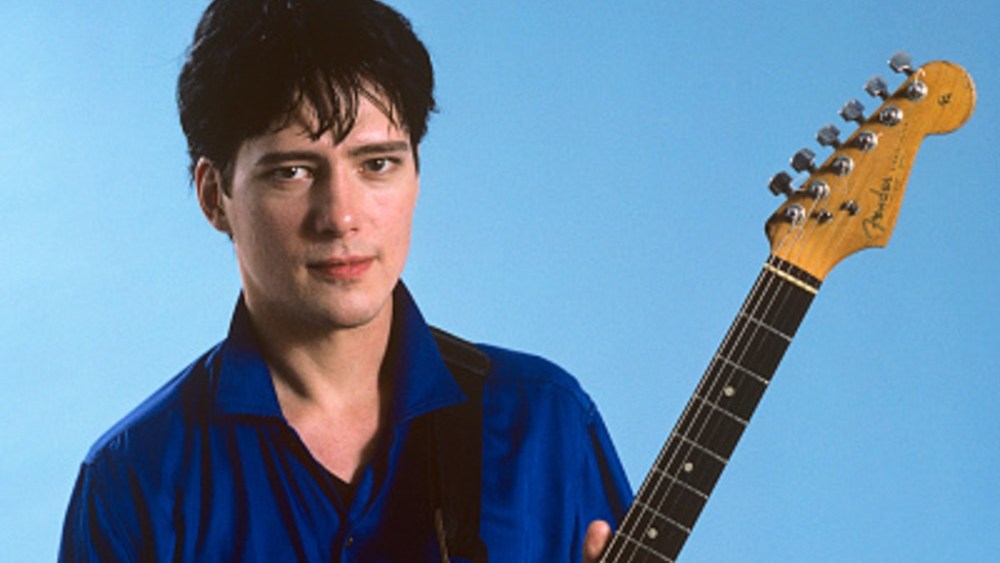
The Richard Lloyd death marks a significant loss for the history of alternative rock as the founding guitarist and co-creator of the seminal punk band Television passed away at the age of 75.
Key Takeaways
- Passing Details: Richard Lloyd died on the morning of Saturday, November 7, 2026, at his home in Chattanooga, Tennessee.
- Cause of Death: His family confirmed the cause was cholangiocarcinoma, a form of bile duct cancer, following a diagnosis in March 2026.
- Musical Legacy: As a co-founder of Television, Lloyd helped pioneer a sophisticated “twin guitar attack” that bridged the gap between raw punk and art-rock.
- Landmark Work: He was a central figure in the creation of the 1977 album Marquee Moon, widely considered one of the most influential guitar-driven records in rock history.
- Cultural Impact: His work at legendary New York venue CBGB helped define the first wave of the NYC punk movement.
What Happened
Richard Lloyd, the virtuoso guitarist whose intricate playing helped redefine the boundaries of punk rock, died at his residence in Chattanooga, Tennessee. According to a statement released by his family to Rolling Stone, Lloyd passed away on a Saturday morning surrounded by his wife, Sheila, and his dog, Willie Mays.
His death follows a difficult battle with cholangiocarcinoma, a cancer of the bile duct. The family had previously shared details regarding his health through a crowdfunding campaign, which noted that Lloyd had developed tumors in his liver, including one that was deemed inoperable due to its location near major blood vessels. Lloyd had been living with the diagnosis since March 2026.
Born Richard John Alt on October 25, 1951, in Pittsburgh, Pennsylvania, Lloyd eventually moved to New York City as an infant. His musical journey was not initially centered on the guitar; he began as a drummer before a profound, personal experience prompted a shift in his artistic direction. In his 2017 memoir, Everything Is Combustible, Lloyd described a “hallucinatory experience” where the drums lost their color—reminiscent of the grayscale transition in The Wizard of Oz—and an auditory hallucination commanded him to play a melodic instrument.
Why It Matters: Redefining the Punk Sound
The death of Richard Lloyd is more than the passing of a musician; it is the closing of a chapter on a specific, highly influential era of American music. While much of the 1970s punk movement was defined by high-volume, rapid-fire power chords and a minimalist aesthetic, Lloyd and his Television bandmate, frontman Tom Verlaine, introduced a level of technical sophistication that was virtually unprecedented in the genre.
Television’s sound was characterized by a “twin guitar attack.” This approach relied on the interplay between Lloyd’s aggressive, “fiery,” and “crunchy” style and Verlaine’s more polished, melodic finesse. Rather than competing for volume, the two guitarists created a complex web of interlocking riffs, intricate fills, and jazz-inflected solos. This complexity allowed Television to transcend the standard punk tropes, moving into the realms of art-rock and experimental music.
This musicality had a profound ripple effect on the subsequent decades of rock music. The structural and instrumental innovations found in Television’s work provided a blueprint for the alternative rock explosion of the 1980s and 90s. Icons such as R.E.M. and Sonic Youth have frequently cited the band’s influence, particularly in how they utilized guitar textures and non-traditional song structures.
The Era of CBGB and the New York Underground
To understand the importance of Lloyd’s career, one must look at the environment in which Television emerged. Formed in 1973, the band became a cornerstone of the musical revolution centered around CBGB, the legendary venue on the Bowery in Manhattan.
Before the arrival of acts like Television, the Ramones, and Blondie, CBGB had largely focused on country, bluegrass, and blues music. Television was among the earliest acts to help pivot the venue toward the burgeoning punk movement. Lloyd himself reflected on this period with a sense of ownership, once declaring in a 2007 interview that he was an “invisible force” behind the club’s transformation into the most famous rock ‘n’ roll venue in existence.
There is also a piece of enduring rock lore regarding how the band secured their footing at the club. Legend suggests that Verlaine and Lloyd initially told the club’s owner, Hilly Kristal, that they played “country, bluegrass, and blues” to secure a booking, despite their actual sound being far more avant-garde. Whether true or not, the story underscores the subversive, clever spirit that Lloyd and his contemporaries brought to the Lower Manhattan scene.
Timeline of Richard Lloyd’s Musical Journey
| Year | Event | Significance |
|---|---|---|
| 1951 | Born in Pittsburgh, PA | The beginning of Richard John Alt’s life. |
| 1973 | Formation of Television | Lloyd joins forces with Tom Verlaine in NYC. |
| 1975 | Release of “Little Johnny Jewel” | Television’s debut single establishes their sound. |
| 1977 | Release of Marquee Moon | The band releases their definitive landmark album. |
| 1978 | Release of Adventure | The band’s second album; followed by a split. |
| 1979 | Alchemy released | Lloyd’s first major solo outing. |
| 1984 | Achievement of sobriety | A turning point following years of heroin addiction. |
| 1992 | Television reunion | The band reforms for a self-titled album. |
| 2017 | Everything Is Combustible | Publication of Lloyd’s highly anticipated memoir. |
| 2023 | Death of Tom Verlaine | The passing of Lloyd’s primary musical partner. |
| 2026 | Death of Richard Lloyd | The end of a pioneer’s life at age 75. |
Deep-Dive: The Marquee Moon Legacy
If there is a single work that defines Richard Lloyd’s contribution to music, it is Television’s 1977 debut, Marquee Moon. The album is frequently cited by critics as a masterpiece of the era. Rolling Stone ranked it No. 107 on its 2023 list of the 500 greatest albums of all time, noting its enduring influence on guitar-driven rock.
Lloyd’s role in the album was not merely supportive; he was an architect of its melodic structure. In various interviews, including those with The Stranger, Lloyd claimed responsibility for the “filigrees and arabesques” that gave the songs their depth. While Verlaine provided the central vision and vocal melodies, Lloyd provided what he called the “rock & roll heart,” fleshing out the songs with intricate layers.
Critics have long noted the sheer density of his playing. A 2005 review in The Guardian highlighted how Lloyd’s guitar often dominated the mix with “crisp, crunchy chords, dextrous fills and torrential Van Halen-style solos.” The title track, “Marquee Moon,” an nearly 11-minute epic, serves as the ultimate showcase for this style, weaving together complex rhythms and dual-guitar interplay that remains a benchmark for technical proficiency in rock.
Personal Struggles and the Path to Sobriety
Despite his musical triumphs, Lloyd’s personal life was often marked by intense struggle. In the early 1980s, following the dissolution of Television, Lloyd faced a debilitating heroin addiction. He described this period as being akin to the experience of the Great Depression, noting that he could “hardly draw people to gigs” while battling the substance.
He faced multiple overdoses during this era, a period that many historians believe could have prematurely ended his career. However, Lloyd achieved sobriety in 1984, a milestone that allowed him to embark on a prolific solo career. Over the following decades, he released several albums, including Field of Fire (1986), Real Time (1987), and his final solo effort, The Countdown (2018).
His solo work often reflected the same technical curiosity found in Television, though sometimes with a more individualistic, experimental edge. He also remained a sought-after session musician, contributing to notable projects such as Matthew Sweet’s 1991 album Girlfriend.
Stakeholders and the Complexity of Collaboration
The history of Television was not without its tensions. While the musical output was harmonious, the professional relationship between Lloyd and Tom Verlaine was often described as “fractious.”
According to research into the band’s history, much of this friction stemmed from two areas: songwriting contributions and music publishing rights. Lloyd expressed frustration that Verlaine took control of the majority of the band’s publishing, despite Lloyd’s significant role in the melodic and structural development of their most famous works. These disputes were common in collaborative bands of the era, but they added a layer of complexity to the band’s legacy and their various reunions.
Furthermore, the band’s commercial viability was often at odds with their artistic complexity. Because they did not adhere to the “loud and fast” formula that drove the sales of contemporary punk acts like the Ramones, Television struggled to achieve mainstream commercial success during their peak, despite receiving massive critical acclaim in the United Kingdom.
What It Means for You
For different segments of the public, Lloyd’s passing carries different implications:
- For Musicians and Students of Music: Lloyd remains a primary case study in how to integrate technical virtuosity with the raw energy of a subculture. His “twin guitar” approach is a vital lesson in how two performers can create a singular, larger-than-life sound through interlocking parts rather than simple unison playing.
- For Music Historians: His death marks the loss of one of the last direct links to the original 1970s NYC underground scene. His memoir, Everything Is Combustible, serves as a critical primary source for understanding the social and cultural fabric of that era.
- For Fans of Alternative Rock: The passing of Lloyd, following the death of Tom Verlaine in 2023, signifies the near-total conclusion of the original Television lineup, leaving their recorded legacy as the primary way to engage with their revolutionary sound.
Counterpoints and Open Questions
While Lloyd is widely celebrated, some debate persists regarding his standing within the punk pantheon. A recurring question among critics and fans is whether Lloyd’s contributions were “perennially underrated” in comparison to Verlaine’s. While Verlaine was the face and voice of the band, many argue that the band’s unique sonic identity would have been impossible without Lloyd’s specific rhythmic and melodic textures.
There are also questions regarding the true extent of the band’s influence. While the connection to Sonic Youth and R.E.M. is well-documented, some scholars argue that the “art-punk” lineage is more fragmented than often suggested, and that Television’s impact was more localized to the intellectualized corners of the New York scene rather than a broad movement.

What Happens Next
With the passing of both Lloyd and Verlaine, the focus will likely shift toward the preservation and celebration of the Television catalog. Fans and collectors can expect:
- Archival Releases: There is a possibility of further unreleased material being surfaced, similar to the 2010 collection Lodestones.
- Retrospective Documentaries: Given the cinematic quality of the NYC punk era, Lloyd’s life and the band’s history are prime subjects for future musical documentaries.
- Increased Catalog Interest: As is common with the passing of legendary figures, there may be a renewed interest in the Marquee Moon and Adventure albums among younger generations of listeners.
Frequently Asked Questions
What was Richard Lloyd’s role in the band Television?
Richard Lloyd was a founding member and the lead guitarist of Television. He was responsible for much of the band’s intricate guitar work, specifically the melodic fills and interlocking riffs that, alongside Tom Verlaine’s playing, created the band’s signature “twin guitar attack.”
How did Richard Lloyd’s music differ from typical punk rock?
While most punk bands of the 1970s relied on simple, fast-paced power chords, Lloyd’s style was much more sophisticated. He incorporated elements of jazz, art-rock, and complex melodic structures, making Television’s music more technically demanding and compositionally dense than their contemporaries.
What was the cause of Richard Lloyd’s death?
Richard Lloyd died from cholangiocarcinoma, which is a type of bile duct cancer. He had been diagnosed with the condition in March 2026.
Is Tom Verlaine still alive?
No, Tom Verlaine, the frontman and co-founder of Television, passed away in 2023.
Richard Lloyd’s legacy is etched into the foundation of modern rock. From the gritty streets of the Bowery to the sophisticated compositions of Marquee Moon, his influence remains an irrevocable part of the musical landscape he helped to build.
References
- Richard Lloyd, Television’s Virtuoso Guitarist, Dead at 75 — rollingstone.com
- Richard Lloyd, Television’s Fiery and Fluent Guitarist, Dies at 75 — variety.com
- Richard Lloyd, founding member and guitarist of punk band Television, dies aged 75 — theguardian.com
Featured image: Image via Variety