The AI stocks recovery effort began on friday, November 6, 2026, as major US indices clawed back a portion of the trillions of dollars in market value lost during a massive technology-led sell-off earlier in the week.
Key Takeaways
- Market Stabilization: The Nasdaq Composite rose 1.1% on Friday, partially reversing a sharp 5.5% decline recorded on Thursday.
- Political Headwinds: A sweeping Democratic victory in the US midterm elections has fueled investor fears regarding new regulations for artificial intelligence and data center expansion.
- economic Resilience: Unexpectedly strong US employment data, showing 165,000 jobs added, provided a macroeconomic cushion for American markets.
- Global Divergence: While US markets showed signs of stabilization, international markets in Asia and Europe continued to face significant downward pressure.
- The ROI Question: A growing debate persists among industry leaders regarding whether massive infrastructure spending on AI will yield sufficient economic returns.
- Unemployment Rate: Fell to 4.1%, down from 4.2% in September.
- Historical Context: The BLS noted that the unemployment rate has remained within a narrow band of 4.1% to 4.3% since March 2026.
- Is the ROI concern overstated? Some analysts argue that the long-term productivity gains from AI are still in their infancy and that current market skepticism is premature.
- Will the jobs report mask underlying weaknesses? While 165,000 jobs were added, the narrow range of unemployment since March suggests a highly stable but perhaps stagnant labor market.
- How unified will the regulatory response be? While Democrats have won control, the actual implementation of AI rules will likely face legal and state-level challenges.
- Congressional Activity: Any early signals or statements from the newly empowered Democratic leadership regarding AI legislation.
- Earnings and Guidance: Further communications from chipmakers and tech giants regarding their capital expenditure plans and expected ROI.
- Macroeconomic Data: Continued monitoring of US employment and inflation data, which will influence Federal Reserve policy and broader market sentiment.
- www.aol.com
- www.bbc.com
What Happened
On Thursday, November 5, 2026, global markets experienced a significant downturn that targeted the core of the modern technology sector. The rout began in the United States, specifically hitting companies closely linked to the development and manufacturing of artificial intelligence hardware. Semiconductor and chipmakers, the backbone of the AI boom, took a substantial “hammering” as investors reassessed the sector’s valuation.
By Friday, November 6, 2026, the Nasdaq Composite managed to close in positive territory, ending the day up 1.1%. This movement served as a partial reversal of the 5.5% plunge seen the previous day. The S&P 500 also showed signs of stabilization, closing up 0.3%, while the Dow Jones Industrial Average remained largely flat before ending the day with a minor decline of 0.4%.
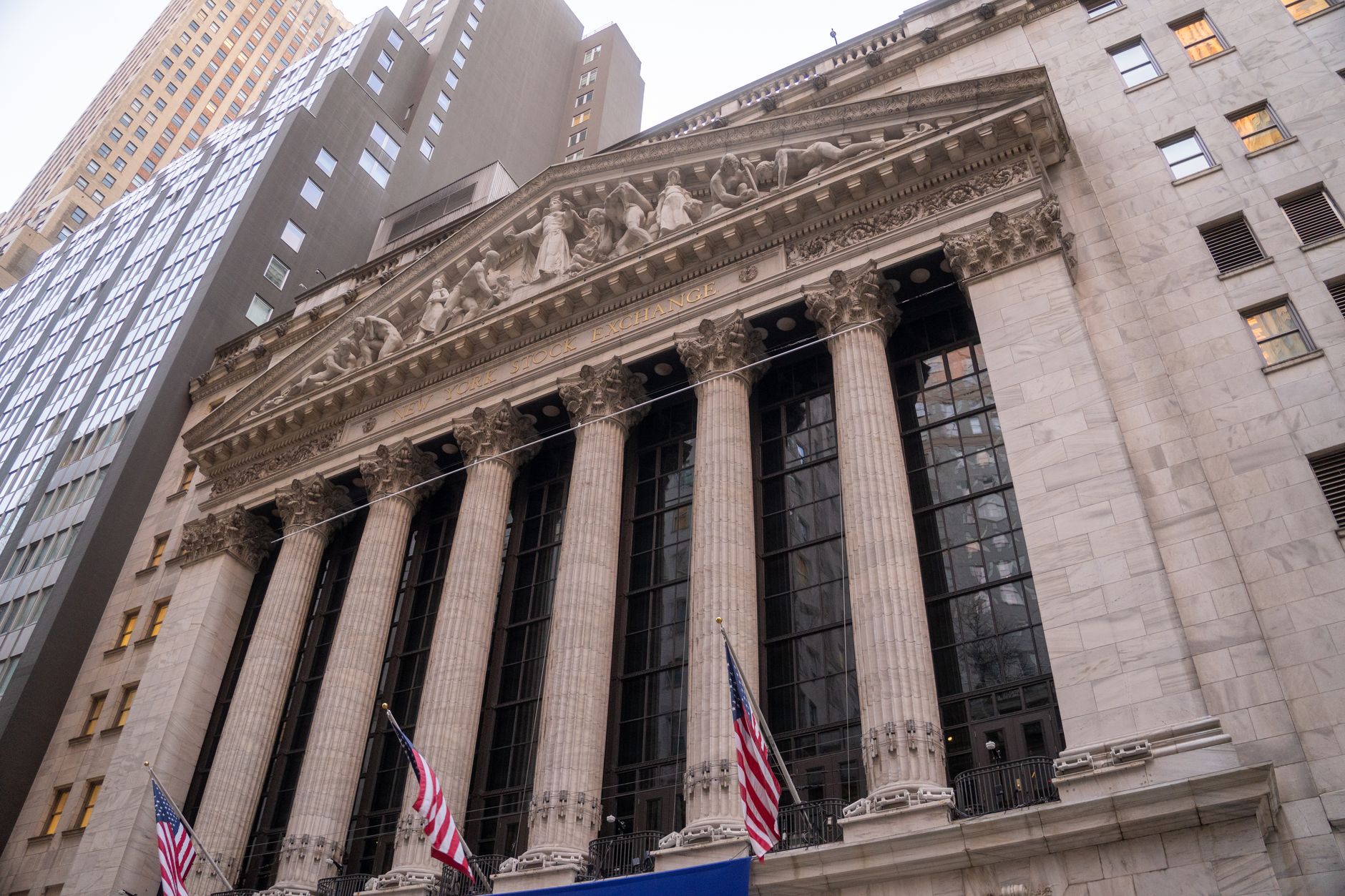
While some major US firms like Nvidia, SpaceX, and Tesla were able to recover some of their lost ground, the recovery was not universal. International markets reacted much more negatively to the week’s volatility. In South Korea, the Kospi fell by 6.0%, with the major chipmaker SK Hynix seeing its shares plunge by more than 10%. In Europe, main indexes in Germany, France, and Spain all ended the day lower, and the UK’s FTSE 100 declined by 1.01%.
Why It Matters
The recent volatility highlights a critical intersection between geopolitical shifts and technological advancement. The primary driver of the sell-off appears to be a combination of political uncertainty and fundamental economic skepticism.
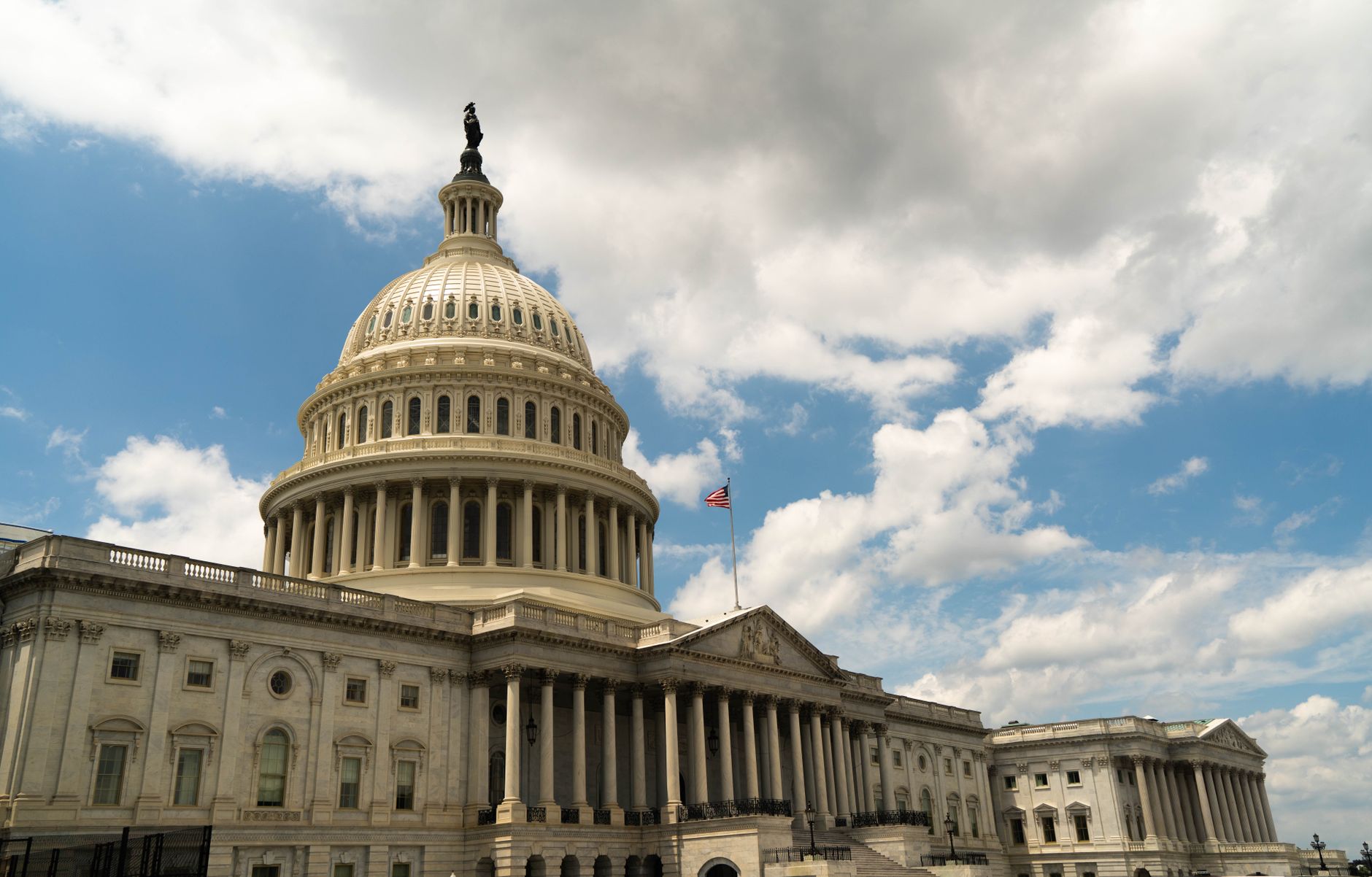
First, the results of the US midterm elections have fundamentally altered the regulatory outlook for the tech sector. With the Democratic Party winning control of both houses of Congress, as well as key state-level contests, investors are bracing for a more rigorous oversight environment. Many Democrats campaigned on platforms that include stricter rules for artificial intelligence development and the management of massive data centers.
Second, the market is grappling with a “return on investment” (ROI) crisis. For years, capital has flowed into AI infrastructure at an unprecedented rate. However, as noted by industry analysts, there is growing concern about whether this massive expenditure will translate into widespread, tangible economic value in the near term.
The Political Landscape and AI Regulation
The shift in US political power has introduced a new variable into the tech investment equation. The Democratic victory suggests that the era of relatively unchecked AI expansion may be facing a legislative pause.
According to reports following the election, the incoming Congress is expected to focus heavily on AI-specific frameworks. This includes not only the software side of artificial intelligence but also the physical infrastructure—the data centers—that power these systems. This is particularly significant in states that have become central to the national data center race.
In contrast to the regulatory focus of the Democrats, US President Donald Trump expressed his continued support for the sector on Friday. Referring to the technology as “super intelligence,” he stated that only “foolish leadership” would “say no to the riches they bring.” This highlights the deep political divide regarding how the United States should balance technological dominance with regulatory caution.
Economic Indicators: The US Jobs Report
While the tech sector faced political headwinds, the broader US economy provided a stabilizing force through robust labor market data. The Bureau of Labor Statistics (BLS) released figures on Friday that exceeded analyst expectations.
US employers added 165,000 new jobs in the period ending in October (though some reports noted a discrepancy regarding September data), which was more than double the anticipated increase. This strength helped ease fears that a tech-driven market correction might trigger a broader economic downturn.
Key metrics from the report include:
Neil Birrell, chief investment officer at Premier Miton, suggested that the strength of the labor market might decouple the tech market’s volatility from the health of the actual economy. “The US economy is running hard,” Birrell noted, implying that the risks currently unsettling investors may not pose as significant a threat to the real economy as is being feared.
Global Market Divergence
The following table compares the performance of key indices and entities on Friday, November 6, 2026, illustrating the disparity between US stabilization and international declines.
| Market / Entity | Friday Closing Performance | Context/Notes |
|---|---|---|
| Nasdaq Composite | +1.1% | Partially reversing Thursday’s 5.5% fall |
| S&P 500 | +0.3% | Slight recovery in large-cap US stocks |
| Dow Jones | -0.4% | Ended the day slightly down after being flat |
| Kospi (South Korea) | -6.0% | Significant decline in Asian markets |
| SK Hynix | -10.0%+ | Major semiconductor manufacturer hit hard |
| FTSE 100 (UK) | -1.01% | Impacted by local rate concerns |
| European Indexes | Down | Main indexes in Germany, France, and Spain fell |
Stakeholder Perspectives and the “Market Purgatory”
Industry experts are divided on whether this week represents a temporary dip or a fundamental shift in the AI investment cycle.
Pierre Baqué, CEO of the AI platform Neural Concept, characterized the current market movements as a “necessary market correction.” He argued that the industry must move away from unchecked infrastructure investment and toward greater financial discipline. “We are entering a critical transition phase, a market purgatory where raw tech must prove its widespread economic value,” Baqué said.
This sentiment is echoed by Russ Shaw, founder of Tech London Advocates. While a proponent of AI, Shaw suggested that the election results serve as a signal for a necessary rethink. Speaking to the BBC’s Business Today, Shaw noted that the incoming Congress will focus on AI in a “very dramatic way.” He also criticized the current communication strategies of AI firms, alleging that they are “not communicating effectively at all… about what the benefits of AI are all about.”
On the other hand, market analysts like Dan Coatsworth, head of markets at AJ Bell, are taking a more cautious, wait-and-see approach. He noted that after a “brutal week,” the key question is whether the slight recovery in the S&P 500 and Nasdaq can be sustained into the following week.
What It Means for You
The current volatility in AI-related assets has different implications depending on your relationship with the market:
For Investors
If you hold significant positions in semiconductor or large-cap technology stocks, expect continued volatility. The market is currently transitioning from a phase of “growth at any cost” to one where profitability and regulatory compliance are paramount. The “market purgatory” described by Baqué suggests that the era of easy gains driven solely by infrastructure hype may be pausing.
For Tech Professionals and Developers
The political shift in Washington suggests that the regulatory landscape for AI and data centers will become more complex. Companies may need to allocate more resources toward compliance, data privacy, and ethical AI frameworks to satisfy the new Congressional oversight.
For the General Public
While stock market fluctuations can feel disconnected from daily life, the strength of the US jobs report suggests that the “real economy” remains resilient. The debate over AI’s economic value will likely move from Wall Street to the halls of Congress, potentially influencing how much these technologies are integrated into public services and infrastructure.
Counterpoints and Open Questions
While much of the current narrative focuses on regulatory fear and ROI skepticism, several questions remain unanswered:
What Happens Next
Investors and analysts will be looking for several key signals in the coming week to determine if the AI stocks recovery is a lasting trend or a brief pause in a larger decline:
Frequently Asked Questions
Why did AI stocks fall so sharply this week?
The sell-off was driven by two main factors: political uncertainty following the US midterm elections and growing investor skepticism regarding the return on investment (ROI) for massive AI infrastructure spending. The Democratic victory raised concerns about increased regulation, particularly for data centers and AI development.
How did the US jobs report impact the market?
The jobs report provided a stabilizing effect. By reporting 165,000 new jobs—well above what analysts expected—the data suggested that the broader US economy remains strong, which helped mitigate fears that the tech market rout would lead to a wider economic crisis.
What is “market purgatory” in the context of AI?
n”Market purgatory” is a term used by Pierre Baqué, CEO of Neural Concept, to describe the current transition phase in the AI industry. It refers to a period where investors are no longer willing to fund infrastructure based on hype alone and are instead demanding proof of widespread, tangible economic value.
Are semiconductor stocks still at risk?
Yes. While some US semiconductor stocks saw a slight recovery on Friday, international markets like South Korea saw massive declines in chipmakers like SK Hynix. The sector remains highly sensitive to both regulatory news and global economic trends.
Closing
The attempt at an AI stocks recovery on Friday, November 6, 2026, marks a period of intense reassessment for the technology sector. As the market navigates the tension between a robust real economy and a shifting political landscape, the focus is moving from the sheer scale of AI investment to the sustainability and regulation of that investment. The coming weeks will be decisive in determining whether the tech-driven market can find a new, stable equilibrium.
References
Featured image: Photo by AlphaTradeZone on Pexels