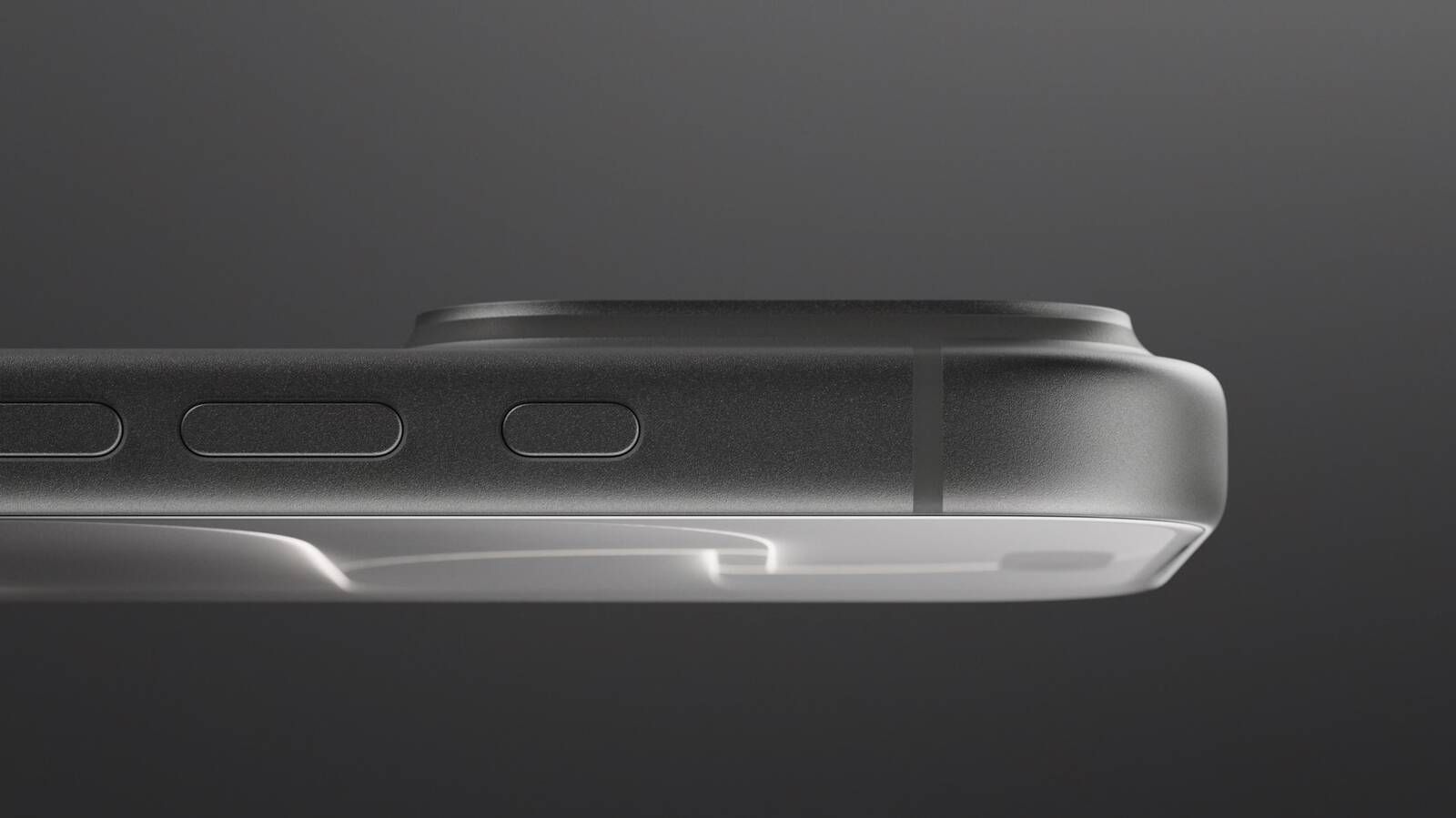
The rumored iphone Action button merger could fundamentally change how users interact with their devices by late 2027. According to recent leaks from prominent industry sources, Apple is planning to consolidate its physical interface by combining the customizable Action button and the dedicated camera Control into a single, multi-functional component. This strategic hardware shift, if realized, would mark one of the most significant changes to the iPhone’s physical architecture since the removal of the Home button, moving the user experience from a purely spatial interaction model to one defined by temporal gestures.
Key Takeaways
- Consolidated Hardware: Apple reportedly plans to eliminate the dedicated Action button, merging its functions into the Camera Control button.
- Dual-Functionality: The new button would trigger the camera with a single press and activate custom user shortcuts via a long press.
- 2027 Timeline: These changes are projected to arrive in the second half of 2027, potentially coinciding with Apple’s 20th-anniversary iPhone lineup.
- User Experience Shift: The redesign moves away from distinct physical buttons toward a “press duration” interaction model.
- Streamlined Manufacturing: Merging controls could reduce component counts and simplify the assembly of the iPhone chassis.
- For Power Users: If you rely heavily on custom Shortcuts via the Action button, you won’t lose functionality, but you will have to adapt your muscle memory. Instead of reaching for the top button, you will be interacting with the Camera Control area using different press durations.
- For Photography Enthusiasts: The Camera Control may become even more central to your experience. The integration of camera functions and shortcut triggers into one area could streamline the workflow, provided the pressure sensitivity is refined to prevent the “fiddly” issues reported by current users.
- For Average Consumers: The device may feel more streamlined and aesthetically “cleaner” with fewer buttons, which aligns with the general trend of modern smartphone design.
- For Investors and Analysts: This move signals Apple’s continued commitment to hardware simplification and manufacturing optimization, potentially improving margins on high-end Pro models.
- Will the button be prone to errors? If the distinction between a “single press” and a “long press” is not perfectly calibrated, users may accidentally launch the camera when they intended to trigger a shortcut, or vice versa.
- Will it apply to all models? It is currently unclear if this change is exclusive to the Pro lineup or if it will become the standard across all iPhone models, including the base versions.
- Is the redesign part of a larger overhaul? There are rumors that 2027 Pro models may feature quad-curved screens. It remains to be seen whether the button merger is a standalone optimization or part of a total aesthetic and ergonomic transformation of the iPhone.
- www.macrumors.com
- news.lavx.hu
- Featured image: Image via MacRumors
What Happened: The Weibo Leak and the 2027 Vision
Recent reports from MacRumors and LavX News have brought a significant hardware rumor to the forefront of the tech industry. A tipster known as Instant Digital, posting via the social media platform Weibo, has claimed that Apple is working toward a major redesign of the iPhone’s physical control layout. The core of the claim is that the dedicated Action button—a feature introduced with the iPhone 15 Pro in 2023—will begin to disappear from new models in the second half of 2027.
According to the report by Sofia Ricci for LavX News, the Action button will not actually be lost in terms of utility. Instead, its customizable functions will be migrated to the existing Camera Control button, which was first introduced on the iPhone 16. The proposed mechanism is straightforward: a single press of the combined button would launch the camera application, while a long press would trigger the specific shortcut or function previously assigned to the Action button, such as turning on the flashlight, entering Silent mode, or launching a specific iOS Shortcut.

While the report does not specify which models will receive this change, industry analysts suggest it may apply to the entire fall lineup of 2027. This timing is particularly noteworthy as it aligns with what could be a landmark 20th-anniversary release for the iPhone series, often a period when Apple introduces more substantial hardware revisions.
Why It Matters: The Evolution of iPhone Physicality
To understand the significance of the iPhone Action button merger, one must look at the trajectory of Apple’s hardware philosophy. Over the last decade, Apple has steadily moved toward reducing the number of physical moving parts on its devices. The transition from the mechanical Ring/Silent switch to the haptic-based Action button was the first step in this journey. The introduction of the Camera Control on the iPhone 16 added another layer of complexity, and the rumored merger suggests Apple is now looking to refine that complexity.
This move matters for three primary reasons: manufacturing efficiency, ergonomic optimization, and the integration of software-driven intelligence.
1. Manufacturing and Cost Efficiency
Reducing the total number of physical buttons on a device chassis is a significant win for manufacturing. Every physical button requires precise tolerances, specialized housing, and complex internal connections to the logic board. By consolidating two buttons into one, Apple can potentially reduce the total component count, simplify the assembly process, and lower the risk of mechanical failure. There are also rumors, as noted by MacRumors, that Apple may be exploring a simplified Camera Control that removes the current capacitive sensing layer in favor of a more cost-effective pressure-sensing-only model.
2. Ergonomic Optimization
Since the debut of the Camera Control, user feedback has been notably mixed. Many users have reported that the button feels “fiddly” or is prone to accidental activations. In discussions reported by MacRumors, users like ZZapski and dg1974 expressed frustration with the Camera Control being “in the way” or being pressed accidentally during normal handling. By merging the Action button into this space, Apple may be attempting to give the Camera Control a more robust and intentional purpose, making the interaction feel less like an afterthought and more like a central command hub.
3. Software-Hardware Convergence
Apple’s current development trajectory, particularly with iOS 27, shows a heavy emphasis on integrating software intelligence directly into hardware gestures. With the integration of “Visual Intelligence” into Siri mode within the Camera app, the hardware is increasingly acting as a gateway to complex software tasks. A single multi-functional button allows Apple to map a wider array of software actions to a single physical touchpoint, reinforcing the idea that the hardware is merely a shell for the software experience.
Deep-Dive: Comparing the Button Architectures
The following table compares the current physical interface found on recent Pro models with the rumored interface expected in late 2027.
| Feature | Current Interface (e.g., iPhone 16 Pro) | Rumored 2027 Interface |
|---|---|---|
| Action Button | Dedicated physical button for shortcuts | Merged into Camera Control |
| Camera Control | Dedicated button for camera/zoom | Merged into Camera Control |
| Camera Access | Launch via app or button | Single press of combined button |
| Custom Shortcuts | Long press on Action button | Long press of combined button |
| Interaction Type | Spatial (distinct physical locations) | Temporal (press duration-based) |
The Shift from Spatial to Temporal Interaction
Perhaps the most profound implication of the iPhone Action button merger is the shift in user interface (UI) design philosophy. Currently, the iPhone relies heavily on spatial interaction. If a user wants to silence their phone, they reach for a specific physical location on the side of the device. This is a tactile, muscle-memory-driven action that is highly reliable because the buttons are physically distinct.
The rumored redesign moves toward a temporal interaction model. In this scenario, the user must distinguish between actions based on time—how long they hold the button. A quick tap versus a sustained press. While this is common in software (such as long-pressing an app icon to see a context menu), applying it to primary hardware controls introduces a new layer of cognitive load. Users will no longer simply “press a button”; they will have to “perform a gesture” on a single button to achieve different results.
What It Means for You
The impact of this change will vary depending on how you use your iPhone:
Counterpoints and Open Questions
Despite the potential benefits, the rumored redesign is not without significant risks. The primary criticism, as echoed by commenters on MacRumors, is the potential for habit disruption. Users have spent years building muscle memory around the current layout, and changing the fundamental way a button works can lead to frustration and a perceived loss of control.
There are several open questions that remain unanswered:
What Happens Next
As we move through 2026 and into the next year, several key signals will indicate whether these rumors are heading toward reality. First, watch for Apple’s upcoming software updates; any new gesture-based controls introduced in iOS versions could be a precursor to this hardware change.
Second, keep an eye on the 2027 product launch cycle. If Apple introduces a major redesign—including the rumored quad-curved screens—the button merger is highly likely to be part of that package. Finally, the development of new pressure-sensing technologies in Apple’s supply chain will be a critical indicator of whether the company is moving away from capacitive sensing to support this more streamlined, multi-functional button approach.
Frequently Asked Questions
Is the Action button being removed from the iPhone?
Not exactly. According to the rumors, the functionality of the Action button is not being removed, but rather its physical location is being changed. The customizable shortcuts that the Action button provides will reportedly be integrated into the Camera Control button, allowing users to trigger them via a long press.
When will the merged button arrive on iPhones?
The rumored timeline suggests that this hardware change will take effect in the second half of 2027. This would likely coincide with the release of the iPhone 19 Pro or iPhone 20 Pro models, potentially marking the 20th anniversary of the iPhone.
Why is Apple merging these buttons?
The primary goals appear to be hardware simplification, manufacturing efficiency, and ergonomic optimization. By reducing the number of physical buttons, Apple can streamline the device’s design, potentially lower production costs, and provide the Camera Control with a more significant and versatile role in the user experience.
Will the Camera Control be harder to use?
This is a point of contention. While merging the buttons could make the device feel more streamlined, it introduces a “temporal” interaction model where users must distinguish between short and long presses. Some users may find this more complex or prone to accidental triggers compared to having two distinct physical buttons.
Apple’s move toward a more consolidated button layout represents a calculated gamble on the future of human-computer interaction