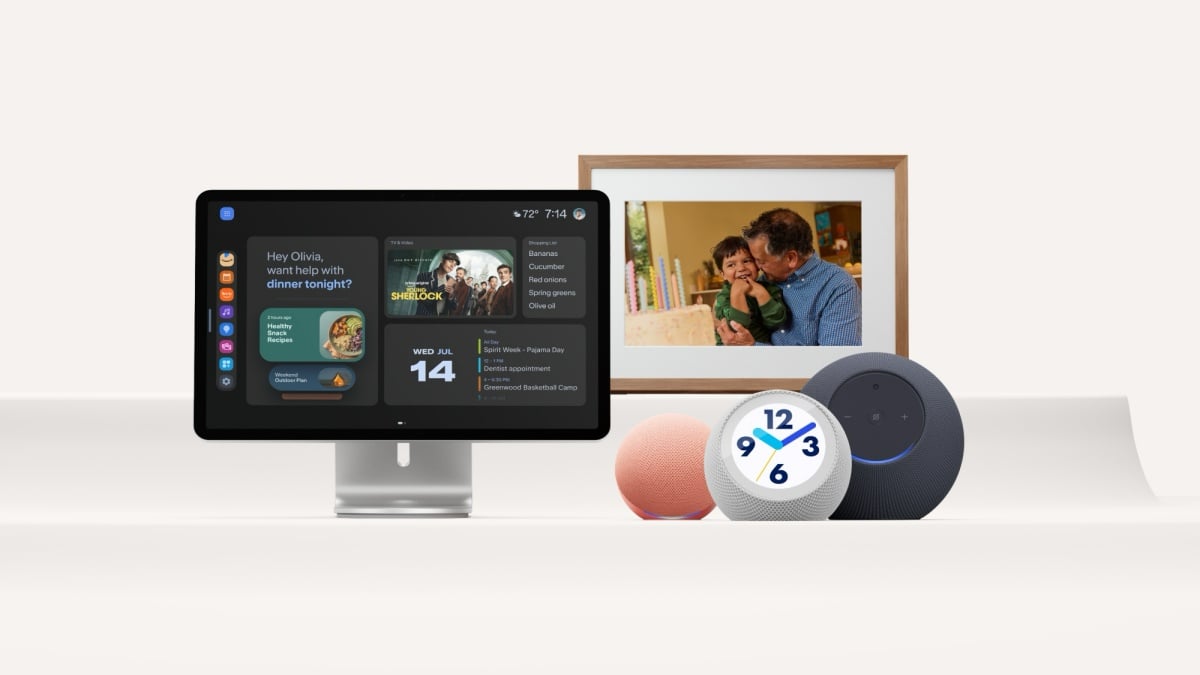
The landscape of ambient computing underwent a significant transformation on October 28, 2026, as amazon unveiled a massive expansion of its Amazon alexa hardware ecosystem in New York. Moving beyond the era of simple voice-activated speakers, the new product lineup signals a strategic pivot toward a multimodal, visually aware, and locally processed intelligence system known as “Alexa+”.
Key Takeaways
- Strategic Shift: Amazon is transitioning from voice-only interactions to a “multimodal” ecosystem that utilizes visual, spatial, and ultrasonic sensing.
- Custom Silicon: The new Echo Dot debuts the AZ3 on-device AI chip, designed to enable faster, more private, and more natural local voice processing.
- Enhanced Interoperability: New devices now feature native support for Matter, Thread, and Zigbee protocols, positioning them as central hubs for diverse smart home environments.
- Visual Intelligence: The Echo Studio and Echo Show 16 integrate advanced camera capabilities to recognize physical objects and interpret user environments.
- Privacy-Centric Design: The new Echo Time smart alarm clock features a camera-free design specifically engineered for the bedroom environment.
- Expanded Connectivity: The updated Echo Dot functions as an eero Wi-Fi extender, adding up to 1,000 square feet of wireless coverage to a home network.
- The performance and stability of the AZ3 chip in real-world, high-latency environments.
- The degree of interoperability achieved with third-party Matter and Thread devices.
- Consumer response to the pricing of the premium Nanomatte Echo Show 16.
- 9to5toys.com
- mashdigi.com
- techcrunch.com
What Happened: A New Vision for the Smart Home
At a major launch event in New York on October 28, 2026, Amazon’s hardware division—led by former Microsoft Surface chief Panos Panay—introduced a complete reimagining of the Echo lineup. According to reports from Mashdigi Global, the launch represents a move away from traditional “voice-command speakers” toward a more proactive, sensing-based ecosystem.
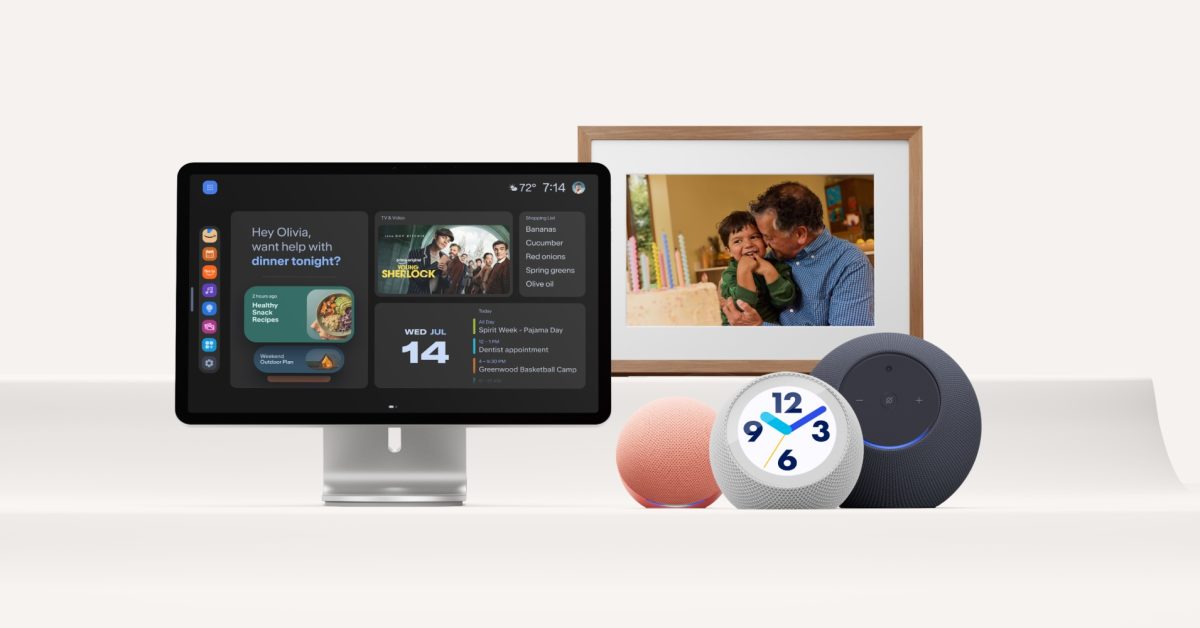
This new generation of devices is built around the concept of Alexa+, a technology designed to provide more fluid, context-aware assistance. The hardware refresh includes five distinct new or updated products: the flagship Echo Show 16, a redesigned Echo Dot, the high-fidelity Echo Studio with Home Camera, the specialized Echo Time smart alarm clock, and the Alexa Photo Frame.
While the new hardware brings advanced features like generative AI interfaces and visual recognition, Amazon noted that consumers may encounter higher entry-level prices. Mashdigi reported that these price adjustments are largely driven by the rising costs of essential memory components.
Why It Matters: From Voice Commands to Ambient Intelligence
The significance of this launch lies in the shift from reactive technology to ambient intelligence. Historically, smart home users had to initiate every interaction with a wake word. The new Amazon Alexa hardware aims to change this by using sensors to understand the context of a room without constant verbal prompting.
By integrating the AZ3 custom silicon chip, Amazon is attempting to solve two of the biggest hurdles in the smart home industry: latency and privacy. Local processing on the device reduces the time it takes for Alexa to respond and minimizes the amount of data that must be sent to the cloud. Furthermore, by adopting universal protocols like Matter, Thread, and Zigbee, Amazon is addressing the long-standing issue of fragmentation, allowing their devices to act as a unified command center for hardware from various manufacturers.
Detailed Product Analysis: The New Alexa+ Ecosystem
The Echo Show 16: A Flagship Command Center
The Echo Show 16 serves as the centerpiece of the new collection. Featuring a 16-inch Full High-Definition (FHD) display, the device is designed to function as a family organizer, a smart home dashboard, and a multimedia hub.
According to 9to5Toys, the device is available in two finishes: a “standard vibrant” version and a premium “Nanomatte” version. The Nanomatte option utilizes Corning etched-glass technology to reduce glare to near zero while maintaining high color accuracy. The hardware design has also seen a significant overhaul, with the chassis being 40% thinner than previous models and featuring an anodized aluminum frame.
Beyond its visual capabilities, the Echo Show 16 includes a built-in Fire TV experience and a 13MP wide-angle camera. Mashdigi noted that the device’s camera doubles its “Visual ID” range from 8 feet to 17 feet. Pricing for the Echo Show 16 varies by retailer and model; while Amazon listed the device at $499.99, other reports indicate a base price of $400 with pre-order discounts available, and a premium Nanomatte version priced at $570.
The Next-Generation Echo Dot: Connectivity and Local AI
The updated Echo Dot has evolved from a simple entry-level speaker into a sophisticated smart home controller. The most critical upgrade is the inclusion of the AZ3 on-device AI chip, which facilitates faster, more natural local voice processing and improves the accuracy of “Voice ID” recognition.
In addition to its intelligence upgrades, the Echo Dot now serves as a robust smart home hub, supporting Zigbee, Matter, and Thread. For users within the Amazon ecosystem, it also functions as an eero Wi-Fi mesh extender, capable of adding up to 1,000 square feet of coverage.
Amazon claims the new Dot provides a 50% improvement in bass performance due to a new full-range driver and a larger rear chamber. The device is available in several colors, including Glacier White, Charcoal, Agave Green, and Coral, with a standard price of $99.99 and a Kids Edition available for $110.
The Echo Studio: Merging High-Fidelity Audio with Visual Intelligence
Amazon’s most advanced speaker, the Echo Studio with Home Camera, is designed to bridge the gap between audiophiles and smart home enthusiasts. While it retains its high-excursion woofer and three mid-range drivers with Dolby Atmos support, it now includes a high-definition camera for “visual intelligence.”
This camera allows the device to perform tasks that were previously impossible for a speaker. For example, Amazon stated that the Alexa+ Visual Assistant can recognize a cereal box to suggest a reorder or interpret the state of a board game like Monopoly to explain the rules. Users can also use the “Live View” feature in the Alexa app to monitor pets or home security. The device also features “Adaptive Volume,” which uses sensors to detect a user’s position and adjust the audio output dynamically.
The Echo Time: Prioritizing Privacy in the Bedroom
Recognizing that the bedroom requires a different approach to technology, Amazon introduced the Echo Time. This smart alarm clock is designed with a “privacy-first” philosophy, notably containing no camera.
The device utilizes ultrasonic breathing detection along with room temperature and occupancy sensors to track sleep cycles without the need for a wearable device. A key feature is the “smart wake-up” function, which can trigger an alarm within a 10-to-60-minute window when it detects the user is in a lighter phase of sleep, aiming to make the morning less jarring.
The Echo Time features a 3.2-inch circular touchscreen and can mimic sunrise lighting to ease users awake. It is priced at $200 for the standard model and $210 for the Kids version.
The Alexa Photo Frame: Digital Memories as Decor
Amazon has also entered the digital display market with the Alexa Photo Frame. This 10-inch HD touchscreen device is specifically calibrated for sharing photos, featuring a semi-matte, anti-glare display that mimics the look of a physical photograph rather than a laptop screen.
Integration with Amazon Photos is a primary selling point; Prime members benefit from unlimited storage, allowing images to sync automatically. The device also features intelligent photo selection via Alexa+, which can choose photos based on the season, lighting, or whether people are smiling, while automatically skipping screenshots and receipts. The frame starts at $199.99 in Black, with Birch or Walnut wood finishes available for $229.
Technical Specifications and Pricing Comparison
| Device | Key Feature | Display/Sensor | Starting Price |
|---|---|---|---|
| Echo Show 16 | Flagship Hub / Fire TV | 16-inch FHD | $400 – $570 |
| Echo Dot | Smart Hub / eero Extender | 4-mic array / AZ3 Chip | $99.99 |
| Echo Studio (Camera) | High-Fidelity / Visual Intel | HD Camera / Dolby Atmos | $250 |
| Echo Time | Smart Alarm / Sleep Sensing | 3.2-inch Touch / Ultrasonic | $200 |
| Alexa Photo Frame | Digital Decor / Photo Sync | 10-inch HD Anti-glare | $199.99 |
What It Means for You
For Smart Home Enthusiasts: The integration of Matter, Thread, and Zigbee into the Echo Dot means you can finally begin to consolidate your various smart devices—regardless of brand—into a single, more stable network. The addition of eero technology in a low-cost device also provides an affordable way to fix “dead zones” in your home Wi-Fi.
For Privacy-Conscious Consumers: The introduction of the camera-free Echo Time is a significant development. If you have previously avoided smart speakers in the bedroom due to security concerns, this device offers the benefits of sleep tracking and smart alarms without the presence of a lens.
For Existing Amazon Prime Members: Much of the value in this new hardware is unlocked through your existing subscriptions. The seamless integration of Amazon Photos with the Photo Frame and the potential for the Alexa Home Map (which may require a Prime or Alexa+ subscription) means that the more you are already in the Amazon ecosystem, the more utility you will derive from these devices.
Counterpoints and Open Questions
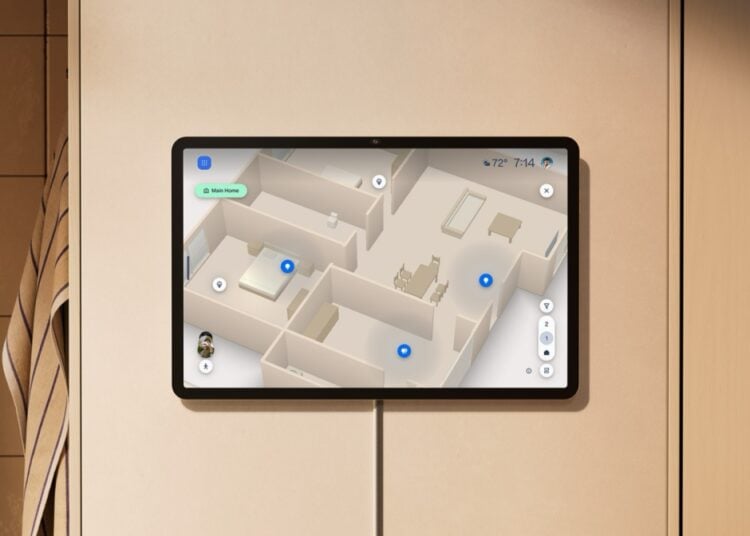
Despite the technological leaps, several concerns remain. The most immediate is the subscription barrier. While the hardware is impressive, many of the most advanced “Alexa+” features, such as the visual floor plan for smart home control, may be locked behind recurring monthly fees. This could lead to “subscription fatigue” among consumers who are already paying for Prime.
There is also the question of data privacy regarding the new visual intelligence features. While the Echo Time avoids cameras, the Echo Studio and Echo Show 16 rely heavily on them to function. As these devices begin to “see” and “understand” the objects in a home—from cereal boxes to board games—the amount of visual data being processed, even if partially handled locally via the AZ3 chip, remains a point of scrutiny for privacy advocates.
Finally, the rising cost of entry is a notable risk. With the Echo Dot increasing to $100, Amazon may face stiffer competition from budget-friendly smart home providers who do not include high-end features like custom AI silicon or mesh networking.

What Happens Next
As the new Amazon Alexa hardware rolls out, industry analysts will be watching the adoption rates of the Alexa+ subscription model. The success of this launch depends heavily on whether consumers view the added visual and spatial intelligence as a necessity or a luxury.
Key indicators to watch in the coming months include:
Frequently Asked Questions
Does the new Echo Time have a camera?
No. According to Amazon and reports from Mashdigi, the Echo Time was designed specifically for the bedroom with a “privacy-first” philosophy and does not include a camera. It uses ultrasonic breathing detection and other sensors to track sleep instead.
How does the Echo Dot help with my Wi-Fi?
The next-generation Echo Dot includes built-in eero technology, allowing it to act as a Wi-Fi mesh extender. Amazon states this can add up to 1,000 square feet of wireless coverage to your existing home network.
What is the difference between the standard Echo Show 16 and the Nanomatte version?
The primary difference is the display technology. The premium Nanomatte version uses Corning etched-glass technology to significantly reduce screen glare, making it easier to view in bright rooms. It also carries a higher price point, reported to be around $570.
Can the Echo Studio recognize objects?
Yes. Through its integrated high-definition camera and the Alexa+ Visual Assistant, the Echo Studio can identify physical objects. For example, it can recognize when a cereal box is low and suggest reordering it via Amazon.
Amazon’s latest hardware release marks a definitive move toward an era of ambient, multimodal computing
References
Featured image: Image via mashdigi-科技、新品、趣聞、趨勢