The DRC Ebola outbreak has officially expanded into an eighth province, signaling a dangerous geographic shift in what has become the deadliest viral event in the history of the Democratic Republic of the Congo.
Key Takeaways
- Geographic Expansion: The outbreak has reached Nord-Ubangi province, a critical new area bordering the Central African Republic.
- Unprecedented Scale: Authorities have recorded at least 9,400 cases and over 4,500 deaths since the outbreak was declared in mid-May 2026.
- Deadly Strain: The current crisis is driven by the Bundibugyo virus, a rare strain for which there is currently no approved vaccine or specific therapeutic treatment.
- Regional Risk: While Uganda has declared itself free of the disease, Kenya has now recorded its eighth confirmed case, highlighting the risk of cross-border transmission.
- Containment Hurdles: Efforts to stop the spread are being hampered by armed violence, poor infrastructure, and widespread community mistrust.
- Human-to-Human Contact: Transmission occurs through direct contact with the blood, secretions, organs, or other bodily fluids of infected or deceased people.
- Contaminated Objects: The virus can survive on surfaces, meaning contact with items such as clothing, bedding, needles, or medical equipment used by an infected person can lead to infection.
- Animal-to-Human Contact: Initial spillover often occurs through contact with infected animals, particularly bats and nonhuman primates.
- High fever and severe headache
- Muscle pain and physical weakness
- Gastrointestinal distress, including vomiting, diarrhea, and stomach pain
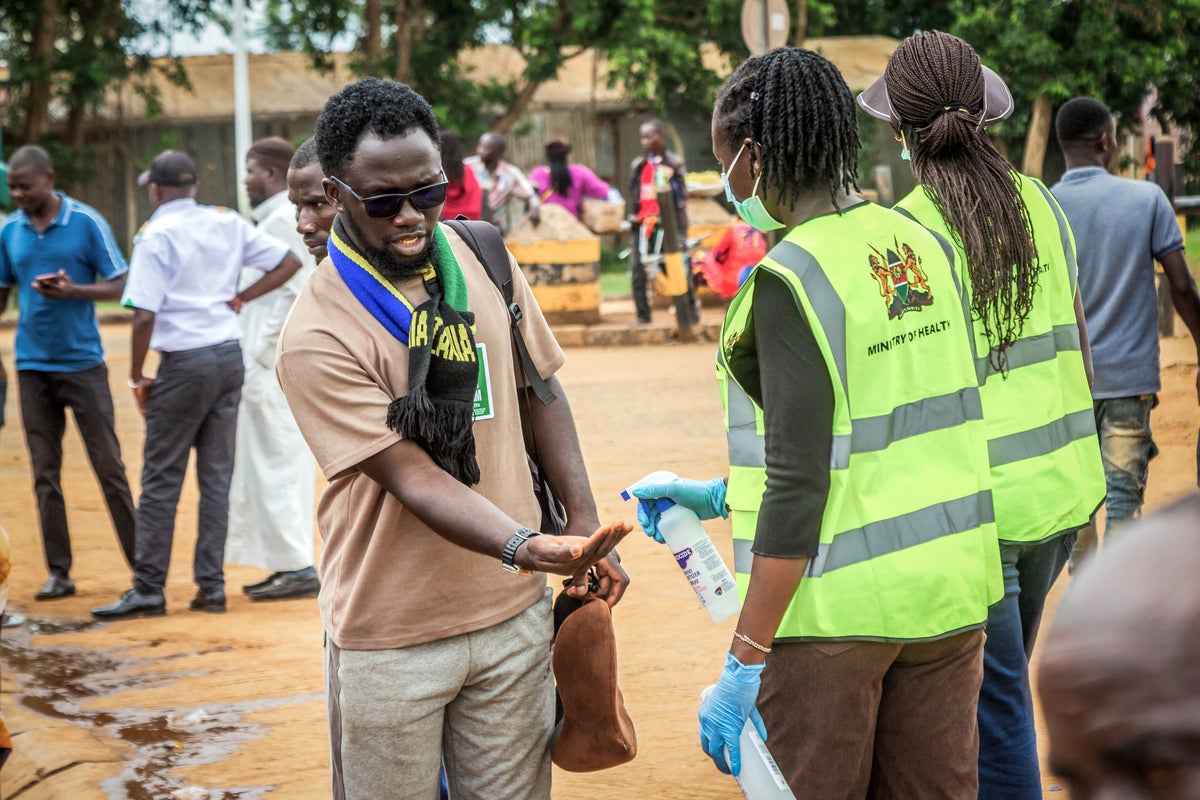
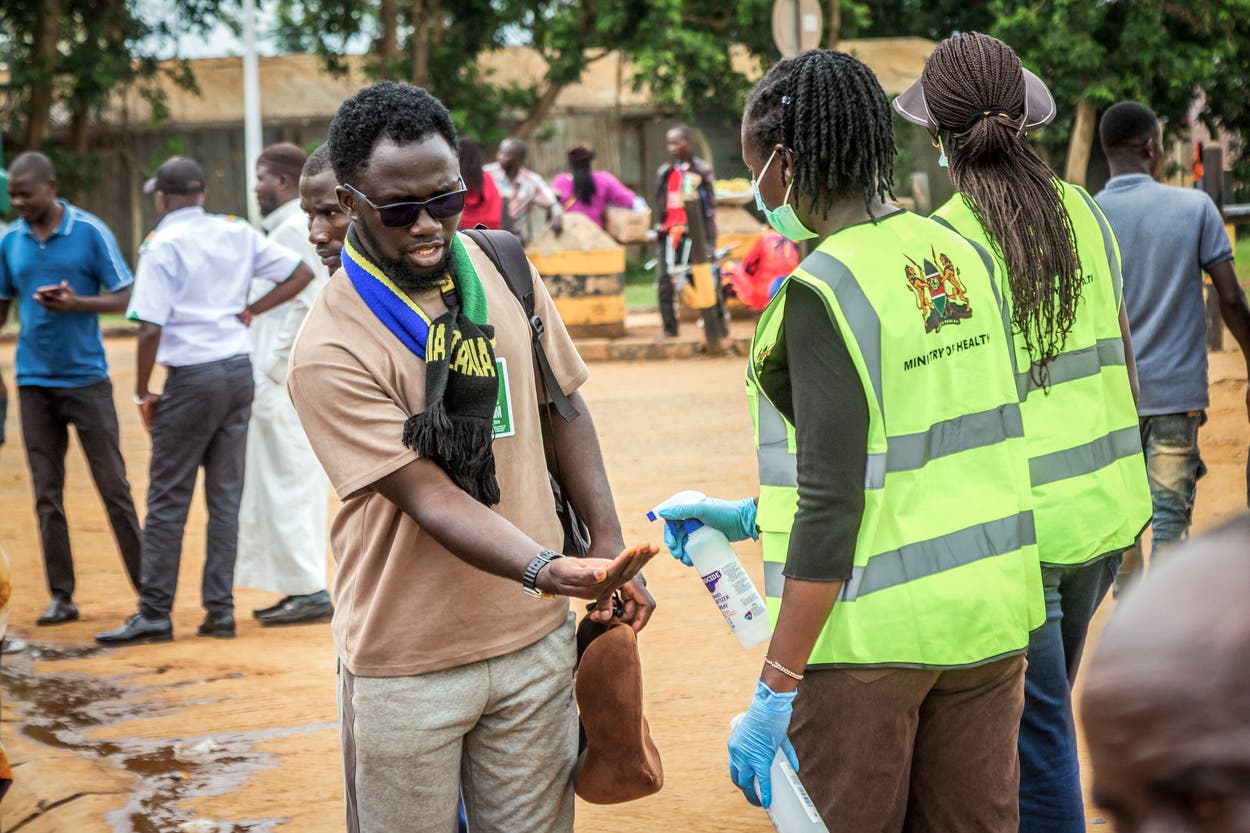
- Kenya: Has recorded its eighth confirmed case as of Sunday, prompting increased temperature screenings at border crossings like Busia.
- Uganda: Has previously recorded cases but has since declared itself free of the disease.
- Central African Republic (CAR): While currently reporting no confirmed cases, its border with Nord-Ubangi is considered a high-risk zone due to the influx of refugees fleeing violence in CAR.
- Effectiveness of Restrictions: Will the one-week ban on movement from Ituri to North Kivu actually slow the spread, or will it simply drive movement underground, making it harder to track?
- The Role of Mining: How can health authorities effectively manage outbreaks in mobile mining populations without disrupting the local economy or facing further resistance?
- Vaccine Development: With the Bundibugyo strain lacking an approved vaccine, is the international community doing enough to fast-track research into specific therapeutics for this rare variant?
- Community Engagement: Can health organizations move beyond “convincing” people to seek help and instead build genuine, long-term trust within these skeptical communities?
- Monitoring Nord-Ubangi: The primary focus will be whether the two new cases in the Wapinda health zone lead to a wider cluster in the province.
- North Kivu Restrictions: The implementation and enforcement of the travel ban and the suspension of public gatherings in North Kivu starting this Monday will be a major test of local authority.
- Cross-Border Surveillance: Increased screening at the Kenya-Uganda and DRC-CAR borders will be critical in preventing the virus from becoming a broader regional epidemic.
- Frontline Vaccination: The success of the vaccination campaigns for healthcare workers in North Kivu will determine if the medical response itself can be sustained without high rates of occupational infection.
- www.independent.co.uk
- www.nbcnews.com
What Happened
On Sunday, the DRC health Ministry confirmed that the ebola outbreak has moved into Nord-Ubangi province in the north of the country. This expansion marks the eighth province to be affected by the current surge. The ministry reported two new cases in the Wapinda health zone, both of whom were men in their 20s. Tragically, one of these individuals has already died.
The Wapinda health zone is a sensitive location due to its proximity to Bas-Uele province, where Ebola cases had been previously reported, and its border with the Central African Republic (CAR). The rapid movement of the virus into this region underscores the difficulty health officials face in maintaining containment as the disease moves into more remote, less accessible territories.
Since the outbreak was officially declared in mid-May 2026, the scale of the epidemic has grown to staggering proportions. According to official data, the country has seen at least 9,400 confirmed cases, with a mortality rate that has claimed more than 4,500 lives. This makes the current event the most lethal Ebola outbreak ever recorded in the Democratic Republic of the Congo.

Why It Matters
The significance of this expansion lies not just in the rising numbers, but in the changing pattern of the disease. Mohamed Yakub Janabi, the World Health Organization (WHO) Regional Director for Africa, provided critical context during an interview with The Associated Press in Beni, eastern Congo. He noted that while certain localized “pockets” of the disease appear to be declining, the virus is geographically spreading out.
This “spreading out” effect is particularly concerning because it moves the virus into regions with even more limited medical infrastructure and harder-to-reach populations. The expansion into Nord-Ubangi brings the virus closer to the Central African Republic, a nation already struggling with recurring armed violence that has displaced thousands of people into Congolese border communities. These mass movements of people create high-risk environments for rapid, undetected transmission.
Furthermore, the involvement of the Bundibugyo virus adds a layer of clinical complexity. Unlike other more common Ebola strains, the Bundibugyo strain lacks a dedicated vaccine or targeted drug therapy. This means that medical teams are largely reliant on early supportive care—such as rehydration and symptom management—to improve survival rates, rather than being able to proactively immunize populations or provide a direct cure.
The Bundibugyo Virus: A Clinical Profile
To understand the severity of the current DRC Ebola outbreak, it is necessary to examine the specific characteristics of the Bundibugyo virus. This strain is less common than the Zaire ebolavirus, but it presents significant challenges to public health officials.
Transmission Vectors
The virus spreads through several primary channels:
Symptoms and Progression
Patients typically present with a sudden onset of symptoms that can progress rapidly. Early signs include:
In more advanced stages of the disease, patients may experience unexplained bleeding or bruising, which is a hallmark of many Ebola virus infections. Because the symptoms can mimic other tropical diseases, early diagnosis remains a significant hurdle in remote regions.
Historical Context of the Bundibugyo Strain
The current crisis is not the first time the Bundibugyo virus has emerged. While it is a rare strain, its history shows a pattern of localized but intense outbreaks. Understanding these past events helps provide a baseline for the current scale of the 2026 epidemic.
| Outbreak Period | Location | Confirmed Cases | Confirmed Deaths |
|---|---|---|---|
| 2007–2008 | Bundibugyo district, Uganda | 149 | 37 |
| 2012 | Isiro, Congo | 57 | 29 |
| 2026 (Current) | Various provinces, DRC | 9,400+ | 4,500+ |
As the table illustrates, the current outbreak in the DRC is exponentially larger than previous occurrences of the Bundibugyo strain, both in terms of total infections and total fatalities.
Geographic Expansion and the Ituri Epicenter
While the news of the Nord-Ubangi cases is significant, the heart of the epidemic remains in the Ituri province in eastern Congo. According to the most recent government data, Ituri remains the epicenter of the outbreak, accounting for nearly 75% of all confirmed cases.
Since the outbreak began, a total of 66 health zones across the country have been affected. The movement of the virus from the Ituri epicenter toward the north and west suggests a highly mobile population or a failure in current containment perimeters.
Regional Impact and Border Risks
The virus is not staying confined within the borders of the DRC. The regional impact has already been felt in neighboring countries:
Socio-Political Barriers to Containment
Containment efforts are facing a “perfect storm” of logistical, security, and social challenges. Epidemiologists and field workers report that the spread of the virus is being fueled by a combination of factors that make traditional public health interventions difficult to implement.
Infrastructure and Security
In many of the affected provinces, such as Bas-Uele and Nord-Ubangi, the physical landscape presents a massive barrier. Poor road networks and limited communication networks mean that medical teams often struggle to reach symptomatic individuals in time, and the movement of supplies is frequently delayed.
Compounding this is the issue of armed violence. In regions bordering the Central African Republic, recurring conflict has forced thousands of people to flee their homes. These displaced populations often move into Congolese border communities without medical screening, potentially carrying the virus with them.
The Challenge of Mistrust
Perhaps the most difficult barrier to overcome is the human element: mistrust of health authorities. Serge Ngalebato, an epidemiologist and field coordinator for the Wamba health zone in Haut-Uele province, has observed this firsthand. He noted that in his zone, health workers had to introduce periodic home visits because many residents were simply too afraid to visit a hospital.
Ngalebato explained that while resistance was initially high, the community has slowly begun to cooperate as they see the reality of the disease. However, he emphasized a critical truth: “Ebola is a community disease. If the community does not cooperate, it will be very difficult.”
This mistrust is often exacerbated by the working conditions of frontline workers and the presence of large-scale economic activities, such as mining. Ngalebato pointed out that many cases are reported around mining areas, where the population is highly mobile and constantly moving, making contact tracing and isolation nearly impossible.
What It Means for You
The ongoing DRC Ebola outbreak has different implications depending on your proximity to the affected regions and your role in society.
For Residents in Affected Provinces
If you are living in Ituri, North Kivu, Bas-Uele, or Nord-Ubangi, the risk of exposure is high. It is vital to avoid contact with the bodily fluids of anyone showing symptoms of fever or gastrointestinal distress. If you or a family member becomes ill, seek medical assistance immediately, despite any fears regarding hospitals. Early supportive care is the most effective way to increase the chances of survival.
For Travelers and Commuters
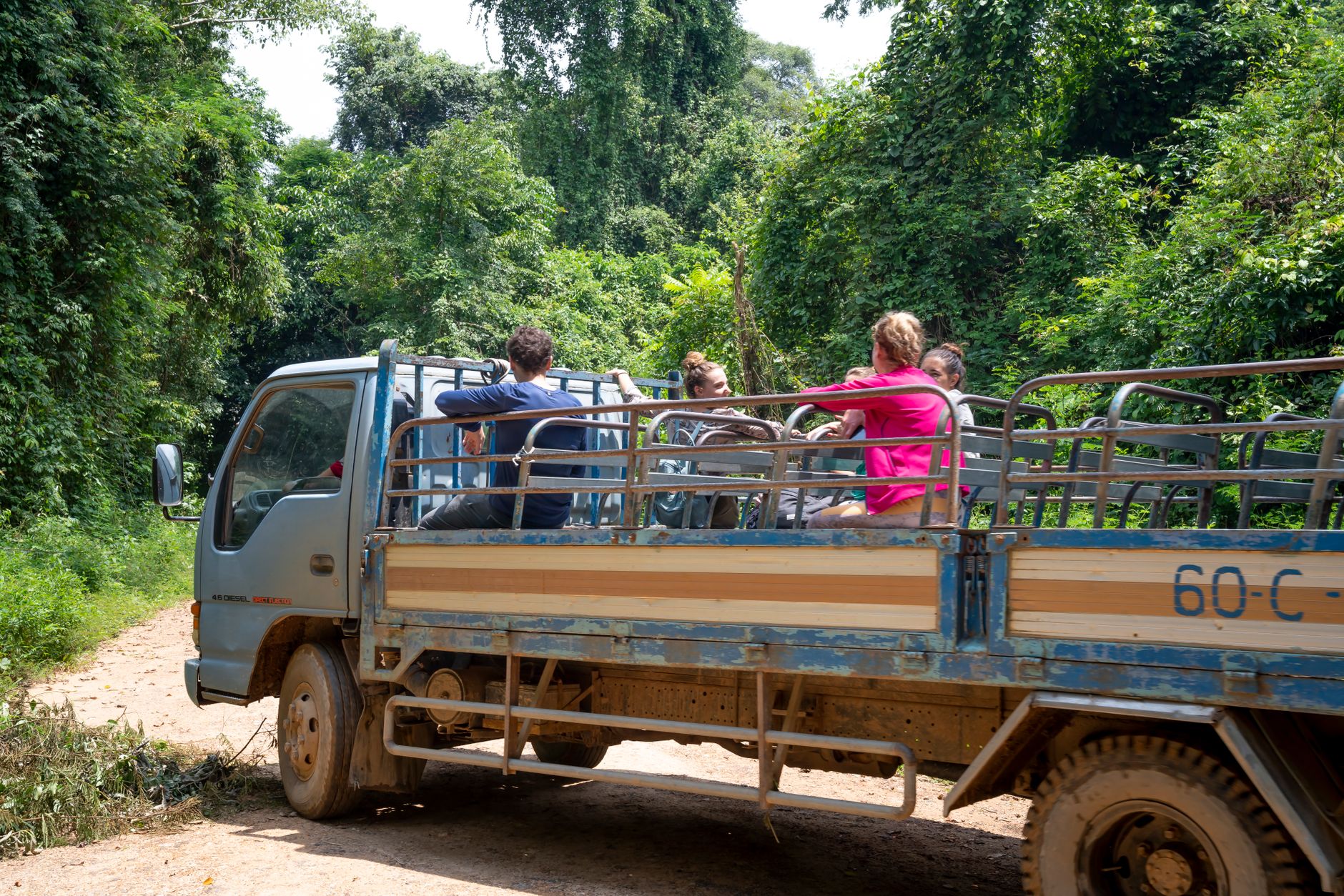
Travelers should be aware of new movement restrictions. In North Kivu, authorities are introducing a one-week ban on people entering the province from Ituri to slow transmission. Additionally, new regulations may limit the number of passengers allowed in vehicles (no more than four in a car or two on a motorcycle) and may result in the suspension of large public gatherings, including sporting events and political demonstrations.
For Healthcare and Humanitarian Workers
Frontline workers are at extreme occupational risk. In North Kivu, vaccination efforts have been intensified specifically for healthcare workers and humanitarian responders to prevent accidental exposure. Adherence to strict personal protective equipment (PPE) protocols and rigorous hygiene standards is mandatory.
Counterpoints and Open Questions
While the government and the WHO are working to contain the virus, several questions and risks remain unaddressed:
What Happens Next
As the outbreak enters a new phase of geographic expansion, several key developments will serve as indicators of whether containment is succeeding:
Frequently Asked Questions
How is the Ebola virus transmitted?
The virus is primarily transmitted through direct contact with the blood, secretions, or other bodily fluids of an infected person or someone who has died from the disease. It can also be spread through contact with contaminated surfaces, such as clothing or bedding, and through contact with infected animals like bats or primates.
Is there a vaccine for the Bundibugyo strain?
Currently, there is no approved vaccine specifically for the Bundibugyo strain of the Ebola virus. While vaccines exist for other strains (like the Zaire strain), the medical response for Bundibugyo relies heavily on early supportive care, such as rehydration and managing symptoms, to help the body fight the infection.
What are the most common symptoms of Ebola?
Common symptoms include sudden fever, intense headache, muscle and body aches, and extreme weakness. As the disease progresses, patients often experience gastrointestinal issues such as vomiting and diarrhea, and in some cases, unexplained bleeding or bruising.
Why is the outbreak spreading if some areas are seeing fewer cases?
The outbreak is seeing a “geographic spread” even if some specific “pockets” are declining. This means that while the virus might be dying out in one specific village or health zone, it is simultaneously moving into new, previously unaffected areas like Nord-Ubangi, often driven by population movements, mining activities, and regional instability.
As the DRC Ebola outbreak continues to move into new provinces, the focus of the global health community remains on balancing aggressive containment measures with the need to build trust within the communities most affected by this deadly virus.
References
Featured image: Image via The Independent