The Musk content-push/” title=”Apple Product Launches: A Massive Hardware and Content Push”>documentary tiktok ban has ignited a fierce debate over digital censorship and the power of social media platforms to influence the reach of investigative journalism. On a recent Friday afternoon, the distributor of the new Alex Gibney documentary centered on Elon Musk, Bleecker Street, was informed by TikTok representatives that its advertising account would face a “permanent suspension.” This move, which prevents the studio from using paid tools to promote the film, comes at a critical juncture as the documentary expands its theatrical presence across more than 470 screens in North America.
Key Takeaways
- Permanent Ad Suspension: TikTok has banned Bleecker Street from purchasing ads or boosting content related to the new Elon Musk documentary.
- Policy Conflict: TikTok cited a “repeated pattern of political content” and “political-policy violations” as the reason for the crackdown.
- Marketing Impact: The ban occurs during the film’s critical theatrical expansion, potentially limiting its visibility to millions of potential viewers.
- Platform Disparity: While TikTok has blocked the ads, competitors like Meta and Google/YouTube have permitted the film’s trailer to be promoted.
- Thematic Irony: The ban highlights the tension surrounding Musk’s acquisition of X (formerly Twitter) to control the “digital public square.”
- Ongoing Appeal: Bleecker Street is currently appealing the decision, though the timing may impact the film’s opening window.
- The Appeal Process: The outcome of Bleecker Street’s appeal to TikTok will be a critical signal. A reversal would be a significant win for the distributor, while a denial could solidify the ban.
- Theatrical Performance: Observers will be watching the film’s box office numbers as it expands to its 470+ screens. Will the organic buzz be enough to overcome the loss of paid TikTok advertising?
- Regulatory Scrutiny: This incident may add fuel to ongoing discussions in Washington, D.C., regarding the power of social media platforms to moderate political speech and the potential for algorithmic bias.
- The HBO Release: In 2027, the film is scheduled to move to HBO, which financed the project. The success of its theatrical run will likely influence the scale of its eventual streaming debut.
- www.yahoo.com
- www.hollywoodreporter.com
What Happened: The Suspension of Bleecker Street
According to reports from The Hollywood Reporter, the conflict between TikTok and Bleecker Street escalated rapidly when the distributor was notified of an impending “permanent suspension” regarding any advertising it attempted to purchase on the platform. While the film’s native, unpaid TikTok account remains active—allowing for organic content to be shared—the studio is strictly prohibited from utilizing the “boost” feature, a standard industry mechanism used to drive theatrical attendance.
This decision follows a series of rejections and appeals involving various pieces of promotional material. TikTok officials reportedly pulled the film’s trailer from the platform, stating it would “continue to get pulled” due to its political nature. In another instance, an advertisement featuring a quote from The New Yorker—which suggested Americans should watch the film “like their life depends on it”—was halted by the platform, which classified the content as a “static image.”
Bleecker Street expressed “disappointment” in the timing of the ban. The documentary, a nearly four-hour investigation, had just completed a successful limited release in New York and Los Angeles, grossing $70,000 across only four theaters. As the film moves into a wider release across dozens of cities this weekend, the inability to leverage TikTok’s massive user base for paid promotion represents a significant blow to the campaign’s momentum.
Why the Musk Documentary TikTok Ban Matters
The implications of the Musk documentary TikTok ban extend far beyond a single film’s marketing budget. It touches upon the fundamental question of how much control Big Tech corporations should wield over the dissemination of political and investigative content.
For filmmakers and distributors, the move underscores a growing vulnerability: the reliance on centralized social media platforms for audience engagement. If a platform can unilaterally decide that an investigative documentary is too “political” to be promoted via paid channels, it effectively creates a digital barrier between the creators and the public. This is particularly significant given that the film, directed by Alex Gibney, focuses heavily on Musk’s political activities, including his involvement with DOGE and his influence over digital discourse.
Furthermore, the economic stakes are high. The film is currently in its most vital theatrical window. A spokesperson for Bleecker Street noted that even if an appeal is successful, a reversal might not arrive in time to capitalize on the current surge of interest. In the high-stakes world of film distribution, timing is everything, and the loss of a key promotional tool during an expansion phase can lead to significant revenue loss.
Deep Dive: Content, Controversy, and Content Moderation
To understand why TikTok took such drastic measures, one must look at the specific content that triggered the platform’s automated and manual moderation systems. TikTok officials communicated to Bleecker Street that there was a “level of severity with political-policy violations” and noted that “some violations trigger immediate suspension.”
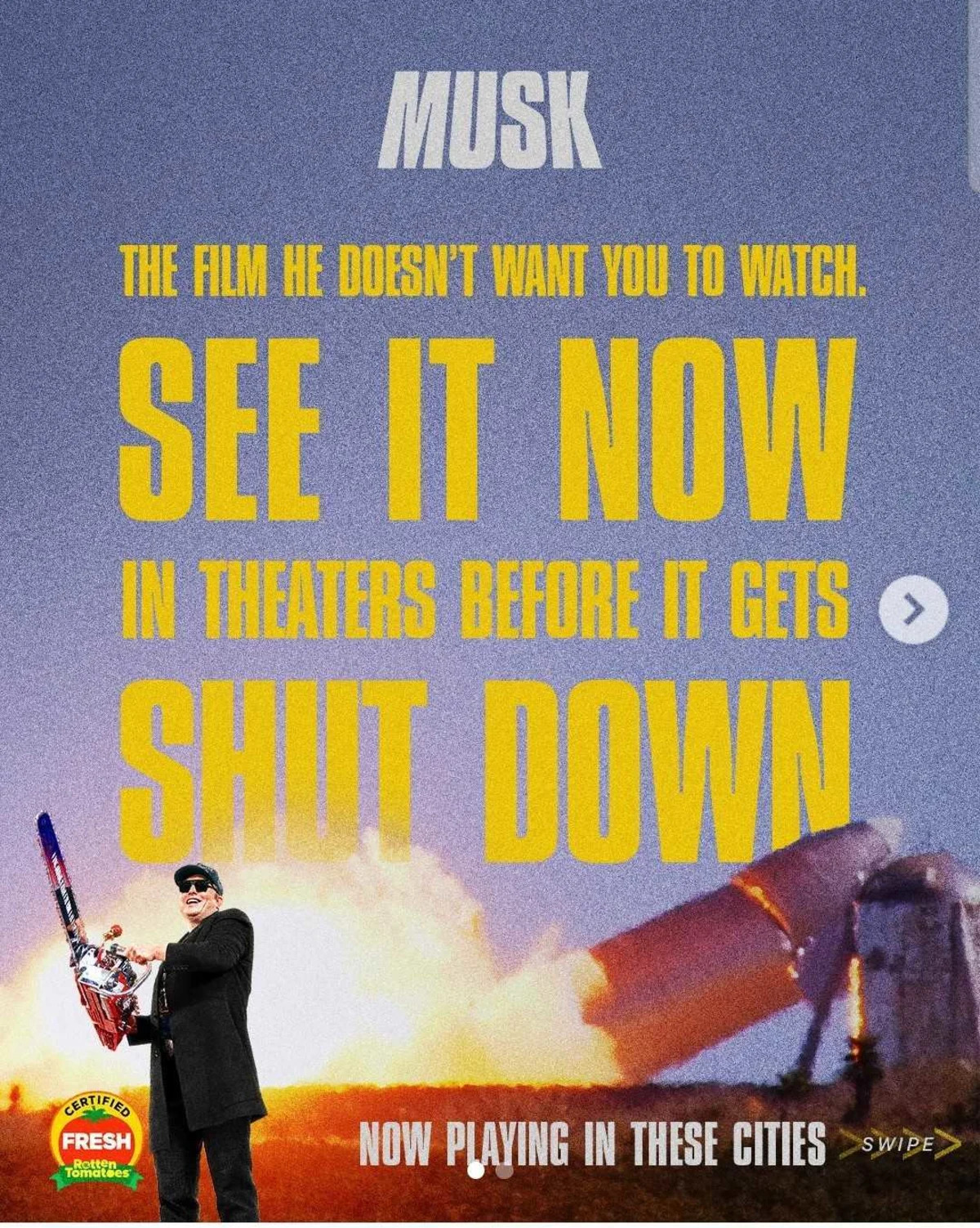
While the specific violations have not been fully disclosed by TikTok, several pieces of “cheeky” or provocative content were identified. One advertisement, designed to engage viewers during the film’s long runtime, included on-screen text suggesting users “chat about a fascist hellscape” or “switch your seats if they are too far to the right.” Another post urged viewers to see the movie “before it gets shut down,” a phrase that carries a heavy weight of irony given the current situation.
Comparison of Platform Responses
The reaction to the documentary has been inconsistent across the major social media giants, creating a fragmented landscape for the film’s promotion.
| Platform | Advertising Status | Reported Stance/Context |
|---|---|---|
| TikTok | Permanently Suspended | Cited “political-policy violations” and “repeated pattern of political content.” |
| Meta | Permitted | Accepted advertising for the film’s trailer. |
| Google/YouTube | Permitted | Accepted advertising for the film’s trailer. |
| X (formerly Twitter) | Refused All Ads | The platform is owned by the film’s subject, Elon Musk. |
The Investigation: Three Years of Scrutiny
Alex Gibney has spent more than three years investigating the various facets of Elon Musk’s empire. The documentary does not merely look at Musk as a businessman; it examines the intersection of his companies—Tesla, SpaceX, and X—with his growing political influence.
One of the film’s most striking segments involves Musk’s acquisition of Twitter. Gibney suggests that the acquisition was driven by a desire to control the “digital public square,” a theme that takes on a new layer of complexity when viewed through the lens of TikTok’s refusal to host the film’s advertisements. The documentary also explores the financial connections between tech titans, including a moment where a text from Larry Ellison—a partial owner of TikTok—is shown, offering to help finance Musk’s acquisition of Twitter.
What It Means for You
Depending on who you are, the Musk documentary TikTok ban carries different implications:
For Filmmakers and Journalists
If you are producing investigative content that challenges powerful figures or explores sensitive political themes, expect increased scrutiny from platform moderators. The ability to “boost” content is a primary tool for modern distribution, and the loss of this tool can effectively silence a campaign. This incident serves as a warning that “political content” is a broad and often inconsistently applied category in platform policy.
For Consumers and Viewers
If you are a fan of documentary cinema or interested in the political landscape, expect a more fragmented viewing experience. You may find that certain films are highly visible on YouTube or Meta but virtually non-existent on TikTok. This creates “information silos” where the reach of a story is dictated by the moderation policies of the platform you choose to use.
For Investors in Tech and Media
If you are tracking the influence of Big Tech, watch how these content moderation battles play out. The tension between platform owners (like Larry Ellison) and the content they host can create reputational risks and regulatory scrutiny. The intersection of social media ownership and political influence is a growing area of concern for global regulators.
Counterpoints and Open Questions
While Bleecker Street and many media observers view this as a form of Big Tech suppression, there are alternative perspectives to consider.
The Platform Defense: TikTok’s actions, if verified, are consistent with their stated policies regarding political content. Platforms often seek to avoid being perceived as partisan or being used as tools for political campaigning. From TikTok’s perspective, enforcing these rules strictly—even if they appear to target a documentary—is a way to maintain a neutral environment for advertisers and users alike.
The Ambiguity of “Political”: A major open question remains: where does a documentary about a political figure end and “political content” begin? If a film is non-partisan and does not advocate for a candidate, does it still fall under the same restrictions as a campaign ad? The lack of clarity in how platforms define these terms is a significant point of contention.
The Question of Intent: Was the ban a result of automated systems flagging specific keywords (like “fascist”), or was it a manual decision based on the film’s subject matter? Without full transparency from TikTok, the distinction between accidental policy enforcement and intentional suppression remains unconfirmed.
What Happens Next
Several key developments will determine the ultimate impact of the Musk documentary TikTok ban:
Frequently Asked Questions
Why did TikTok ban the ads for the Elon Musk documentary?
TikTok stated that the suspension was due to a “repeated pattern of political content” that violated their internal policies. Specifically, the platform cited a “level of severity with political-policy violations” in the advertisements provided by Bleecker Street. While the exact content of these violations has not been made public, the platform has pulled several ads, including the film’s trailer.
Is the documentary still available to watch?
Yes. Despite the advertising ban on TikTok, the film is currently in its theatrical release phase, expanding across North America to hundreds of screens. It is also scheduled to be released on the streaming platform HBO in 2027.
Who is the director of the film?
The documentary was directed by Alex Gibney, a renowned filmmaker known for his deep-dive investigations into major social and political figures. He spent over three years researching and filming the story of Elon Musk.
Does TikTok own Elon Musk?
No, TikTok has no official affiliation with Elon Musk. However, the film notes that TikTok is partly owned by Larry Ellison, who is featured in the documentary regarding his financial interactions with Musk during the Twitter acquisition.
Closing
The Musk documentary TikTok ban highlights a growing friction point in the digital age: the struggle between investigative media and the platforms that host public discourse. As Bleecker Street fights to restore its advertising capabilities, the industry watches closely to see if the boundaries of “political content” will be redrawn or if the current restrictions will become a permanent hurdle for documentary filmmakers.
References
Featured image: Image via Yahoo Entertainment