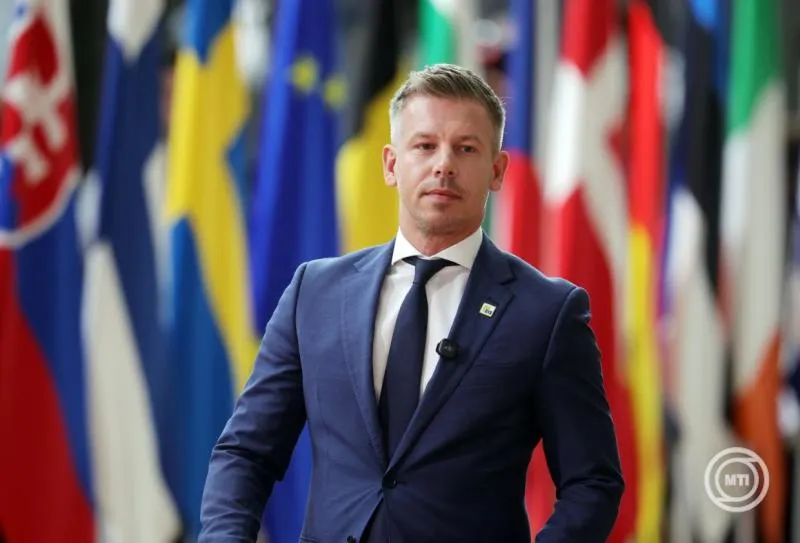
The proposed EU ETS2 carbon tax sparked a three-hour confrontation among european leaders at a Brussels summit on Thursday, exposing deep divisions over the bloc’s climate ambitions and the immediate economic pressures facing its citizens.
Key Takeaways
- Core Conflict: A three-hour dispute erupted at the European Council summit over whether to delay the implementation of the ETS2, a carbon pricing scheme for heating and transport.
- The Delay Coalition: A growing group of nations, led by Italy and Poland, is demanding the scheme be postponed from its scheduled 2028 start until at least 2030.
- The Opposition: Major powers, including Germany, France, the Netherlands, and several Nordic countries, are firmly resisting any changes to the current legislative timeline.
- Political Stakes: The debate is being fueled by the rise of far-right political movements, such as Germany’s AfD and France’s National Rally, which frame carbon pricing as a burden on working households.
- Upcoming Milestones: The European Commission is set to conduct a critical review of the existing Emissions Trading System (ETS) this coming July.
- The Original ETS: This system places a price on carbon emissions from heavy industry and power plants. It is a mature policy tool that is currently being debated for reform in the European Parliament and the Council of the EU.
- The ETS2: This is the newer, more controversial extension that targets the “decentralized” sectors: transport and building heating. Because these sectors are directly tied to everyday consumer costs—such as the price of petrol and home heating oil—the ETS2 is far more politically sensitive than the industrial ETS.
- Will the Commission compromise? While the current push for a 2030 delay was rejected, it is unknown if the European Commission will offer a middle-ground solution during its July review.
- How will the “Gang of 16” react to rejection? The growing number of dissenting nations suggests that the current consensus is fragile. Will these countries seek to block other EU initiatives in retaliation?
- Can the mainstream leaders hold the line? With far-right parties gaining ground, can Macron and Merz maintain their climate commitments without risking massive domestic political backlash?
- July 2026: The European Commission is scheduled to conduct a formal review of the existing Emissions Trading System. This will be a pivotal moment for determining if carbon restrictions will be softened to assist industry.
- 2027: The French presidential election will serve as a massive litmus test for how much support climate-related taxes have among the European electorate.
- 2028: The current scheduled implementation date for the ETS2. Any movement on this date will require significant legislative maneuvering within the European Parliament and the Council of the EU.
- dailynewshungary.com
- www.politico.eu
What Happened: A Summit Sidetracked by Carbon Pricing
The European Council summit in Brussels, which was originally convened to address the continent’s soaring energy prices, quickly pivoted into a high-stakes battle over the future of European climate policy. What was intended to be a strategic discussion on economic stability descended into a protracted three-hour argument regarding the EU ETS2 carbon tax.
According to reports from POLITICO, the intensity of the debate was so significant that it disrupted the summit’s schedule, pushing the scheduled lunch—which reportedly included roast veal and fig tartlets—well into the afternoon. The primary point of contention is the Emissions Trading System 2 (ETS2), an already-legislated law designed to impose a carbon price on the fuels used for heating buildings and road transport.
Under the current legislative framework, the ETS2 is scheduled to take effect in 2028. However, a vocal coalition of member states has emerged to challenge this timeline. Italy, Poland, Czechia, and Hungary have formally called for the implementation to be delayed by at least two years. Taking an even more radical stance, Estonia suggested that the measure should be scrapped entirely rather than merely postponed.
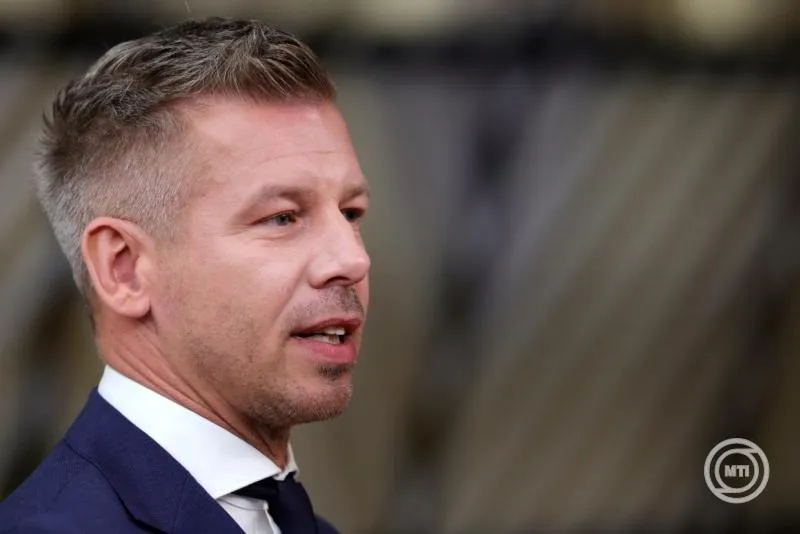
While the push for a delay was rejected by a majority of the bloc, the friction revealed a widening rift between the EU’s long-term green objectives and the immediate economic survival of its member states. Several EU diplomats, speaking to POLITICO on the condition of anonymity, described the proposal to delay the tax as “unacceptable,” with one official stating that the ETS2 launch date would never be changed.
Why It Matters: The High Cost of Green Transition
The dispute over the EU ETS2 carbon tax is not merely a bureaucratic disagreement; it is a fundamental clash over how Europe will manage the transition to a low-carbon economy without triggering social unrest or economic instability.
For many member states, the timing of the ETS2 is viewed as a direct threat to household affordability. The scheme aims to incentivize a shift away from fossil fuels by making them more expensive, but critics argue that in a period of heightened geopolitical uncertainty and high energy costs, this tax will act as a regressive burden on the most vulnerable populations. This concern has been amplified by recent geopolitical tensions, including the conflict involving Iran that began in March, which has contributed to volatility in global energy markets.
The Dual-System Framework
To understand the gravity of the argument, one must distinguish between the two pillars of Europe’s carbon pricing strategy:
Together, these two systems represent the European Union’s most potent weapons in the fight to reduce planet-warming emissions. However, as the coalition of dissenters grows, the effectiveness of these tools is being called into question.
Deep-Dive: The Growing Divide in Europe
The landscape of European politics is shifting, and the carbon tax has become a central battleground for this transformation. What began as a small group of concerned nations has evolved into a significant political bloc.
The Coalition for Delay vs. The Defenders of the Agenda
The disagreement can be categorized into two distinct camps, each with deeply held economic and environmental justifications.
| Feature | Proponents of Postponement | Defenders of the Green Agenda |
|---|---|---|
| Key Nations | Italy, Poland, Czechia, Hungary, Slovakia, Greece, Estonia | Germany, France, Netherlands, Nordic Countries |
| Primary Goal | Delay ETS2 until at least 2030 to protect households | |
| Core Argument | High energy prices and economic instability make a new tax premature | |
| View on ETS2 | A threat to economic protectionism and social stability | |
| Desired Outcome | A “reassessment” and significant delay of implementation | |
| Climate Stance | Prioritize economic relief and energy affordability | |
| Policy Outlook | Seek to weaken or scrap carbon restrictions |
According to recent data, the group of member states expressing concern over the existing Emissions Trading System (ETS) has grown significantly. In March, the group counted 10 countries; by a recent meeting led by Poland, that number had surged to 16. This growth suggests that the opposition to carbon pricing is not a localized issue but a spreading sentiment across the continent.

The Far-Right Factor: Politics as a Catalyst
Perhaps the most significant driver of this debate is the rising influence of far-right political parties. For leaders like French President Emmanuel Macron and German Chancellor Friedrich Merz, the Emissions Trading System has become a political liability.
In Germany, the Alternative für Deutschland (AfD) has seen a surge in popularity, winning the largest share of votes in two regional elections in September. In France, where elections are approaching in 2027, Marine Le Pen’s National Rally is currently leading in the polls. These parties have successfully framed the ETS as a symbol of “detached bureaucracy” that ignores the struggles of the working class.
Jordan Bardella, a rising star in the National Rally, captured this sentiment in the European Parliament this past May, questioning the fundamental fairness of the system: “ETS: three letters, an acronym that reeks of detached bureaucracy, with one question that keeps coming up: who’s going to pay?”
This political pressure creates a difficult dilemma for the European mainstream: maintain the stringent climate policies necessary to meet international targets, or compromise to prevent a total political takeover by anti-EU and anti-climate movements.
What It Means for You
The outcome of the fight over the EU ETS2 carbon tax will have practical, real-world implications for various groups across the continent.
For Households and Consumers
If the current timeline holds, expect to see an increase in the cost of heating and transport fuels starting in 2028. This may necessitate faster investment in heat pumps, electric vehicles, or better home insulation to avoid the higher costs associated with carbon-intensive energy. If the coalition succeeds in delaying the tax until 2030, consumers may see a period of relative price stability, but they may also face higher costs later as the transition is deferred.
For Businesses and Industry
Industrial players are currently watching the European Commission’s upcoming review in July. A weakened ETS could provide more breathing room for companies to invest in cleaner production methods, whereas a strict enforcement of the current rules will require rapid capital expenditure to decarbonize operations. For the transport and construction sectors, the ETS2 represents a significant upcoming regulatory shift that will impact long-term planning and pricing models.
For Voters and Citizens
As the debate intensifies, the carbon tax is likely to remain a central theme in upcoming national and European elections. The tension between “green” policy and “pocketbook” issues will likely define the campaigns of the next several years, influencing which political parties gain traction in the quest for economic stability.
Counterpoints and Open Questions
While the arguments for delaying the tax are centered on economic protectionism, they are not without significant risks. Critics of the delay argue that postponing the ETS2 only kicks the can down the road, potentially making the eventual transition even more expensive and chaotic. There is a risk that delaying the signal for decarbonization will leave European industries less competitive on a global stage where carbon pricing is becoming more common.
Furthermore, several questions remain unanswered:
What Happens Next
Several key dates and developments will serve as indicators of the direction the EU will take regarding the EU ETS2 carbon tax:
Frequently Asked Questions
What is the ETS2?
The ETS2 is a legislative measure designed to extend the EU’s carbon pricing mechanism to sectors that were not covered by the original system. Specifically, it targets carbon emissions from the fuels used for road transport and the heating of buildings. Its goal is to create a financial incentive for users to switch to cleaner energy alternatives.
Why are some countries calling for a delay?
Countries like Italy, Poland, and Hungary argue that the current economic climate—characterized by high energy prices and geopolitical instability—makes the introduction of a new carbon tax on essential services like heating and driving too risky for households and businesses. They are advocating for a postponement until at least 2030 to allow for economic recovery.
Who opposes the delay in the ETS2?
The primary opposition comes from a bloc of nations including Germany, France, the Netherlands, and various Nordic countries. These nations argue that maintaining the current timeline is essential to meeting the EU’s long-term climate commitments and ensuring a predictable transition to a green economy.
How does the ETS2 affect my daily life?
If implemented as planned in 2028, the ETS2 will likely lead to higher costs for carbon-intensive products, such as gasoline, diesel, and natural gas used for home heating. The intent is to make these products more expensive relative to greener alternatives, like electricity from renewable sources, to encourage a shift in consumer behavior.
—
The clash at the Brussels summit underscores a fundamental tension at the heart of the European project: the struggle to balance ambitious environmental leadership with the socio-economic realities of its member states. As the EU ETS2 carbon tax moves closer to its scheduled implementation, the political and economic battle lines are being drawn with increasing clarity.
References
Featured image: Image via DailyNewsHungary