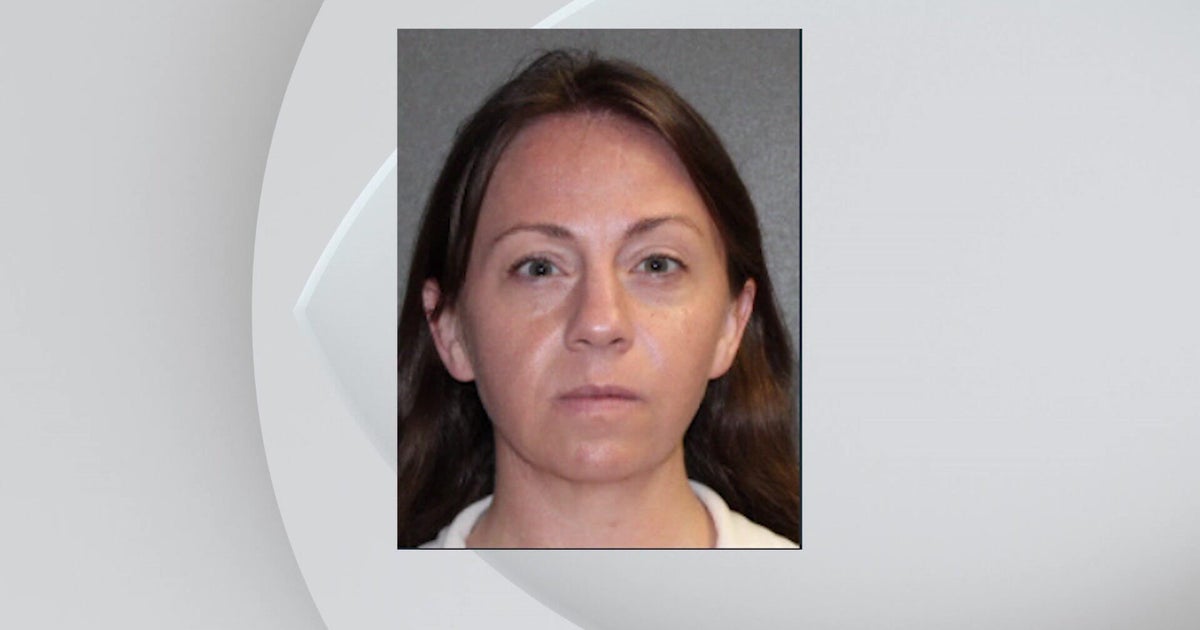
The Amber Guyger parole release occurred on Friday morning, October 16, 2026, marking a significant and controversial turning point in one of Texas’s most high-profile criminal justice cases. After serving seven years of a 10-year sentence, the former dallas police officer was released from the Christina Melton Crain Unit in Gatesville, Texas, following a decision by the Texas Board of Pardons and Paroles.
Key Takeaways
- Early Release: Amber Guyger was released on parole approximately three years earlier than her original sentence expiration date of September 29, 2029.
- Criminal History: Guyger was convicted of the 2018 murder of Botham Jean, a 26-year-old Black accountant, after she mistakenly entered his apartment.
- Strict Supervision: Her release is subject to rigorous parole conditions, including a permanent ban from residing in Dallas County.
- Divided Reactions: While her defense claims she is remorseful and prepared for reentry, the Jean family’s legal counsel has expressed profound disappointment in the decision.
- Professional Limitations: Law enforcement experts suggest Guyger will be effectively barred from any future career in policing within the United States.
- The DPD clarified that they had no role in the parole decision, noting, “Parole decisions are made by the Texas Board of Pardons and Paroles and are outside the authority of the Dallas Police Department.”
- The DPA expressed respect for the jury’s original decision and the subsequent lawful decision of the Parole Board. The DPA president also highlighted the “extraordinary example” of forgiveness provided by Brandt Jean, Botham’s brother, during the original trial.
- If you are a resident of Dallas County: You may see continued discussions in local government and community forums regarding how the city handles high-profile criminal cases and the oversight of law enforcement.
- If you are a legal professional or advocate: This case remains a primary example of the tension between the rehabilitative goals of the parole system and the retributive expectations of the public and victims’ families.
- The Value of Time: Does a 10-year sentence, when reduced by three years through parole, adequately serve the purpose of justice in cases involving the loss of life?
- Systemic Bias: How does the early release of a white officer who killed a Black citizen impact the public’s trust in the impartiality of the Texas parole system?
- Reintegration Success: Can a person convicted of such a high-profile crime truly reintegrate into society without further incident, or do the social stigmas create new risks?
- Compliance with Supervision: Any violation of her geographic or contact restrictions could result in her being returned to prison to serve the remainder of her sentence.
- Employment Stability: Her ability to maintain the job her attorney claims she has secured will be a key metric for the parole board.
- The 2029 Expiration: The final milestone will be September 29, 2029, when her period of legal supervision is scheduled to officially end.
- www.cbsnews.com
- www.nbcnews.com
- spectrumlocalnews.com
- www.theguardian.com
What Happened
On the morning of Friday, October 16, 2026, Amber Guyger, 38, regained her freedom after seven years of incarceration. Her release follows a pivotal decision made by the Texas Board of Pardons and Paroles on October 1, 2026, which granted her parole despite a previous denial in September 2024.
The Board’s decision to approve the Amber Guyger parole release was reportedly based on her “satisfactory institutional adjustment” and her active participation in programs designed to facilitate full-time, stable employment upon her return to society. The Board also noted that she lacked a documented pattern of violent or assaultive convictions during her time in the Texas Department of Criminal Justice (TDCJ) system.
This release marks the end of Guyger’s time in physical custody, but it does not signal the end of her legal obligations. She will remain under strict supervision until her sentence officially expires in 2029. The news has reignited intense debate in Dallas and across the nation regarding the length of sentences for crimes involving police officers and the perceived disparities in how the justice system handles the loss of Black lives.

Why It Matters
The release of a former law enforcement officer convicted of murder is a matter of significant social and legal weight. For the community of Dallas, the case was never just about a single tragic error; it was a flashpoint for discussions on racial bias, excessive force, and the accountability of those sworn to protect the public.
For the Botham Jean family, the parole represents a secondary loss—a sense that the legal system has failed to fully honor the gravity of the life taken. The timing of the release, occurring shortly after the family had celebrated Jean’s birthday, has added a layer of emotional complexity to an already painful development.
Furthermore, the case serves as a case study in the mechanics of the Texas parole system. The transition from a 2024 denial to a 2026 approval highlights how institutional behavior and program completion can shift the trajectory of high-profile inmates, even when public and legal opposition remains steadfast.
The Background: A Timeline of Tragedy and Justice
To understand the implications of the Amber Guyger parole release, one must look back at the sequence of events that transformed a routine police shift into a national tragedy.
| Date | Event | Details |
|---|---|---|
| September 6, 2018 | The Fatal Shooting | Guyger mistakenly enters Botham Jean’s apartment and fatally shoots him. |
| October 1, 2019 | Conviction & Sentencing | Guyger is found guilty of murder and sentenced to 10 years in prison. |
| 2021 | Community Honor | The street where the shooting occurred is renamed Botham Jean Boulevard. |
| September 2024 | First Parole Attempt | Guyger’s initial application for parole is denied by the board. |
| October 1, 2026 | Parole Granted | The Texas Board of Pardons and Paroles approves her release. |
| October 16, 2026 | Release from Prison | Guyger is released from the Christina Melton Crain Unit. |
| September 29, 2029 | Sentence Expiration | The original date Guyger was scheduled to complete her 10-year term. |
The Night of the Incident
On the night of September 6, 2018, Amber Guyger was a four-year veteran of the Dallas Police Department (DPD). Though off-duty, she was in uniform and had mistakenly parked on the wrong floor of the apartment complex where she and Botham Jean both resided.
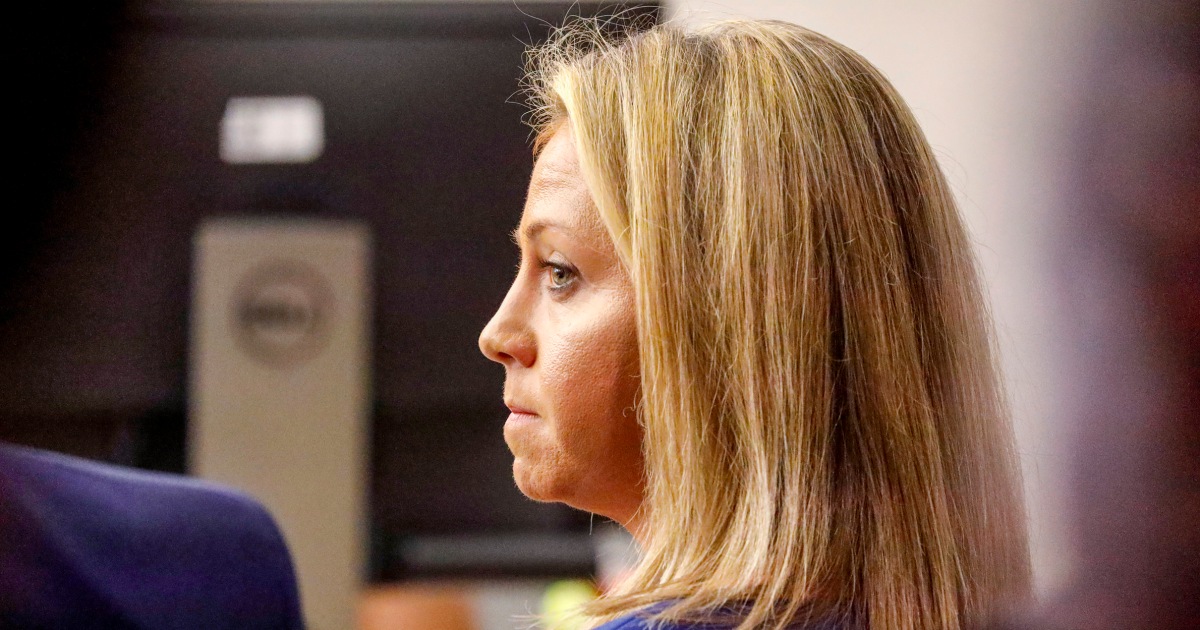
According to Guyger’s testimony during her 2019 trial, she attempted to use her key on what she believed was her own door. When the door pushed open, she mistook Jean—who was in his living room eating ice cream and watching television—for a burglar. Fearing for her life, she fired her weapon, killing the 26-year-old accountant.
Stakeholders and Reactions
The Amber Guyger parole release has drawn sharply contrasting perspectives from the primary figures involved in the case.
The Defense Perspective
Robert L. Rogers, attorney for Guyger, has maintained that his client has used her time in prison for genuine rehabilitation. Following the release, Rogers indicated that Guyger has already secured both housing and employment. “She’s been remorseful. She’s stayed remorseful. She’s still remorseful,” Rogers told WFAA-TV, emphasizing her readiness to become a “productive member of society.”
The Victim’s Family and Legal Counsel
In contrast, Lee Merritt, the attorney who represented the Jean family, expressed deep disappointment. Merritt argued that the early release diminishes the impact of the crime on the victim’s family and the community. “Releasing Ms. Guyger after seven years makes that loss feel even smaller in the eyes of the system. It is not smaller,” Merritt stated via social media.
The Botham Jean family released a statement through the Botham Jean Foundation, requesting privacy as they navigate their grief following the news. They noted that they had recently been celebrating what would have been Jean’s birthday.
Law Enforcement Response
Both the Dallas Police Department and the Dallas Police Association (DPA) have taken stances that emphasize respect for the legal process while acknowledging the pain of the tragedy.
Parole Conditions: What to Expect
Because Guyger is being released before her full 10-year sentence is completed, she is subject to “strict parole supervision” under the Texas Department of Criminal Justice (TDCJ). These conditions are designed to monitor her reintegration and ensure public safety.
| Restriction Type | Specific Condition |
|---|---|
| Geographic | Strictly prohibited from living in Dallas County. |
| Travel | Prohibited from leaving the state of Texas without official approval. |
| Contact | Forbidden from contacting the family of Botham Jean or any members of the Dallas Police Department. |
| Supervision | Mandatory regular check-ins with parole officers and home visits. |
| Employment | Must maintain stable employment as part of her reintegration plan. |
Expert Analysis: The Future for Amber Guyger
Criminologist and law enforcement expert Dr. Alex Del Carmen suggests that Guyger’s reintegration will likely be characterized by a significant withdrawal from public life. According to Dr. Del Carmen, the social and professional consequences of her conviction are permanent.
“It’s hard for them to get a job anywhere else. Especially obviously in law enforcement, there’s no way that she could ever go back, or that any agency in the United States would ever take her,” Dr. Del Carmen noted. He predicted that Guyger will likely relocate to a different area to avoid public attention once her period of court-related supervision concludes.
What It Means for You
For residents of Dallas and the surrounding North Texas area, the release of Amber Guyger may signal a period of renewed community discussion regarding local policing and judicial transparency.
Counterpoints and Open Questions
While the parole board focused on Guyger’s rehabilitation, several critical questions remain unanswered by the legal system:
What Happens Next
Amber Guyger will now enter the community under the watchful eye of parole officers. The following factors will determine the stability of her reentry:
Frequently Asked Questions
Why was Amber Guyger paroled early?
The Texas Board of Pardons and Paroles granted parole based on Guyger’s “satisfactory institutional adjustment” and her completion of job-readiness programs. The Board noted a lack of violent or assaultive behavior during her seven years of incarceration at the Christina Melton Crain Unit.
What are the restrictions on her release?
Guyger is under strict supervision until 2029. She is legally prohibited from living in Dallas County, cannot leave the state of Texas without permission, and is strictly forbidden from contacting the family of Botham Jean or any members of the Dallas Police Department.
What happened during the original trial?
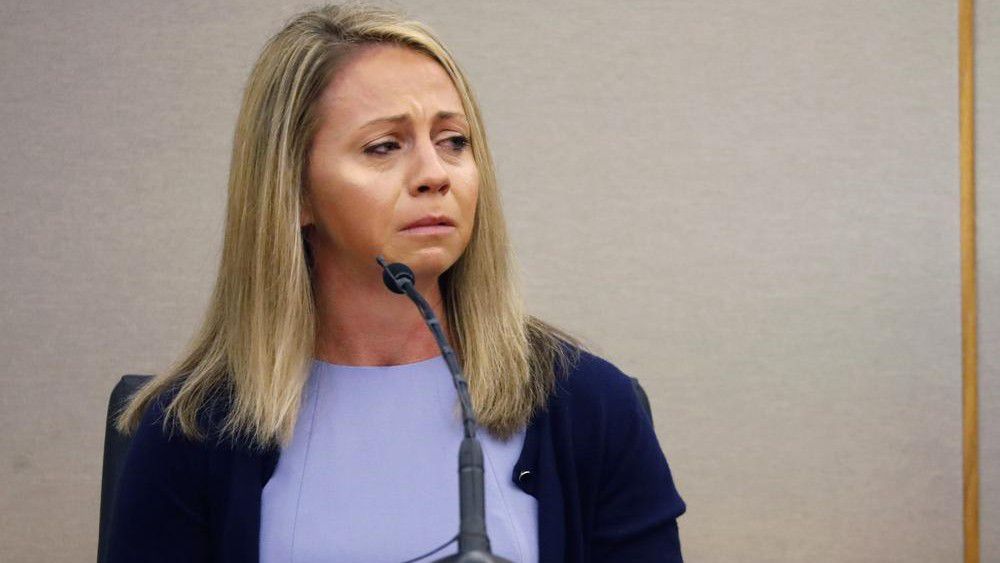
In October 2019, a jury found Guyger guilty of murder. While prosecutors had requested a minimum sentence of 28 years—representing the age Botham Jean would have been at the time of his death—the jury ultimately sentenced her to 10 years in prison.
How has the community responded to her release?
The community response has been deeply divided. While some focus on the legal finality of the parole board’s decision, many others, including the Jean family’s legal counsel, view the release as a minimization of the tragedy and a failure of the justice system to value the life of Botham Jean.
References
Featured image: Image via CBS News