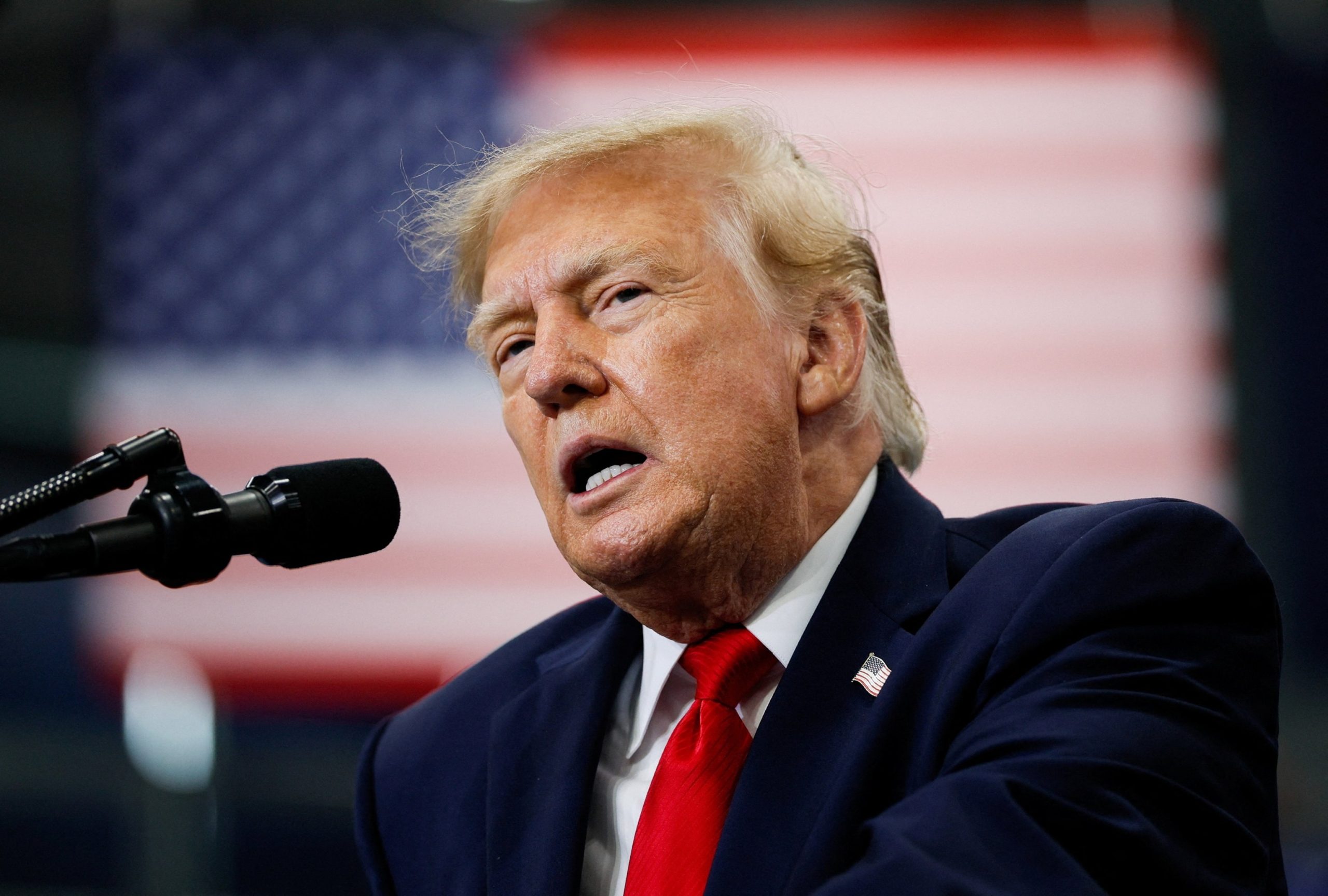
The Trump approval rating has plummeted to a record low of 33 percent, signaling a potentially historic shift in political momentum just weeks before the 2026 midterm elections. According to a recent Washington Post-ABC News-Ipsos poll, this decline comes as voters express deep dissatisfaction with the administration’s handling of the economy and its decision to engage in military conflict with Iran.
Key Takeaways
- Record-Low Approval: President Donald Trump’s approval rating has fallen to 33%, with 66% of U.S. adults expressing disapproval.
- Democratic Momentum: democrats hold a growing lead in the race for control of the House, currently ahead by eight points among likely voters.
- Economic Strain: A pervasive “unaffordability crisis” is driving voter anger, particularly regarding gasoline, groceries, and healthcare.
- Foreign Policy Backlash: A majority of voters (65%) believe the administration’s military action against Iran was a mistake.
- Ethical Concerns: 66% of Americans believe the President is using his office to enrich himself, a record high for the survey series.
- Partisan Shift: For the first time in over a decade, Democrats are seen as more trustworthy than Republicans to manage the economy.
- The Kennedy Center: An estimated 80% of Americans believe it is “inappropriate” for the President to push for his name to be placed on the Kennedy Center in Washington. Within that group, 59% described the move as “completely inappropriate.”
- Government-Funded Advertising: 74% of voters expressed disapproval of the federal government paying for television advertisements that promote the President and his policies. While the administration claimed these were privately funded, the ads frequently included the disclaimer “paid for by the U.S. government,” leading to a federal judge ordering the advertisements to stop.
- Democratic Norms: At least 6 in 10 Americans believe the President is not committed to protecting fundamental principles, including freedom of the press, freedom of speech, free and fair elections, and the authority of the courts or Congress.
- Late-Stage Campaign Spending: Watch how Republican leadership allocates their advertising budget. A continued shift toward protecting candidates in traditionally red districts would indicate a defensive posture.
- Turnout Data from Early Voting: The massive lead Democrats hold in mail-in and early voting will be a critical metric to watch in the days leading up to November 3.
- Economic Data Releases: Any significant shifts in inflation or gasoline prices in the final two weeks could either cement the current Democratic momentum or provide a late-stage opening for the GOP.
- The November 3 Midterm Election: The final verdict on the administration’s policies and the President’s personal standing will be delivered by the voters on Election Day.
- www.ms.now
- abcnews.com
- www.mediaite.com
- www.washingtonpost.com
What Happened: A Midterm Landscape in Flux
As the United States approaches the midterm elections on November 3, 2026, the political environment has shifted dramatically against the Republican Party. Data from a Washington Post-ABC News-Ipsos poll conducted between October 9 and October 13, 2026, reveals a President struggling to maintain even a baseline of support. The poll shows that 66% of U.S. adults disapprove of Trump’s job performance, with 52% stating they “strongly disapprove.”
This is not an isolated finding. An NBC News Decision Desk poll reported a similarly low approval rating of 34%, while Nate Silver’s aggregate tracking of major surveys places the President’s average approval at 37.5%. This downward trend is stark when compared to previous periods; the current 33% approval is four percentage points lower than in July 2026 and eight points lower than at this same time in 2025.

While the President’s personal standing has waned, the Democratic Party is experiencing a significant surge. In the competition for control of the House, Democrats currently hold an eight-point lead among likely voters. This is a substantial improvement from the July poll, which showed a Democratic lead of only three points among registered voters. The shift suggests that the Republican Party is struggling to decouple its congressional candidates from the President’s declining popularity.
Why It Matters: The Drivers of Voter Dissatisfaction
The current political volatility is not occurring in a vacuum. Two primary catalysts appear to be driving the electorate away from the Republican platform: escalating economic pressures and a controversial foreign policy shift.
According to the Washington Post-ABC News-Ipsos data, 71% of Americans believe the country is heading in the wrong direction, a five-point increase since April. This sense of national malaise is closely tied to the “cost of living” crisis. The poll found that 48% of Americans feel they are financially worse off than they were when Trump returned to office in 2025—the highest percentage to report such a decline in any Post-ABC poll since 1986.
Furthermore, the administration’s decision to enter a war with Iran has become a central point of contention. The survey indicates that 65% of respondents view the military action as a mistake, and 68% disapprove of how the President has managed relationships with U.S. allies. This foreign policy shift has had immediate, tangible consequences for the American pocketbook, specifically through the disruption of fuel supplies.
The Unaffordability Crisis: A Deep Dive into Economic Data
Economic sentiment is perhaps the most significant threat to the GOP’s hold on Congress. For the first time in more than a decade, voters are expressing more confidence in Democrats to handle the economy. The Washington Post-ABC News-Ipsos poll notes that Democrats hold double-digit advantages in trust regarding inflation and the cost of living.
To understand the depth of this sentiment, one must look at the specific categories of household spending that Americans now find increasingly out of reach. The following table outlines the shift in perceived affordability across key sectors, comparing current data to the period in February 2026, before the escalation of the Iran conflict.
| Expense Category | Current Unaffordability % | Context/Comparison (Feb 2026) |
|---|---|---|
| Gasoline | 71% | Up from 28% |
| New Cars | 80% | Up from 74% |
| Healthcare | 65% | Up from 56% |
| Dining Out | 61% | Up from 49% |
| Groceries | 60% | Up from 45% |
| Vacations | 69% | Up from 60% |
| Home Energy/Utilities | 57% | Up from 45% |
| Rent/Mortgage | 50% | Up from 37% |

The impact of fuel costs is particularly acute. The national average gas price has exceeded $4 per gallon for a record 158 days in 2026. This has created a ripple effect through various industries. Annie Andrews, a South Carolina Senate Democratic candidate, noted on MS NOW that the rising cost of diesel is “crushing” local industries, specifically shrimpers and fishermen in the Low Country, who are struggling to make ends meet due to the increased overhead of the war-related energy spike.
Governance, Ethics, and the Trump Approval Rating
Beyond policy, the public’s perception of President Trump’s character and his commitment to democratic institutions is undergoing a period of intense scrutiny. A significant portion of the electorate has expressed concern over the intersection of the President’s personal interests and his official duties.
According to the Mediaite report on the survey findings, a record-high 66% of Americans believe that Trump is using the presidency to enrich himself. This sentiment is not confined to one political camp; while 94% of Democrats hold this view, it also extends to 73% of independents and 27% of Republicans.
Specific controversies have fueled these ethical concerns:
These factors contribute to the broader perception that the President is “too extreme,” a sentiment shared by 66% of the population.
Partisan Dynamics: MAGA vs. Non-MAGA Republicans
The Republican Party is currently navigating a complex internal divide that could determine the outcome of the midterms. While the party still maintains a lead in the total amount of money available for political advertising, those resources are increasingly being diverted to defend candidates in traditionally “red” areas—a sign of growing anxiety among GOP strategists.
Polling data reveals a growing rift between different factions of the Republican base. Among Republicans who support the MAGA movement, 75% say they are “certain to vote.” However, that number drops significantly to 57% among non-MAGA Republicans. Notably, more than a quarter of these non-MAGA Republicans indicated they would actually prefer to see Democrats in control of the next Congress.
In contrast, Democratic enthusiasm remains high. Approximately 72% of Democratic likely voters say they are “absolutely certain to vote,” compared to 65% of Republicans. This enthusiasm gap is particularly visible in early voting methods. While Republicans hold an 11-point lead in voters who intend to cast ballots in person on Election Day, Democrats hold massive advantages in other categories, including a 26-point lead in early mail-in/early voting and a 50-point lead in ballot drop-off participation.
What It Means for You
As the election approaches, the implications of these polling trends will be felt differently across various sectors of society:
For Voters
If you are a voter concerned with economic stability or foreign policy, the upcoming midterm elections will likely serve as a referendum on the current administration. The high level of “unaffordability” across categories like groceries and energy suggests that economic relief will be a primary campaign pillar for Democrats, while Republicans will likely focus on defending their record and countering the perceived radicalism of the opposition.
For Investors and Small Businesses
The volatility in energy prices and the ongoing war in Iran suggest continued uncertainty in the commodities and transport sectors. Businesses that rely heavily on diesel and gasoline, such as logistics and local fishing industries, should prepare for continued fluctuations in overhead costs as the political climate remains unsettled.
For Republican Strategists
The data suggests that the “Trump effect” is a double-edged sword. While the MAGA base remains a reliable engine for turnout, the party is facing a significant challenge in attracting independents and non-MAGA Republicans who are increasingly wary of the President’s economic and ethical standing.
Counterpoints and Open Questions
While the current polling suggests a difficult path for the GOP, several factors could complicate these projections.
First, the “somewhat disapprove” segment of the electorate remains a crucial variable. The Washington Post-ABC News-Ipsos poll found that among the 10% of likely voters who said they “somewhat disapprove” of Trump, 58% still prefer the Republican candidate for the House. This suggests a core of voters who are dissatisfied but not yet ready to defect entirely to the Democratic Party.
Second, the question of turnout remains the ultimate unknown. Midterm elections historically see lower turnout than presidential years, and Republicans have traditionally struggled to mobilize their base when Trump is not personally on the ballot. The success of the GOP may depend on whether they can bridge the gap between MAGA supporters and the more moderate, non-MAGA wing of the party.
Finally, the impact of individual Senate and House races cannot be fully captured by national polling. While the generic House question shows a Democratic advantage, the specific dynamics of local districts—especially in swing states—will ultimately decide who holds the gavel in January 2027.
What Happens Next
As the campaign enters its final stretch, several key indicators will signal the direction of the race:
Frequently Asked Questions
What is the current Trump approval rating?
According to the Washington Post-ABC News-Ipsos poll conducted in mid-October 2026, President Trump’s approval rating stands at 33%. This represents a record low for this polling series and is down significantly from 41% in February 2026 and 49% during the 2018 midterm period.
Why are voters dissatisfied with the economy?
Dissatisfaction is driven by a pervasive “unaffordability crisis.” A majority of Americans report that essential costs—including gasoline, groceries, healthcare, and home energy—have become unaffordable. Specifically, the war with Iran has contributed to a spike in fuel prices, with gasoline being cited as unaffordable by 71% of respondents.
How is the Iran war affecting the political landscape?
The decision to engage in military action with Iran has been a major driver of negative sentiment. Approximately 65% of voters believe the decision to go to war was a mistake, and the resulting economic consequences, such as high diesel and gasoline prices, have contributed to the President’s record-low approval ratings.
Who is leading in the race for Congress?
Currently, Democrats hold a significant advantage. The Washington Post-ABC News-Ipsos poll shows Democrats leading by eight points among likely voters in the race for control of the House. This is a notable increase from the three-point Democratic lead reported in July 2026.
The political landscape heading into the 2026 midterms is defined by a President facing record-low approval and a Republican Party struggling to manage economic and foreign policy backlash. As voters weigh the costs of living against the direction of the country, the outcome of the upcoming elections remains highly uncertain.
References
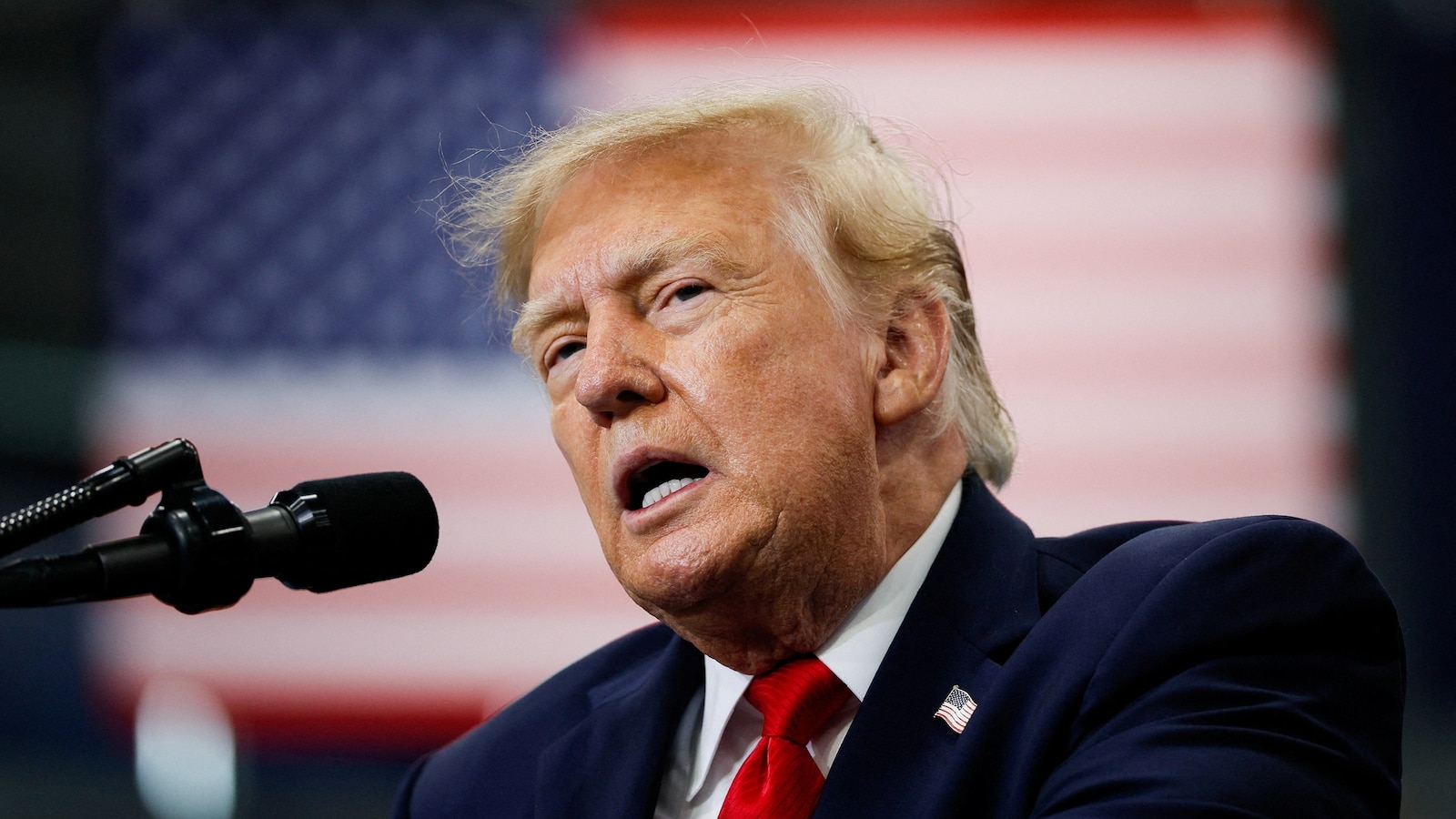
Featured image: Image via ABC News