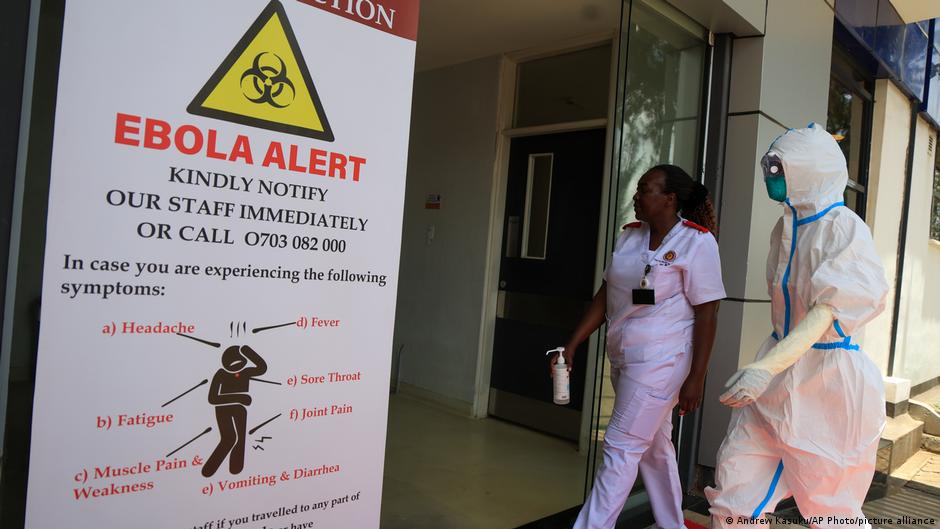
The Kenya ebola outbreak has reached a critical new milestone following the confirmation of an eighth case, as ebola outbreak: Why the Spread to Nord-Ubangi Matters”>health authorities monitor the spread of the rare Bundibugyo strain from the Democratic Republic of Congo (DRC).
Key Takeaways
- New Case Confirmed: Kenya has detected its eighth Ebola case, a 49-year-old male patient attendant.
- Exposure Source: The latest patient was likely exposed to Kenya’s first confirmed Ebola case, which occurred earlier this month.
- Regional Escalation: The outbreak in the DRC has expanded into an eighth province, Nord-Ubangi, increasing the risk of transborder transmission.
- Deadly Strain: The epidemic is driven by the Bundibugyo virus, a strain for which no specific vaccine or approved treatment currently exists.n- DRC Crisis Scale: The DRC has recorded over 9,400 cases and more than 4,500 deaths since the outbreak began in mid-May 2026.
- Containment Efforts: Kenyan authorities have placed the nation on high alert, implementing quarantine and heightened airport screening.
- Initial Phase: Patients often present with fever, fatigue, and muscle pain.
- Advanced Phase: As the disease progresses, patients may experience vomiting, diarrhea, and, in severe cases, internal or external bleeding.
- Restrictions on the number of passengers allowed in cars and on motorbikes.
- The suspension of large public gatherings.
- Increased surveillance in the newly affected Nord-Ubangi province.
- For Travelers: If you are traveling through East Africa, particularly through transit hubs like Nairobi or Kampala, expect increased scrutiny. You may be required to undergo health screenings, provide contact information, and adhere to strict monitoring protocols for up to three weeks.
- For Healthcare Professionals: The risk of infection is highest for those providing direct patient care. The recent infection of three healthcare workers in Kenya serves as a stark reminder of the necessity for rigorous adherence to personal protective equipment (PPE) protocols and sanitation standards.
- For Residents in High-Risk Regions: If you live near the borders of the DRC or in areas with high mobility from hotspot countries, stay informed via official government channels. Be vigilant about symptoms such as sudden fever and muscle pain, and seek medical attention immediately if they occur.
- Nord-Ubangi Data: The number of new cases and deaths in the DRC’s eighth province will indicate if the virus is successfully establishing itself in new territories.
- Vaccine Trial Results: Any breakthroughs or early data from the University of Oxford or Moderna trials regarding Bundibugyo-specific protection will be a major turning point.
- Kenya’s Contact Tracing Success: The ability of Kenyan health officials to keep the current 128 quarantined individuals from further transmission will be a test of the nation’s containment capabilities.
- Regional Border Policy: Whether neighboring countries like Tanzania and Uganda implement even stricter border controls in response to the Kenyan and DRC developments.
- 8am.media
- www.dw.com
- www.ynetnews.com
- www.aljazeera.com
What Happened: The Eighth Case and the Kenyan Timeline
On Sunday, October 18, 2026, Kenyan health authorities confirmed a new positive case of Ebola following a round of diagnostic testing. According to Dr. Patrick Amoth, the Director-General for Health, 38 individuals underwent testing on Sunday, resulting in one positive result.
“He is a 49-year-old man who is not a healthcare worker. He developed fever, headache and muscle pain,” Dr. Amoth told Citizen TV. The patient, whose role involved cleaning utensils and linens, is believed to have been exposed to the country’s index case. This first case in Kenya was a 40-year-old man who traveled from the DRC through Uganda before arriving in Nairobi. That individual died in a Nairobi hospital on October 5, 2026.
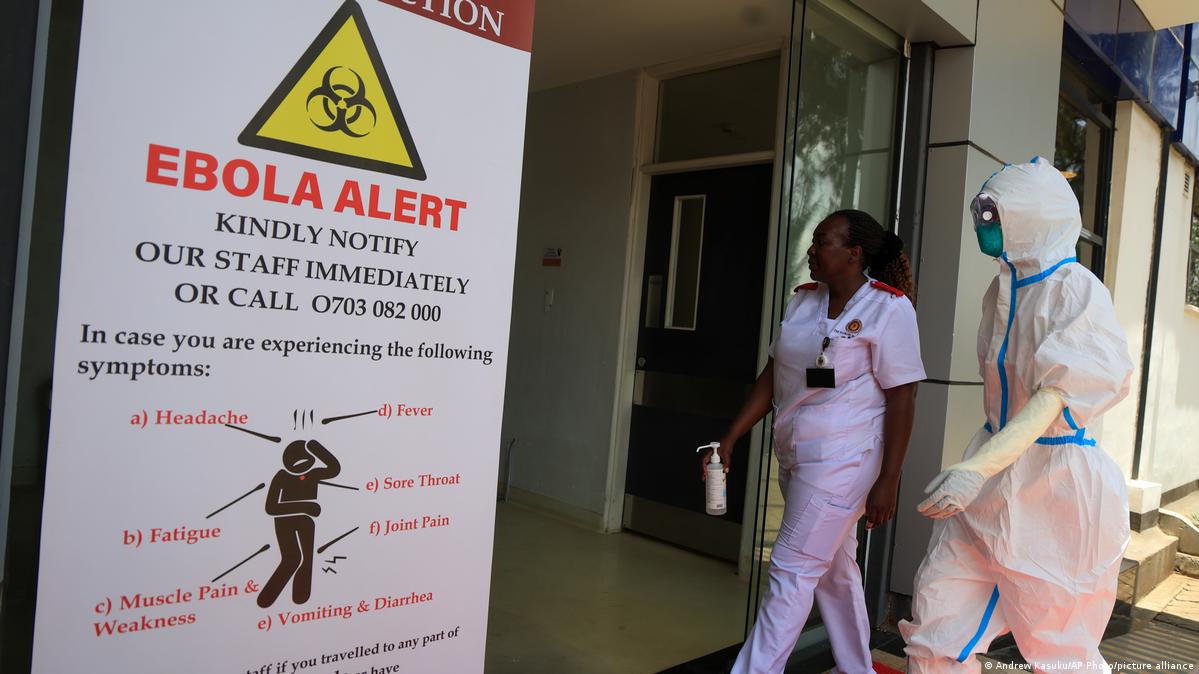
The Ministry of Health also reported four new cases on the Saturday preceding the announcement. Of those four, three were healthcare workers who had treated the initial patient in Kenya. The fourth individual was identified by the ministry in a post on X as a relative of the deceased index patient. This cluster of infections highlights the vulnerability of those in close contact with the virus, whether through professional duties or familial ties.
Why It Matters: A Growing Regional Health Crisis
The emergence of the eighth case in Kenya is not an isolated incident but a symptom of a much larger, intensifying epidemic in Central and East Africa. The virus is actively crossing borders, moving from the epicenter in the Democratic Republic of Congo into neighboring nations like Kenya and potentially the Central African Republic.
The scale of the crisis in the DRC is unprecedented. Since the outbreak was declared in mid-May 2026, the nation has struggled to contain a virus that has now reached eight different provinces. The most recent expansion into the Nord-Ubangi province is particularly concerning to international health officials because the region shares a border with the Central African Republic, creating new pathways for the disease to migrate.
As the World Health Organization (WHO) observes, while some localized “pockets” of the virus may be receding in certain areas, the overall geographic footprint of the disease is expanding. This makes containment significantly more difficult, as health resources must be stretched across vast, often remote, provincial borders.
The Science of the Bundibugyo Strain
The current epidemic is driven by the Bundibugyo virus, a rare strain of Ebola that differs from the more common Zaire strain. This distinction is critical for medical response and public health strategy. Unlike the Zaire strain, for which the Ervebo vaccine has been developed and approved, there is currently no specific vaccine or targeted medical treatment for the Bundibugyo strain.
Clinical Presentation and Transmission
The virus spreads through direct contact with the bodily fluids of an infected person. According to medical reports, the progression of symptoms typically follows a specific pattern:
Because there is no specific antiviral treatment, medical management relies heavily on supportive care—maintaining hydration, managing pain, and treating secondary infections—to help the patient’s immune system fight the virus.
Comparative Epidemic Data: Kenya vs. DRC
To understand the disparity in the scale of the outbreak, it is necessary to compare the data from the primary affected nation with the emerging cases in Kenya.
| Metric | Kenya | Democratic Republic of Congo (DRC) |
|---|---|---|
| Total Confirmed Cases | 8 | 9,415 |
| Total Confirmed Deaths | 1 | 4,536 |
| Primary Strain | Bundibugyo | Bundibugyo |
| Current Status | High Alert / Containment | Expanding to 8th Province |
| Key Epicenter | Nairobi (Initial Case) | Ituri Province |
Data compiled from Kenya Ministry of Health, DRC National Institute for Biomedical Research, and WHO reports.
The Race for a Vaccine: Research and Development
With no approved vaccine for Bundibugyo, the global scientific community is racing to develop a solution. While the Ervebo vaccine is being used in a trial capacity in the Congo to see if it offers any cross-protection, researchers are looking toward next-generation technologies.
The University of Oxford and Moderna are currently conducting human trials for vaccines specifically targeting the Bundibugyo strain. These trials utilize mRNA technology, similar to that used in recent COVID-19 vaccines, to prompt the body to recognize and fight the specific proteins of the Bundibugyo virus. While preliminary animal studies have suggested that some degree of protection might be possible using existing Zaire-strain technology, human efficacy remains unconfirmed. The speed of these trials is being driven by the sheer mortality rate of the current outbreak, which has hovered near 50% in the DRC.

Stakeholder Reactions and Containment Strategies
Kenyan Government Response
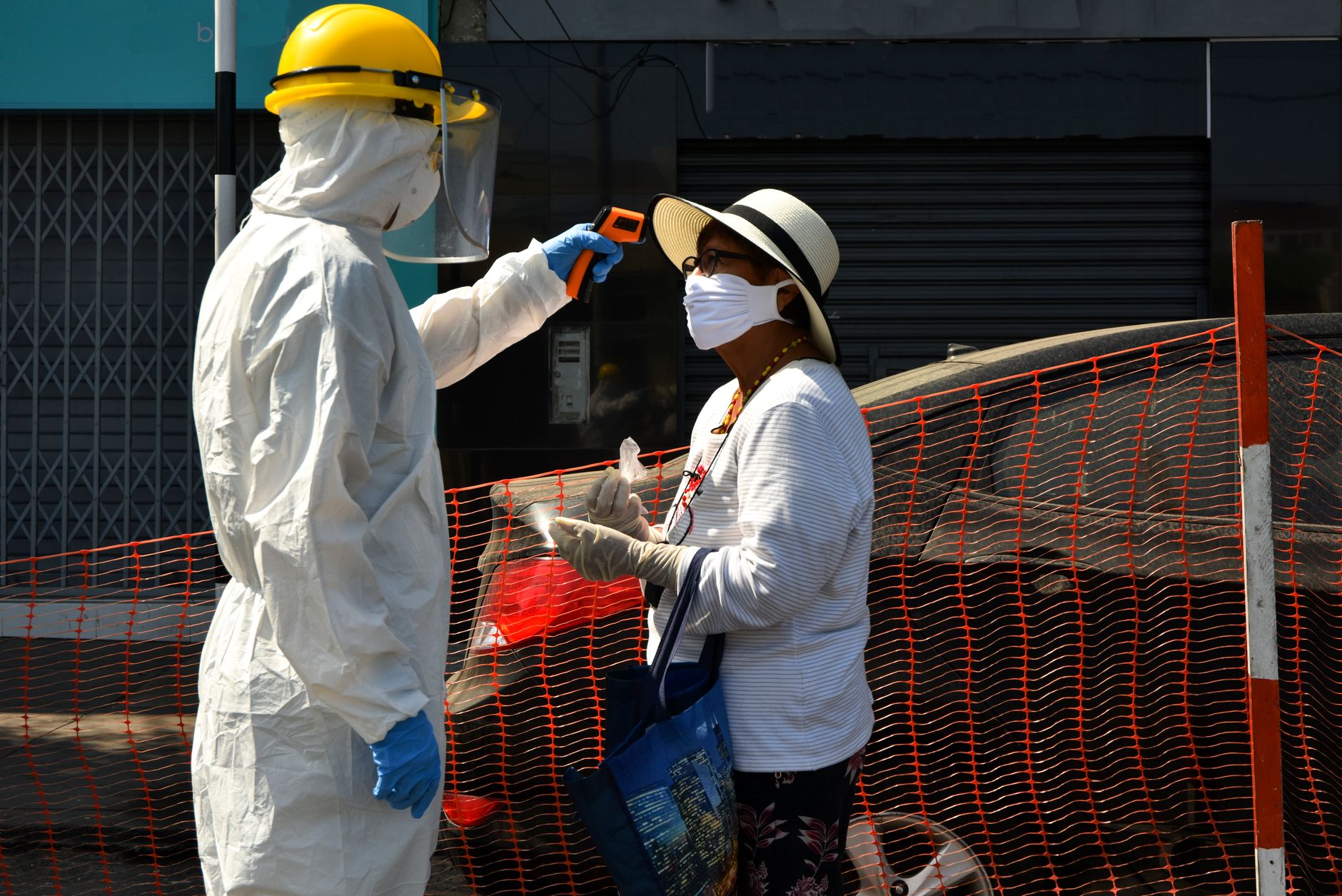
The Kenyan Ministry of Health has moved into a state of heightened alert. To manage the risk of importation, the government has established a separate gate at Nairobi’s main airport specifically for arrivals from ten identified hotspot countries. Travelers from these regions are subject to mandatory health declarations and a 21-day monitoring period.
In addition to airport screenings, the ministry is focusing on contact tracing. In Kenya, authorities have already identified 130 contacts of the infected individuals, with 128 of them currently under strict quarantine. This rapid identification is viewed as a primary tool in preventing the transition from sporadic cases to widespread community transmission.
The DRC Response and Regional Measures
In the DRC, authorities are implementing more drastic measures to slow the spread. In North Kivu province, where the WHO reports substantial transmission, officials have introduced a one-week ban on people entering the province from the Ituri epicenter. Other measures include:
Public Reaction and Controversy
Not all government responses have been met with universal approval. In Kenya, there has been reported public outrage regarding a proposal to establish an Ebola containment facility at the Laikipia Air Base. Critics have expressed concerns over the location and the potential impact on the surrounding community, reflecting the high levels of anxiety and distrust that often accompany major health crises.
What It Means for You
Depending on your role or location, the escalation of the Kenya Ebola outbreak carries different implications:
Counterpoints and Open Questions
While containment efforts are underway, several critical questions remain unanswered. First, there is the question of undetected spread. Some experts, including Mohamed Yakub Janabi, the WHO Regional Director for Africa, have noted that while some areas see declining numbers, the geographic expansion suggests the virus may be moving through undetected channels. This raises the possibility that the official case counts in the DRC and Kenya are lower than the actual number of infections.
Second, the efficacy of the current containment measures—such as border bans and passenger restrictions—is a subject of debate. While these measures aim to slow transmission, they can also disrupt essential supply chains and economic activity, potentially complicating the humanitarian response. Finally, the effectiveness of using the Zaire-strain Ervebo vaccine in Bundibugyo-affected areas remains an unconfirmed variable that could significantly alter the course of the epidemic.
What Happens Next
As the situation evolves, several key indicators will determine whether the outbreak can be contained or if it will become a full-scale regional catastrophe:
Frequently Asked Questions
What is the Bundibugyo strain of Ebola?
The Bundibugyo strain is one of several species of the Ebola virus. It is considered rare compared to the Zaire strain. It is characterized by its unique genetic makeup, which means that vaccines and treatments developed for other strains, like the Ervebo vaccine, may not be fully effective against it. This makes it particularly challenging for public health officials to manage.
How is Ebola transmitted from person to person?
Ebola is transmitted through direct contact with the blood, secretions, organs, or other bodily fluids of infected people, or with surfaces and materials (such as bedding or clothing) contaminated with these fluids. It is not an airborne virus, but the high level of contagion in bodily fluids makes healthcare and caregiving environments high-risk zones.
Is there a cure for the Bundibugyo Ebola virus?
Currently, there is no specific medical cure or approved vaccine for the Bundibugyo strain. Medical professionals focus on supportive care, which includes managing symptoms and maintaining the patient’s hydration and electrolyte balance. Research into mRNA vaccines by organizations like Moderna and the University of Oxford is ongoing to address this gap.
How can I protect myself from Ebola?
Prevention relies on avoiding contact with infected individuals and their bodily fluids. In areas where outbreaks are occurring, this includes practicing rigorous hand hygiene, avoiding contact with contaminated surfaces, and adhering to all local health guidelines regarding travel and public gatherings. If you are a healthcare worker, strict adherence to PPE protocols is essential.
As the Kenya Ebola outbreak continues to unfold, the focus remains on rapid containment and the hope that emerging medical research will soon provide the tools necessary to combat this specific and dangerous strain of the virus.
References
Featured image: Image via dw.com