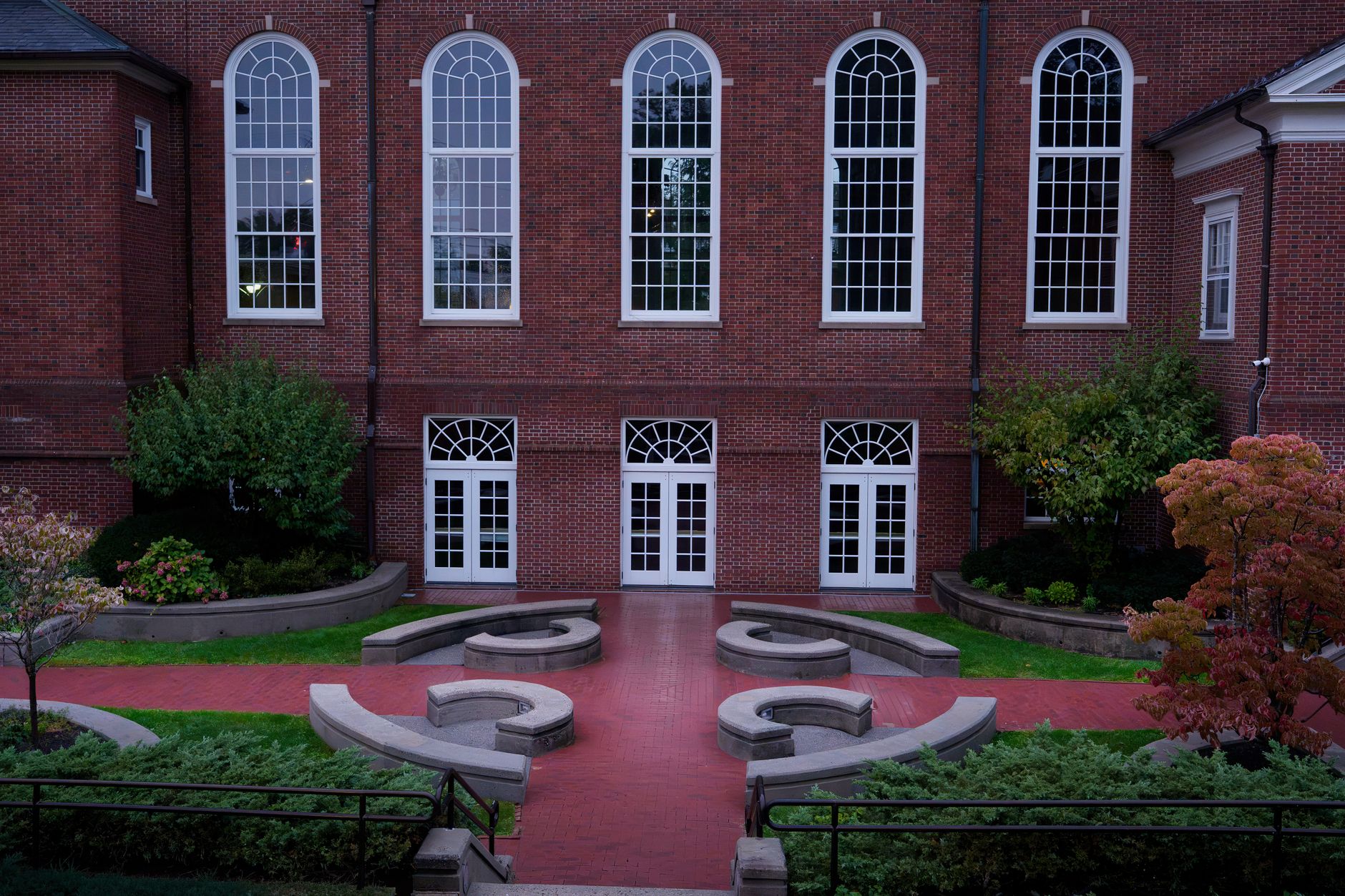
The Cornell sexual misconduct review has been officially launched with the appointment of former acting U.S. attorney General Sally Q. Yates to lead an independent investigation into how the university handled allegations of rape at a fraternity house.
Key Takeaways
- Independent Leadership: Former acting Attorney General Sally Q. Yates will head a special committee to review Cornell’s response to sexual misconduct.
- Broad Scope: The probe will examine campus police response, disciplinary decisions, coordination with law enforcement, and the oversight of Greek life.
- Campus Unrest: Faculty members have proposed a “no-confidence” resolution against the central administration, while students have staged protests and vandalism.
- Legal Escalation: The criminal investigation into the 2024 Chi Phi fraternity allegations has been reopened and is now being led by New York Attorney General Letitia James.
- Administrative Defense: Cornell President Michael Kotlikoff has expressed support for the investigation and plans to meet with the Faculty Senate to address concerns.
- For Students: Expect potential shifts in how Greek life is regulated and how campus police respond to reports of misconduct. There may be new mandatory training, stricter disciplinary protocols, or changes to campus safety resources.
- For Parents and Alumni: The results of this probe will serve as a litmus test for the university’s commitment to student safety and institutional integrity, potentially influencing future enrollment and philanthropic support.
- For Faculty and Staff: The investigation may lead to changes in how university governance operates and how administrative decisions are reviewed by the Faculty Senate.
- For Legal and Academic Professionals: This case serves as a precedent for how private universities manage the intersection of Title IX compliance, civil litigation, and criminal prosecution.
- Will the findings be made public? The university has not yet specified whether the full report from the Yates committee will be released to the student body and faculty.
- Is the review truly independent? Given that the committee was announced by the Board of Trustees, some critics may question if the scope of the investigation is sufficiently broad to challenge the university’s core leadership.
- Can the administration restore trust? Even if the review recommends meaningful changes, the momentum for leadership resignations suggests that a procedural fix may not be enough to satisfy the current level of campus unrest.
- Faculty Senate Meeting: President Kotlikoff and administration leaders are scheduled to meet with the Faculty Senate next week to discuss the ongoing crisis.
- No-Confidence Vote: The Faculty Senate will determine whether to put the draft no-confidence resolution on its official agenda for a vote.
- Attorney General’s Counsel: The New York Attorney General’s office is expected to finalize the hiring of outside counsel to assist in the criminal investigation within the coming days.
- The Yates Report: The independent committee will begin its inquiry into campus police, disciplinary processes, and Greek life oversight, with a final report expected at a later date.
- www.cbsnews.com
- abcnews.com
- www.washingtonpost.com
What Happened: The Catalyst for Crisis
On Tuesday, a new committee of the Cornell University board of trustees announced that Sally Q. Yates, a partner at the law firm King & Spalding, will lead a rigorous, independent examination of the university’s handling of sexual misconduct. This decision follows months of mounting pressure and widespread outrage stemming from allegations of sexual assault involving members of the Chi Phi fraternity.
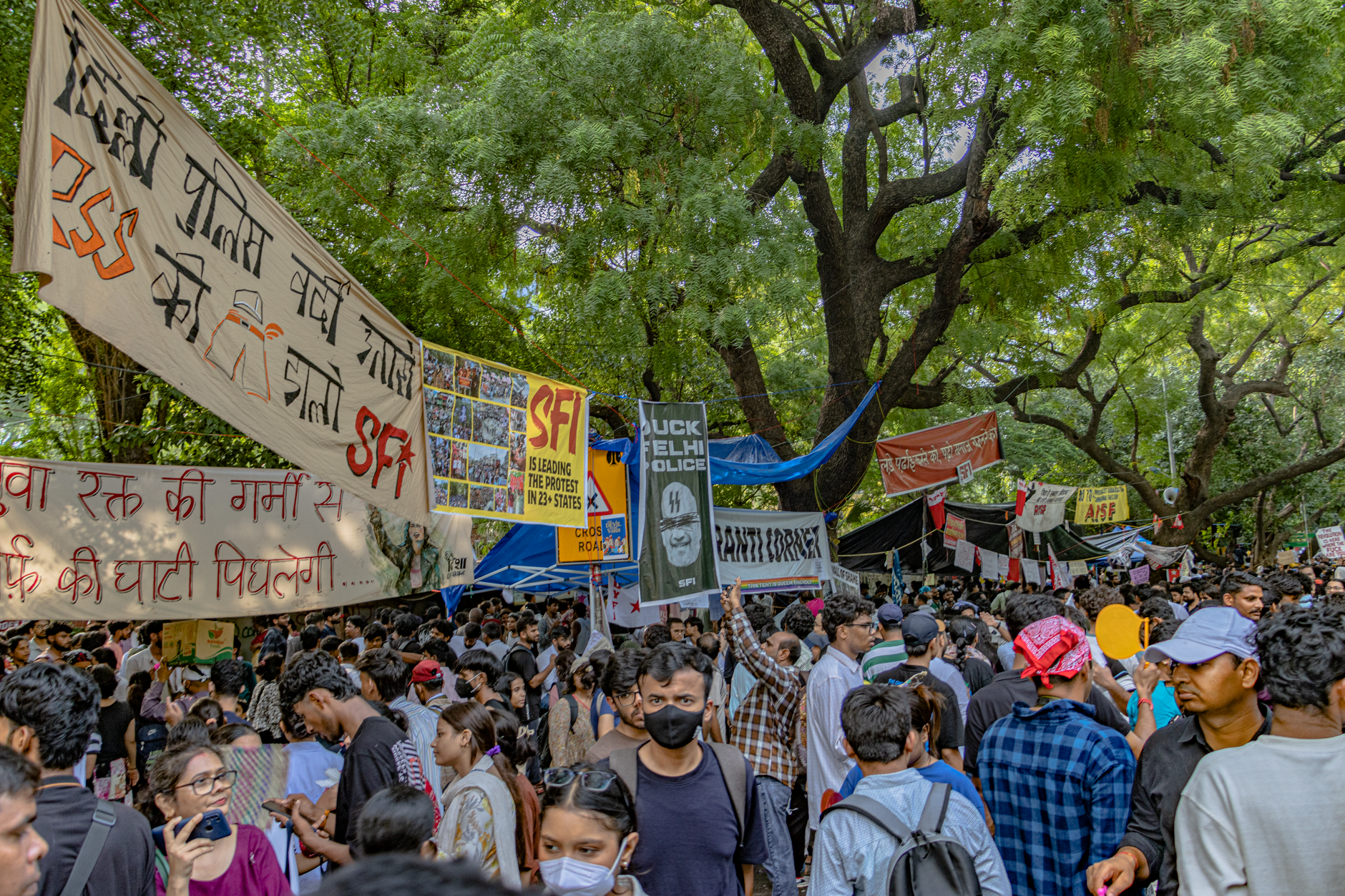
The crisis reached a boiling point last month following news of a lawsuit filed by a former student in connection with her allegations of sexual assault. While Cornell previously conducted an extensive Title IX investigation—which resulted in the fraternity being barred from campus and several students being disciplined—the university faced intense criticism because some of the alleged perpetrators were permitted to remain enrolled or were eventually allowed to return to campus.
Initially, the local district attorney, Matthew Van Houten, declined to seek criminal charges. However, the filing of the civil lawsuit prompted a significant shift in the legal landscape. The criminal case has since been reopened, and the investigation has been taken over by the office of New York State Attorney General Letitia James. On Tuesday, the Attorney General’s office confirmed it is in the final stages of hiring outside counsel to assist in this criminal probe.
Why It Matters: Accountability and Campus Safety
The implications of this investigation extend far beyond a single incident at a fraternity house. The Cornell sexual misconduct review touches on the fundamental responsibilities of a major Ivy League institution: the safety of its students, the integrity of its disciplinary processes, and the transparency of its administration.
For the student body, the outcome of this review could dictate the future of Greek life on campus and the efficacy of campus police. For the faculty, the situation has become a crisis of governance. The proposed “no-confidence” resolution by a group of professors is a rare and significant move, signaling that a segment of the academic community believes the central administration is no longer capable of addressing critical safety issues.
Furthermore, the involvement of the State Attorney General adds a layer of legal complexity that moves the issue from a private university matter to a state-level criminal investigation. This escalation suggests that the perceived failure of local law enforcement and university processes has necessitated higher-level intervention.
Deep-Dive: The Scope of the Yates Investigation
The committee, chaired by Anne Meinig Smalling, has tasked Sally Q. Yates and her team with a multi-faceted inquiry. The investigation is not limited to the specific Chi Phi incident but is designed to evaluate Cornell’s systemic approach to preventing and responding to sexual misconduct.
According to a news release from the university committee, the team will investigate several key areas:
| Investigation Area | Focus of Inquiry |
|---|---|
| Campus Police Response | Effectiveness of initial response and internal processes. |
| Law Enforcement Coordination | How the university interacts with external prosecutors and police. |
| Disciplinary Decisions | The fairness and consistency of student sanctions and outcomes. |
| Greek Life Oversight | The university’s ability to monitor and regulate fraternity activities. |
| Policy Compliance | Whether the university followed its own established sexual assault policies. |
The Pedigree of the Investigator
Selecting Sally Q. Yates is a strategic move intended to signal independence and expertise. Yates is a veteran federal prosecutor who served as Deputy Attorney General under President Barack Obama. She gained national prominence when she served as acting Attorney General during the first Donald Trump administration, a tenure that ended when she was fired after directing Justice Department lawyers not to defend the administration’s immigration and refugee ban.
Her experience in high-stakes, politically sensitive investigations—including a recent independent probe into sexual misconduct within U.S. Soccer—makes her a figure capable of navigating the intense scrutiny surrounding Cornell. Smalling noted that Yates brings “extraordinary experience, independence and judgment to this work.”
Stakeholders and Reactions: A Divided Campus
The announcement of the review has highlighted deep divisions within the Cornell community. The administration, faculty, and students are currently operating from vastly different positions regarding the university’s performance.
The Faculty Perspective
Many faculty members are calling for a complete turnover in leadership. Ariana Kim, an associate professor of music, accused administrators of prioritizing the university’s image and financial stability over the welfare of the student body. She noted there is significant momentum among staff to demand resignations.
David Bateman, an associate professor in the government department and president of the university’s chapter of the American Association of University Professors, echoed this sentiment, stating that people are deeply upset not just by the assault itself, but by the university’s “behavior and posture” toward the attack.
However, not all faculty members agree that the administration has failed. Charles Walcott, a professor emeritus of neurobiology and behavior who has been with the university for 45 years, defended President Michael Kotlikoff. Walcott described Kotlikoff as a “thoughtful, caring human being” and suggested that the independent reviews are a necessary and positive step toward resolution.
The Administration’s Stance
Cornell’s leadership has attempted to project a posture of engagement. Kyle Kimball, a spokesman for the university, stated that the administration is “listening and engaging directly” with the community’s concerns.
President Kotlikoff released a video on Saturday acknowledging the “anger and sadness” on campus. He also expressed support for Attorney General Letitia James‘s decision to appoint a special prosecutor, a move that has itself become a point of political contention.
The Legal Dimension: State vs. Local
The transition of the criminal investigation from the Tompkins County District Attorney’s office to the New York Attorney General has introduced a layer of political scrutiny. The local DA, Matthew Van Houten, has faced criticism for his office’s initial handling of the allegations. While he has agreed to cooperate with the state probe, the shift in jurisdiction marks a significant escalation.
Attorney General Letitia James‘s involvement has not been without controversy. Some critics, including supporters of former President Trump, have questioned her impartiality, pointing to social media posts where she expressed sympathy for the victim. To address these concerns, James’s office announced it is hiring outside counsel to ensure the investigation remains guided strictly by “the facts and the law.”
This dynamic mirrors the complexities often seen in high-profile government investigations. Much like the scrutiny faced by Department of Justice prosecutors in other high-stakes probes, the investigators in the Cornell case must navigate a landscape where public perception of political motivation can impact the perceived legitimacy of their findings.
What It Means for You
The outcome of the Cornell sexual misconduct review will have direct consequences for various members of the community:
Counterpoints and Open Questions
While the appointment of an independent reviewer is a significant step, several questions remain unanswered:

What Happens Next
Several key developments are expected in the coming weeks:
Frequently Asked Questions
What is the primary goal of the Sally Yates investigation?
The primary goal is to conduct an independent and rigorous review of Cornell University’s response to sexual misconduct allegations. This includes examining the actions of campus police, the university’s coordination with external law enforcement, the consistency of disciplinary decisions, and the overall oversight of fraternity and sorority life (Greek life). The investigation aims to identify where the university is succeeding and where it must implement changes to ensure community safety.
Why was the criminal case reopened by the New York Attorney General?
The criminal case was reopened following the filing of a civil lawsuit by a former student who alleged she was sexually assaulted by members of the Chi Phi fraternity. While the local Tompkins County District Attorney initially declined to bring charges, the involvement of Attorney General Letitia James marks a transition to a state-level investigation, intended to provide a thorough and independent examination of the criminal allegations.
What does a “no-confidence” resolution mean for the university?
A “no-confidence” resolution is a formal statement issued by a faculty body expressing that they no longer trust the university’s central administration to lead effectively. While the resolution is symbolic and does not have the direct power to remove a president, it carries immense weight. It can damage the administration’s authority, influence faculty morale, and signal to donors, students, and the public that there is a fundamental breakdown in university governance.
How does this investigation differ from a Title IX investigation?
nA Title IX investigation is a specific administrative process required by federal law to address sex-based discrimination and sexual harassment within educational institutions. Cornell has already conducted a Title IX investigation regarding the Chi Phi incident. The new investigation led by Sally Yates is a broader, independent review commissioned by the Board of Trustees to evaluate the university’s entire institutional approach to sexual misconduct, rather than just the specific procedural compliance of a single case.
Cornell University now stands at a critical juncture. As the independent review begins and the state-level criminal investigation intensifies, the institution’s ability to provide transparency and meaningful reform will determine whether it can restore the trust of its students, faculty, and the broader community.
References
Featured image: Photo by David Kanigan on Pexels