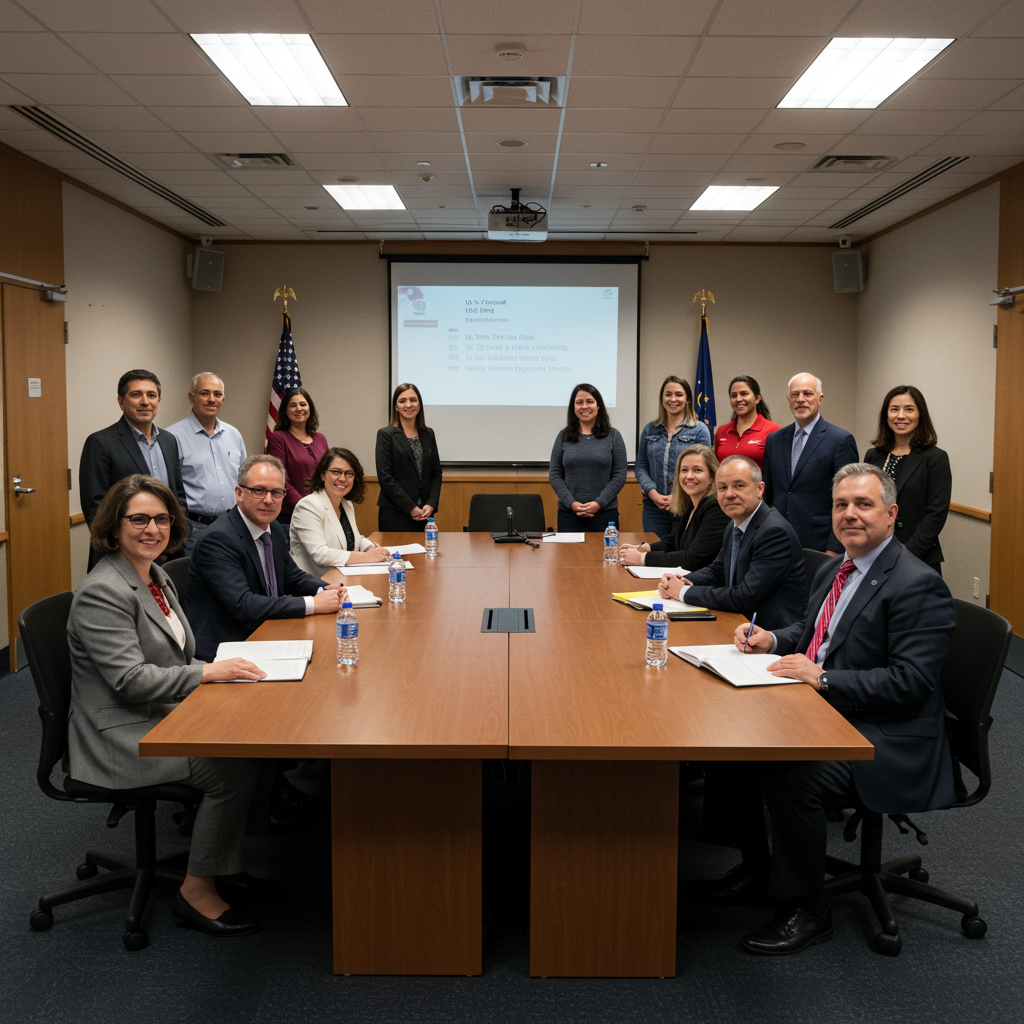
salmonella pumpkin exposure has become a growing concern for parents following a harrowing account from a Texas mother whose four-month-old infant suffered a severe, life-threatening infection linked to seasonal fall activities.
Key Takeaways
- Severe Infant Case: Briana Robertson reports her daughter, Kehlani, contracted a severe case of Salmonella after participating in pumpkin-related sensory play at daycare.
- Critical Medical Emergency: The infant experienced extreme dehydration and lethargy, requiring 15 attempts by medical staff to successfully place an intravenous (IV) line.
- Contamination Mechanism: Medical experts explain that bacteria often reside on the pumpkin rind and are transferred to the interior pulp during the cutting process.
- FDA Warning: The Food and Drug Administration (FDA) notes that pumpkins can be contaminated through soil, water, or improper handling.
- Global Precedent: A recent Salmonella outbreak in France involving pumpkin seeds infected nearly 100 people, highlighting the pathogen’s presence in seasonal produce.
- Preventative Action: Experts recommend thorough washing of produce rinds and diligent hand hygiene during seasonal activities.
- Direct Ingestion: Touching the pulp and subsequently putting hands or fingers in their mouth.
- Indirect Contact: Touching contaminated pulp and then handling toys, which are subsequently placed in the mouth.
- Cross-Contamination: Using the same surfaces or tools for handling the pumpkin and other food items without thorough sanitization.
- www.aol.com
- www.nbcdfw.com
- www.kwtx.com
- www.yahoo.com
The Incident: A Family’s Warning
In North Texas, Briana Robertson is issuing a public warning to caregivers after her daughter, Kehlani, became critically ill due to what the family believes was Salmonella pumpkin exposure. The incident, which occurred approximately one year prior to the recent public warnings in late 2025, began when the infant participated in seasonal activities at her daycare and school involving the handling of pumpkin seeds and pulp.
According to reports from NBC DFW and CBS Texas, the exposure occurred in stages. Roughly three to four weeks before the onset of illness, Kehlani was involved in a daycare activity centered around pumpkin materials. Two to three weeks after that initial contact, she participated in a second activity where teachers placed pumpkin “guts” and seeds into Ziploc bags for the children to interact with.
Within days of this second exposure, the infant’s health took a rapid and terrifying turn. Robertson described a medical emergency characterized by extreme lethargy and a change in skin color, noting that her daughter began “turning purple.” The infant also refused to eat or drink, leading to a state of profound dehydration.
Upon arriving at an emergency room in Athens, Texas, medical professionals struggled to stabilize the child. Due to the severity of the dehydration, staff reportedly had to make 15 separate attempts to establish an intravenous (IV) line. Following a series of diagnostic tests, the diagnosis was confirmed: a severe infection of non-typhoidal Salmonella.
Why It Matters: The Hidden Risks of Seasonal Produce
While most consumers associate Salmonella with poultry or common salad greens, the case of Kehlani highlights a less obvious vector: seasonal gourds. For many parents, pumpkins are viewed as safe, festive items for educational play, but they carry inherent biological risks that are often overlooked during the autumn months.
This case is particularly significant because of the vulnerability of the demographic involved. Infants, especially those as young as four months, have developing immune systems that are less capable of fighting off enteric pathogens. In such cases, the primary danger is often not just the bacteria itself, but the rapid dehydration that follows gastrointestinal distress.
The Mechanism of Contamination
To understand how a pumpkin can become a source of illness, it is necessary to look at the biology of the fruit and the mechanics of food preparation. Dr. Zachary Stone, a primary care provider at Children’s Health, provided critical context regarding how these pathogens move from the field to the kitchen or classroom.
According to Dr. Stone, the contamination typically begins on the exterior of the vegetable. Salmonella can persist on the tough, outer rind of a pumpkin. The danger arises during the cutting process. When a knife passes through the rind to reach the center, it acts as a vehicle, dragging bacteria from the contaminated surface directly into the soft, edible pulp and seeds.
Once the bacteria are inside the pulp, they are easily accessible. For an infant or young child, exposure can happen in several ways:
Comparing Global and Local Outbreaks
The risk associated with pumpkin-related Salmonella is not merely anecdotal. While Robertson’s daughter’s case was described by doctors as rare—specifically regarding the severity in an infant—there is documented evidence of broader outbreaks linked to this specific crop.
| Feature | Texas Incident (Robertson Case) | France Outbreak (Summer 2026) |
|---|---|---|
| Primary Source | Pumpkin pulp and seeds | Pumpkin seeds |
| Affected Demographic | Infant (4 months old) | General population |
| Severity | Extreme (Severe dehydration, 15 IV attempts) | Significant (Nearly 100 infections) |
| Primary Symptom | Lethargy, discoloration, dehydration | Gastrointestinal distress |
| Reported Context | Daycare/School sensory play | Food consumption |
This comparison underscores that while the specific medical presentation in the Texas case was an outlier in terms of severity for that age group, the presence of Salmonella in pumpkin products is a verified public health concern.
FDA Guidelines and Contamination Vectors
The Food and Drug Administration (FDA) maintains that fresh produce, including pumpkins, is susceptible to various forms of contamination. Understanding these vectors is essential for both agricultural producers and end-consumers.
1. Soil Contamination
Salmonella is a bacterium that can live in the soil. If livestock or wildlife near a pumpkin patch are carrying the pathogen, the bacteria can enter the soil through manure or waste. Because pumpkins grow in direct contact with the earth, the rind can easily pick up these pathogens.
2. Water Contamination
Irrigation is a major factor in produce safety. If the water used to irrigate pumpkin fields is contaminated with animal waste or runoff, the bacteria can be spread across the surface of the growing gourds. Rainwater can also wash soil-borne bacteria onto the fruit.
3. Handling and Processing
Contamination frequently occurs after the harvest. This includes improper hygiene during the picking process, cross-contamination in processing facilities, or even at the consumer level. As Dr. Stone noted, the act of cutting the pumpkin is a critical moment where surface bacteria are introduced to the interior.
What It Means for You: A Guide for Parents and Caregivers
If you are a parent, teacher, or daycare provider, the following practical steps can help mitigate the risk of Salmonella pumpkin exposure during the fall season.
For Parents and Families
Pre-Cutting Hygiene: Before cutting into any pumpkin for carving or cooking, wash the exterior rind thoroughly. Use a produce brush and warm water to scrub the surface, ensuring you remove as much soil and debris as possible.
Monitor Sensory Play: If your child is participating in “messy play” or sensory activities involving raw produce, supervise them closely. Ensure they do not attempt to ingest the materials and that their hands are washed immediately afterward.
Watch for Red Flags: Be vigilant about your child’s behavior following exposure to raw agricultural products. Symptoms to watch for include:
Sudden lethargy or unusual tiredness.
Refusal to eat or drink.
Changes in skin tone (such as paleness or a bluish/purple tint).
Vomiting or diarrhea.
Immediate Medical Consultation: If an infant shows signs of dehydration or extreme lethargy, seek emergency medical care immediately. Do not wait for symptoms to resolve on their own.
For Daycare and Educational Institutions
Review Activity Protocols: When planning seasonal activities, consider using pre-cleaned produce or alternative, non-food-based sensory materials.
Sanitization Standards: If raw produce must be used, ensure that all surfaces, tools, and toys that come into contact with the pulp are thoroughly sanitized according to health department guidelines.
Staff Training: Ensure that educators are aware of the risks associated with cross-contamination and the importance of hand hygiene for both staff and children.
Counterpoints and Open Questions
While the link between the pumpkin activities and Kehlani’s illness is highly probable in the eyes of the Robertson family, it is important to note that a direct, laboratory-confirmed “trace-back” to a specific pumpkin has not been publicly reported. In many foodborne illness cases, determining the exact source of a single infection can be difficult without widespread testing of the specific batch of produce involved.
Furthermore, some health experts suggest that while the risk is real, it may be statistically low compared to other common sources of Salmonella. The challenge for public health officials is balancing the need for awareness with the risk of causing undue alarm during a beloved seasonal tradition. The central question remains: how can we maintain the educational and cultural value of seasonal activities while ensuring the highest standards of microbiological safety?
Frequently Asked Questions
What are the most common symptoms of Salmonella in infants?
In infants, Salmonella* symptoms often manifest as severe gastrointestinal distress, including diarrhea, fever, and stomach cramps. However, the most dangerous complication for very young children is rapid dehydration. This can lead to lethargy (extreme tiredness), a refusal to nurse or take a bottle, and even skin discoloration, such as a bluish or purple tint, which indicates a medical emergency.
How can I prevent my child from getting Salmonella from produce?
Prevention starts with thorough cleaning. Always wash the outside of pumpkins and other gourds with a produce brush and warm water before cutting them. Additionally, practice strict hand hygiene—washing hands frequently after handling raw produce or soil. If using produce for play, ensure that children do not ingest the materials and that all toys are cleaned after use.
Is it safe to let children play with pumpkin seeds and pulp?
While sensory play is a valuable developmental tool, it should be approached with caution. If children are playing with raw pumpkin guts or seeds, they should be closely supervised to prevent ingestion. It is also vital to ensure that the pumpkins used are clean and that all surfaces and hands are washed immediately following the activity to prevent the spread of bacteria.
What Happens Next
As the fall season progresses, health officials and childcare organizations are likely to see increased interest in food safety protocols related to seasonal activities. Parents should continue to stay informed through official channels like the FDA and local health departments. For families, the upcoming Halloween and autumn festivities serve as a reminder that even the most traditional activities require a layer of modern hygiene and vigilance to keep the youngest members of the community safe.
References
Featured image: Image via AOL.com