Key takeaways
- Kimi Antonelli secured the fastest qualifying time but will start sixth due to a five-place grid penalty.
- George Russell, who qualified third, has been promoted to second on the starting grid.
- Mercedes faces accusations of strategic failure and lack of support for Russell during the session.
- The qualifying controversy has intensified internal friction between the championship-winning Antonelli and championship-contender Russell.
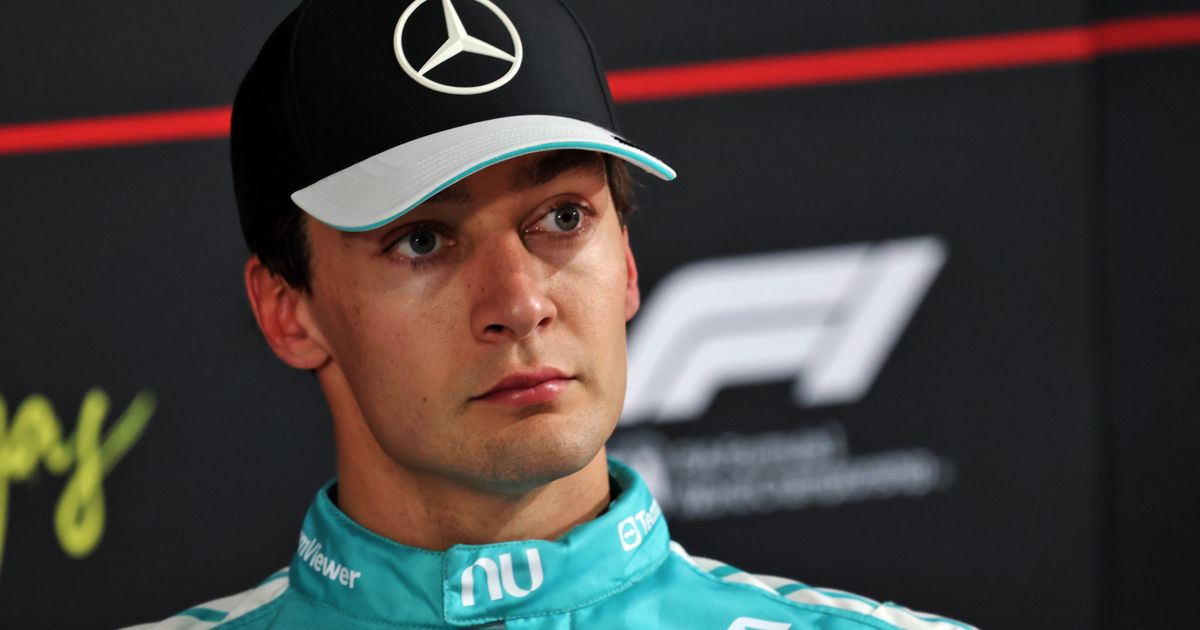
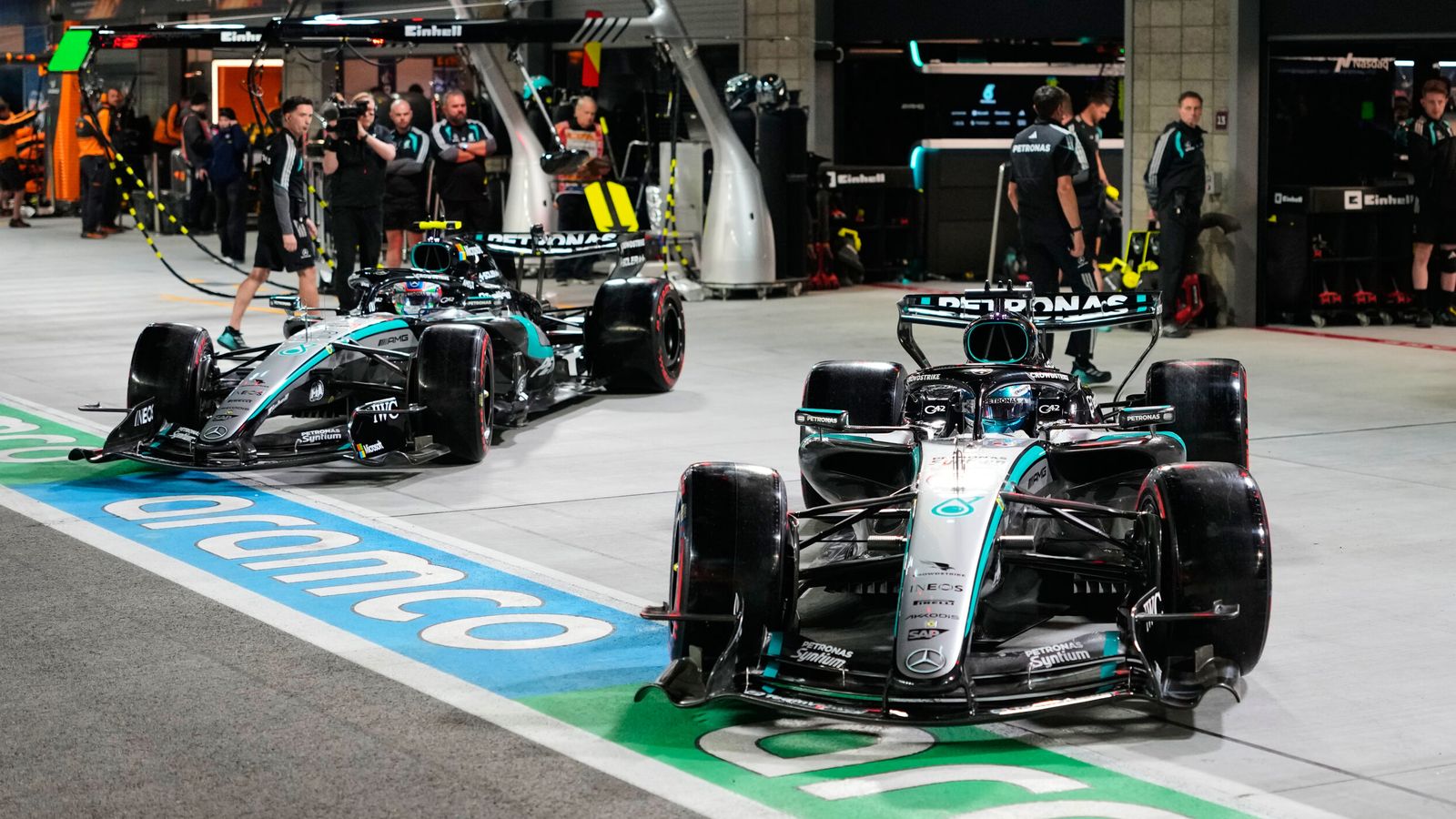
The Mercedes qualifying mix-up at the Las Vegas Grand Prix has ignited a fierce debate over team strategy and driver relations following a chaotic qualifying session on Friday night. While the team secured a front-row start for the upcoming race, the manner in which the results were achieved has left significant questions regarding the coordination between Mercedes-AMG Petronas and its two drivers, Kimi Antonelli and George Russell. As the Formula 1 circus prepares for the Sunday race, the focus has shifted from pure speed to the political fallout within the Silver Arrows garage.
What happened
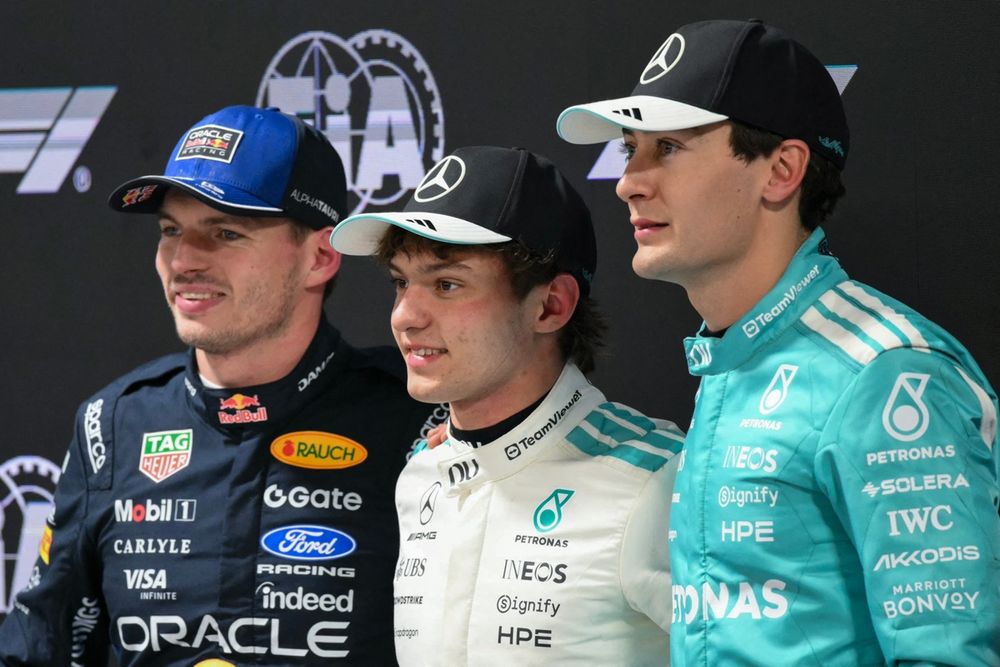
During the qualifying session for the 2026 Las Vegas Grand Prix, a complex series of events led to what many are calling a strategic breakdown for Mercedes. Kimi Antonelli, the 2026 Drivers’ Champion, recorded the fastest time of the session with a 1m33.893s lap. However, due to the installation of a sixth internal combustion engine (ICE) this season, Antonelli was assessed a mandatory five-place grid penalty. This penalty drops him from the top of the order to sixth on the starting grid.
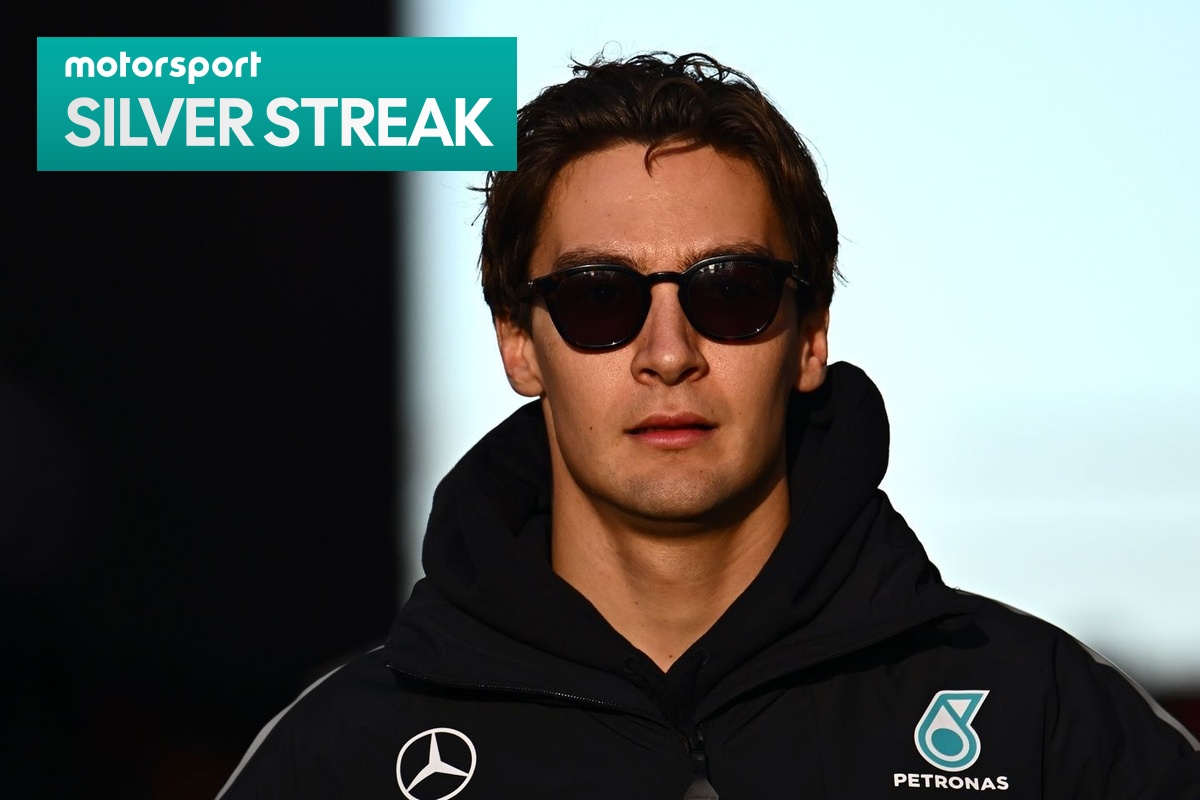
George Russell, who finished the session in third place with a time of 1:34.224, was promoted to second on the grid. This promotion follows the penalty applied to Antonelli and the promotion of Red Bull Racing’s Max Verstappen to pole position. According to reports from Motorsport.com, Russell was just 0.073 seconds behind Verstappen in the raw qualifying times, meaning the Mercedes driver missed out on pole by a razor-thin margin.
The chaos was primarily driven by the unique requirements of the Las Vegas street circuit. Because the track is a low-downforce environment with incredibly long straights, the advantage of a “tow”—or slipstream—is massive. Drivers were reluctant to go first, creating a “Mexican standoff” at the pit exit, as described by Russell. The session was further complicated by five different drivers, including Mercedes’ Antonelli, serving grid penalties, which disrupted the natural flow of traffic and timing.
Why it matters
This Mercedes qualifying mix-up is not merely a matter of track position; it carries profound implications for the 2026 Drivers’ Championship and the internal culture of the Mercedes team. The stakes for the two drivers could not be more different. Kimi Antonelli has already secured the world title, allowing him to race with a level of freedom that his teammate does not possess. George Russell, conversely, is in the heat of a high-stakes battle for second place in the overall standings.
As of the conclusion of qualifying, Russell sits in third place in the championship, trailing the runner-up by 17 points. He is also locked in a tight battle with Ferrari’s Lewis Hamilton, who sits just one point behind him. For Russell, every position on the grid is a critical component of his mathematical path to a higher championship finish. The perceived failure to provide him with the necessary aerodynamic assistance has created a narrative of favoritism that could damage team cohesion.
Furthermore, the technical data suggests that the slipstream effect in Las Vegas is a decisive factor. Russell noted that a successful tow could potentially gain a driver a full second on the straights, though he cautioned that it might result in a loss of roughly 0.6 seconds in the technical corner sections due to dirty air. In a sport where gaps are measured in thousandths of a second, the failure to orchestrate this maneuver effectively is a massive strategic loss.
Analyzing the Mercedes qualifying mix-up and Team Strategy
To understand the depth of the controversy, one must look at the technical mechanics of the qualifying session. The Mercedes strategy was intended to have Antonelli provide a slipstream to Russell to maximize the latter’s chances at pole position. However, the plan unraveled in the high-pressure environment of the pit exit.
The mechanics of the tow
The slipstream effect is a fundamental aerodynamic phenomenon in Formula 1. As a car moves through the air, it creates a pocket of low-pressure air behind it. A following car entering this pocket experiences significantly less drag, allowing it to achieve higher top speeds on long straights. On the Las Vegas Strip, this advantage is magnified.
However, the timing required to execute this is surgical. If the lead car is too far ahead, the following car misses the peak benefit. If they are too close, the trailing car may struggle with “dirty air” in the corners, losing vital downforce and compromising the car’s balance. Russell highlighted this difficulty, noting that while the tow provides speed, the loss of control in technical sectors can negate those gains.
Data Comparison: Qualifying Performance
| Driver | Qualifying Position | Starting Grid Position | Lap Time | Notes |
|---|---|---|---|---|
| Kimi Antonelli | 1st | 6th | 1:33.893 | 5-place engine penalty |
| Max Verstappen | 2nd | 1st | [Not specified] | Promoted to pole |
| George Russell | 3rd | 2nd | 1:34.224 | Promoted due to penalty |
Stakeholders and reactions
The fallout from the session has been swift, with various figures within and outside the paddock offering conflicting perspectives on what went wrong.
Mercedes Management
Team Principal Toto Wolff has taken a defensive stance, attempting to steer the conversation away from strategic failure and toward driver execution. Wolff expressed disbelief at how Antonelli managed to set the fastest time despite the chaotic traffic. He suggested that Russell’s loss of pole position might have been the result of a driver error in the middle sector, specifically mentioning Turns 7, 8, or 9. According to Sky Sports F1, Wolff maintained that Russell had “perfect” track position, being approximately four seconds clear of the car ahead during his final run.
The Drivers
George Russell has remained professionally guarded, though his frustration is evident. He indicated that the matter would be discussed “offline” with the team. He noted the extreme difficulty of the session, stating, “It’s very difficult to orchestrate because everybody’s going for it.”
Kimi Antonelli, on the other hand, focused on the immediate technical challenges he faced. He admitted that he had to back off at Turn 5 because the cars were running three-wide, and he was concerned about the timing of his lap. “I probably would have done it differently, but in hindsight, it still worked out,” Antonelli said, acknowledging the narrow margin by which he completed his final tour.
Media and Punditry
External critics have been much more blunt. Former World Champion Jacques Villeneuve was highly critical of both the team and Antonelli. Speaking to Sky Sports F1, Villeneuve alleged that the team did nothing to help Russell and suggested that Antonelli “played his own game.” Villeneuve characterized Antonelli’s actions as “a little bit nasty,” implying that the champion prioritized his own qualifying glory over the collective interest of the team and his teammate’s championship fight.
Similarly, pundit Jamie Chadwick suggested that the team’s tactical execution was flawed, arguing that the car order should have been optimized to ensure Russell received the slipstream from Antonelli.
What It Means for the Race
For fans and observers, the implications of this Mercedes qualifying mix-up extend to the race dynamics on Sunday. Mercedes enters the race with a split strategic profile. They have their fastest driver, Antonelli, starting from the mid-pack in sixth position. Meanwhile, their primary championship contender, Russell, starts on the front row in second.
If Mercedes chooses to prioritize Russell’s championship fight, they may find themselves in a difficult position if Antonelli’s raw pace allows him to carve through the field. Conversely, if the team focuses on helping Antonelli climb back to the front, they risk alienating Russell further. The race will serve as a litmus test for the team’s ability to manage two drivers with vastly different objectives.
Counterpoints and open questions
While the accusations of strategic failure are loud, there are valid counterpoints to the criticism. The “Mexican standoff” at the pit exit is a real and documented phenomenon in modern Formula 1 qualifying. When multiple teams are chasing the same tow, the timing becomes almost impossible to control from the pit wall.
There are several open questions that remain unanswered as the team heads into the race:
- Was it a tactical error or a timing error? Did the pit wall fail to release the cars in the correct order, or did the unpredictable movement of other drivers (like the Alpine and Racing Bulls cars) make the plan impossible to execute?
- How will the internal dynamic shift? Will the “offline” conversation between Russell and Antonelli resolve the tension, or has the trust between the driver and the team’s strategic core been broken?
- Can Russell overcome the lack of a tow? If the race involves similar aerodynamic dependencies, will Mercedes be able to provide the support Russell needs to compete with Verstappen?
What Happens Next
The immediate focus shifts to the Las Vegas Grand Prix race, scheduled to start at 4:00 AM local time on Sunday, November 22, 2026. The primary catalyst to watch will be the opening laps, where the effectiveness of the Mercedes cars in traffic will be tested.
Observers should watch for:
- Mercedes’ defensive strategy: Will they allow Antonelli to overtake Russell if he shows superior pace?
- Russell’s championship battle: How he manages the gap to Verstappen and the Ferraris behind him.
- The impact of the engine penalty: Whether Antonelli’s sixth ICE affects his long-run reliability during the race.
As the lights go out in Las Vegas, the Mercedes team must move past the Mercedes qualifying mix-up and find a way to unite their drivers. Whether they can overcome the internal friction to secure a podium finish remains to be seen, but the tension in the paddock is undeniably high.
Frequently asked questions
Why did Kimi Antonelli receive a grid penalty?
Kimi Antonelli was assessed a five-place grid penalty because Mercedes installed a sixth internal combustion engine (ICE) in his car during the Las Vegas Grand Prix weekend. Under Formula 1 regulations, there are strict limits on the number of power unit components a driver can use per season, and exceeding these limits results in mandatory position drops on the starting grid.
How does a "tow" work in Formula 1?
A tow, also known as slipstreaming, occurs when a car follows closely behind another car on a long straight. The leading car punches a hole through the air, creating a pocket of low-pressure air behind it. The following car enters this pocket, experiencing less aerodynamic drag, which allows it to achieve a higher top speed. This is a critical strategic tool on high-speed street circuits like Las Vegas.
Who is starting on pole position in Las Vegas?
Max Verstappen, driving for Red Bull Racing, will start from pole position. Although Kimi Antonelli recorded the fastest qualifying time, his five-place grid penalty moved him down the order, which in turn promoted Verstappen to the top of the starting grid.
What is the current championship situation for George Russell?
George Russell is currently in third place in the 2026 Drivers’ Championship standings. He is fighting to close a 17-point gap to the second-place driver and is also maintaining a narrow one-point lead over Lewis Hamilton. Because of this, his race performance in Las Vegas is vital for his final championship standing.
References
- George Russell: Las Vegas qualifying tow was “too difficult to orchestrate” — motorsport.com
- Las Vegas GP: Mercedes chief Toto Wolff insists George Russell had ‘perfect’ track position in qualifying amid questions over tow — skysports.com
- George Russell’s Las Vegas qualifying tow: Mercedes face questions after Antonelli’s advantage — gpblog.com
- Antonelli and Russell set for Mercedes talks over Las Vegas GP qualifying mix-up — autosport.com
Featured image: Image via GPblog