
Key takeaways
- Rockstar Games is bringing the iconic, fictional setting of Vice City back to the forefront with the upcoming release of GTA VI.
- The game’s setting is heavily inspired by the real-world aesthetics and culture of Miami, creating a complex relationship between the digital and physical worlds.
- Reports from NBC News indicate that some Miami locals have expressed mixed feelings regarding the game’s depiction of their home.
- The release marks a significant cultural moment for the gaming industry and the broader conversation regarding urban representation in media.
GTA VI Vice City is the centerpiece of a massive cultural shift as Rockstar Games prepares to reintroduce one of the most recognizable fictional environments in gaming history. As the industry anticipates the release of the highly anticipated title, the intersection of the game’s setting and its real-world inspiration has become a point of contention. According to a report by NBC News on November 20, 2026, the return to the neon-soaked streets of Vice City has sparked a nuanced debate among residents of Miami, the real-world city that serves as the primary inspiration for the game’s landscape.
What happened
On November 20, 2026, News surfaced regarding the cultural reception of Rockstar Games‘ latest project, GTA VI. While the gaming community has largely embraced the News of the franchise’s return to its tropical roots, the reaction within the physical geography that inspired the game has been more complicated. The report highlights that while Vice City is a staple of the Grand Theft Auto series, its proximity to the identity of Miami creates a unique friction.
For years, the Grand Theft Auto series has utilized a method of hyper-realistic satire, creating fictionalized versions of major American cities. From the gritty, industrial atmosphere of Liberty City to the sun-drenched, sprawling suburbs of San Andreas, the series has mastered the art of the digital mirror. With GTA VI, the focus returns to a version of South Florida that is as much a character in the game as the protagonists themselves. However, as the digital version of the city nears completion, the people who live in the actual city of Miami are beginning to weigh in on how their reality is being translated into code.
Why it matters
The significance of this development extends far beyond the boundaries of the gaming industry. When a global entertainment phenomenon like GTA VI targets a specific real-world location for its satirical lens, it touches upon issues of identity, tourism, and cultural representation.
For the gaming industry, the success of GTA VI is expected to set new benchmarks for technical achievement and commercial reach. For the city of Miami, the game represents a double-edged sword. On one hand, the global visibility provided by Rockstar Games can act as a massive, albeit caricatured, advertisement for the region’s unique atmosphere. On the other hand, the satirical nature of the series—often focusing on crime, excess, and social dysfunction—can create a skewed perception of the actual community. The “mixed feelings” reported by NBC News suggest a tension between the pride of local culture and the discomfort of seeing that culture distilled into a playable parody.
The Digital Mirror: Vice City vs. Miami
To understand why the return of Vice City is causing such a stir, one must examine the historical relationship between Rockstar Games and its urban inspirations. The franchise has long operated on a principle of exaggerated realism. The developers do not aim for a 1:1 architectural replica; instead, they aim for a psychological and aesthetic replica.
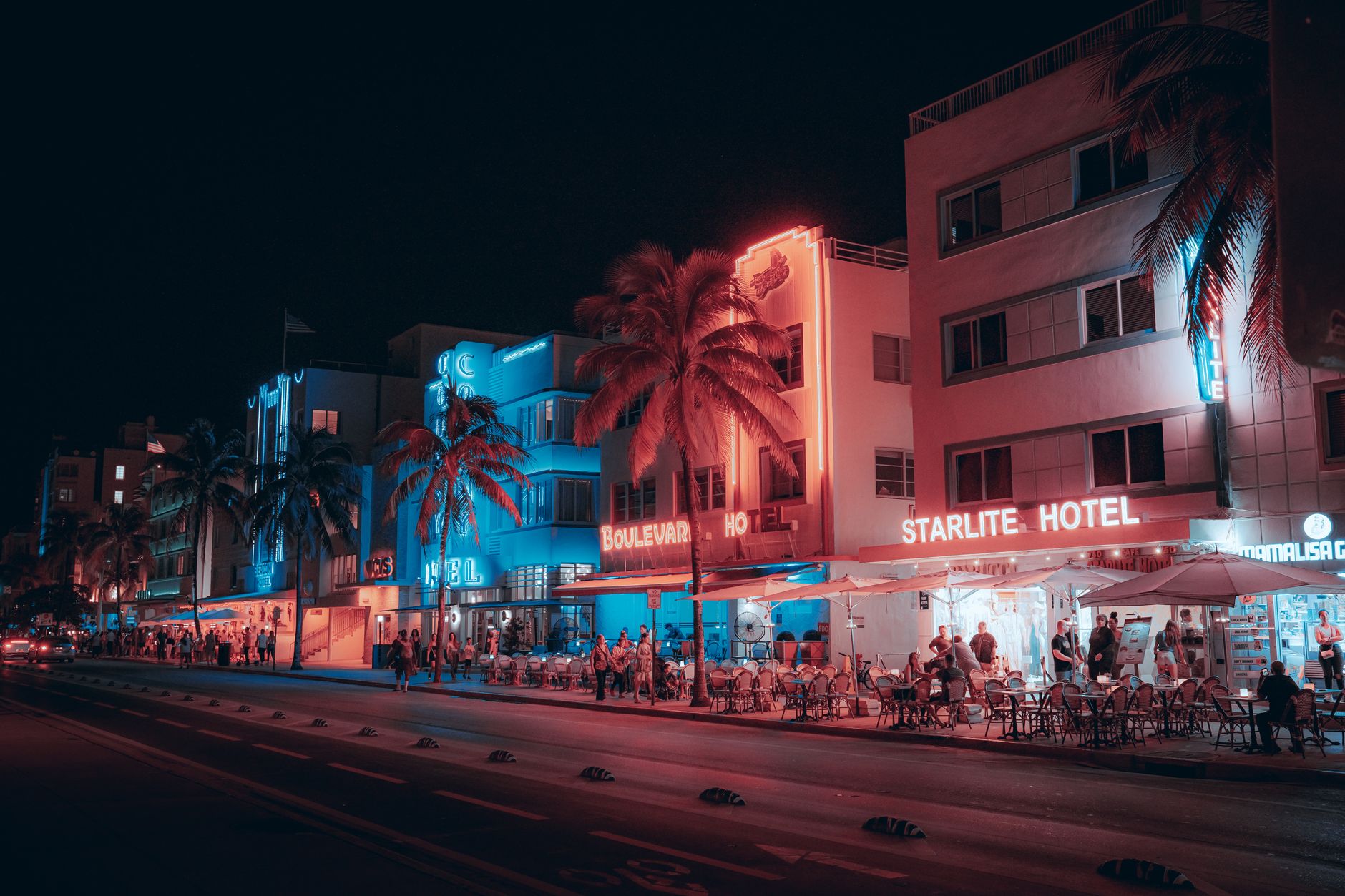
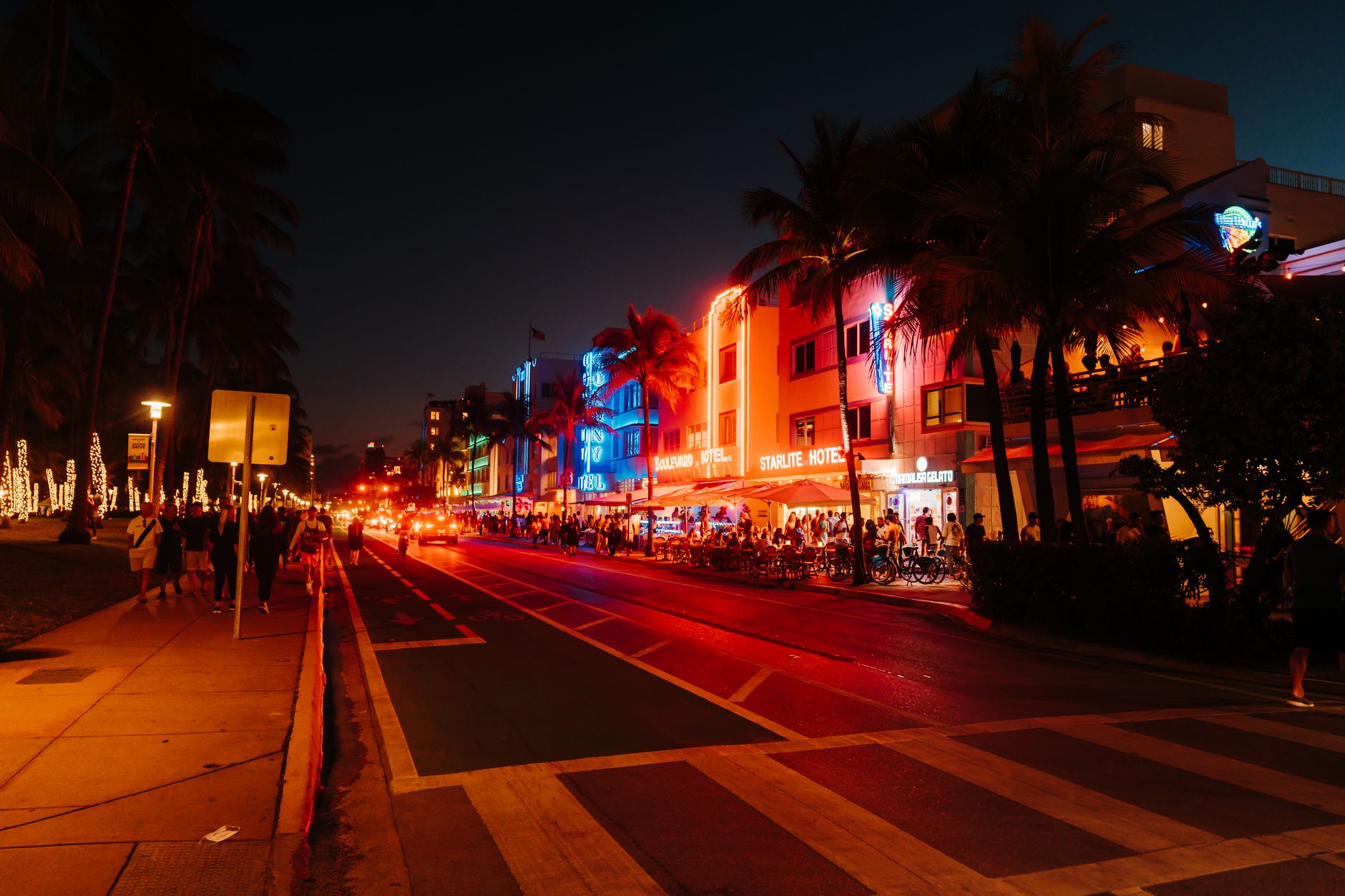
In the case of GTA VI, the goal is to capture the essence of Miami—the Art Deco architecture, the vibrant nightlife, the coastal lifestyle, and the socio-economic disparities that define the region. This process of translation is where the friction occurs. When a digital world becomes a recognizable version of a real one, the line between entertainment and representation blurs.

The Evolution of Urban Satire
The history of the Grand Theft Auto series is a history of urban evolution. Each major installment has served as a commentary on the American Dream as it manifests in different geographic contexts:
| City Name | Real-World Inspiration | Primary Themes |
|---|---|---|
| Liberty City | New York City | Grittiness, organized crime, urban density |
| San Andreas | Los Angeles / San Francisco | Hollywood culture, suburban sprawl, gang activity |
| Vice City | Miami | Neon aesthetics, 1980s nostalgia, tropical excess |
As GTA VI approaches, the complexity of these themes is expected to increase. Modern Miami is a much more diverse and technologically integrated city than the version of Vice City seen in earlier iterations of the franchise. This creates a challenge for Rockstar Games: how to honor the legacy of the setting while acknowledging the contemporary reality of the location that inspired it.
Stakeholder Perspectives
The debate surrounding GTA VI involves several distinct groups, each with a different stake in how the city is portrayed.
The Gaming Community
For millions of players, Vice City is a nostalgic touchstone. The desire to see the setting updated with modern graphics, physics, and scale is a primary driver of the hype. For these fans, the satire is part of the appeal; they look to the game to explore the extreme versions of the worlds they inhabit.
Local Residents and Cultural Advocates
For those living in Miami, the concerns are often more personal. There is a fine line between a loving parody and a harmful stereotype. If the game leans too heavily into tropes of criminality or superficiality, it can impact how the city is perceived by the outside world, potentially affecting everything from social perception to local business climates.
The Economic and Tourism Sector
City officials and tourism boards often view these massive media releases through a lens of economic opportunity. A successful game can drive interest in the region, prompting players to visit the actual landmarks that inspired their digital adventures. However, there is an inherent risk that the “tourist version” of the city presented in the game might not align with the actual experiences offered by the local economy.
What It Means for You
Depending on your relationship with the digital and physical worlds, the impact of GTA VI will vary:
- If you are a gamer: Expect a level of immersion and detail that pushes the boundaries of current hardware. The return to Vice City is not just a nostalgic trip but a technical showcase of how modern gaming can simulate complex urban environments.
- If you are a resident of the Miami area: You may see an increase in global discourse regarding your city. The way the game is received can influence the cultural narrative of the region for years to come.
- If you are a developer or creator: The release of GTA VI will likely serve as a benchmark for environmental storytelling and the use of satire in large-scale open-world design.
Counterpoints and Open Questions
While the excitement is palpable, there are significant risks and unanswered questions. The most prominent counterpoint is the potential for GTA VI to reinforce negative stereotypes about South Florida. Satire, by its nature, requires exaggeration, and in a globalized media landscape, those exaggerations can sometimes be mistaken for reality by those unfamiliar with the nuances of the local culture.
Furthermore, there are open questions regarding the balance of the game’s narrative. Will Rockstar Games address the modern complexities of Miami, such as its rapid gentrification and shifting demographics, or will it stick to the more traditional, trope-heavy version of Vice City? The answer to this will likely determine whether the “mixed feelings” of locals turn into a broader cultural critique or a shared sense of recognition.
What Happens Next
As we move closer to the official launch of GTA VI, several key indicators will signal how the cultural conversation is evolving. Watch for:
- Official Marketing Campaigns: The specific tone of the trailers and promotional material will reveal how much emphasis Rockstar Games is placing on satire versus realism.
- Community Feedback Loops: Monitoring how local community leaders and cultural organizations respond to the game’s previews will provide insight into the depth of the “mixed feelings.”
- Technical Previews: Deep dives into the game’s world-building will show how closely the digital Vice City aligns with the modern reality of Miami.
As the world awaits the arrival of GTA VI, the conversation surrounding Vice City serves as a reminder of the power of digital media to shape our perception of the real world. Whether the game is viewed as a tribute or a parody, its impact on the cultural landscape is already being felt long before the first player picks up a controller.
Frequently asked questions
What is the setting of GTA VI?
GTA VI is set in the fictional location of Vice City, which is a heavily inspired version of Miami and the surrounding areas of South Florida. The setting is designed to capture the specific aesthetic and cultural atmosphere of the region.
Who is the developer of the game?
The game is being developed by Rockstar Games, the studio responsible for the previous installments in the Grand Theft Auto series.
Why are there mixed feelings among Miami locals?
According to reports from NBC News, the mixed feelings stem from the tension between the game’s satirical portrayal of the area and the real-world identity of Miami. Residents may have concerns about how their home is represented through a lens of exaggeration and caricature.
Is Vice City a real place?
No, Vice City is a fictional city created by Rockstar Games. However, it is intentionally modeled after the geography, architecture, and culture of Miami to provide a sense of familiarity and satire.
References
Featured image: Photo by Osmany Mederos on Pexels