
Distinguishing a fall allergy vs cold is becoming a primary concern for millions of Americans as the seasonal transition brings both rising pollen counts and increased viral transmission. As autumn temperatures drop across the United States, the overlapping respiratory symptoms of seasonal allergies, the common cold, and the flu can make self-diagnosis exceptionally difficult for many individuals.
Key Takeaways
- Medical history is a primary diagnostic tool: If you experience recurring symptoms every autumn, it is likely an allergy rather than a viral infection.
- Itchiness is a hallmark of allergies: Itchy eyes, nose, and ears are strong indicators of an allergic reaction to pollen or mold.
- Systemic symptoms signal a cold or flu: The presence of fever, body aches, or chills typically points toward a viral infection rather than seasonal allergies.
- Environmental control is essential: Using HEPA filters, keeping windows closed, and showering after outdoor activity can significantly reduce allergen exposure.
- Medication precautions matter: While decongestants provide relief, topical intranasal oxymetazoline should not be used for more than three days to avoid rebound rhinitis.
- Keep Windows Closed: While the “crisp” fall air is tempting, keeping windows closed prevents outdoor pollen from entering the living space.
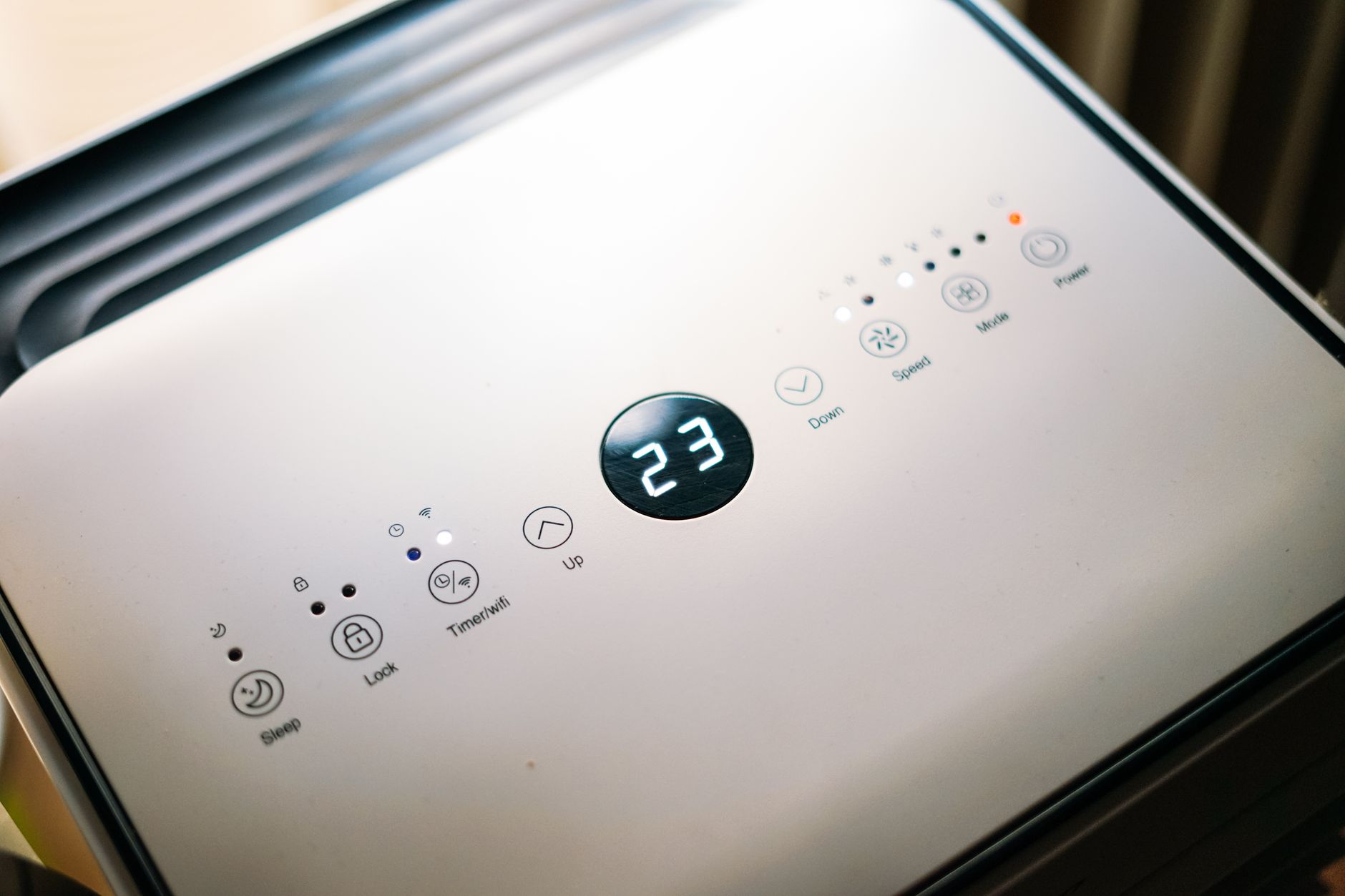
- HEPA Filtration: Utilizing High-Efficiency Particulate Air (HEPA) filters can help capture microscopic allergens that circulate in the air.
- Pet Management: Pet owners should be cautious about allowing outdoor pets onto beds, as pet fur can act as a vector for transferring ragweed and mold into sleeping areas.
- Post-Outdoor Protocols: To prevent bringing allergens into the home, Dr. Hong recommends taking a shower and changing clothes immediately after being outdoors.
- Protective Masking: During high-exposure activities such as gardening, planting, or raking leaves, wearing a mask can provide a physical barrier against airborne particles.
- Hydration and Rest: Getting plenty of fluids and sleep is essential for recovery.
- Nasal Congestion: Pseudoephedrine or topical intranasal oxymetazoline can be used. However, a critical warning is issued regarding oxymetazoline: it should be limited to no more than three days of use to avoid the risk of rebound rhinitis.
- Cough Relief: Dextromethorphan or natural remedies like honey can help soothe a cough.
- Fever and Aches: Acetaminophen or NSAIDs (such as Ibuprofen) are effective. Notably, Ibuprofen is reported to be more effective than acetaminophen for managing fever-related discomfort.
- www.wsls.com
- nypost.com
What Happened
As the fall season settles in across the U.S., a dual surge of seasonal allergens and viral infections has begun to impact public health. The sudden shift from summer warmth to the “crisp” temperatures of autumn creates a unique environment where respiratory distress is common. According to reports from FOX Weather, the combination of changing weather patterns and the return of children to school environments has accelerated the spread of both seasonal allergies and common viruses.
While many people assume they are simply coming down with a seasonal bug, medical experts suggest that many are actually reacting to environmental triggers such as ragweed and mold. The confusion between a fall allergy vs cold is heightened by the fact that both conditions directly affect the respiratory system, leading to shared symptoms like congestion, sneezing, and coughing.
Why It Matters
Understanding the distinction between these conditions is not merely a matter of convenience; it is a critical component of effective healthcare management. Misidentifying a viral infection as an allergy can lead to delayed rest and improper treatment, while treating an allergy as a cold may result in unnecessary medication use without addressing the underlying environmental triggers.
For the millions of Americans affected, the distinction dictates everything from lifestyle choices—such as whether to keep windows open for fresh air—to pharmacological interventions. Furthermore, the severity of symptoms can serve as a warning sign; while allergies are typically localized to the nose and eyes, viral infections like the flu can cause systemic issues that require more significant medical attention.

Deep-Dive: Symptom Comparison and Analysis
To accurately navigate the difference between a fall allergy vs cold, patients must look beyond simple congestion. While both conditions involve the respiratory tract, the physiological drivers and the specific manifestations of the symptoms differ significantly.
According to data provided by Southern New Hampshire Health and the Cleveland Clinic, the following table outlines the primary symptomatic differences:
| Symptom | Fall Allergies | Common Cold / Viral Infection |
|---|---|---|
| Itchy Eyes, Nose, or Ears | Very Common | Rare |
| Fever | Almost Never | Possible (Common in Flu) |
| Body Aches/Chills | No | Common |
| Sneezing | Frequent | Frequent |
| Runny/Stuffy Nose | Yes | Yes |
| Sore Throat | Possible (via postnasal drip) | Very Common |
| Duration | Seasonal/Persistent | Short-lived (1–2 weeks) |
| Primary Trigger | Pollen, Mold, Dander | Viral transmission |
The Role of Medical History
One of the most effective ways to differentiate these conditions is through personal medical history. Dr. Sandra Hong, an allergist at the Cleveland Clinic, emphasizes that patterns are often more telling than any single symptom.
“It can be so difficult to be able to tell the difference between fall allergies and a cold,” Dr. Hong stated. “All the kids are back in school, and they’re passing those germs around. I think one of the easiest ways is history. So, if you have always had allergy symptoms in the fall time – you’re sneezing and your nose is always dripping, and a lot of itching, like itchy ears, nose and eyes. That tells me more that it’s allergies than a cold.”
If a person experiences a sudden onset of symptoms that aligns with their historical seasonal patterns, the likelihood of an allergy is high. Conversely, a cold or flu often presents with more sudden, systemic symptoms that do not follow a yearly seasonal schedule.
Biological Mechanisms: Allergies vs. Viruses
To understand why the symptoms differ, one must look at the underlying biological processes. The distinction between a fall allergy vs cold is essentially a distinction between an overactive immune response and a direct viral invasion.
The Allergic Reaction
Allergies occur when the immune system misidentifies harmless substances—such as ragweed pollen or mold spores—as dangerous invaders. As Dr. Teresa Hauguel, a News in Health expert, explained, when an individual breathes in these allergens, the immune cells in the nose and airways may overreact. This overreaction triggers the release of chemicals that cause inflammation, itching, and mucus production, leading to the classic symptoms of sneezing and watery eyes.
Viral Transmission
In contrast, a cold is caused by a virus. According to Southern New Hampshire Health, these viruses are often spread through respiratory droplets released when an infected person talks, coughs, or sneezes. If an individual is within a distance of three to six feet from an infected person, they are susceptible to these droplets landing in their mouth, nose, or eyes. Unlike the localized immune response of an allergy, a virus replicates within the body, often leading to systemic symptoms like fever, fatigue, and body aches.
Environmental Mitigation and Lifestyle Management
For those suffering from seasonal allergies, managing the environment is often more effective than medication alone. Dr. Sandra Hong suggests several practical steps to reduce the presence of allergens like ragweed and mold in the home.
Indoor Air Quality
Personal Hygiene and Protective Gear
The Treatment Hierarchy
When symptoms become unbearable, the approach to treatment depends heavily on the diagnosis.
Managing Allergies
For allergic reactions, the first line of defense is typically over-the-counter (OTC) antihistamines and nasal sprays. If these do not provide sufficient relief, medical professionals recommend consulting an allergist for advanced treatment options.
Managing Colds and Flu
For viral infections, the focus shifts to symptom management and rest. Experts suggest:
What It Means for You
If you are a student, a parent, or a seasonal worker, your approach to autumn health should be proactive.
If you are a student or parent: With schools back in session, the risk of viral transmission is high. Monitor for fever and body aches, which are more likely to indicate a cold or flu rather than allergies.
If you are an outdoor enthusiast or gardener: The period of raking leaves and planting fall crops is a high-risk window for allergen exposure. Implement the use of masks and ensure you shower immediately after finishing outdoor tasks to avoid contaminating your sleeping environment.
If you are a person with chronic respiratory issues: Relying on your medical history is your best asset. If your symptoms mirror those of previous years, prioritize environmental controls and antihistamines. If symptoms are new or accompanied by a fever, seek medical advice promptly.

Counterpoints and Open Questions
While the distinction between allergies and colds is generally clear, there are complexities that can complicate self-diagnosis. One significant risk is the over-reliance on over-the-counter medications. While antihistamines and decongestants offer quick relief, they do not cure the underlying cause—whether that be a virus or a seasonal allergen.
Furthermore, there is the risk of misidentifying more serious illnesses. While the source material focuses on colds and the flu, a fever is a general indicator that the body is fighting a significant infection. If symptoms persist beyond 10 days or if over-the-counter medicines fail to provide relief, medical consultation is essential to rule out more severe respiratory conditions.
An open question remains regarding the long-term impact of varying environmental allergen levels due to changing climate patterns, which may shift the traditional “allergy season” and complicate historical diagnostic patterns.
What Happens Next
As the fall season progresses toward winter, the primary driver of respiratory illness is expected to shift from environmental allergens to viral transmission. Health officials and experts suggest watching for the peak of the flu season, which typically follows the initial autumn surge of colds. Residents should continue to monitor local pollen counts and weather reports to adjust their environmental mitigation strategies accordingly.
Frequently Asked Questions
How long do cold symptoms typically last?
According to clinical observations from the Cleveland Clinic, viral infections like the common cold are generally short-lived, typically lasting between one and two weeks. If symptoms persist longer than this, it is advisable to consult a healthcare provider.
Can a cold cause itchy eyes?
While a cold can cause a runny or stuffy nose, itchy eyes, ears, and nose are much more characteristic of seasonal allergies. If itchiness is a primary symptom, it is a strong indicator of an allergic reaction to triggers like pollen or mold.
Why shouldn’t I use nasal decongestant sprays for more than three days?
Using topical intranasal decongestants, such as oxymetazoline, for an extended period can lead to a condition known as rebound rhinitis. This occurs when the nasal passages become even more congested once the medication wears off, creating a cycle of dependency and increased swelling.
Is Ibuprofen better than Acetaminophen for a fever?
For fever-related discomfort and body aches, Ibuprofen (an NSAID) is often noted to be more effective than acetaminophen, though both are common options for managing these symptoms.
Closing
Navigating the complexities of a fall allergy vs cold requires a combination of symptom awareness, historical context, and proactive environmental management. By distinguishing between the localized itchiness of an allergy and the systemic fever of a viral infection, individuals can better manage their health and seek the appropriate medical care when necessary.
References
Featured image: Photo by cottonbro studio on Pexels